Humber 2100+
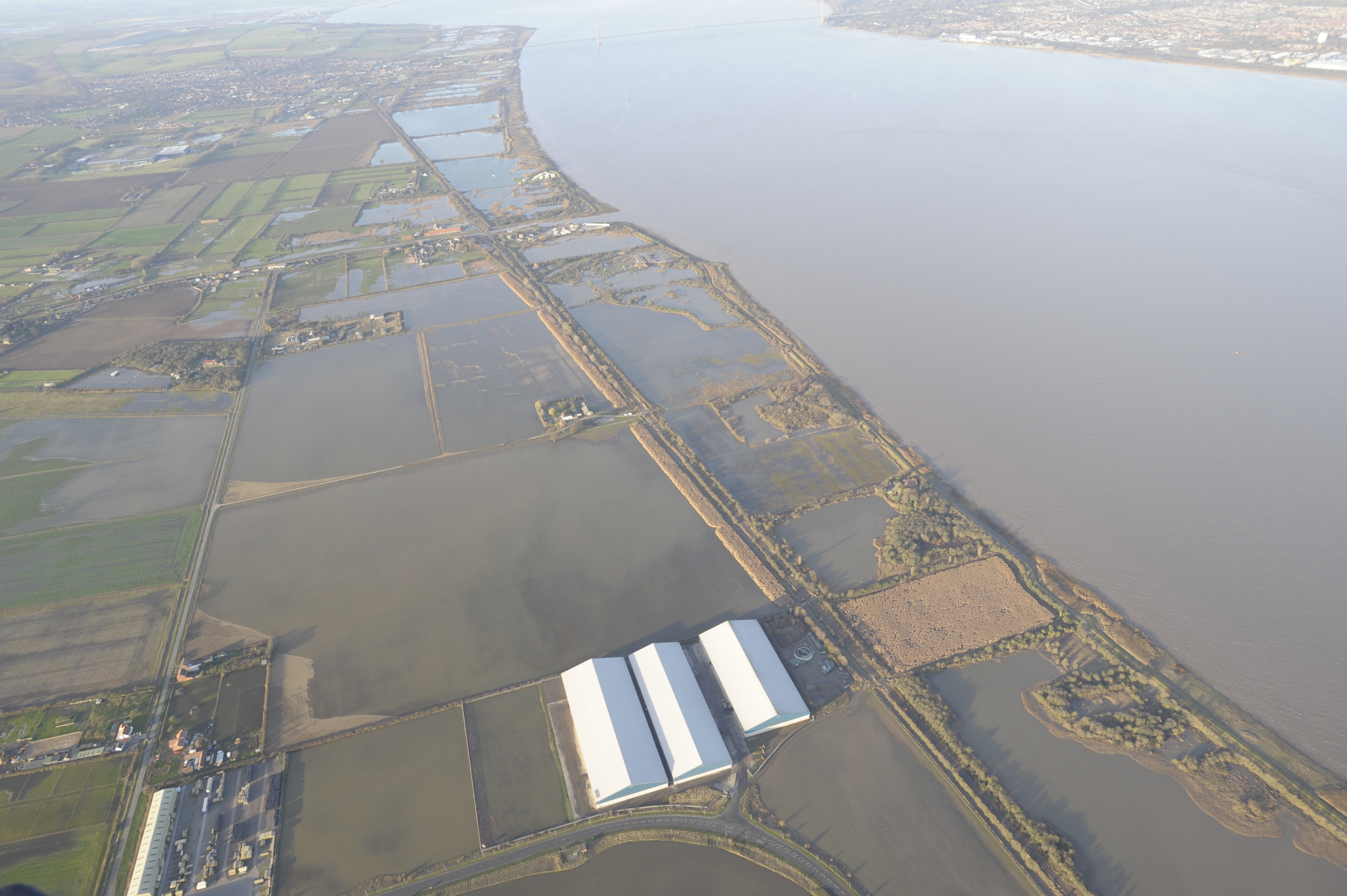
Humber 2100+ is a partnership working on a new long-term strategy to manage tidal flood risk in the Humber region over the next 100 years.
There are over half a million people and thousands of businesses within the Humber 2100+ study area, as well as thousands of hectares of land, important industry, and infrastructure. It is also an internationally important natural asset for both people and wildlife. However, a substantial portion of this region is at risk of flooding during an extreme flood event.
As sea level rise accelerates, severe flooding will happen much more often, and we need to rethink how we manage the impacts so communities can continue to thrive.
To find out more about the background of this strategy, and why it's so important, explore the information bar or click here. Remember to check for the Latest News updates at the bottom of the page, and opportunities to get involved!
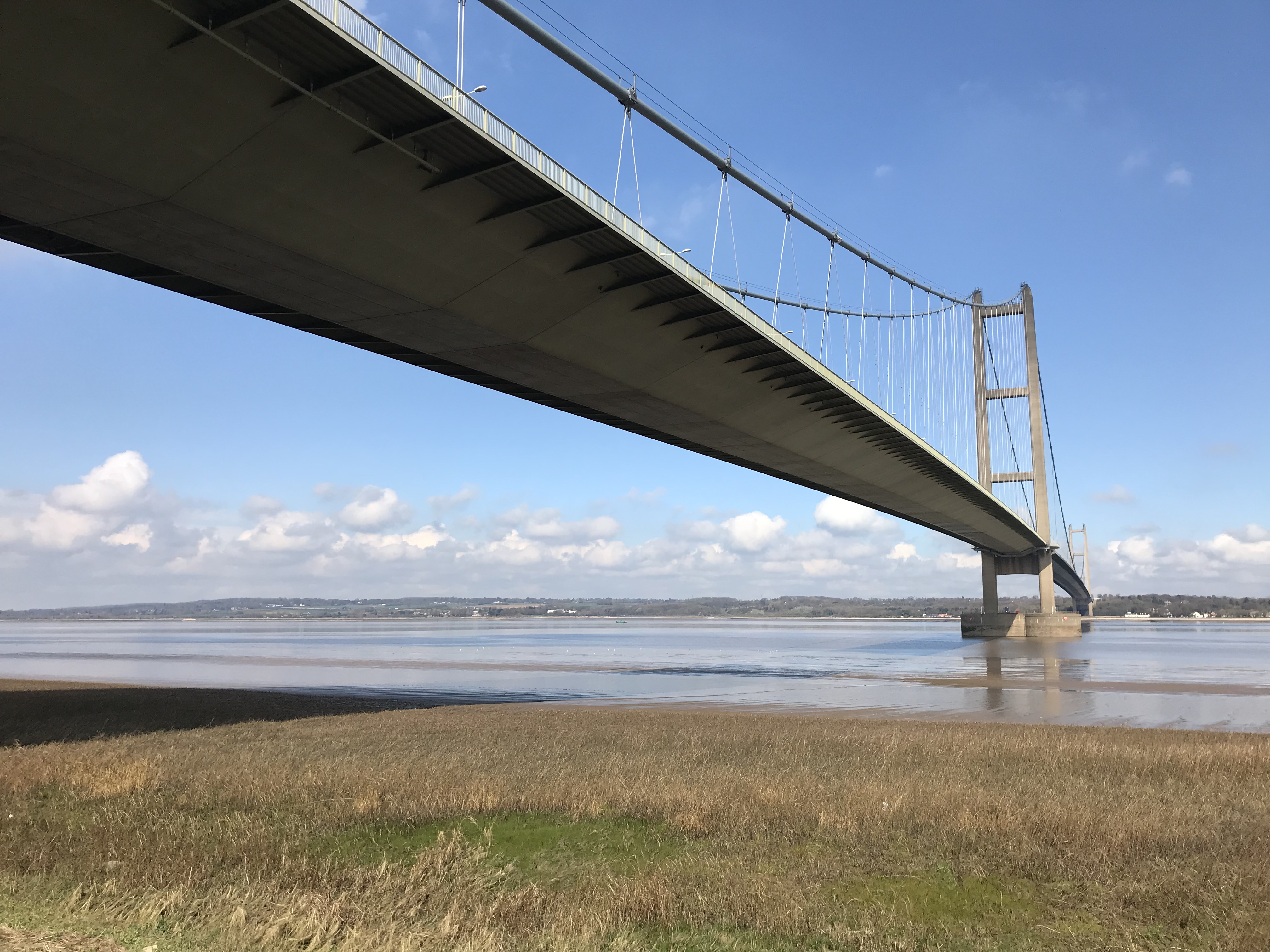
View of the Humber Bridge from the south bank
Get involved now!
Local people, businesses and other interested parties will be able to participate in the development of the new Humber Strategy. We will engage and consult at key decision points and encourage you to get involved and help us shape the future of the Humber Estuary. We want to know more about you, the people, communities and organisations that this strategy will reach.
We want you to Register and Subscribe, so we can notify you of the latest news and updates for Humber 2100+.
If you've already got ideas you want to share with us, use the "tell us what you think" tool below. Or, if you have a question, use the "ask a question" tab below. We want to grow a community around the Humber 2100+ strategy and would love to share your ideas and questions with everyone else, but we will always ask you first.
Check your flood risk and prepare
Climate change is one of the biggest global threats we face. Globally, intense storms are becoming more frequent and climate change is already increasing sea levels around the UK coast. Although we work tirelessly to reduce the risk of flooding, we can never eliminate the risk completely.
With large areas around the Humber at risk of tidal flooding, it is important for us to work together to ensure that communities and businesses are better prepared for flooding.
In order for the Humber to thrive and continue to be a great place to live and work, the partnership is committed to working with others and the wider community to help lessen the impact that flooding can have on homes, land and businesses on and around the estuary.
What you can do to be better prepared:
- Check your flood risk
- Sign up for Free Flood Warnings
- Prepare a personal or business flood plan
- Install property level resilience

Humber 2100+ is a partnership working on a new long-term strategy to manage tidal flood risk in the Humber region over the next 100 years.
There are over half a million people and thousands of businesses within the Humber 2100+ study area, as well as thousands of hectares of land, important industry, and infrastructure. It is also an internationally important natural asset for both people and wildlife. However, a substantial portion of this region is at risk of flooding during an extreme flood event.
As sea level rise accelerates, severe flooding will happen much more often, and we need to rethink how we manage the impacts so communities can continue to thrive.
To find out more about the background of this strategy, and why it's so important, explore the information bar or click here. Remember to check for the Latest News updates at the bottom of the page, and opportunities to get involved!
View of the Humber Bridge from the south bank
Get involved now!
Local people, businesses and other interested parties will be able to participate in the development of the new Humber Strategy. We will engage and consult at key decision points and encourage you to get involved and help us shape the future of the Humber Estuary. We want to know more about you, the people, communities and organisations that this strategy will reach.
We want you to Register and Subscribe, so we can notify you of the latest news and updates for Humber 2100+.
If you've already got ideas you want to share with us, use the "tell us what you think" tool below. Or, if you have a question, use the "ask a question" tab below. We want to grow a community around the Humber 2100+ strategy and would love to share your ideas and questions with everyone else, but we will always ask you first.
Check your flood risk and prepare
Climate change is one of the biggest global threats we face. Globally, intense storms are becoming more frequent and climate change is already increasing sea levels around the UK coast. Although we work tirelessly to reduce the risk of flooding, we can never eliminate the risk completely.
With large areas around the Humber at risk of tidal flooding, it is important for us to work together to ensure that communities and businesses are better prepared for flooding.
In order for the Humber to thrive and continue to be a great place to live and work, the partnership is committed to working with others and the wider community to help lessen the impact that flooding can have on homes, land and businesses on and around the estuary.
What you can do to be better prepared:
- Check your flood risk
- Sign up for Free Flood Warnings
- Prepare a personal or business flood plan
- Install property level resilience

-
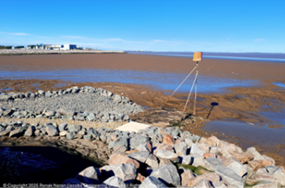
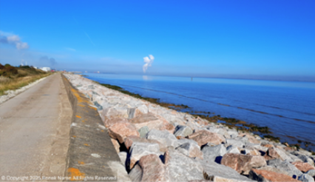
Barton to New Holland Tidal Flood Alleviation Scheme - October 2025
The business case for the project was submitted at the end of May and was approved in early August with estimated capital costs of £39m, to deliver 1300 better protected properties across three communities. In parallel, focus through the summer has been on building the programme and contract to develop the Full Business Case, including detailed design, evidence, consents and approvals. This includes an ongoing review of the best procurement strategy.
The diligent work to engage with the planners from North Lincolnshire Council early, has resulted in an agreement that most of the proposed resilience improvement along this frontage can be undertaken using the Environment Agency’s permitted development rights. This will save the project considerable development time/cost and should enable a swifter passage to construction. However, the Marine Licence and other envisaged consents need to be considered with the programme constrictions.
The ecological surveys have been completed, and the second phase of the ground investigations are to be completed through the Autumn, to reduce disturbance to the surrounding sensitive habitats. Landowners are being informed. The project’s Resilience Advisory Group continued to be informed of progress, and further guidance will be sought from the Steering Group. Funding contributions are also being sought.
-
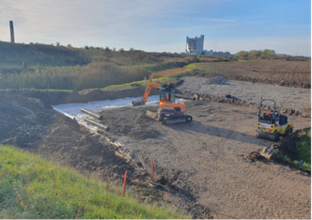
The Dutch River: River Went to Ouse Confluence
An Initial Assessment (IA) of the condition of flood defences along the Dutch River was undertaken as part of a wider strategic review of flood risk management assets in the Middle Humber area, informing the MH-CaMP programme. The Dutch River: River Went to Ouse Confluence project is a capital maintenance initiative aimed at addressing issues identified through the IA. The works will help reduce the likelihood of failure or breach, maintaining the current standard of protection provided by approximately 10km of defences on the left (northern) bank of the river.
The proposed works include topping up low spots, widening the crest, and stabilising the embankment slope at key locations. Mobilisation began in the week of 29 September, slightly later than planned, with current activity focused around the upstream end of Dutch River Side, where progress has been steady.
The scheme also incorporates improvements to the existing ‘Greenway’ pedestrian footpath and cycleway, which runs nearly 5km between Rawcliffe Bridge and Goole Docks.
-
Middle Humber - Progress Update
Following approval of an overarching Strategic Outline (business) Case in 2014, the Middle Humber Programme initially proposed a ‘Bundle 1’ comprising three work packages located on the left bank of the Dutch River upstream of Goole, and either side of the River Ouse at Reedness and Yokefleet. Our focus at the moment is on progressing the Saltmarshe to Yokefleet area.
-
Humber 2100+: Transitioning towards the next phase
Following endorsement of the Humber 2100+ ‘Understand risk’ evidence base by all partners earlier in the year, the project team have been focused on digesting the implications of the evidence base for future work and considering what further evidence might be required for the next stage. The outputs have been shared with key Environment Agency colleagues through a series of internal webinars, and partners have also been encouraged to consider what the evidence might mean for their own organisational plans and priorities. Work is continuing to develop a product to allow the outputs to be presented to wider stakeholders beyond the Humber 2100+ partnership.
In parallel, work has been underway to consider future governance arrangements for Humber 2100+, as the project moves from evidence production to the development of an adaptation pathway. A summit meeting for all partners is planned for early November at which this topic will be discussed in more detail, and a steer sought from partners.

-
The Outstrays - October 2025 Update
Celebrating completion of The Outstrays!
In September we held two successful events to celebrate completion of the scheme. The first of these was a more formal occasion attended by representatives from organisations like ERYC and the IDB along with the local MP, Graham Stuart. It started in Welwick Parish Hall with speeches made by Alan Lovell, the Chair of the Environment Agency and Associated British Port’s Regional Director, Andrew Dawes.
Guests and staff then progressed to one of the bird hides on the embankment, near to the Weeton car park, where one of the new interpretation panels was unveiled. The day ended with a visit for a small number of guests to Skeffling pumping station to meet staff working there and see firsthand the progress that is being made on this project. Scenes from the gathering at the bird hide featured on ITV’s Calendar news that night with further coverage in the Yorkshire Post and the Holderness Gazette. Refreshments for the occasion were provided by the wonderful Cakey Bakey Yum Yum.
ABP's Andrew Dawes and Alan Lovell, EA Chair, scissors in hand, ready to unveil the new interpretation panel beside the Weeton bird hide on the embankment. Photo courtesy of JBA Bentley
On the following day we held a drop-in style event for local residents and other stakeholders, inviting them to join us for a cup of tea or coffee whilst watching drone footage of the scheme, talking to project staff and then visiting the bird hide. This gave guests the chance to hear in more detail what building the scheme entailed and an opportunity to visit the site, with specialist staff on hand to answer questions and describe some of the achievements. The mood at both events was cheerful and even the weather obliged by staying dry until the end of each day, with spectacular skies seen from the embankment.
Guests walking to the bird hide with a stormy sky in the background
A view across intertidal habitat on The Outstrays that afternoon at low tide
Achievements from the scheme include:
- Over 250 hectares of compensatory habitat has been created on the site, comprising 175 hectares of intertidal saltmarsh and mudflats and 75 hectares of wet grassland.
- A new state-of-the-art flood embankment built, 5.5 kilometres in length and 5.6 metres AOD. This reduces the risk of flooding of homes and agricultural land in the local area and has enabled flood risk management work to happen in other parts of the estuary.
- 4.1 kilometres of new drains installed on the dry side of the new embankment, facilitating better drainage of the land.
- Over two and a half million tonnes of earth was moved to create the scheme and used to build the embankment. This meant that we did not have to import materials to the site; 23,000 tonnes of carbon were saved by not using the traditional ‘rock armour’ and by building a wave bund with site-won material instead.
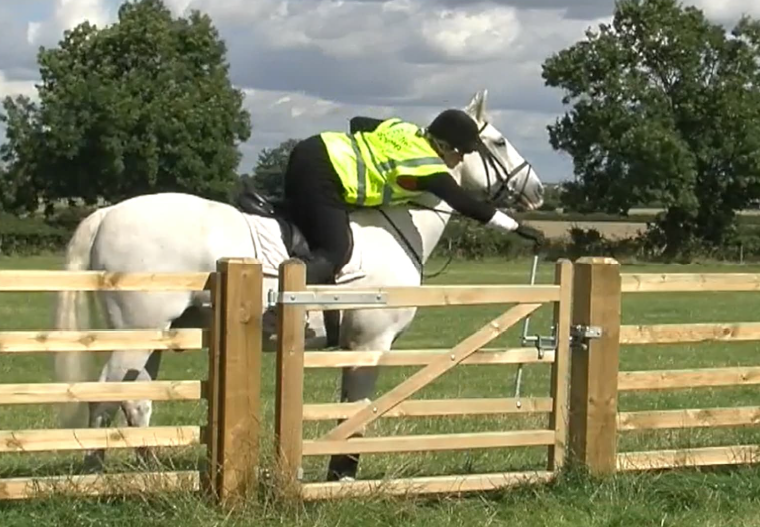
- The new path on top of the embankment is now a designated bridleway, designed to Access for All standards, with sections of Flexipave surfacing used on the ramps leading to and from the top of the embankment.
- Four new bird hides have been built to overlook the intertidal areas near Skeffling, Weeton and Welwick and the wet grassland habitat at Outstray Farm.
- One new car park installed, close to Weeton, and the other to be built once Skeffling pumping station is completed, in the works compound there.
- A total of 11,600 trees and hedgerow seedlings planted around the edges of the site to provide shelter and corridors for wildlife to pass through. This is substantially more than the original replacement target of 4,200, to replace 840 at a five to one ratio.
- Once completed, the two new pumping stations at Skeffling and Outstrays will increase pumping capacity significantly and meet standards to protect eels.
From OtSMRS to 'The Outstrays'
We have have now officially adopted the name ‘The Outstrays’ for the OtSMRS site. This was proposed by the Outstrays Recording Group, in response to our request for suggestions of a shorter name. They researched local place names and came up with this particular one, pointing out that ‘outstray’ (singular) is known locally and is possibly unique to this area. ‘Strays’ is a local name for saltmarshes which build out from a natural coastline and an
‘outstray’ is a saltmarsh formed by sediment accretion beyond a protective bank. This name seemed well suited to the site and is much shorter and easier to use.
Welcome Anthony, The Outstrays' new project manager
Some of you may have noticed, if you have been in touch with the Environment Agency’s project manager, that Anthony Kidd took over this role from Marie-Claire Spicer in the spring. Anthony is no stranger to the scheme as he has been the project manager for both Skeffling and Winestead Outstrays pumping stations since March 2023. So he is already familiar with the area and his work on the pumping stations has given him a good overview of the scheme. This will be very helpful as the project heads towards completion.
Aerial view of the Skeffling bird hide and embankment at low tide, April 2025
Anthony Kidd, Environment Agency's project managerUpdate on the main Outstrays scheme
A lot has happened on the Outstrays site during this year’s construction season! Our contractors have made good progress with finishing the main part of the scheme, aided by the dry weather in the spring and summer. The widening of the breach in the old embankment, was started in early 2024 and was finished in May this year. We will continue to monitor how well it functions during the winter.
Over the winter months the compound at Outstrays will be closed until next spring but the one at Skeffling will remain open until the end of this year. JBA Bentley staff will also be on site regularly to deal with any defects and will be replacing dead tree and hedgerow seedlings over the winter months.
Skeffling Pumping Station update
After the usual winter break, work on Skeffling pumping station restarted in March. We are pleased to report that this construction season has progressed well, with completion likely at the end of the year. During the spring and summer months JBA Bentley’s site team have worked hard to complete the pumping station structure and foundations. These will support three new pumps designed to lift and discharge water from Soak Dyke into the new intertidal habitat. A new frame for the weed screen cleaner was put in place at the end of August and eel-friendly Archimedes screw pumps installed at the beginning of September. These were followed by the kiosks that contain the electrical equipment to operate the pumps.
During October and November staff will install mains power and then carry out tests to ensure the pumps work properly. This involves checking the speed at which the pump blades rotate and setting water levels on the inlets to each pump which will activate them remotely.
Skeffling pumping station in September this year, seen from the intertidal habitat, showing the stretch of protective asphalt area, and with low flow channels to protect eels from injuryOur intention is that the pumping station should be fully operational by the end of December this year. Once this happens, we will connect the bridleway on top of the new embankment to the existing path from Kilnsea, just in time for Christmas. We can then remove the current diversion of the King Charles III England Coast Path along Long Lane so that there is a continuous path along the embankment at that end of the scheme.
Work will pause in January and February 2026 and our contractors will return in March to demolish the existing pumping station. Once this is done, the site compound will be removed and a new car park put in place later that year, completing all the access improvements at that end of the scheme.
Winestead Pumping Station
Work at Winestead pumping station has also progressed well. Over the spring and summer months JBA Bentley staff have built a raised platform for the pumping station and most of the infrastructure to support the pumps. They also began excavating the discharge channel leading into Winestead Drain. To meet environmental requirements for this site, work will stop at the end of the month and re-start in March 2026. A further season of construction will hopefully see the pumps installed and all work around them completed by the end of 2026. In 2027 the final task will be to demolish the existing Outstrays pumping station.
One advantage of JBA Bentley staff working on both pumping stations simultaneously has been that engineering challenges and lessons learnt at Skeffling pumping station can then be applied to the Outstrays one. This has improved the efficiency and speed of delivery as well as minimising the technical challenges that have been faced.
Changes to Winestead Drain
You might have noticed that the new pumping station on Winestead Drain has been moved further inland from the old location. This will ensure it is more resilient to extreme weather and climate change. One impact of this has been the loss of an area of freshwater habitat on the drain beside the new pumping station. To comply with the water environment regulations, we have replaced the habitat lost by widening Winestead Drain upstream of the pumping station. Next year we will install a series of fishing pegs along the drain, to improve access for anglers; more details will be included in the next newsletter. In the meantime we are asking everyone to stay away from this site to give the recently sown grass seed a chance to establish over the winter. We have recently had reports of some visitors digging out their own fishing pegs in the excavated area along Winestead Drain. This is illegal, damages the grass cover and could affect stability and performance of the embankment. This embankment provides an important flood mitigation measure, and the grass cover is an integral part of it, reducing the likelihood of scour and breaches.
Widening of Winestead DrainAccess on The Outstrays: Paths and Bridleways
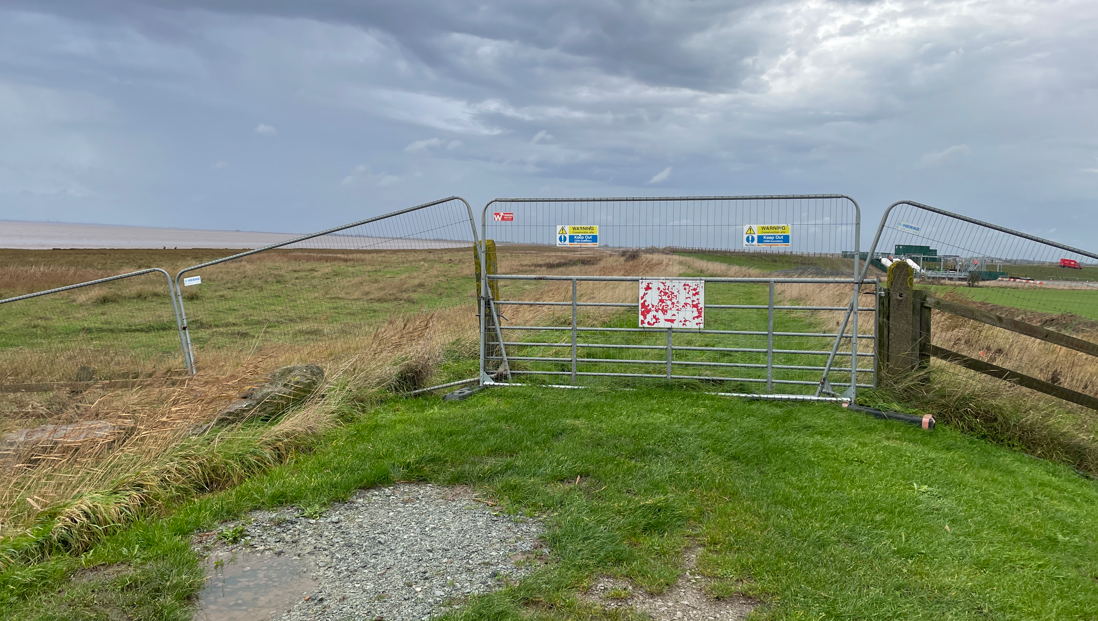
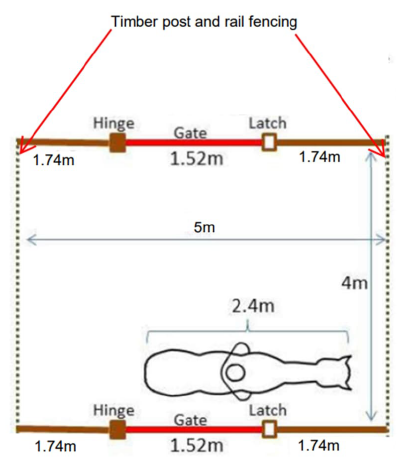
Now that work on the main embankment is completed, walkers, cyclists and horse riders can travel from Skeffling to Outstrays Farm following the route marked on the map (found on the back page of this newsletter). However, we ask everyone to stick to this route and not to venture into fenced off areas, such as the intertidal habitat or the wet grassland at Outstrays. Dogs also need to be kept out of these areas to avoid disturbing wildlife. Visitors should not climb over gates and fences where signs indicate that there is no public access. We appreciate this limits access but this is necessary to ensure the site delivers the legal requirements it was funded to provide. Further costs could impact on our delivery of other flood improvement measures, including the local pumping stations. We have received reports of people not following the marked route and entering the intertidal or wet grassland areas. If you notice this, please can you email Welwick.Skeffling@environment-agency.gov.uk to report it. It helps us to monitor the site and build up a record of where and when this is happening. It could also help us identify if there is a need for more signage on site.
Over the winter the track from the car park at Outstrays leading to Winestead pumping station will remain open. However, we anticipate that next year we’ll need to close this temporarily when work starts to excavate the inlet and outlet channels for the new pumping station. We still need to work out how and when this will be done but, given the space constraints beside the drain, it’s unlikely that we will be able to find a diversionary route. We know that many people enjoy walking along this track and will update you on our plans for this.
Finally, motorbikes have recently been spotted racing at speed along the embankment track. If you see this happening live when you are on site, please phone the 999 emergency number for the police; use of this number is justified as this behaviour is considered to pose a risk to the public. If you can collect information such as number plates and make of the bikes, please pass this on too. If you encounter evidence of motorbikes after they have been on site, you can report it on the 101 number or online via Home | Humberside Police. You should quote the most recent incident report number: VCN-7153-25-1616-IR.
Finding a site manager for The Outstrays
We continue to make preparations to find an appropriate organisation to manage The Outstrays, working closely with Associated British Ports to find a way to do this as a single contract which will cover both ABP and Environment Agency-owned land. This process is taking longer than expected due to changes last year in government procurement rules.
However, we are hopeful that we’ll make good progress with this in 2026. In the meantime,
JBA Bentley’s ecology team will continue to monitor a range of environmental variables on the site. This will give us a baseline record of changes as the intertidal area and wet grassland habitat evolves. This will be complemented by records of wildlife sightings supplied by The Outstrays Recording Group whose volunteers visit the site weekly to record species of birds, animals and insects on the site.
Once a site manager is in post, we hope to publish annual reports, sharing the results of monitoring activities and data collection from the site.
New interpretation panels for the site
It has taken a long time but we have finally made progress with designing and installing interpretation panels for the site. The first ones were put in place in early September. The remainder will be installed before the end of this year. They include ‘welcome’ panels at the main entry points to The Outstrays, each with a map of the site, ‘habitat’ panels for the four bird hides and Haverfield showing what wildlife you might see at each location, and ‘heritage’ panels for the Roman/medieval site and the World War Two battery. Local artist Larry Malkin contributed a piece of artwork to one of the heritage panels, illustrating what the ruins of Burstall Garth might have looked like. Along with the lost village of Pensthorpe, this is now somewhere out in the estuary, illustrating how the Humber coastline is constantly changing.
Larry Malkin's drawing of Burstall Garth, inspired by the 1721 sketch by Samuel and Nathaniel Buck. The building was on the site of the Burstall PrioryA new home for scheme updates
Although we no longer have a website dedicated to the project, you can find updates about our work here on the Humber2100+ Engagement HQ site. For those of you who receive the project newsletter by email, we currently send this as a PDF attachment to an email. In future we will send an email containing a link to the latest updates, taking you directly to the new project space mentioned above. This offers us the ability to provide a project update in a format that adapts to the device or platform on which you view it, improving accessibility for everyone. Anyone who requested a postal newsletter will continue to receive it in this format.
An evolving site
In June this year the grassland in West Two became a field of daisies, as the photo opposite shows. This was because nesting birds in that part of the site prevented our contractors from cutting the grass earlier in the year. This created an amazing sight of a huge expanse of wild daisies.
Survey of stakeholder views
A few months ago we secured some funding to research the views of stakeholders, especially local residents, with the intention of learning lessons from our engagement work on the managed realignment scheme. We have now received the draft report from this research and will use the findings to inform future Environment Agency projects, especially ones in coastal locations where a changing climate is affecting communities. We’d like to thank everyone who took the time to fill in the online survey or be interviewed; your contribution is greatly appreciated.
West 2 daisiesAsk us a question for our FAQs
We have gathered a number of questions about the scheme from our celebratory events last month and also from visitors who have spoken with our contractors as construction progressed. We will include these in a Frequently Asked Questions section in the next newsletter. So if you have a question you want to ask, please email us before the end of November to have it included in the FAQs.

Contact Us
Environment Agency
For enquiries, you can contact us by email: Welwick.Skeffling@environment- agency.gov.uk. Or by phoning our National Customer Contact Centre on 03708 506506 and asking for Anthony Kidd, Project Manager, or Nikky Wilson, Engagement Specialist.
JBA Bentley
For enquiries about the work on site, contact Paul Craig, the site manager on 07837 454048.
He will continue to take calls during the winter when the site compound at Outstrays is closed.
-
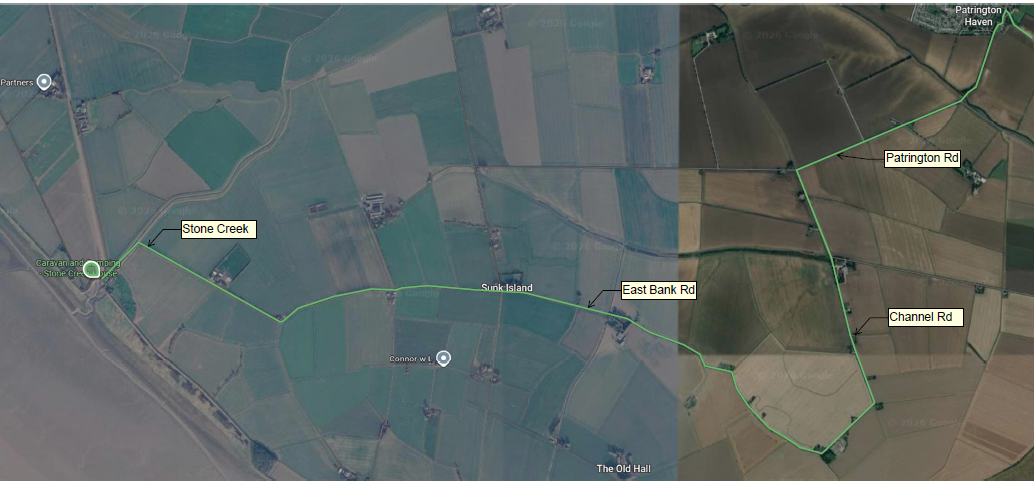
Sunk Island: Exploring Resilience
The Sunk Island: Exploring Resilience project aims to gather evidence on how a shift towards regenerative agriculture could support a transition to a more climate resilient future. By considering the interplay between social, economic and environmental factors we aim to identify actions that support long-term sustainable outcomes.
We have worked in collaboration with local graziers to trial different approaches on Environment Agency owned land that is subject to tidal flooding. The experiences, challenges and benefits, have been shared with others across the Humber region and beyond. Expanding our knowledge and evidence will also support Environment Agency and other organisations' work with rural and agricultural communities at the front line of these impacts.
This project is supported by Local Levy, through the Yorkshire Regional Flood & Coastal Commitee.
Related projects:
- Changing Coasts East Riding project
- Lower Witham Sustainable Recovery Pilot project | Lower Witham Flood Resilience Project | Engage Environment Agency

-
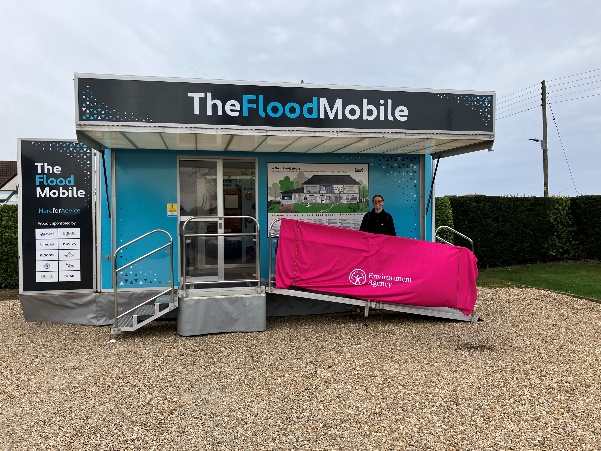
'Flood Ready Eddie' Launches in North East Lincolnshire!
The Environment agency (EA) are testing a new way to engage in North East Lincolnshire by using Flood Ready Eddie - an interactive AI chatbot.
Residents can have a ‘chat’ by scanning a QR code or sending a text to find out how to be prepared for flooding. For example how to sign up to the Flood Warning Service, what to put in an emergency bag and how to monitor river levels online.
To have a 'chat' with Eddie, please see this direct link https://api.hlpst.app/qr/agent/1538/?db=uk or scan the QR code below!
There are more than 36,000 properties at risk of flooding from the rivers or sea in North East Lincolnshire. Just under 4,000 (11%) are proactively signed up to the Flood Warning Service. Around 23,000 (63%) can be reached with a message to a BT landline or text thanks to an agreement with some mobile phone providers. However, there are just over 9,000 (26%) that the EA have no contact details for.
The EA's Flood Resilience Team are calling on communities and organisations to help support the support the initiative with tailored social media, information on websites or by displaying postcards in key locations. If you can help, please contact the Flood Resilience Team frt.lincsandnorthants@environment-agency.gov.ukHappy chatting!

-
Key milestone reached for Humber 2100+
The Humber 2100+ ’Understand Risk’ evidence base has now been endorsed by all members of the partnership. This is a key milestone for the project as these outputs form the basis for understanding strategic flood risk across the Humber going forwards and enable us to work together on an adaptive approach to managing tidal risk across the interconnected estuary system.

The outputs from Understand Risk will inform the next stages of the project, as well as shaping our ongoing investment on the ground. The project team and partners are currently focused on moving into ‘Agree approaches’ (Step 2), with a number of key areas of work progressing. These include reviewing our governance arrangements to ensure they are still appropriate as we move into the next stage of the project; consideration of the evidence required to produce ‘approaches’ for managing tidal flood risk; and reflections on the lessons learned from Understand Risk. The partnership is also working on ways to present the Understand Risk outputs to the wider public.

-
Outstrays to Skeffling Managed Realignment (OtSMRS) - Widening the breach
The site continues to attract visitors, and formal opening events are being planned for later in the year, by which time the interpretation and welcome boards are planned to be in place.
Following the expected breach erosion over the winter, work began in April on additional work to widen the breach area to enable the tidal water to leave the site more quickly between tides. This has made a significant improvement to the reduction of water on the site. This can be seen in the pictures below taken on 14th May, we will continue to monitor progress.
Skeffling and Winestead pumping station works are both continuing to progress well with the recent good weather we have had. Skeffling pumping station is expected to be complete by the end of this winter.
08:04 showing higher water levels
17:55 showing reduced water levels -
Middle Humber - Capital Maintenance Programme (MH-CaMP) - Work to secure approvals continues
We continue to progress the development of the project to enable investment in maintaining our flood risk management assets in the Middle Humber area. The initial bundle will be delivered in 3 work packages, one on the left-bank of the Dutch River upstream of Goole and then one either side of the River Ouse at Reedness and Yokefleet. We are working on the business case and the approvals needed to proceed and this is expected to take until next summer to complete. Once the first package is underway, we will start work to secure the approvals for the second package of works

Signup Banner
Follow Project
Follow us on social media
About the project
Why do we need a new tidal strategy for the Humber?
The Humber: A National Asset
News Categories
- Barton to New Holland (3)
- Beckingham Marshes (2)
- Dutch River (Went to Ouse) (1)
- Humber 2100+ Updates (3)
- Middle Humber (3)
- Skeffling (3)
- Stallingborough (2)
Contact us
-
Project Team