The Humber: A National Asset
Environment and Nature
A natural asset
The Humber Estuary is recognised as one of the most important estuaries in Europe for nature conservation. It is protected by multiple international designations; the estuary is a Special Area of Conservation (SAC), Special Protection Area (SPA) and a Ramsar site, which means it is seen as an internationally important wetland. The estuary also has national designations such as Sites of Specific Scientific Interest (SSSI).
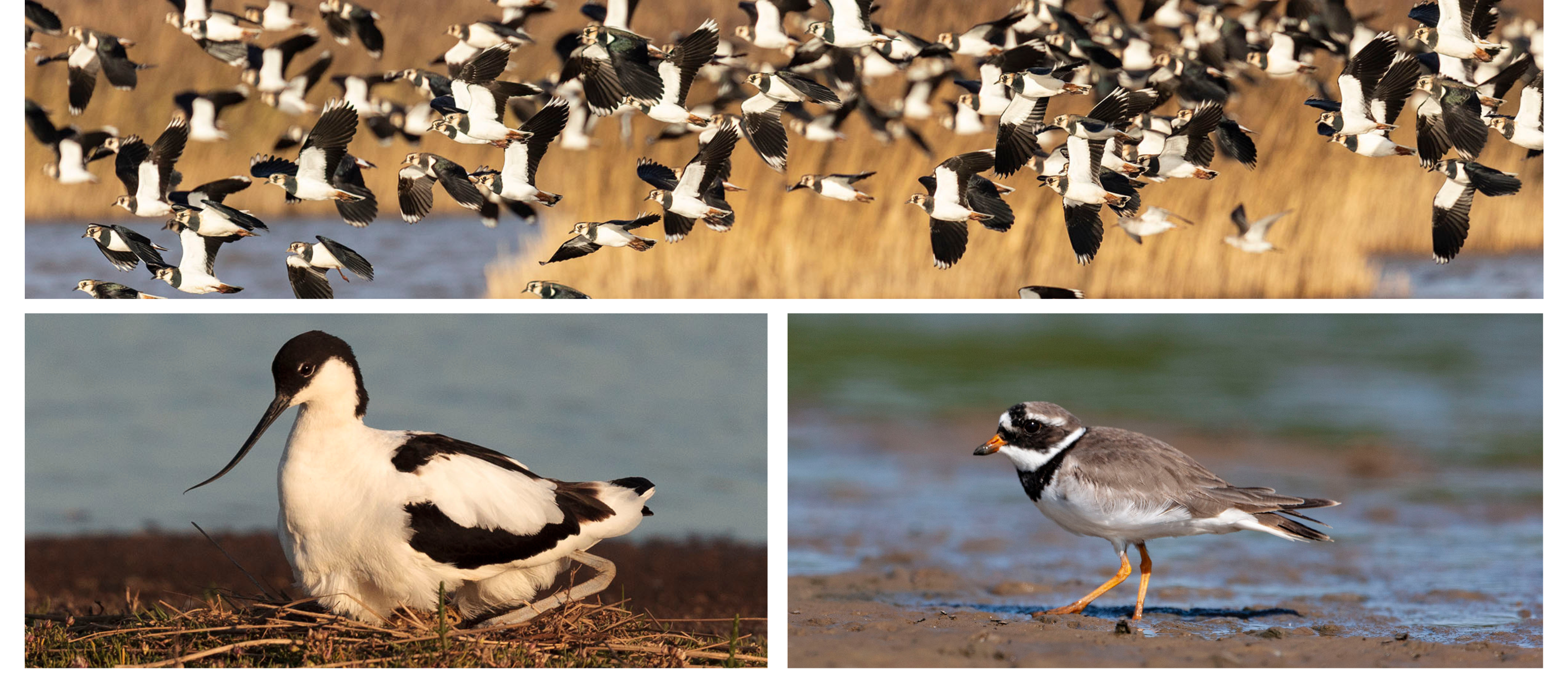
The estuary consists of a mosaic of habitats including mudflats, saltmarsh, coastal lagoons, peatlands and sand dunes. These habitats support a diverse range of wetland birds including avocet, lapwing and ringed plover.
It is a legal obligation under the Habitats Regulations to replace the habitat lost due to coastal squeeze as we improve defences and sea levels rise.
In recent years, under the current Humber Strategy, habitat creation schemes have been delivered in various locations around the estuary, including Paull Holme Strays, Alkborough Flats, Donna Nook, and Skeffling to compensate for habitat losses. Further inland, there are a range of other nature conservation sites, such as the River Derwent SAC, SPA and SSSI which supports a range of waterfowl as well as rare plants and fish.
What is 'Managed Realignment'?
Managed realignment involves constructing a new defence line further inland and breaching/removing the old defence, so that sea water can enter the site to create compensatory mudflat and saltmarsh habitat.
By providing space for habitats to develop more dynamically, this sustainable flood risk management approach has multiple environmental and socio-economic benefits and, in the case of Alkborough Flats, can also help reduce local flood risk.
Alongside managed realignment sites created via the Humber Strategy, Associated British Ports (ABP) have also delivered schemes at Chowder Ness and Welwick.
What is 'Coastal Squeeze'?
Coastal Squeeze is the loss or degradation of natural habitats due to man-made structures, or actions, that prevent the landward migration of habitats which would otherwise naturally occur in response to sea level rise and other related coastal processes.
Play the short animation below to find out more about the implications of coastal squeeze.
Business, Industry and Growth
Business, industry and growth
Businesses and industries have based themselves around the Humber for hundreds of years, attracted by the easy access to resources that the estuary and its ports provide.
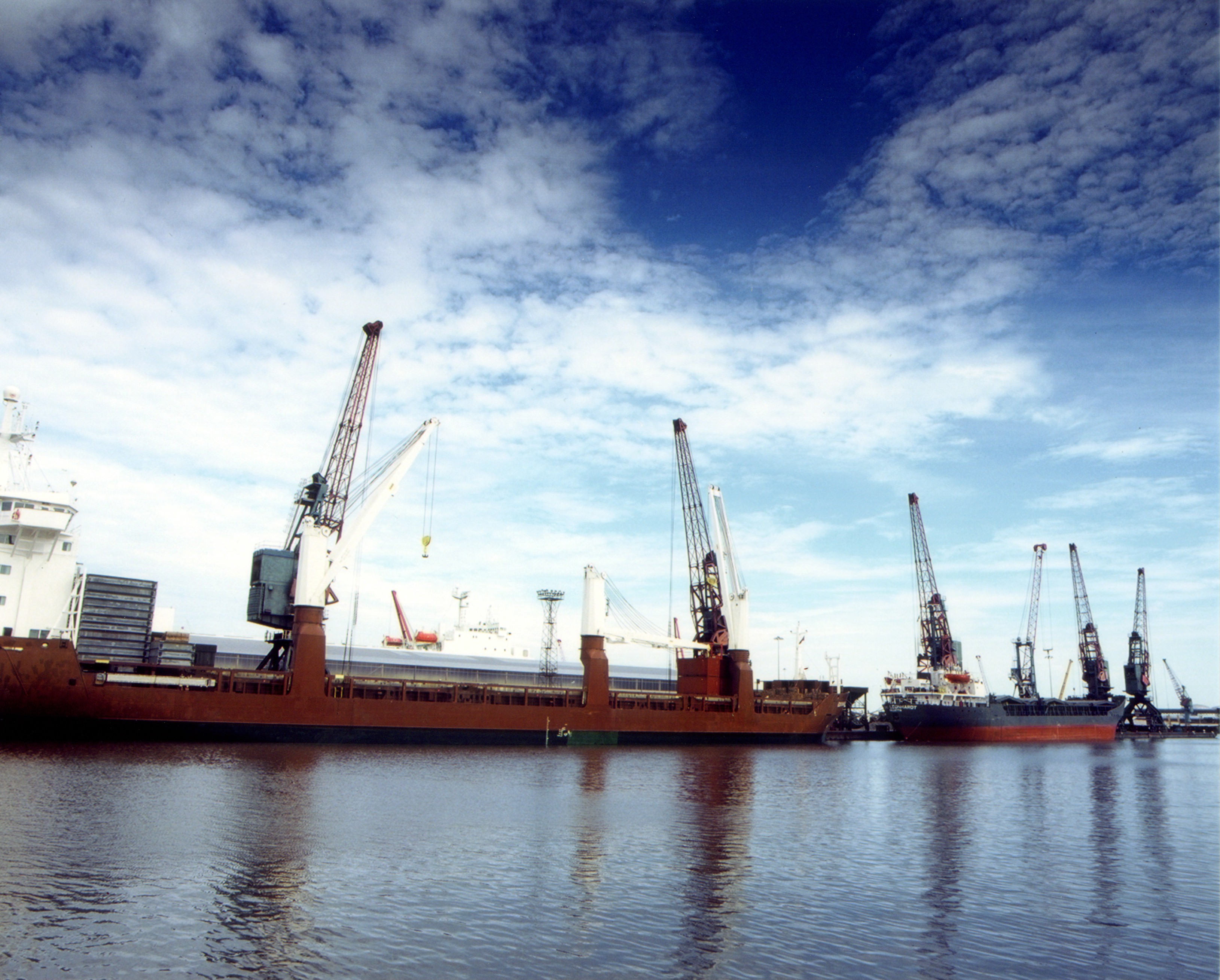
As the home of the UK’s largest port complex (by tonnage), the Humber estuary is the eastern gateway to the north of England. Ports at Grimsby, Immingham, Hull and Goole are a key trade gateway, linking the UK market with those in Europe and beyond. Almost a quarter of the UK's seaborne trade passes through the Humber, as well as a large amount of the country's natural gas and refined petroleum.
The Humber contributes to a large proportion of the UK’s power. The area has attracted an impressive number of energy producers and fuel manufacturers, as well as high energy users in the process, manufacturing and chemical sectors. Two of the UK's six oil refineries are based around the estuary.
The Humber is also establishing itself as an exemplar region for the growth of clean energy and it is at the forefront of the offshore wind sector following large investments. The Humber sees itself as central to 50% of the UK’s offshore wind projects – that’s a lot of power!
Transport and Tourism
Getting around
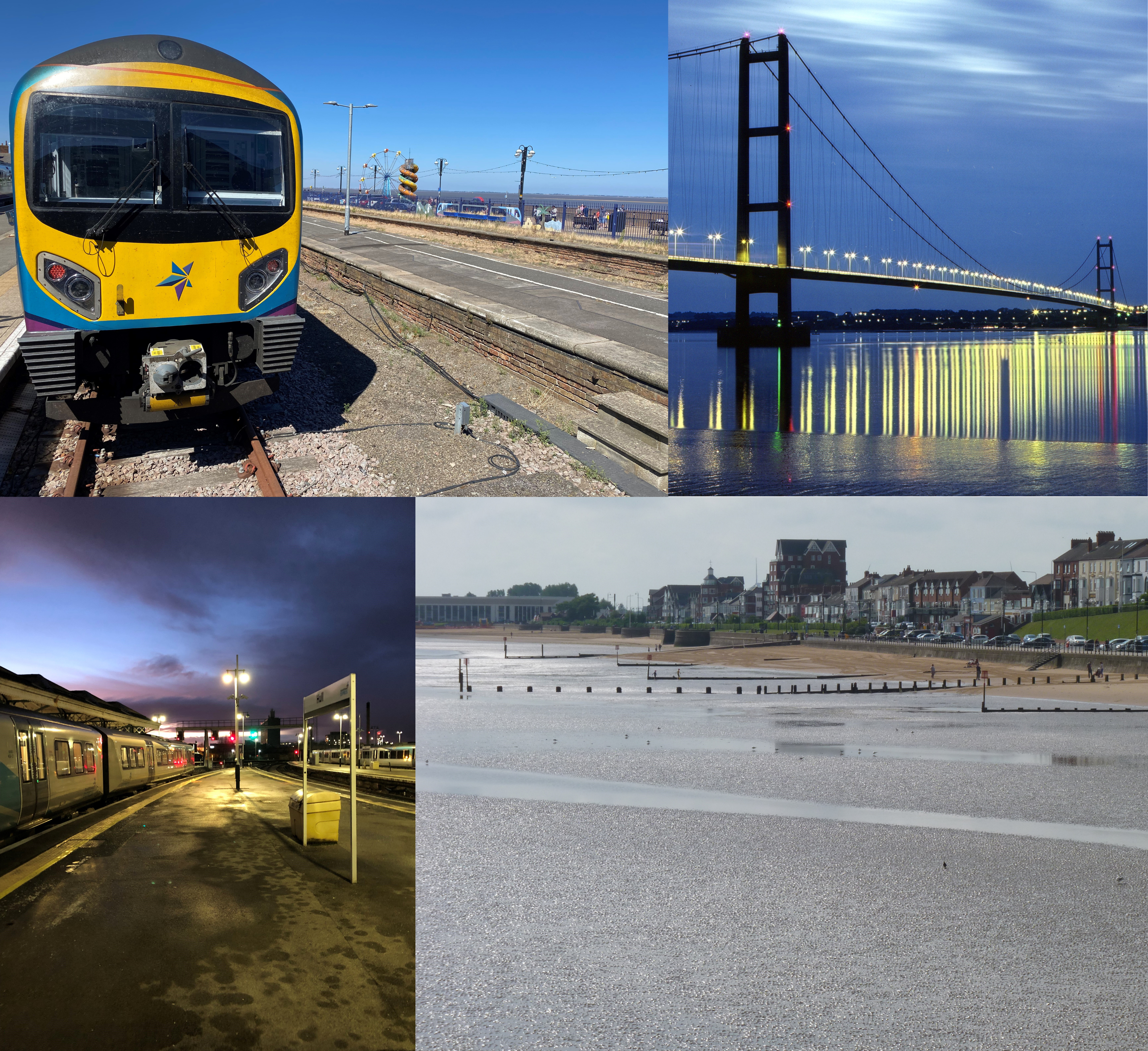
The hub of industry around the Humber is supported by vital transport infrastructure, including around 800km of railway links and 600km of major roads, including the iconic Humber Bridge.
This transport infrastructure is fundamental for the operation of the ports, enabling the transport of resources and materials to/from locations across the country, as well as benefitting the thousands of people that live and work around the estuary.
The place to be
The transport networks also bring visitors to the Humber, supporting the local tourist industry. The region is becoming an important cultural destination – Hull was awarded the UK’s City of Culture 2017 – and seaside resorts such as Cleethorpes remain popular with holiday makers.
Food and Agriculture
Food for thought
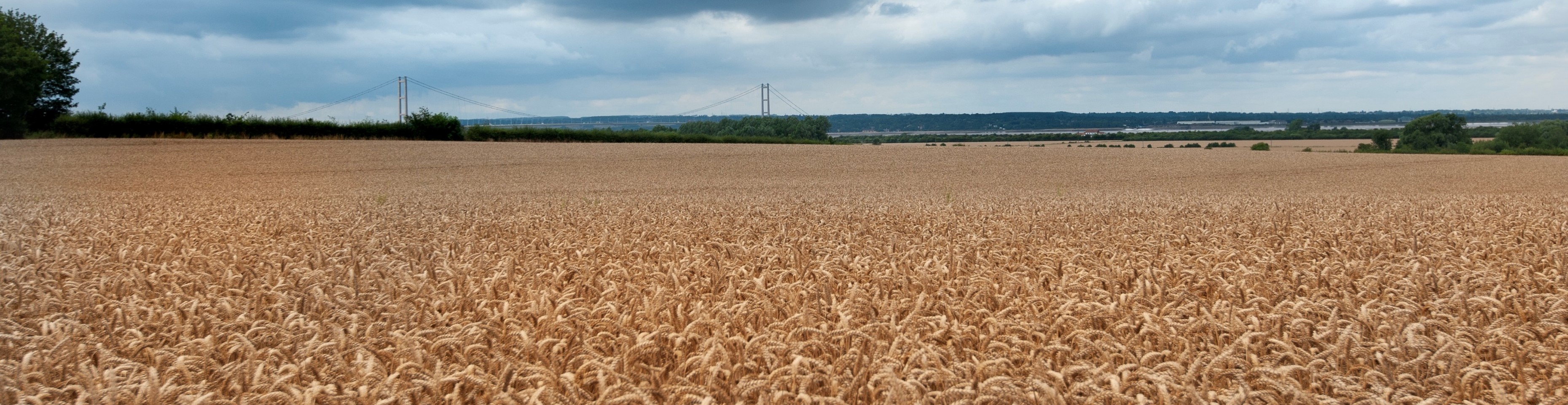
There are over 160,000 hectares of agricultural land around the Humber estuary and much of this is high-grade, which means it is amongst the best land in the UK for growing crops. The scale of the Humber’s food and agricultural sector is made possible by local farming infrastructure, such as pumping stations and drainage channels. These are required to keep the land dry enough for growing crops.