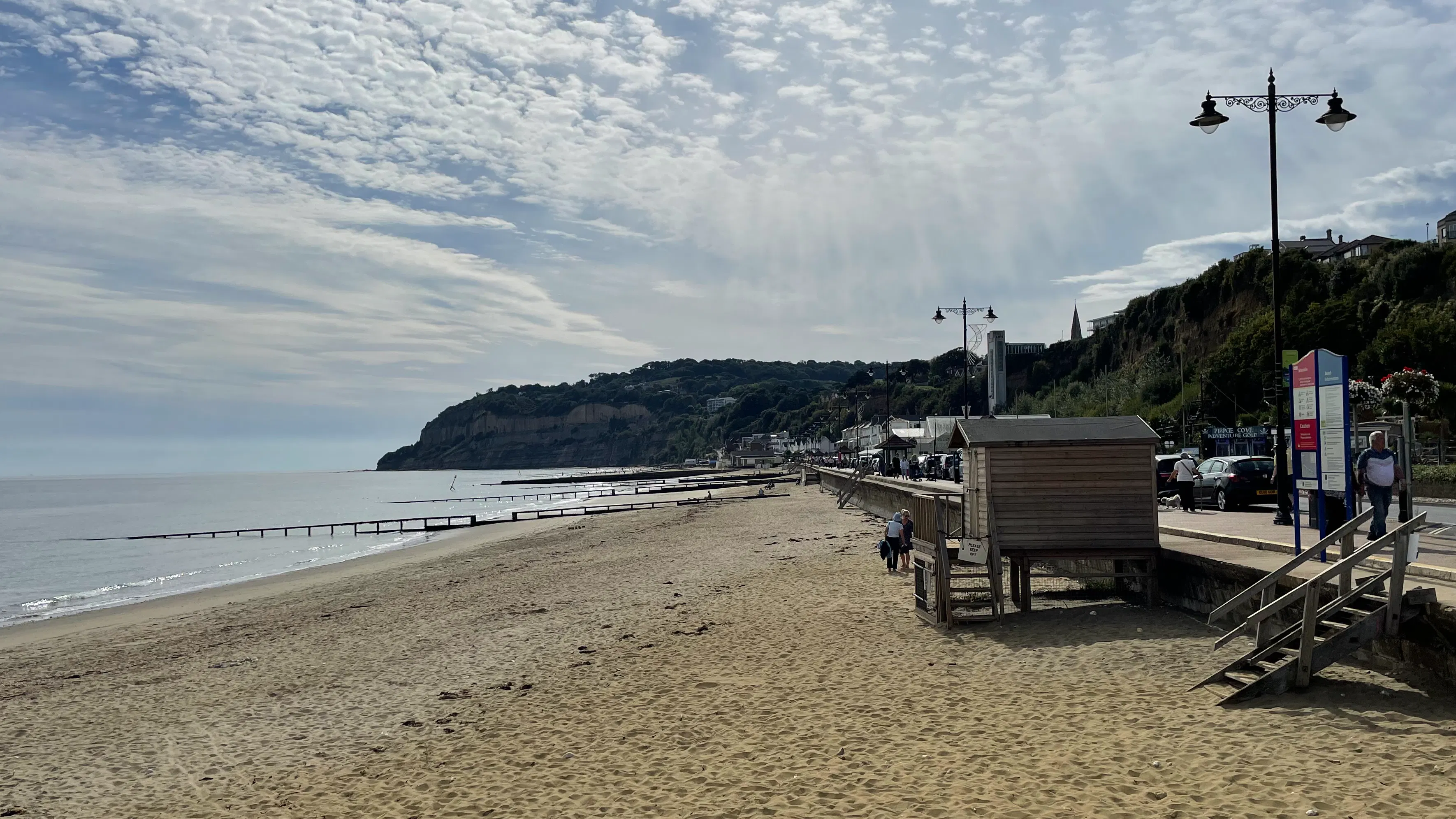
Shanklin Coastal Defence Scheme
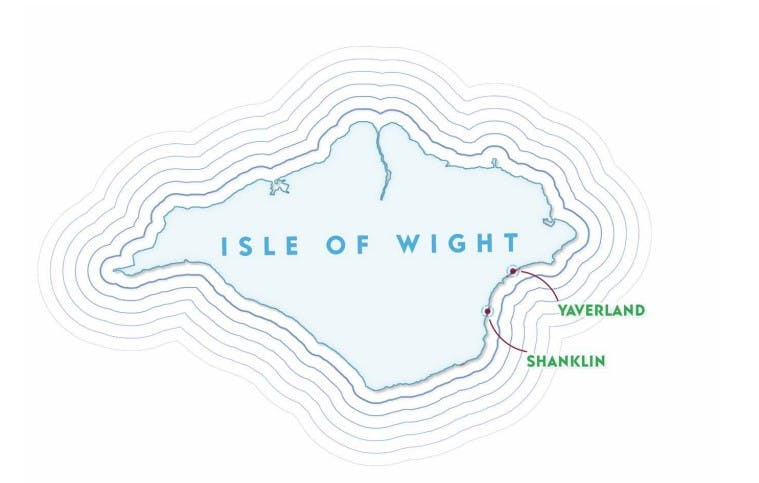
The Environment Agency, are working in partnership with the Isle of Wight Council to explore a sustainable future for the coastal frontage at Shanklin Esplanade, located on the eastern coast of the Isle of Wight.
With current coastal defences reaching the end of their useful life, plans are progressing plans to upgrade 900m of coastal defences to reduce the impact of coastal flooding and erosion for the next 50 years. This scheme will better protect homes, businesses and infrastructure and provide over £80 million worth of benefits to people, property and the environment.
We are currently working on the detailed design for the scheme. We will continue engaging with the community during this phase to answer your questions, hear your ideas and share your feedback.
How To Get Involved
Join the Coastal Community Group
Want to have your say about the coastal defence schemes in The Bay? Our next in-person meeting will be held at Falcon Cross Hall Shanklin on the 11th February. We will be sharing updates and welcoming questions and suggestions from the group.
If you would like to register your interest to participate in or present to the Sandown Bay Coastal Community Group for the Shanklin and Yaverland Coastal Defence Schemes, please
Register for updates
Stay up to date with the Shanklin Coastal Defence Scheme using the 'Subscribe' button. This will add you to our mailing list for notifications when we release any significant updates or announce events. You can also come back to visit this page at any time and check the 'Newsfeed' section below which will be regularly updated with news and project progress.
Register with Engagement HQ by clicking the 'Register' button in the side information bar. This will enable you to interact with our page by sharing your ideas and asking a question in the sections below.
Sign up to our Newsletter
Want to receive updates on this project or other coastal defence projects across the Isle of Wight?
Email us at IOW_FDschemes@environment-agency.gov.uk(External link)(External link) and let us know which projects you're interested in, and we'll add you to our mailing list.
To help you understand the work we have done so far:
Have a look at our 'Project Timeline' which sets out our journey from 2020 to today, including the key milestones we have reached!
Click on our 'Exhibition Material' to find the information posters displayed at previous public events.
Read our 'Project Newsletters' to find out what we have been working on.
View our 'Consultations' section to read our responses to your feedback and questions.
The Environment Agency, are working in partnership with the Isle of Wight Council to explore a sustainable future for the coastal frontage at Shanklin Esplanade, located on the eastern coast of the Isle of Wight.
With current coastal defences reaching the end of their useful life, plans are progressing plans to upgrade 900m of coastal defences to reduce the impact of coastal flooding and erosion for the next 50 years. This scheme will better protect homes, businesses and infrastructure and provide over £80 million worth of benefits to people, property and the environment.
We are currently working on the detailed design for the scheme. We will continue engaging with the community during this phase to answer your questions, hear your ideas and share your feedback.
How To Get Involved
Join the Coastal Community Group
Want to have your say about the coastal defence schemes in The Bay? Our next in-person meeting will be held at Falcon Cross Hall Shanklin on the 11th February. We will be sharing updates and welcoming questions and suggestions from the group.
If you would like to register your interest to participate in or present to the Sandown Bay Coastal Community Group for the Shanklin and Yaverland Coastal Defence Schemes, please
Register for updates
Stay up to date with the Shanklin Coastal Defence Scheme using the 'Subscribe' button. This will add you to our mailing list for notifications when we release any significant updates or announce events. You can also come back to visit this page at any time and check the 'Newsfeed' section below which will be regularly updated with news and project progress.
Register with Engagement HQ by clicking the 'Register' button in the side information bar. This will enable you to interact with our page by sharing your ideas and asking a question in the sections below.
Sign up to our Newsletter
Want to receive updates on this project or other coastal defence projects across the Isle of Wight?
Email us at IOW_FDschemes@environment-agency.gov.uk(External link)(External link) and let us know which projects you're interested in, and we'll add you to our mailing list.
To help you understand the work we have done so far:
Have a look at our 'Project Timeline' which sets out our journey from 2020 to today, including the key milestones we have reached!
Click on our 'Exhibition Material' to find the information posters displayed at previous public events.
Read our 'Project Newsletters' to find out what we have been working on.
View our 'Consultations' section to read our responses to your feedback and questions.
-
Strong Community Conversations – Coastal Community Group Success
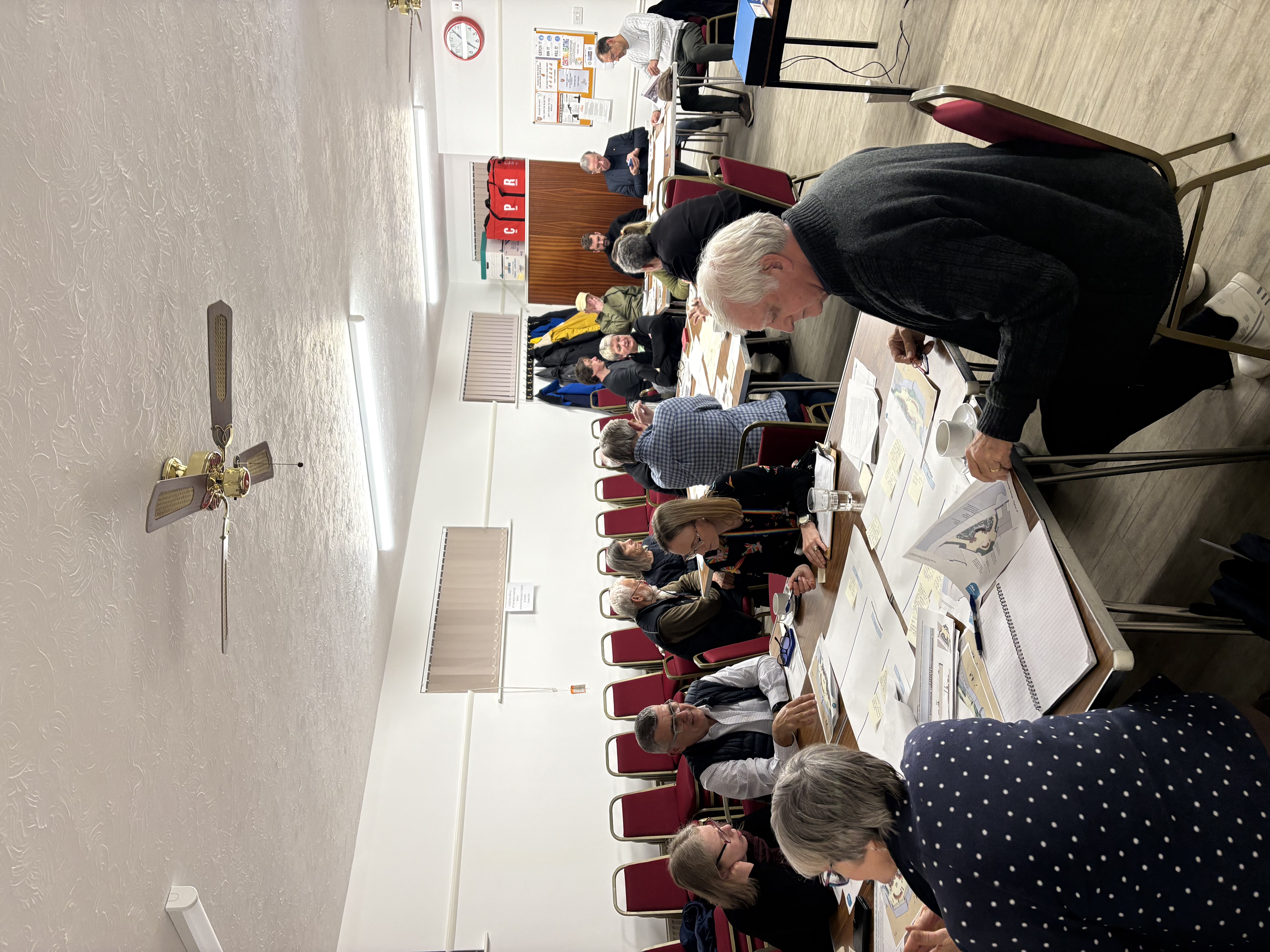
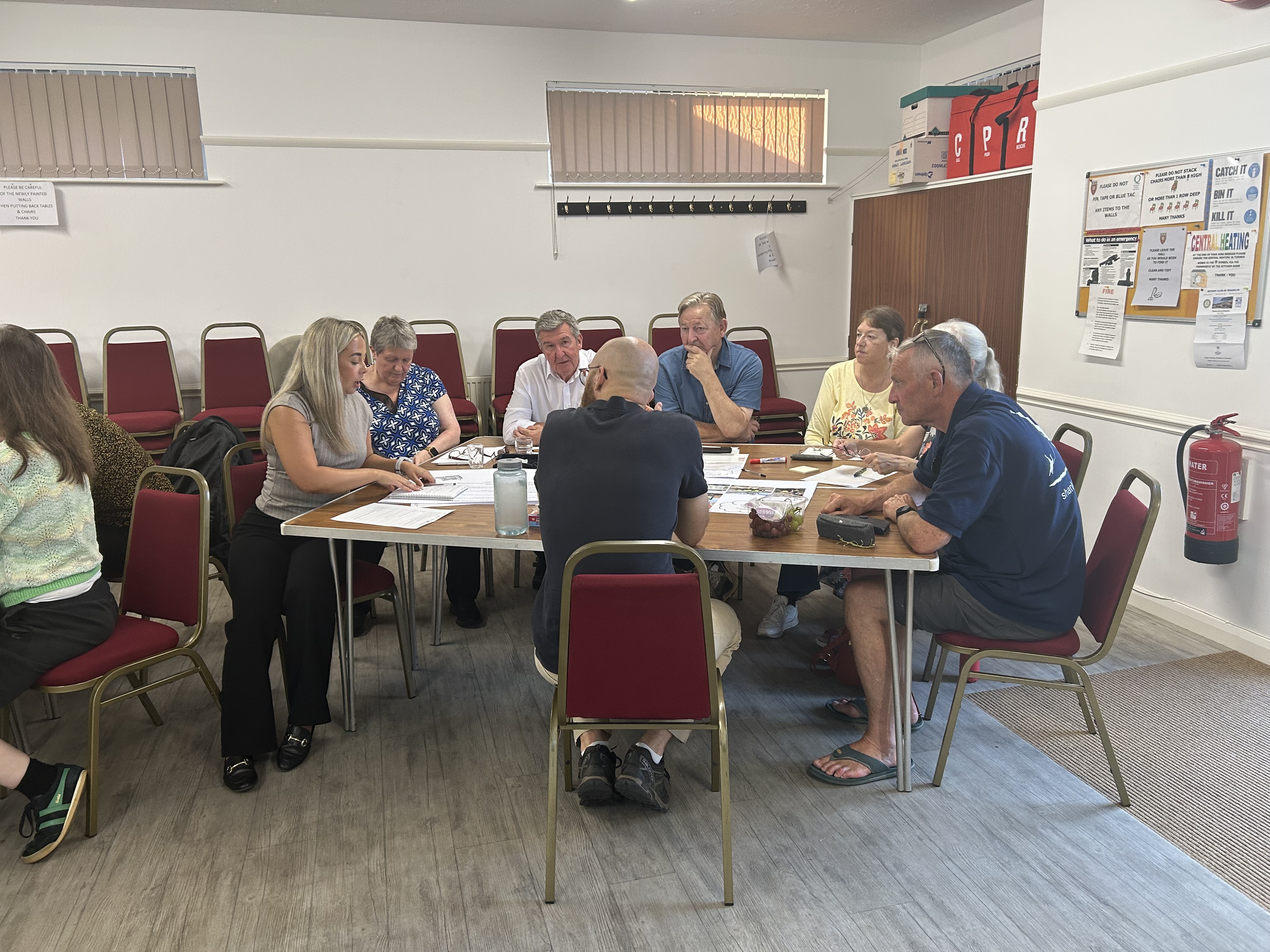
Engagement through The Bay Coastal Community Group continues to be a key part of how we shape the Shanklin & Yaverland Coastal Defence Scheme.The group was launched in September 2025 to create a dedicated space where residents, businesses, councillors and community representatives can speak directly with the project team. Since then, we have successfully held two meetings, with the most recent taking place in February 2026.
These sessions have provided an open and constructive forum to discuss the scheme’s progress, raise questions, share local knowledge and explore concerns or opportunities together. Having these conversations early and regularly helps ensure the project is informed by local experience and reflects what matters most to the people who live, work and visit the Bay.
Feedback and discussion from both meetings have been extremely valuable. Community insights are helping us refine how we communicate, think about access and local impacts, and plan future engagement as the design continues to develop. The group also plays an important role in building trust and transparency as the project moves forward.
We are pleased with how positively the group has been received and how collaborative the discussions have been so far. A third meeting is planned for Summer 2026, and we would very much welcome new members who would like to be involved.
If you are interested in joining The Bay Coastal Community Group or finding out more, details are available on this page.
Engagement through The Bay Coastal Community Group continues to be a key part of how we shape the Shanklin & Yaverland Coastal Defence Scheme.The group was launched in September 2025 to create a dedicated space where residents, businesses, councillors and community representatives can speak directly with the project team. Since then, we have successfully held two meetings, with the most recent taking place in February 2026.
These sessions have provided an open and constructive forum to discuss the scheme’s progress, raise questions, share local knowledge and explore concerns or opportunities together. Having these conversations early and regularly helps ensure the project is informed by local experience and reflects what matters most to the people who live, work and visit the Bay.
Feedback and discussion from both meetings have been extremely valuable. Community insights are helping us refine how we communicate, think about access and local impacts, and plan future engagement as the design continues to develop. The group also plays an important role in building trust and transparency as the project moves forward.
We are pleased with how positively the group has been received and how collaborative the discussions have been so far. A third meeting is planned for Summer 2026, and we would very much welcome new members who would like to be involved.
If you are interested in joining The Bay Coastal Community Group or finding out more, details are available on this page.
-
Listening to Young Voices – School Engagement Across the Island
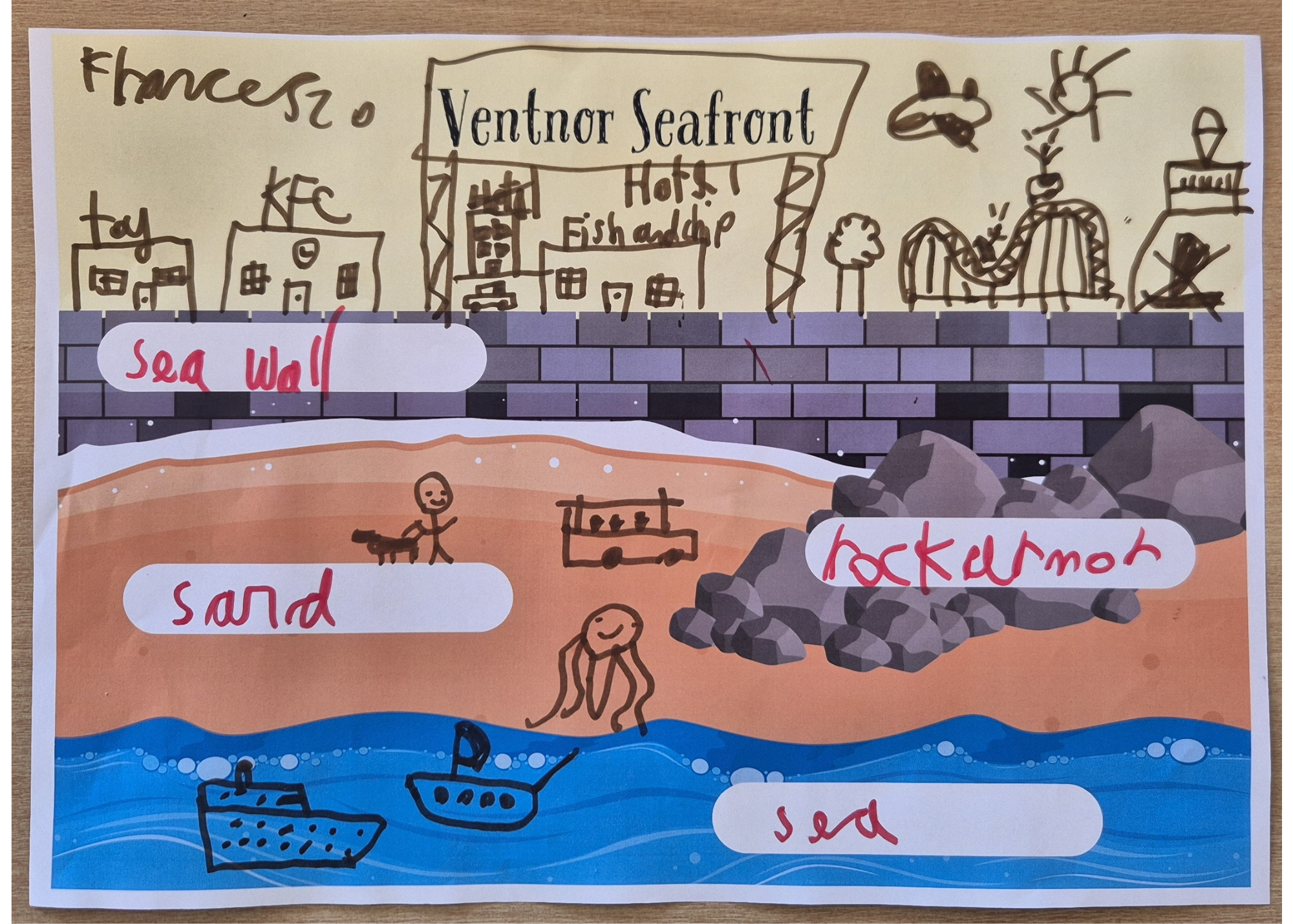
We recently delivered a series of interactive school workshops across the Isle of Wight as part of the Shanklin & Yaverland Coastal Defence Scheme, working with around 160 pupils to explore coastal erosion, coastal defences, and what the Island’s coastline means to them.
Engaging with children and young people is a vital part of this project. The decisions we make today will shape the coastline for decades to come, and it is this generation who will live with, use and care for these places in the future. By involving pupils early in the process, we can better understand what matters to them and ensure their voices help inform long‑term, sustainable coastal solutions.
The sessions revealed a strong emotional connection between young people and the Island’s beaches. Pupils shared thoughtful and imaginative ideas for the future coastline, including safe swimming spaces, wildlife protection, areas for play, and places to meet and socialise. Their ideas highlighted how the coast is valued not just as a physical space, but as an important part of daily life, wellbeing and identity on the Island.
These insights are helping to broaden our understanding of how the coastline is experienced by younger generations and will inform ongoing engagement and design thinking as the project progresses.
If you would like to read more about what pupils told us, a full summary report is available in the Downloads section of this page.

We recently delivered a series of interactive school workshops across the Isle of Wight as part of the Shanklin & Yaverland Coastal Defence Scheme, working with around 160 pupils to explore coastal erosion, coastal defences, and what the Island’s coastline means to them.
Engaging with children and young people is a vital part of this project. The decisions we make today will shape the coastline for decades to come, and it is this generation who will live with, use and care for these places in the future. By involving pupils early in the process, we can better understand what matters to them and ensure their voices help inform long‑term, sustainable coastal solutions.
The sessions revealed a strong emotional connection between young people and the Island’s beaches. Pupils shared thoughtful and imaginative ideas for the future coastline, including safe swimming spaces, wildlife protection, areas for play, and places to meet and socialise. Their ideas highlighted how the coast is valued not just as a physical space, but as an important part of daily life, wellbeing and identity on the Island.
These insights are helping to broaden our understanding of how the coastline is experienced by younger generations and will inform ongoing engagement and design thinking as the project progresses.
If you would like to read more about what pupils told us, a full summary report is available in the Downloads section of this page.
-
Designing for Nature – Artecology Co‑Create Workshop
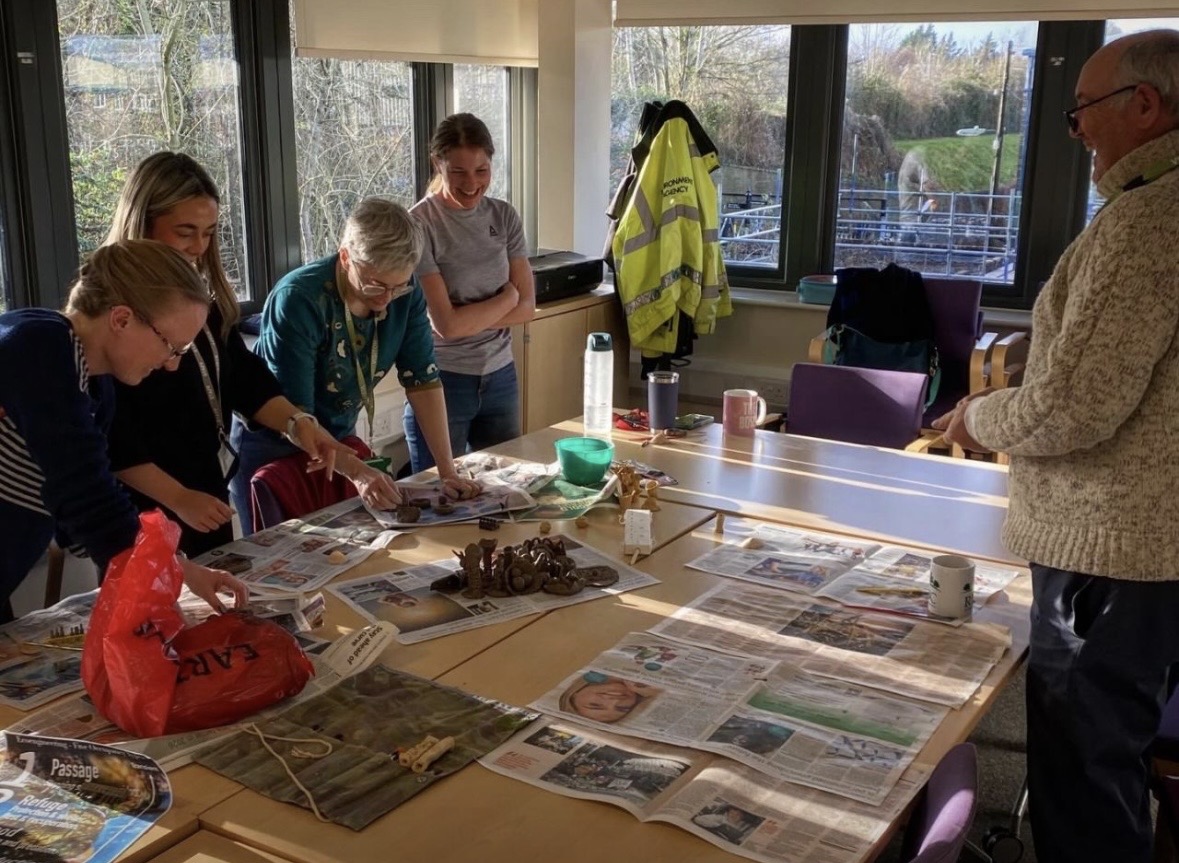
Our Coastal Defence team recently took part in a hands‑on co‑create workshop with Artecology, a not‑for‑profit organisation based on the Isle of Wight that specialises in nature‑inclusive design and eco‑engineering.Founded in 2013 and working from within the Isle of Wight UNESCO Biosphere Reserve, Artecology brings together ecological science, engineering and creative practice to design infrastructure that actively supports wildlife. Their work focuses on ensuring that essential structures—such as sea defences, walls and drainage systems—can also function as habitats, helping nature to thrive rather than be displaced.
What makes Artecology different is how they work. They use hands‑on, democratic and collaborative processes, involving designers, engineers and communities directly in shaping practical ecological solutions. Their projects deliver real, measurable environmental benefits, embedded directly into the built environment.
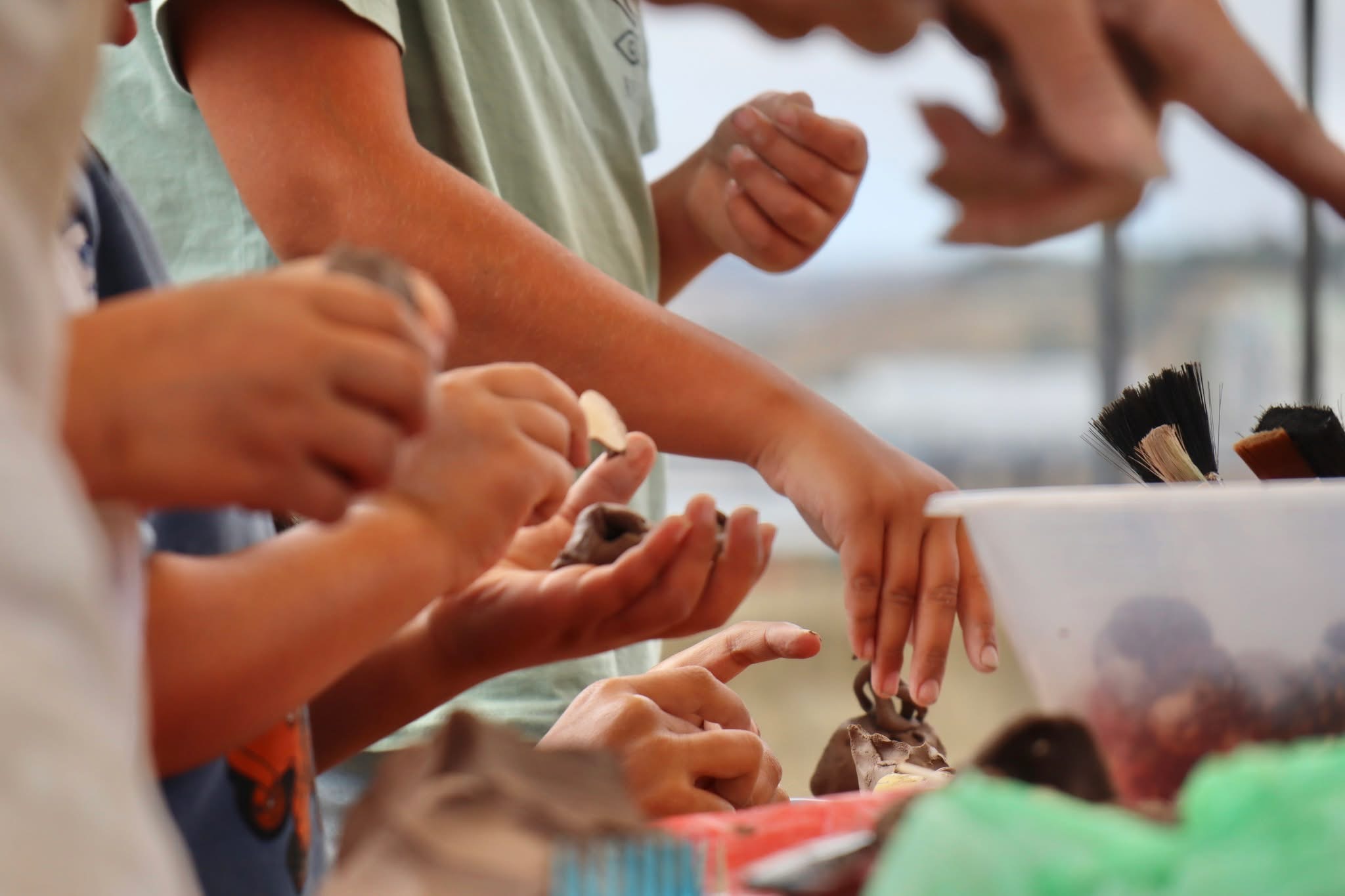
During the workshop, our team explored how small, thoughtful design details can make a big difference for coastal and marine life. Using clay, we created bioreceptive sculptures with carefully designed textures, grooves and footholds. These features encourage marine species to attach, shelter and grow. The sculptures have now been fired and are drying, ready for potential use in future environmental interventions.
Once installed, these pieces could form part of vertipools and other tide‑friendly features, designed to mimic natural rock formations. These structures can provide shelter, feeding spaces and attachment points for marine life, supporting healthier and more diverse coastal ecosystems.
This collaborative work supports our ambition to embed ecological enhancement directly into the coastal defences, ensuring the scheme not only protects the coastline but also delivers long‑term benefits for biodiversity alongside vital infrastructure.
Our Coastal Defence team recently took part in a hands‑on co‑create workshop with Artecology, a not‑for‑profit organisation based on the Isle of Wight that specialises in nature‑inclusive design and eco‑engineering.Founded in 2013 and working from within the Isle of Wight UNESCO Biosphere Reserve, Artecology brings together ecological science, engineering and creative practice to design infrastructure that actively supports wildlife. Their work focuses on ensuring that essential structures—such as sea defences, walls and drainage systems—can also function as habitats, helping nature to thrive rather than be displaced.
What makes Artecology different is how they work. They use hands‑on, democratic and collaborative processes, involving designers, engineers and communities directly in shaping practical ecological solutions. Their projects deliver real, measurable environmental benefits, embedded directly into the built environment.
During the workshop, our team explored how small, thoughtful design details can make a big difference for coastal and marine life. Using clay, we created bioreceptive sculptures with carefully designed textures, grooves and footholds. These features encourage marine species to attach, shelter and grow. The sculptures have now been fired and are drying, ready for potential use in future environmental interventions.
Once installed, these pieces could form part of vertipools and other tide‑friendly features, designed to mimic natural rock formations. These structures can provide shelter, feeding spaces and attachment points for marine life, supporting healthier and more diverse coastal ecosystems.
This collaborative work supports our ambition to embed ecological enhancement directly into the coastal defences, ensuring the scheme not only protects the coastline but also delivers long‑term benefits for biodiversity alongside vital infrastructure.
-
Major Design Milestone Reached – 50% Complete
We’re delighted to share that the Shanklin & Yaverland Coastal Defence Scheme has officially reached the 50% Detailed Design milestone.
In simple terms, this means the project has reached the halfway point of the detailed design process. By this stage, the overall approach to protecting the coastline is confirmed, and the main engineering solutions are clearly defined. While some details will still be refined, there is now a shared understanding of what will be built, where, and how it will work.
In January 2026, engineers and key stakeholders from the Environment Agency, JBA Consulting, VolkerStevin and the Isle of Wight Council came together to review progress. The group checked that the emerging designs meet all technical requirements, are realistic to construct, and align with project objectives. Engineering drawings are progressing well, and feedback from this review has helped guide the next phase of work.
Reaching 50% design is an important checkpoint in the project timeline. It allows the team to move forward with greater confidence as we start adding more detail, resolving remaining technical points, and preparing designs for approvals and permissions. The next steps will be to develop the designs further to 80% and then 100%, where everything is fully finalised and ready for construction planning.
This milestone shows that the scheme is moving forward positively and steadily. Thank you to everyone involved for their collaboration and continued hard work in reaching this important stage.
We’re delighted to share that the Shanklin & Yaverland Coastal Defence Scheme has officially reached the 50% Detailed Design milestone.
In simple terms, this means the project has reached the halfway point of the detailed design process. By this stage, the overall approach to protecting the coastline is confirmed, and the main engineering solutions are clearly defined. While some details will still be refined, there is now a shared understanding of what will be built, where, and how it will work.
In January 2026, engineers and key stakeholders from the Environment Agency, JBA Consulting, VolkerStevin and the Isle of Wight Council came together to review progress. The group checked that the emerging designs meet all technical requirements, are realistic to construct, and align with project objectives. Engineering drawings are progressing well, and feedback from this review has helped guide the next phase of work.
Reaching 50% design is an important checkpoint in the project timeline. It allows the team to move forward with greater confidence as we start adding more detail, resolving remaining technical points, and preparing designs for approvals and permissions. The next steps will be to develop the designs further to 80% and then 100%, where everything is fully finalised and ready for construction planning.
This milestone shows that the scheme is moving forward positively and steadily. Thank you to everyone involved for their collaboration and continued hard work in reaching this important stage.
-
Upcoming Topographic Surveys
As part of the detailed design work for the scheme, we will be gathering additional information to:
- help us understand the current level of risk from coastal erosion and flooding
- help us decide the best way to protect the coastline now and in the future.
As part of this, we will be carrying out topographic surveys during June (2025). This is a safe, non-intrusive way to measure land levels and features. It records both natural and man-made elements of the landscape. These surveys will help us understand the current shape and features of the coastline, including the sea wall, groynesContinue reading
As part of the detailed design work for the scheme, we will be gathering additional information to:
- help us understand the current level of risk from coastal erosion and flooding
- help us decide the best way to protect the coastline now and in the future.
As part of this, we will be carrying out topographic surveys during June (2025). This is a safe, non-intrusive way to measure land levels and features. It records both natural and man-made elements of the landscape. These surveys will help us understand the current shape and features of the coastline, including the sea wall, groynes and beach. We carried out an initial survey in June 2022. However, we now need to follow this up and survey any gaps or changes to give an updated picture of the site as it currently exists.
The surveys will be conducted on public land and will not involve access to or work on private property.
The surveying is expected to take around one week to complete.
There will not be any road or car park closures.
If you would like any further information on the work and why it is required, or have any concerns about the activities of the surveyors, please get in touch at IOW_FDschemes@environment-agency.gov.uk. We thank you in advance for your cooperation and patience with us while we carry out these works.
-
Community Information Event - February 2025
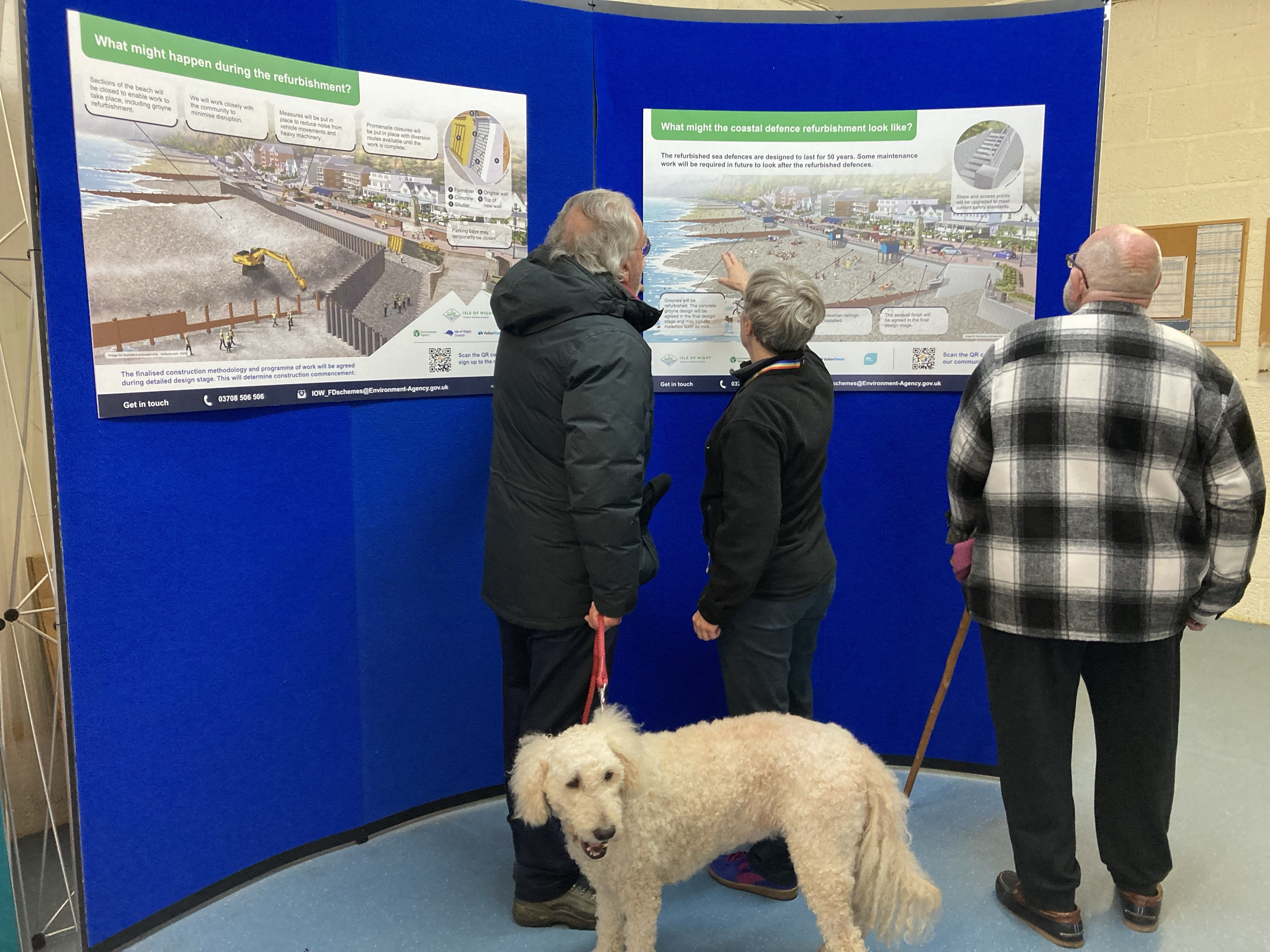
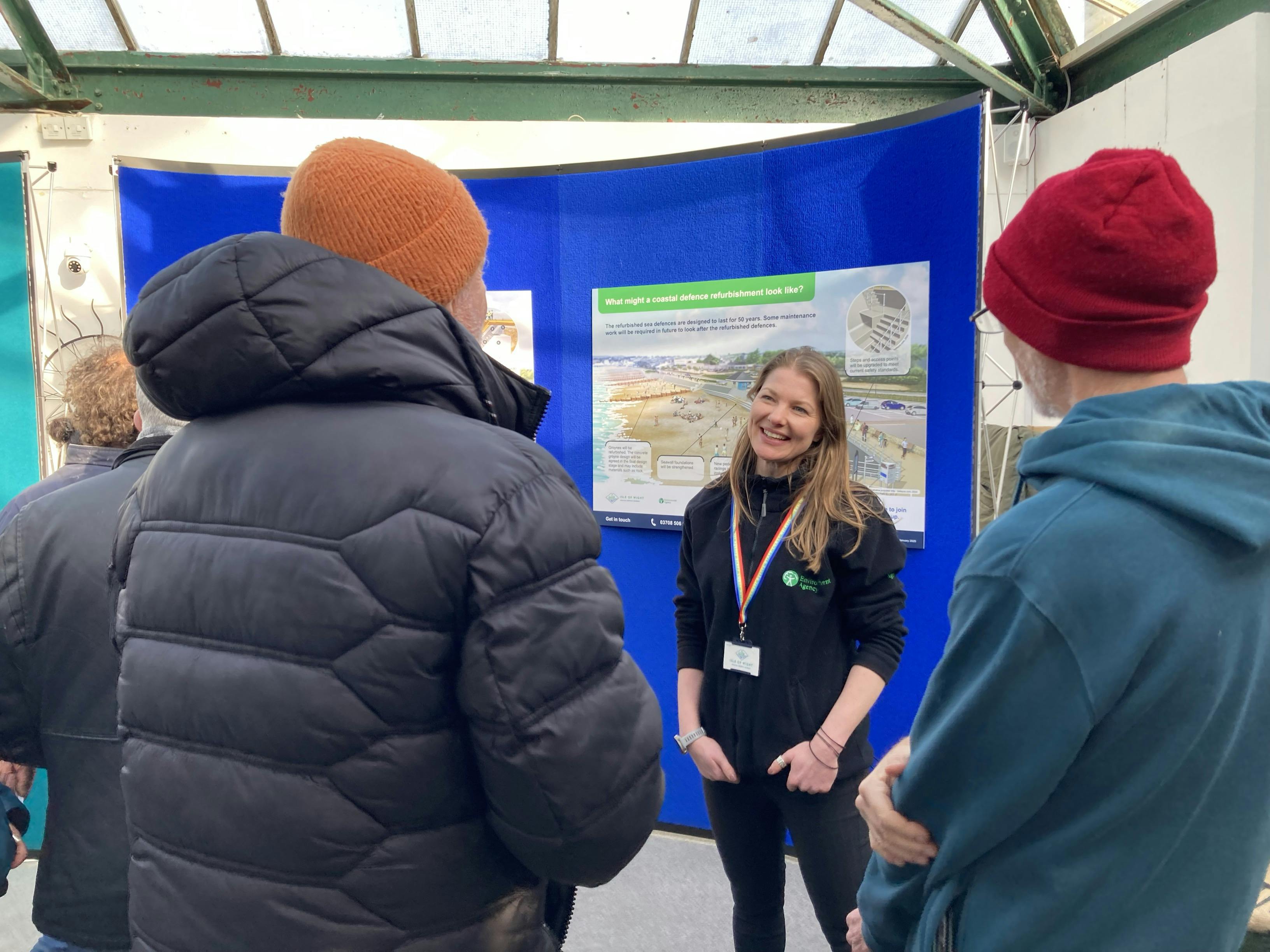
Thank you to everyone who attended our community information event at Shanklin Sandown Rowing Club on Wednesday 19 February. We had a great turnout and spoke to many members of the community about the initial design for the scheme. At the event we presented artists illustrations showing what the scheme might look like and what might happen during construction. We explained how the scheme will better protect 170 homes and 66 businesses from coastal erosion and flooding.
The posters displayed at the event can be viewed here:
Thank you to everyone who attended our community information event at Shanklin Sandown Rowing Club on Wednesday 19 February. We had a great turnout and spoke to many members of the community about the initial design for the scheme. At the event we presented artists illustrations showing what the scheme might look like and what might happen during construction. We explained how the scheme will better protect 170 homes and 66 businesses from coastal erosion and flooding.
The posters displayed at the event can be viewed here:
Poster 1 - The need for the scheme
Poster 2 - Assessment of options
Poster 3 - What improvements would you like to see?
Poster 4 - What might happen during the refurbishment?
Poster 5 - What might a coastal defence refurbishment look like?
You can also find our engagement summary report here which includes our responses to the questions raised during the session.
-
Funding Secured to Finalise Business Case - February 2025
Shanklin & Yaverland Coastal Defence Update – Exciting Progress for Our Community!
We’re starting 2025 with fantastic news! The Shanklin and Yaverland Coastal Defence Schemes have taken a major step forward, bringing us closer to better protecting our beautiful coastline and the homes, businesses, and infrastructure that rely on it. Thanks to strong support and a well-evidenced case, we have secured over £4 million in central government funding to move to the next stage: developing a Full Business Case (FBC).
Why This Matters
Coastal erosion and flooding have long been concerns for our community. This scheme is designed toContinue reading
Shanklin & Yaverland Coastal Defence Update – Exciting Progress for Our Community!
We’re starting 2025 with fantastic news! The Shanklin and Yaverland Coastal Defence Schemes have taken a major step forward, bringing us closer to better protecting our beautiful coastline and the homes, businesses, and infrastructure that rely on it. Thanks to strong support and a well-evidenced case, we have secured over £4 million in central government funding to move to the next stage: developing a Full Business Case (FBC).
Why This Matters
Coastal erosion and flooding have long been concerns for our community. This scheme is designed to safeguard over 500 properties and businesses, ensuring a more resilient and sustainable future for Sandown Bay. By strengthening sea walls, reinforcing foundations, and maintaining beach stability, we’re helping to protect the coastline for future generations while preserving the stunning views and natural beauty we all cherish.
Key Updates
✅ Funding Boost – Over £4 million secured for the next stage, with further funding strategies being explored.
✅ Stronger Protections – Plans to reinforce the sea wall and enhance beach stability through carefully designed defences.
✅ Carbon Conscious Approach – The project will use low-carbon materials and sustainable maintenance methods.
✅ Public Consultation – Your input is essential! Designs will incorporate community feedback, and we’re looking forward to hearing your thoughts.Upcoming Events – Have Your Say!
To keep you informed and involved, we’re hosting community engagement events in February. These are great opportunities to meet the project team, view initial design plans, and share your thoughts.
Tuesday 18 February | 2:00pm - 6:30pm | Browns Golf & PLUTO’s Café, Sandown
Wednesday 19 February | 10:30am - 3:00pm | Shanklin Sandown Rowing Club, ShanklinCome along to learn more, ask questions, and see an artist’s interpretation of the proposed designs!
What’s Next?
Finalising Designs – Detailed designs, including sea wall finishes and pedestrian railings, will be shaped in 2025.
Construction Timeline – If all goes to plan, work is expected to begin in Spring 2026, with completion by early 2028.
Preserving Our Bay – The scheme will maintain the uninterrupted coastal views we all love, while also ensuring long-term protection.This is an exciting time for our coastal community, and we want everyone to feel part of this journey. Whether you’re a resident, business owner, or visitor, your support and input are invaluable in shaping the future of Sandown Bay.
If you have any questions, or want to learn more, come along to our events or email IOW_FDschemes@environment-agency.gov.uk.
Thank you for being part of this vital project – together, we’re making our coastline stronger, safer, and better for generations to come!
The Shanklin & Yaverland Coastal Defence Team -
A big thank you to Jaxson!
We’d love to give a huge thank you to Jaxson, aged 4, for creating this amazing science poster about coastal defences on the Isle of Wight.
Jaxson’s school set him a homework project on ‘Change and Adapt’, and with help from his mum, he learned all about how storms have damaged the Sandown seawalls and why we need to repair and replace coastal defences to keep protecting our coastline as the climate changes.
The Coastal Defence project team think Jaxson’s poster is poster is fantastic—it includes maps, photos of the coast, and even creative artwork to show the importance ofContinue reading
We’d love to give a huge thank you to Jaxson, aged 4, for creating this amazing science poster about coastal defences on the Isle of Wight.
Jaxson’s school set him a homework project on ‘Change and Adapt’, and with help from his mum, he learned all about how storms have damaged the Sandown seawalls and why we need to repair and replace coastal defences to keep protecting our coastline as the climate changes.
The Coastal Defence project team think Jaxson’s poster is poster is fantastic—it includes maps, photos of the coast, and even creative artwork to show the importance of coastal protection!
It’s wonderful to see young children learning about coastal defences, climate change, and how these issues impact us living on an island. Raising awareness from a young age helps build a community that understands the importance of protecting our coastline for future generations.
Great job, Jaxson! Keep up the brilliant learning and thank you for sharing your work with us!
-
Preferred Option
Out of the 5 short list of options, Option 3 (Keep the existing defence level) has been chosen by Isle of Wight Council as the preferred way forward following a recommendation made by the Environment Agency.

Option 1: Do Nothing
Option 2: Do Minimum
Option 3: Keep the existing defence level
Option 4: Raise the level of the defence in stages into the future
Option 5: Raise the defence level now
Option 3 will involve construction works to refurbish the sea wall, timber groynes and concrete groynes. The methodology for refurbishment will be confirmed during the next stage as theContinue reading
Out of the 5 short list of options, Option 3 (Keep the existing defence level) has been chosen by Isle of Wight Council as the preferred way forward following a recommendation made by the Environment Agency.

Option 1: Do Nothing
Option 2: Do Minimum
Option 3: Keep the existing defence level
Option 4: Raise the level of the defence in stages into the future
Option 5: Raise the defence level now
Option 3 will involve construction works to refurbish the sea wall, timber groynes and concrete groynes. The methodology for refurbishment will be confirmed during the next stage as the team progress with drawing up an initial design. The current thinking is that works to the walls will be constructed using shutters and in-situ pour of concrete 200mm against the face of the existing sea wall. This option will provide a quality finish. Temporary works such as sheet piling will be required along the section of wall and groyne being worked on to provide a safe and dry working corridor.
The defence level will be kept at the existing level. No raising of the existing defence height will be made over the next 50 years. As part of the refurbishment project, we will include works which strengthen the foundations of the seawall with the foresight that a decision to raise the height of the sea wall may be a viable option in 50 years’ time.
Further details on how and why the preferred option was selected can be found in our FAQs.
-
Financial analysis
Option 3 provides over £80 million worth of benefits to people, property and the environment. The additional benefits associated with Option 4 and Option 5 are not as great. The figure below shows the cost to construct Option 3 is significantly less compared with Option 4 and Option 5. Increasing the height of the sea wall almost doubles the cost of the scheme. The public consultation told us that there is interest locally in raising the height of the existing defences however the funding shortfall of £4.9million and £8.5million for Option 4 and Option 5 respectively makes these unviable optionsContinue reading
Option 3 provides over £80 million worth of benefits to people, property and the environment. The additional benefits associated with Option 4 and Option 5 are not as great. The figure below shows the cost to construct Option 3 is significantly less compared with Option 4 and Option 5. Increasing the height of the sea wall almost doubles the cost of the scheme. The public consultation told us that there is interest locally in raising the height of the existing defences however the funding shortfall of £4.9million and £8.5million for Option 4 and Option 5 respectively makes these unviable options for Isle of Wight Council to take forward.
Information on how Flood and Coastal Erosion Risk Management schemes are funded can be found here

How will the shortfall in funding for the preferred option be addressed?
Isle of Wight Council as the owner of the coastal defences will develop a funding strategy to address the shortfall in funding with support from the Environment Agency. The funding strategy will be produced during the Full Business Case stage in 2025. Project costs are expected to change following more detailed costings from our contractor.
Follow Project
Signup Banner
Background FAQ
Background FAQs
Background FAQs
Our Partners
-
Project Team
-
Partners
-
Consultants
-
Designers
Project Timeline
-
Strategic Outline Case
Shanklin Coastal Defence Scheme has finished this stageAutumn 2020 - Summer 2021
We gathered information and made the case for public funding to improve coastal flood protection in Yaverland and Sandown. This high level business case was approved in Summer 2021, allowing us to move to the next stage.
-
Outline Business Case stage begins
Shanklin Coastal Defence Scheme has finished this stageWinter 2021
We started looking at more detailed options for improving the sea defences. This included flood modelling, environmental assessments and technical investigations to help guide our decisions.
-
Surveys & Studies
Shanklin Coastal Defence Scheme has finished this stageSpring 2022 - Spring 2023
We carried out on-site surveys and technical studies to better understand the condition of the existing sea wall and what might be needed to improve it.
-
Option Assessment
Shanklin Coastal Defence Scheme has finished this stageSpring/Summer 2023
We assessed different options for the scheme, considering cost, impact, long-term benefits, and how well each option met project goals.
-
Public Consultation - Shortlist of options
Shanklin Coastal Defence Scheme has finished this stageSummer 2023
We shared the shortlist of possible options with the community and invited feedback to help shape the preferred approach.
-
Preferred Option Selected
Shanklin Coastal Defence Scheme has finished this stageAutumn 2023 - Autumn 2024
The project team selected the preferred option based on the results of the assessments and community feedback. Early design work began.
-
Approval of Outline Business Case
Shanklin Coastal Defence Scheme has finished this stageAutumn 2024 - Spring 2025
The Outline Business Case was submitted and approved, unlocking £1.9 million in funding to move forward with detailed design work.
-
We are Here: Final Business Case & Detailed Design
Shanklin Coastal Defence Scheme is currently at this stageSpring 2025 onwards
We're now developing the detailed design of the scheme. This includes the finish of the seawall, pedestrian railings and access points. We will continue to engage with the community as the design progresses.
-
Construction
this is an upcoming stage for Shanklin Coastal Defence SchemeTimelines for construction are being progressed and we will continue to keep the community informed on expected timings.
Exhibition Material
-
February 2025 - Preferred Option Exhibition Material
-
Poster 1 - The need for the scheme (444 KB) (pdf)
-
Poster 2 - Assessment of options (223 KB) (pdf)
-
Poster 3 - What improvements would you like to see (873 KB) (pdf)
-
Poster 4 - What might happen during the refurbishment (1.32 MB) (pdf)
-
Poster 5 - What might a coastal defence refurbishment look like (1.41 MB)
-
-
November 2023 - Short List Consultation Material
-
Banner 1 - Introduction (468 KB) (pdf)
-
Banner 2 - Scheme extent (326 KB) (pdf)
-
Poster 1 - Survey and Investigations (315 KB) (pdf)
-
Poster 2 - Constraints and Opportunities (293 KB) (pdf)
-
Poster 3 - Measures considered (233 KB) (pdf)
-
Poster 4 - Project objectives and criteria (335 KB) (pdf)
-
Poster 5 - Short List (319 KB) (pdf)
-
Shanklin short list consultation responses March 2024 (784 KB) (pdf)
-
FAQs
-
General
- What is the impact of climate change?
- Who is responsible for the sea wall and groynes?
- How will the Shanklin Coastal Defence scheme be funded?
- Are you going to be working with others on this project?
- How have you chosen where to deliver coastal flood and erosion risk management schemes?
- Are the coastal defences south of Shanklin Chine (study unit IW28) included in the Shanklin Coastal Defence Scheme?
- How can local businesses get involved?
- How can I find out more?
-
Construction
-
Option Selection
Competition Winners!
Build your own sea defence!
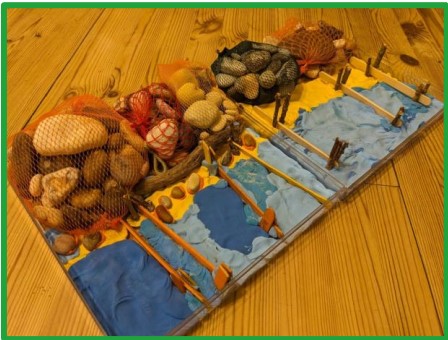
We received a range of very creative and innovative entries for our competition to build a sea defence from any materials that can be found at home or school. We are delighted to announce that siblings James (age 8) and Amelie (age 5) received the top prize of an adoption pack from Wildheart Animal Sanctuary plus some books and a nature craft kit. The judges were impressed by their use of recycled materials such as lollipop sticks and naturally occurring materials such as driftwood and twigs to create the groynes which work to maintain beach levels.
Beach to the Future!
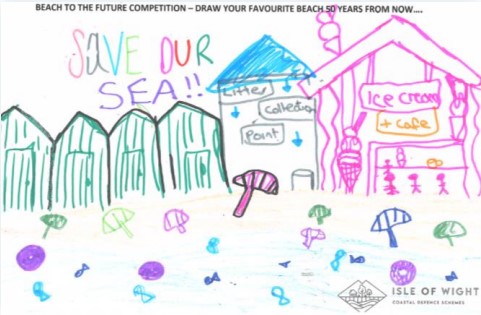
Congratulations to Zara (age 10) who is the winner of our ‘Beach to the Future’ competition. Zara’s design includes measures to tackle plastic pollution and encourages us all to make changes to protect our coastal environments. Thank you to Dinosaur Isle for providing a year’s membership to Dinosaur Isle as the prize.