Articles
-
Phase One: Embankments July 2026
Chapel Hill and Kyme Eau
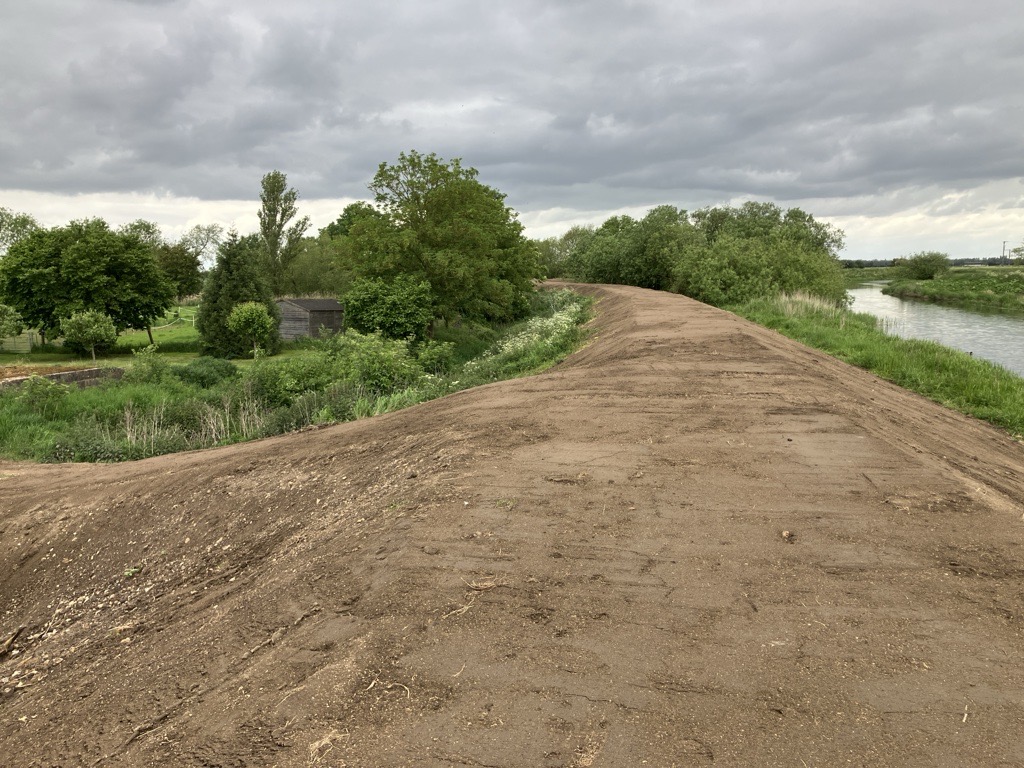
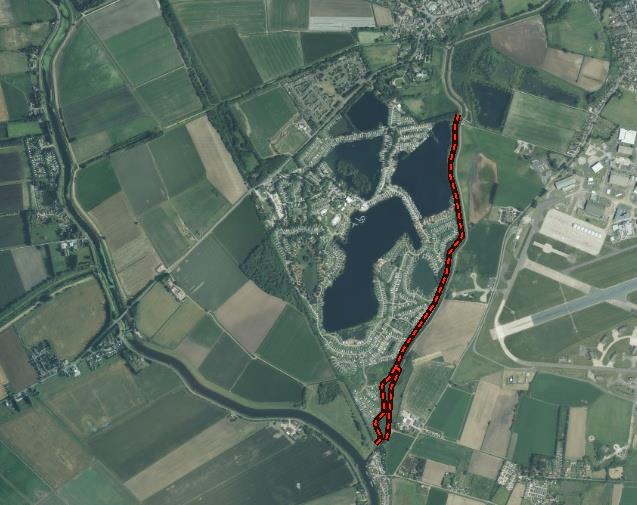
We are pleased to announce that the embankment reinstatement works at Chapel Hill and the Kyme Eau have now been completed and our contractors have left site.
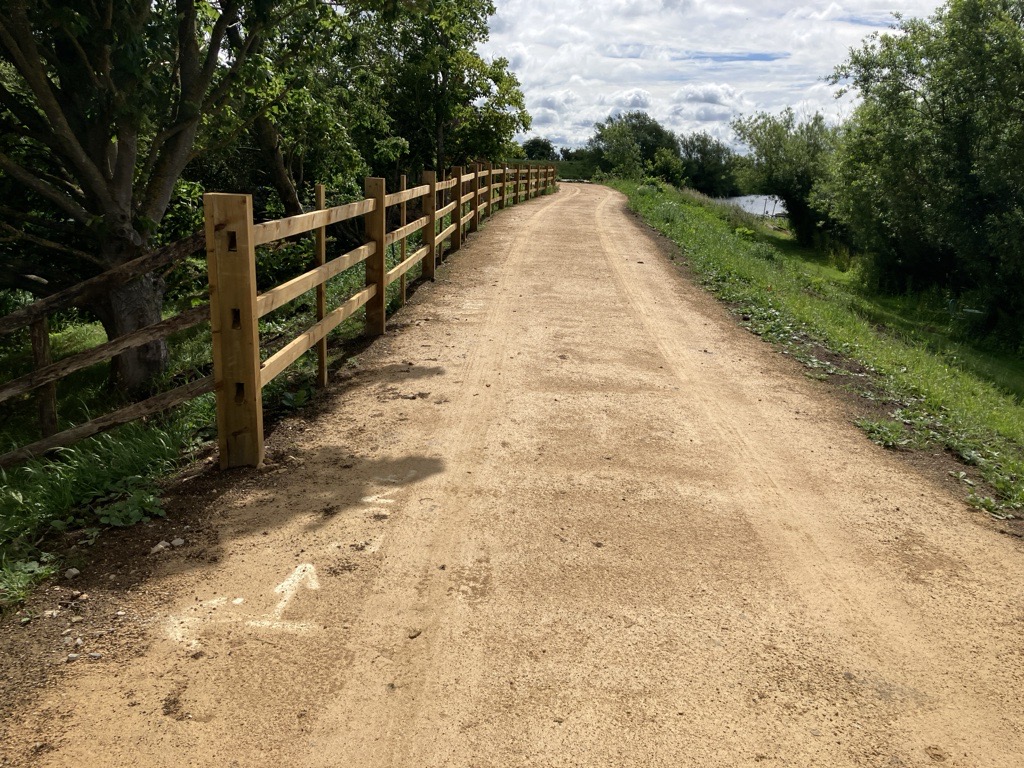
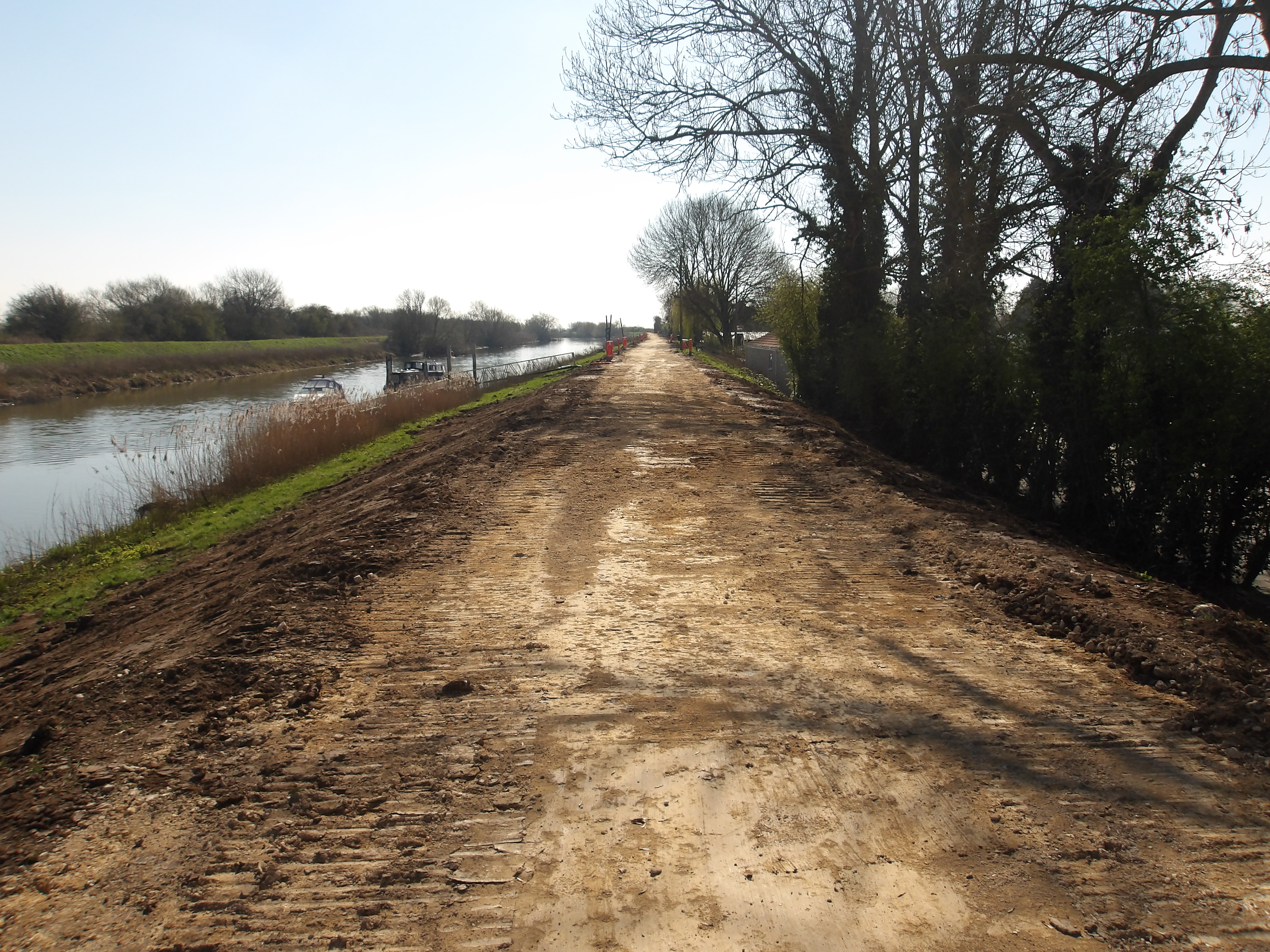
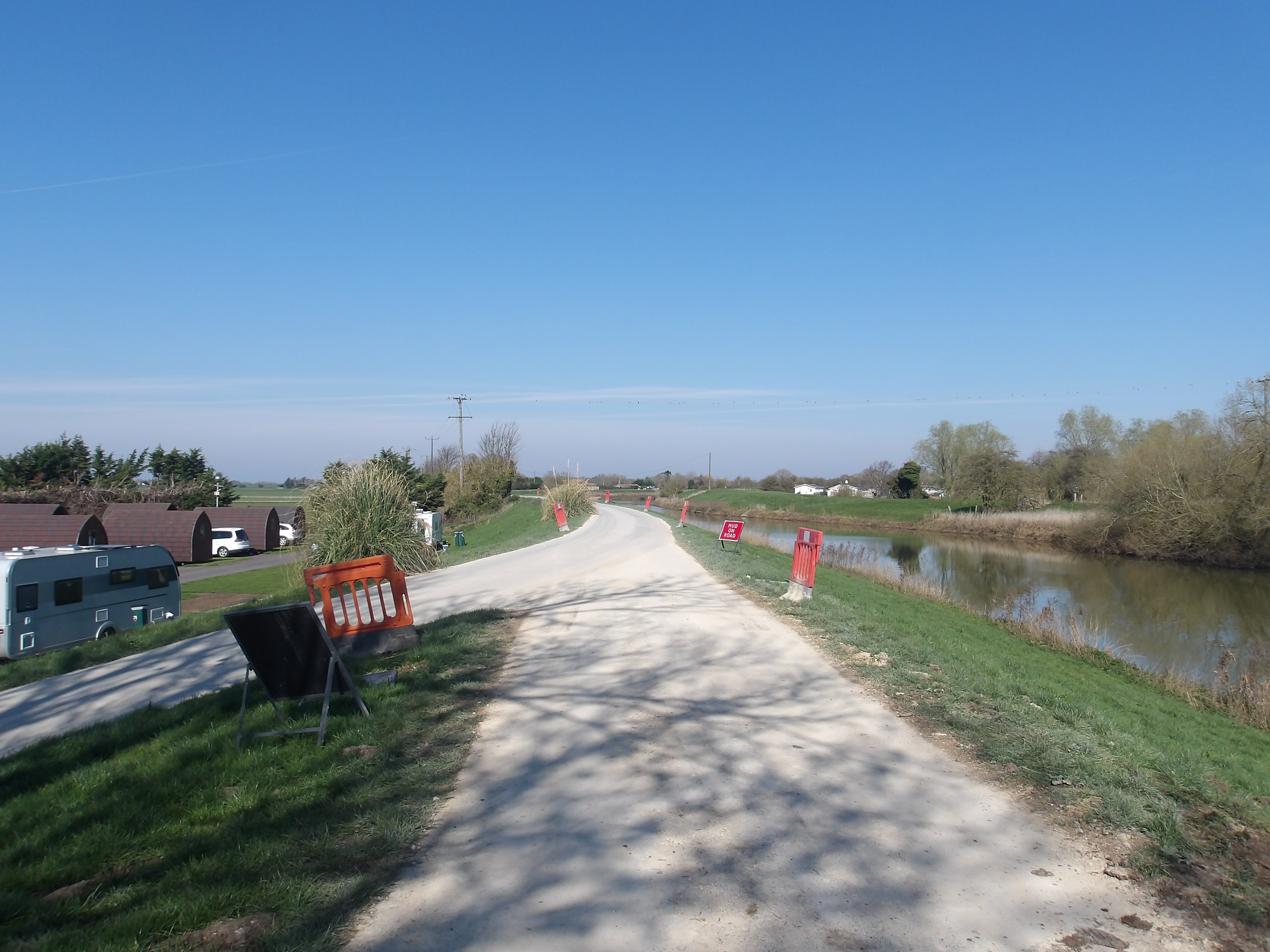
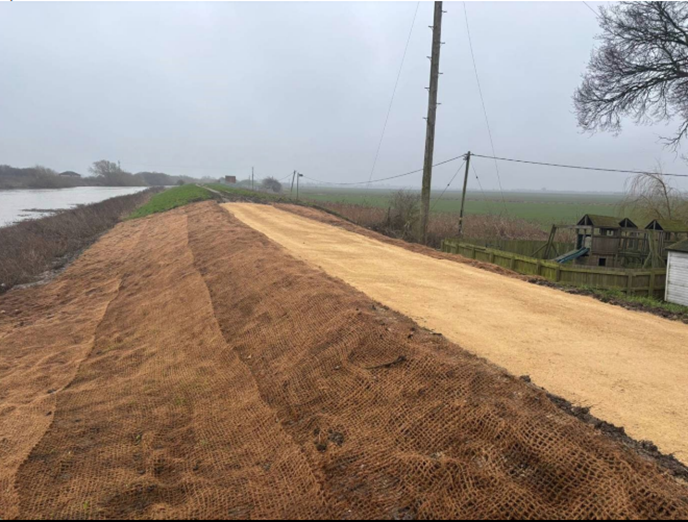
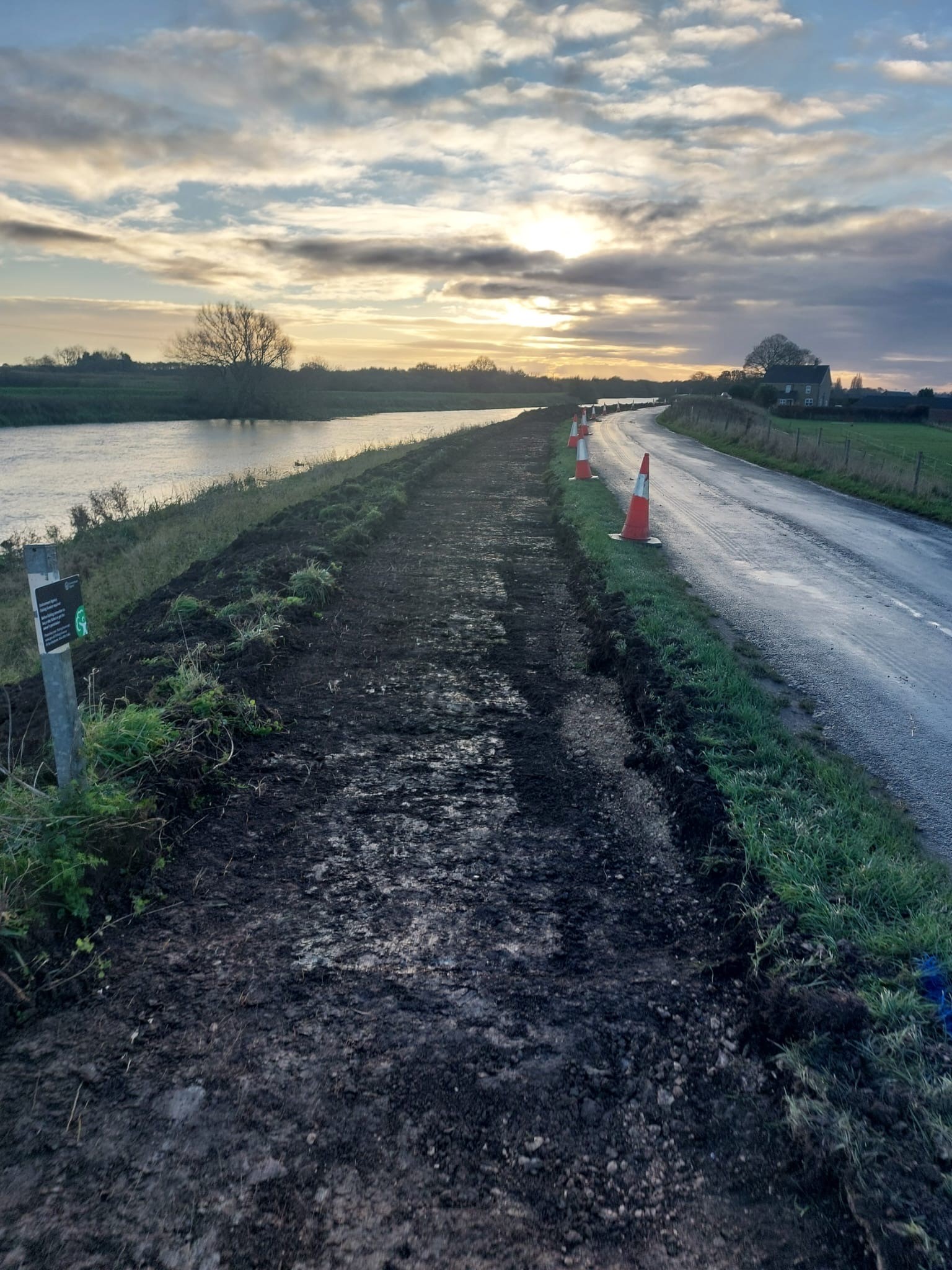
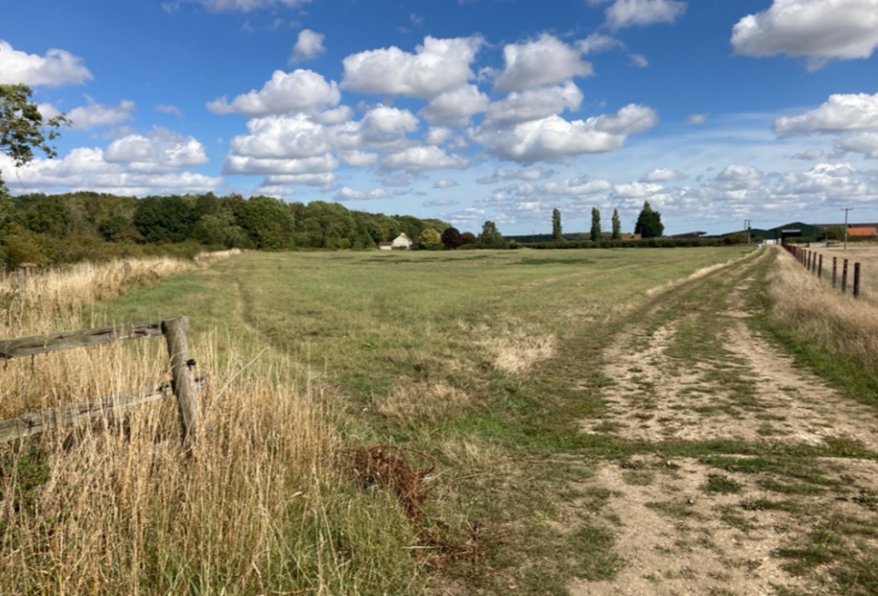
The bank crest at Chapel Hill has been finished with a stone surface which has improved accessibility. This Environment Agency owned bank is now available for public use as a permissive footpath.
We would like to thank local residents and visitors for their patience and cooperation while these works were carried out.
Please remember to respect neighbouring residents and refrain from driving vehicles along the bank. This willContinue reading
-
Phase One: Grand Sluice July 2026
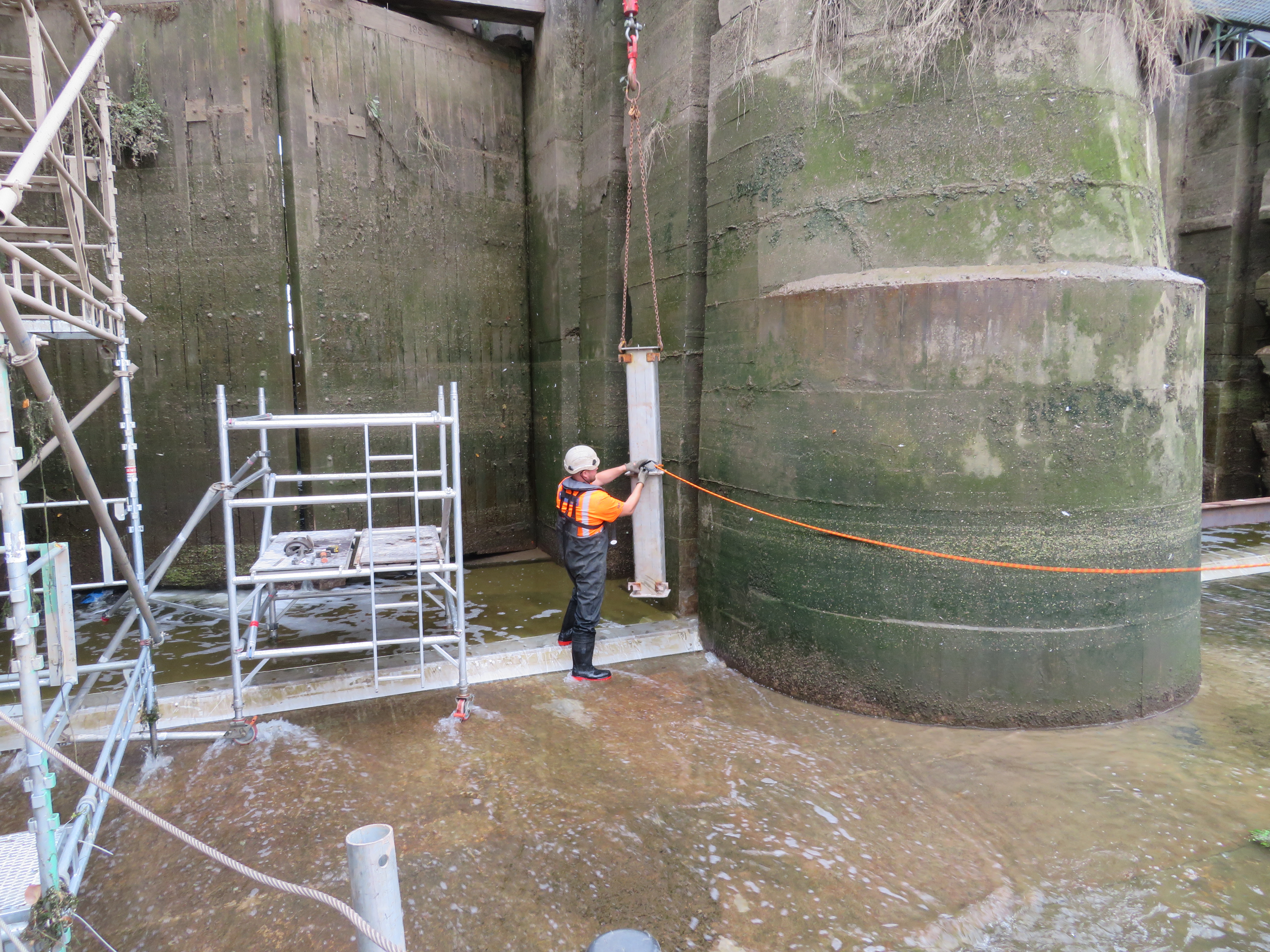
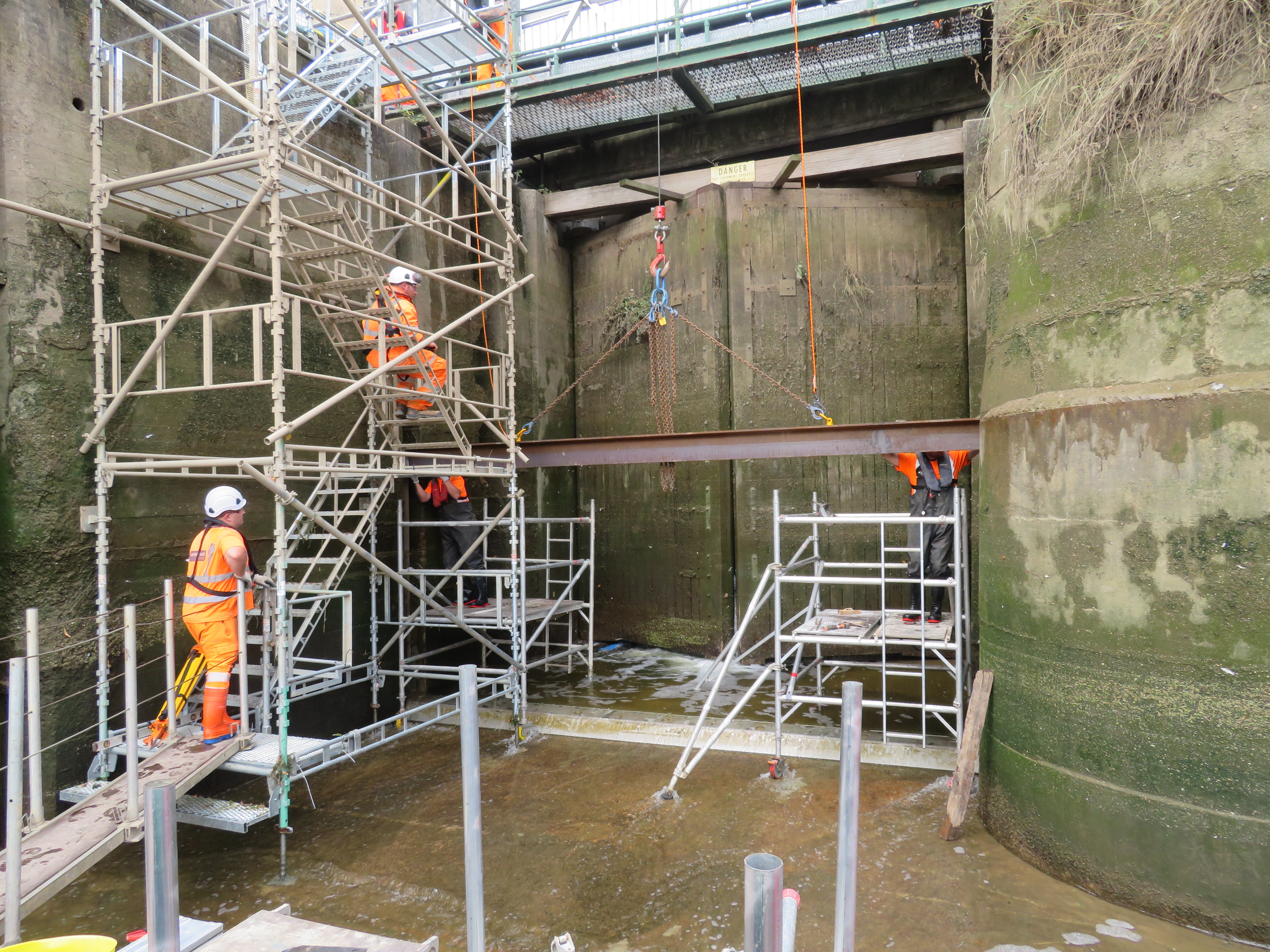
Work at Grand Sluice continues to make steady progress. Further grouting work has been completed on the downstream stop log liners, and a second temporary footbridge has been installed to provide safe access for our operatives working on the structure.
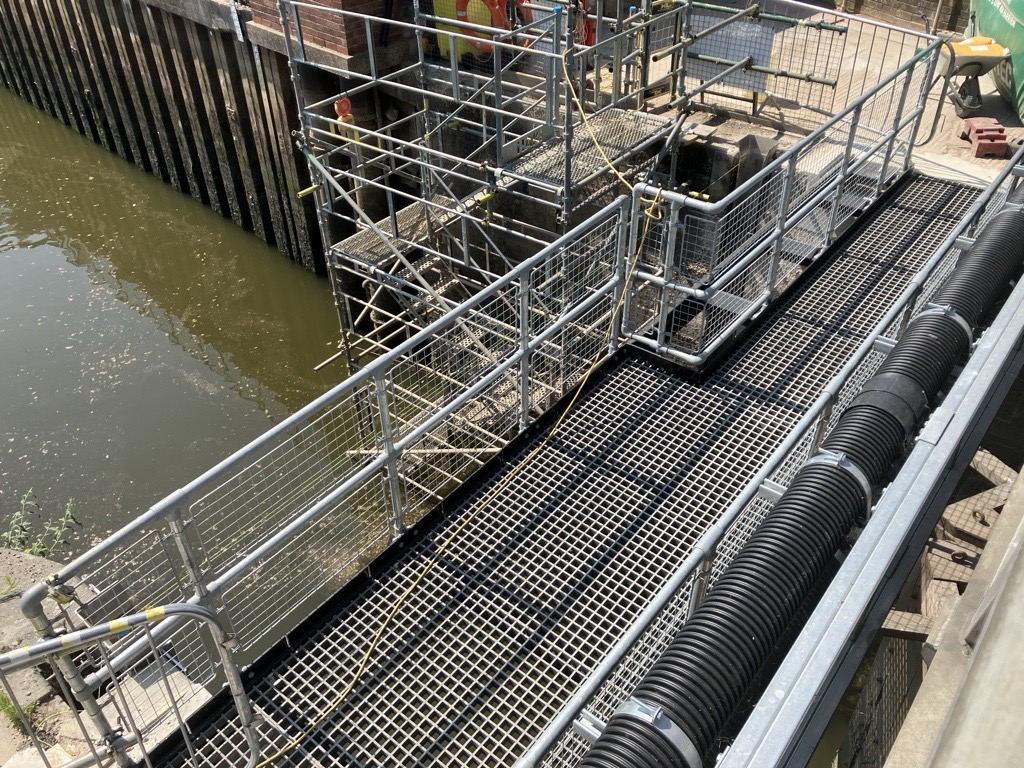 Temporary footbridge installed to maintain safe access during refurbishment of Grand Sluice.Alongside the work taking place on the sluice itself, our project team is continuing to plan the next stages of the refurbishment. This includes preparing for the future handling and storage of equipment that will be used during later stages of the project.
As part of this planning, we have been carrying out ground investigations on the right bank downstream of Grand Sluice, where the stop logs may be stored in the future. Residents may have noticed contractors drilling boreholes and taking ground samples. These checks will help us understand the condition and strength of the ground, making sure it can safely support the weight of the stored equipment. The surveys are also helping us identify and map any old, buried structures so we can avoid them during future construction work.
You may continue to see contractors and specialist equipment working around the sluice while these activities are carried out.
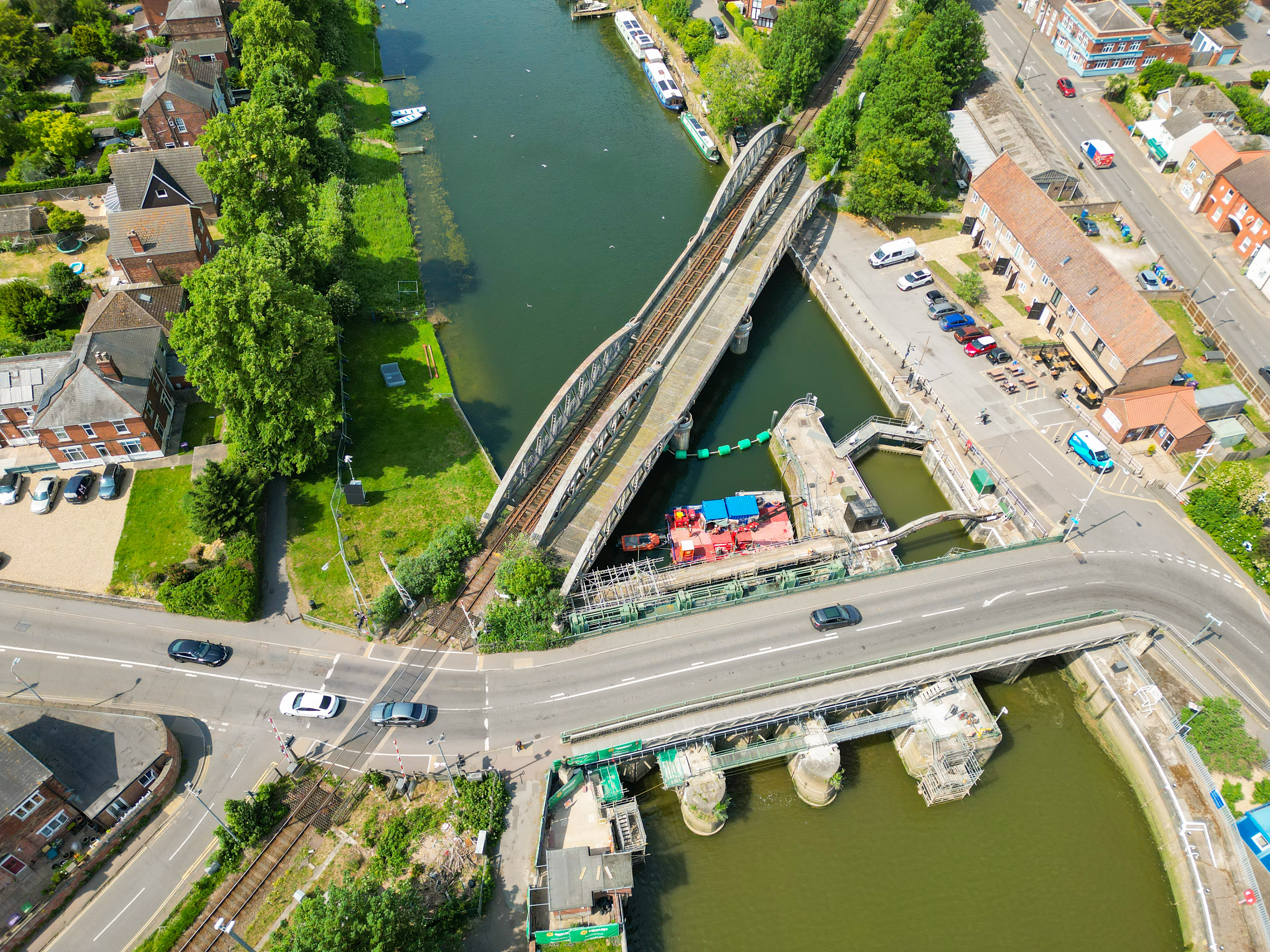 Drone view of Grand Sluice during the refurbishment works.
 -
Phase One: Embankments April 2026
Chapel Hill
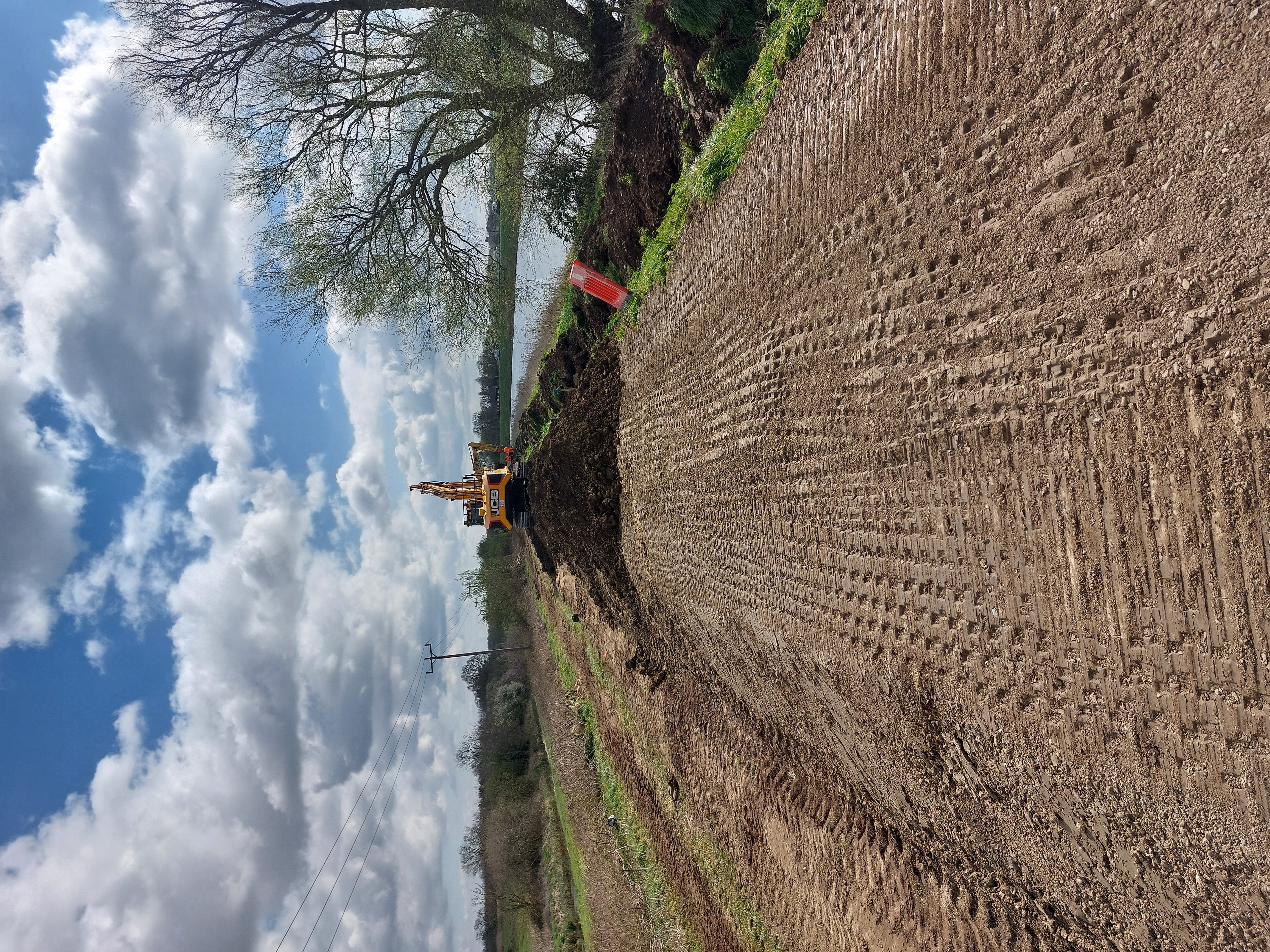
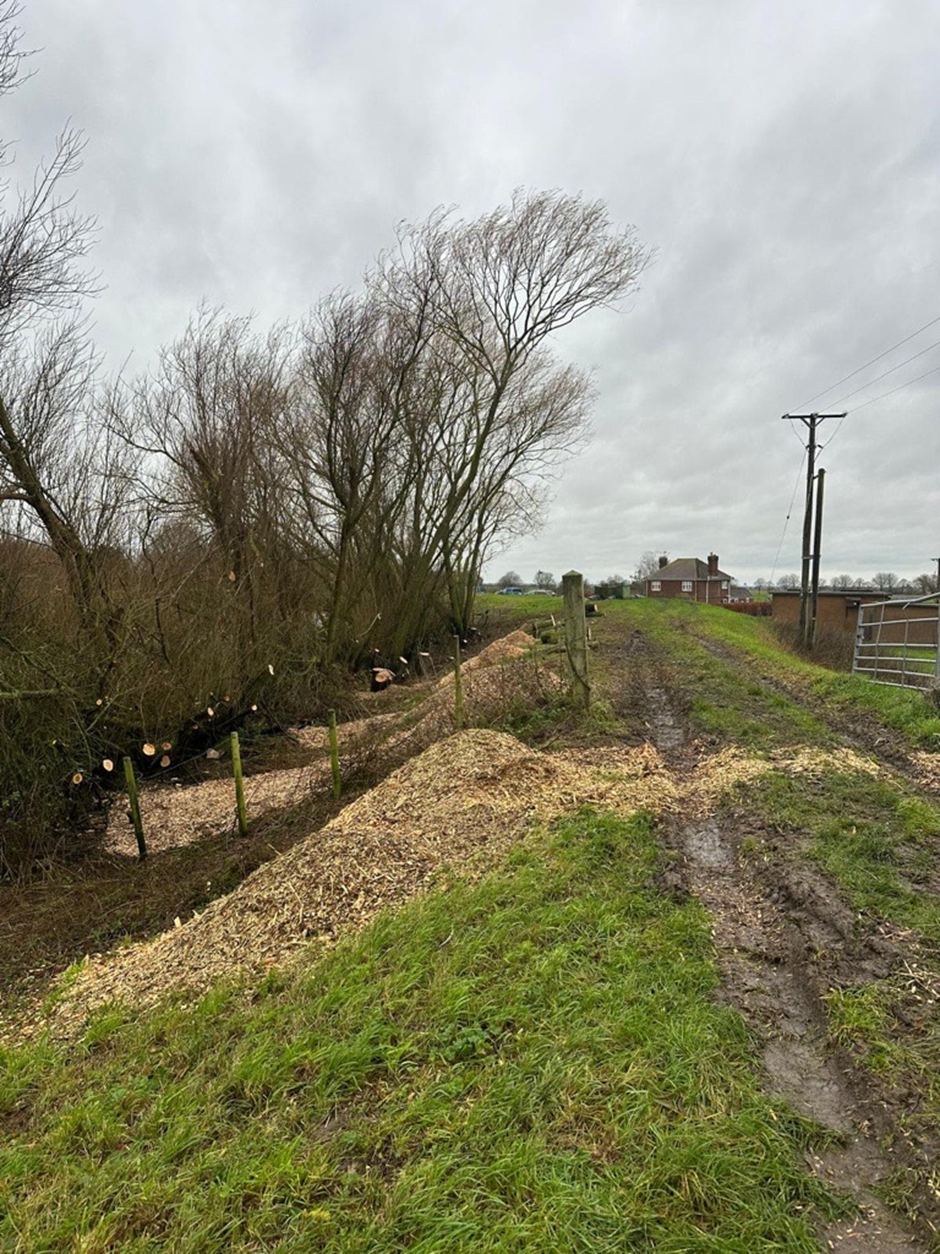
Work at Chapel Hill on the River Witham is going well and is nearly finished. The project team has strengthened the riverbank to make it more resilient to flooding. We have repaired damage caused by tree roots and rebuilt the bank using clay to make it stronger and more stable.
We have also improved access for local people. The footpath on top of the bank has been raised, improved, and moved slightly inland. This will also help reduce erosion and keep the path in good condition for longer.
Good progress has also been made on the access rampContinue reading
-
Phase One: Grand Sluice April 2026
After an extremely wet winter, work on the sluice refurbishment is ready to restart. Our contractors will begin by installing the stop log liners. These are steel channels that hold temporary dams called “stop logs”. The stop logs let us block off the channel in a controlled way so that we can dry part of it out. Once the area is dry, we’ll be able to safely remove and replace the sluice gates. You can watch a short clip of stop log liners being lifted into position in our Videos section- Videos | Lower Witham Flood Resilience Project | Engage Environment Agency.
This year’s activities will include grouting the downstream liners and installing the upstream ones. This is particularly challenging as the downstream phase will depend on suitable tidal windows, while upstream work will involve divers operating in the river. You may notice floating craft working on the sluice both upstream and downstream while this happens.
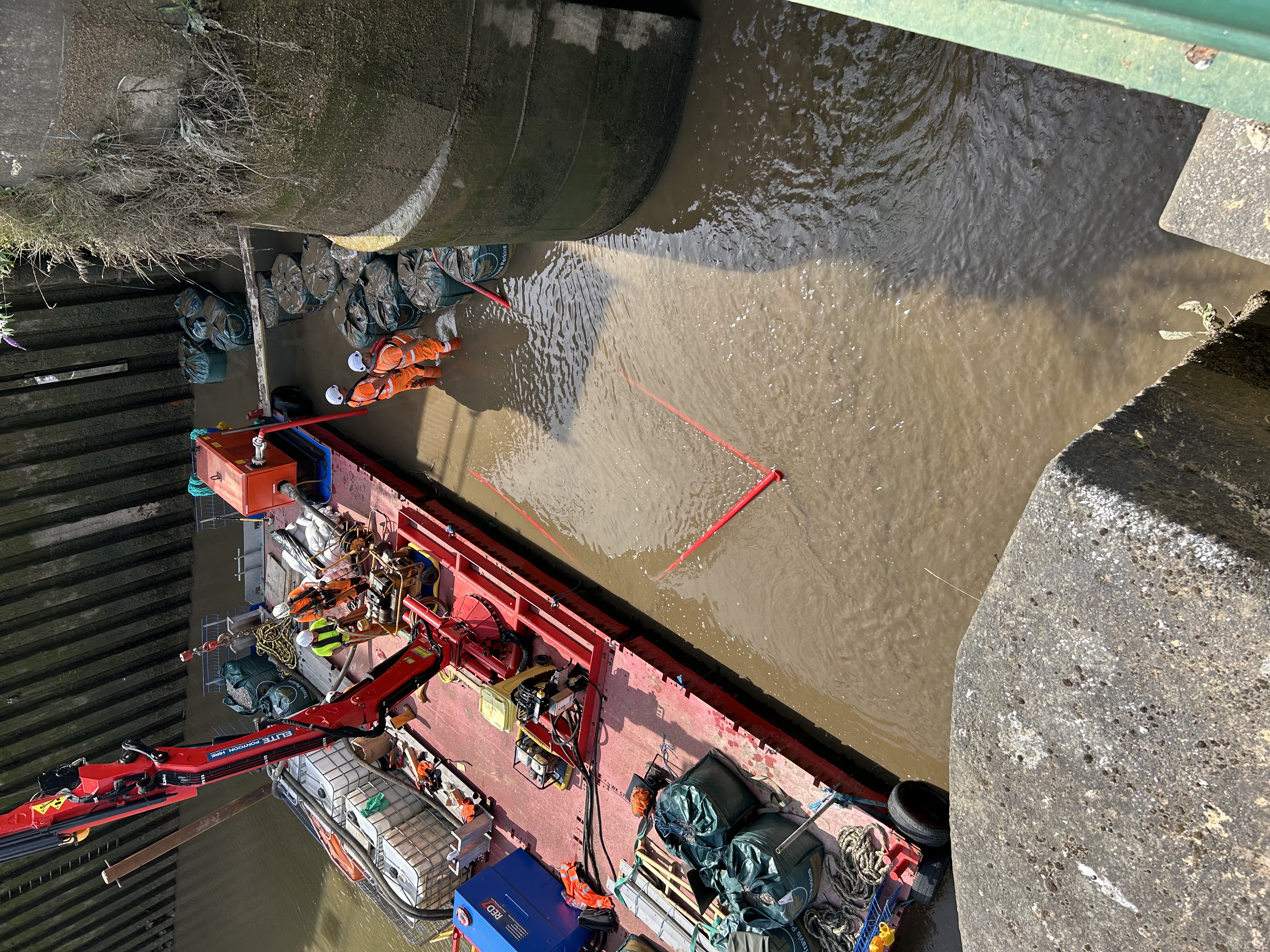 Contractors using a crane on floating craft downstream of Grand Sluice.
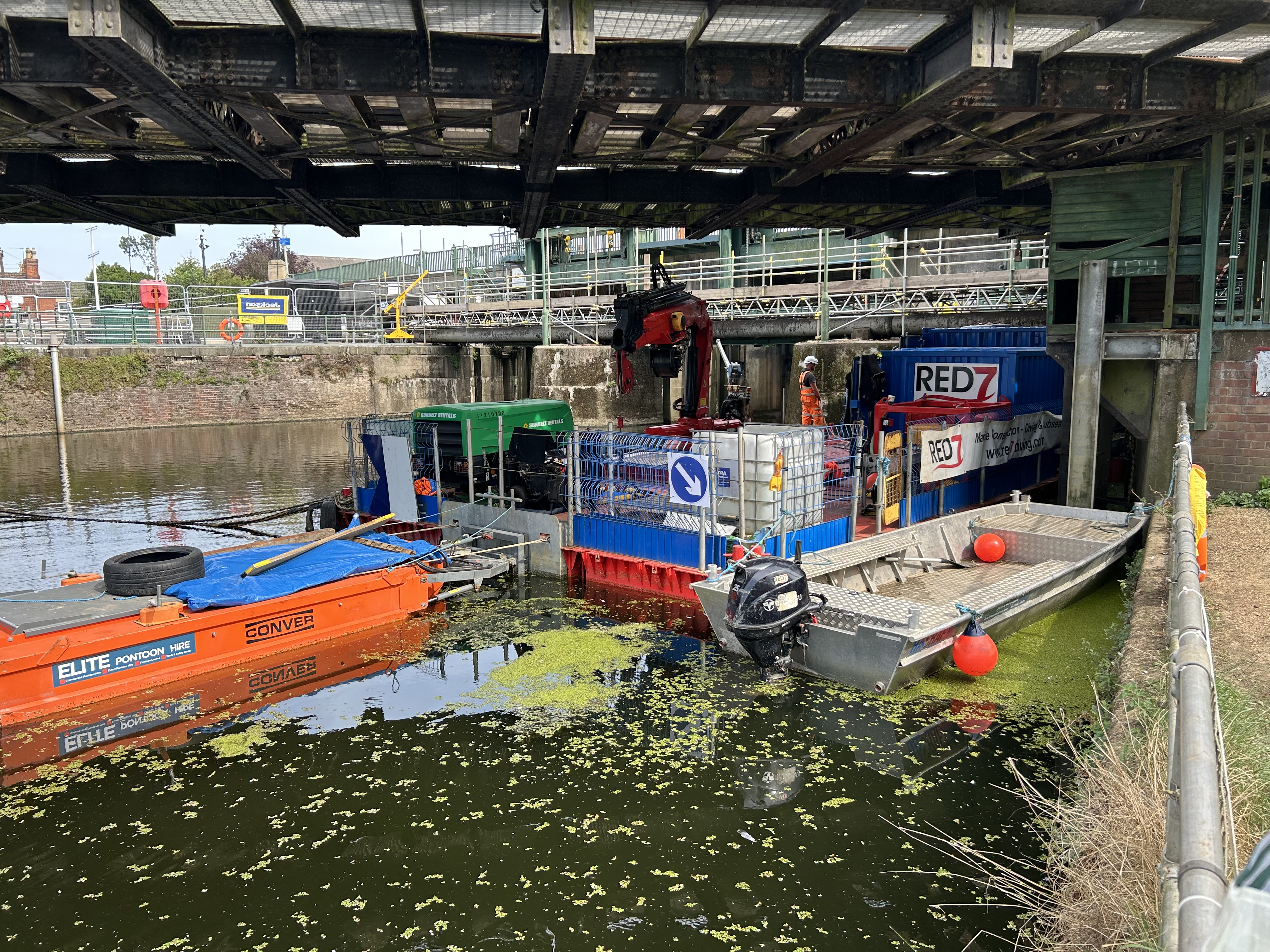 Contractors using floating craft upstream of Grand Sluice.
Progress has been slower than planned, and completing the installation of the stop log liners is expected to take the rest of this year. The stop logs themselves have already been made and are being stored ready for use. You can see a video of the stop logs being factory tested using a special rig designed to mimic site conditions in our Videos section- Videos | Lower Witham Flood Resilience Project | Engage Environment Agency . In the future we will begin replacing the main sluice gates. We will also install an overhead monorail beam which we’ll use to move and position the stop logs when needed.
As before, work will pause again over the winter months. In the meantime, we will post regular updates as activity on site continues throughout the year.
-
Phase One: Embankments
Since January, good progress has been made at several locations along the Lower Witham.
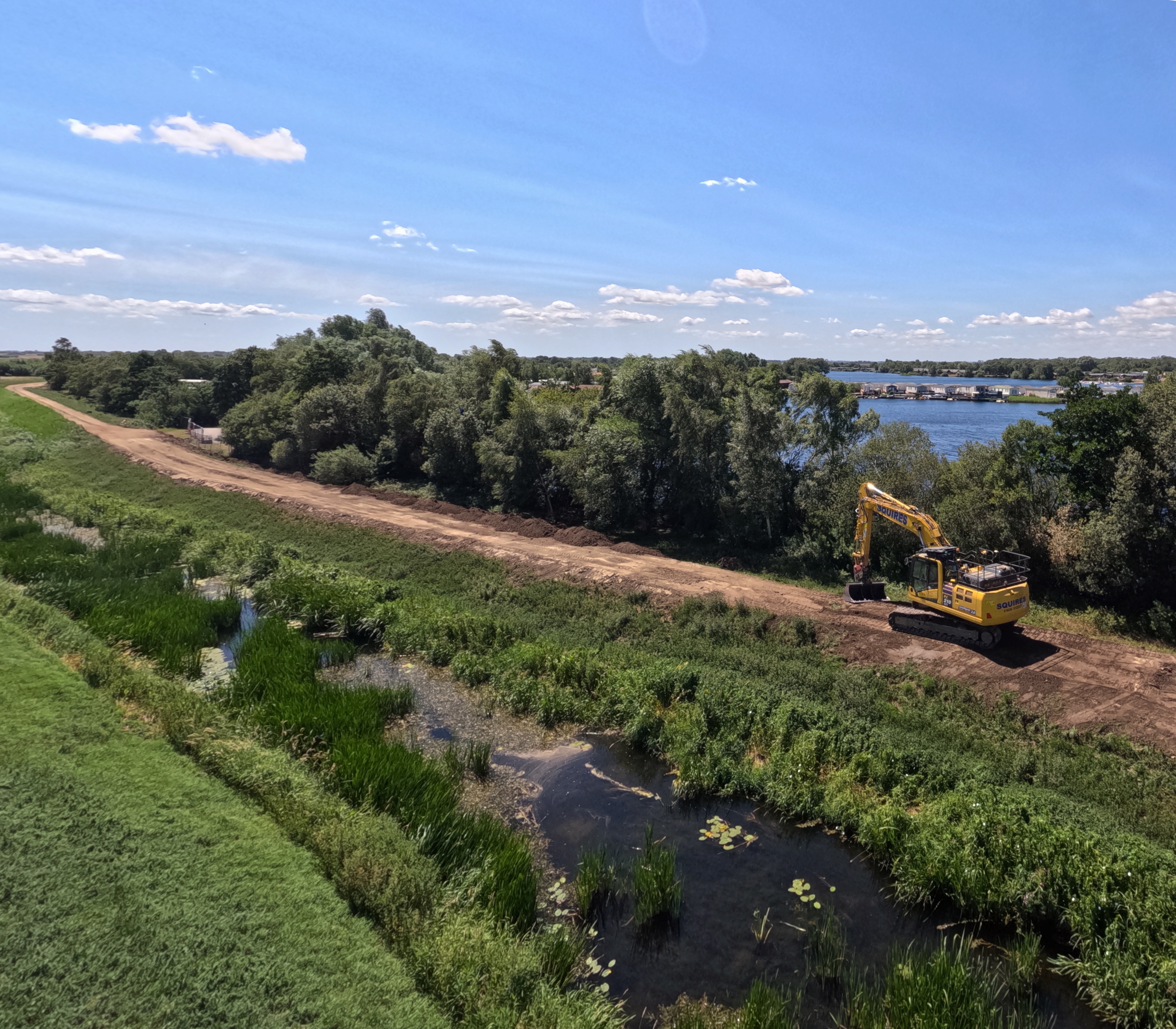
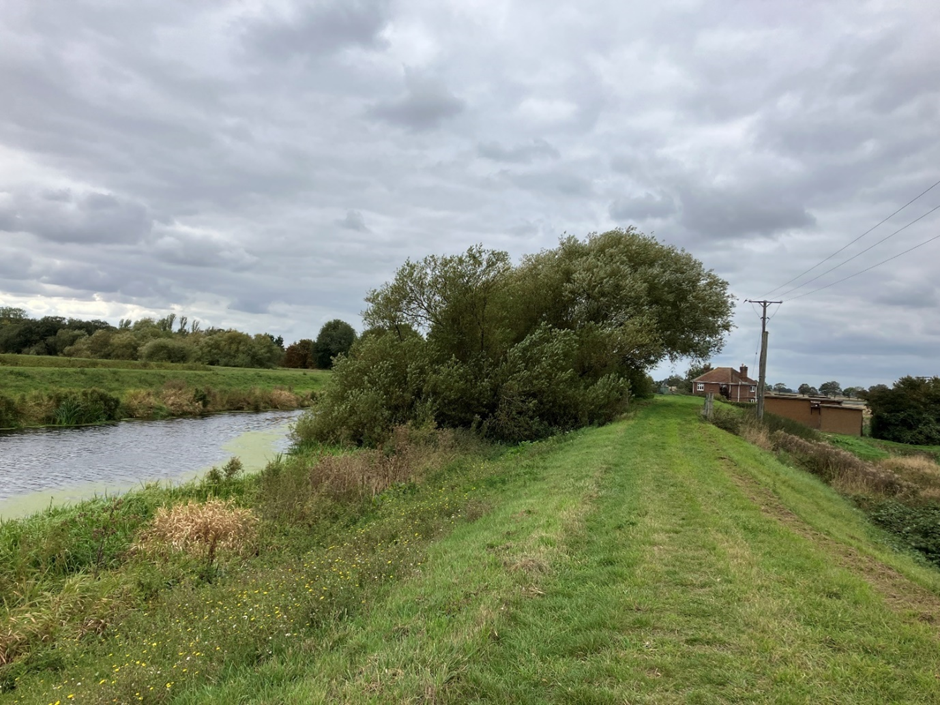
At Chapel Hill, we have now reinstated the embankment crest to improve flood resilience in the area. The team is finishing the last stages of the work, including shaping the slopes and adding the final surface. Once this is complete, as the landowner we will allow people to use the crest as a walking route. This will create a new opportunity for riverside access while still providing flood protection for the community.
Continue reading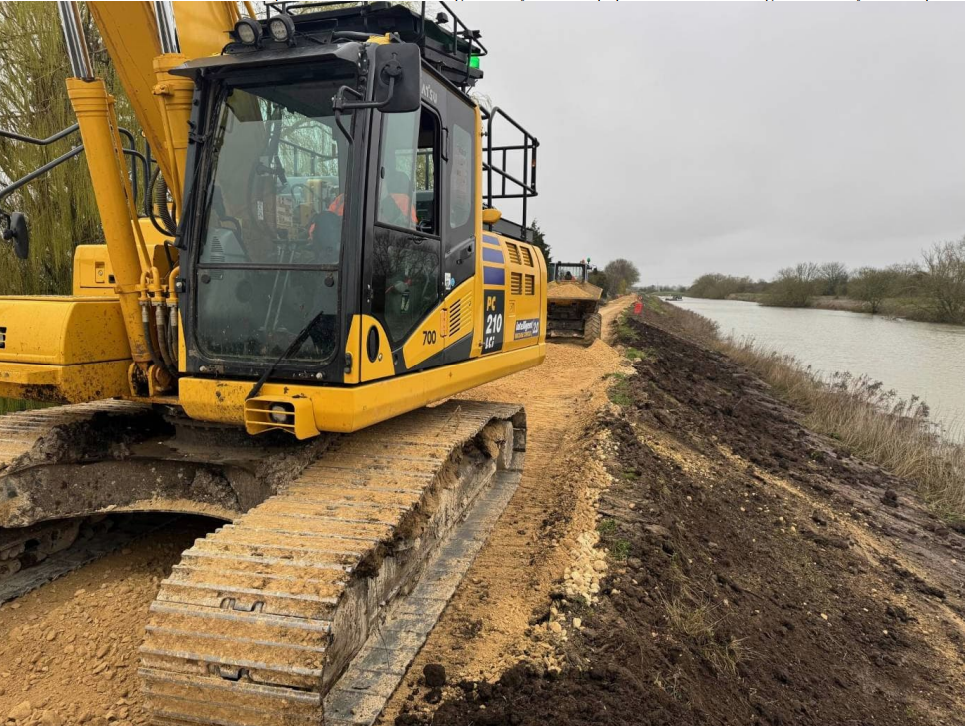 Works in progress at Chapel Hill.
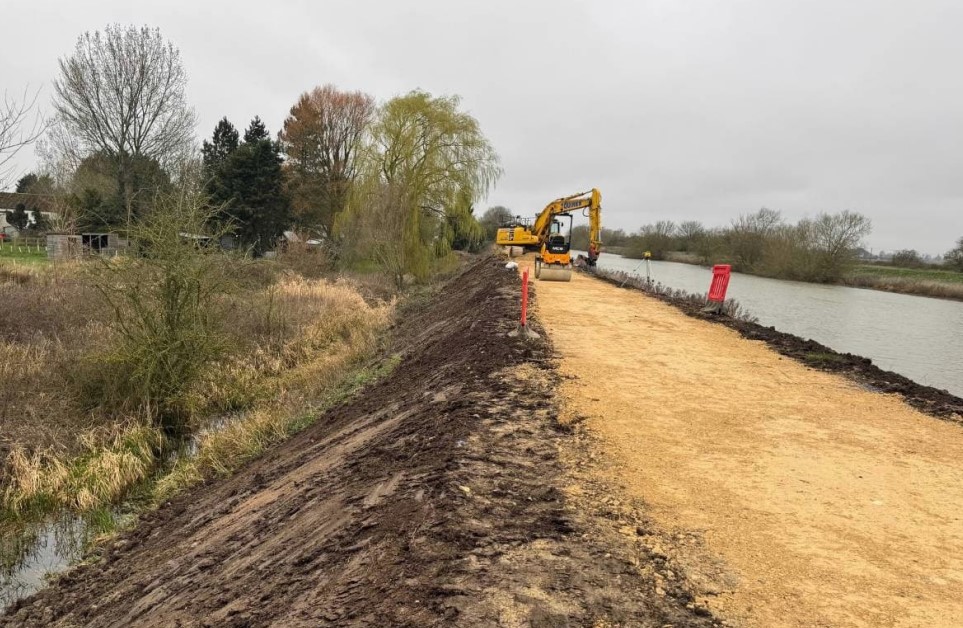 Works nearing completion along the embankment crest at
 -
Phase One: Embankments
In November, Breheny Civil Engineering won the contract to deliver earthworks for this project. Their work includes addressing low spots, managing seepage, and other elements relating to raised riverbanks.
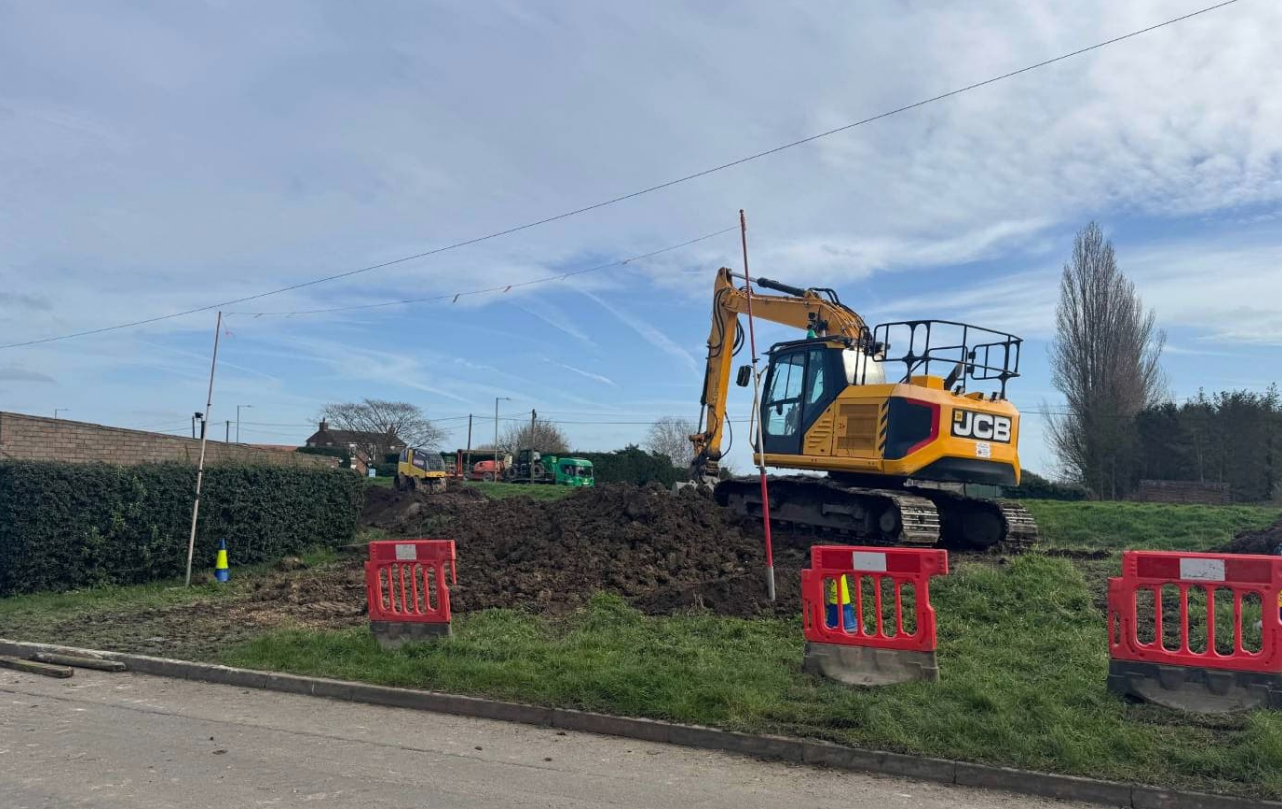
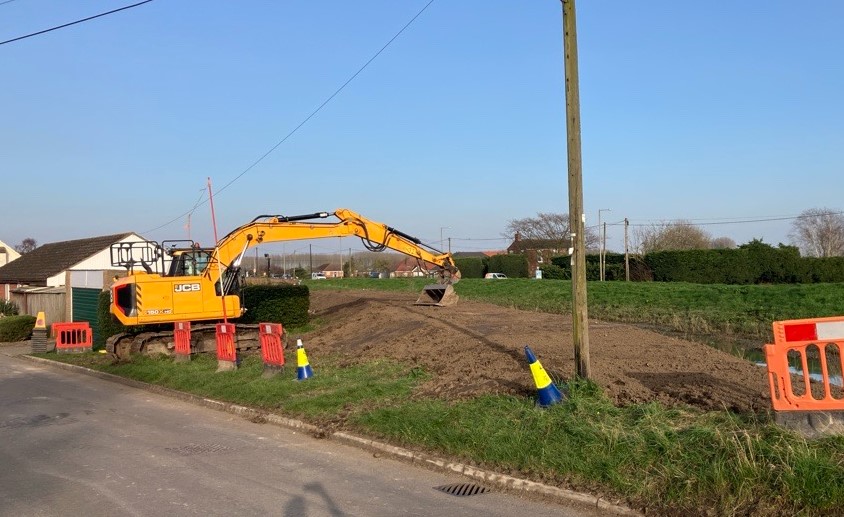
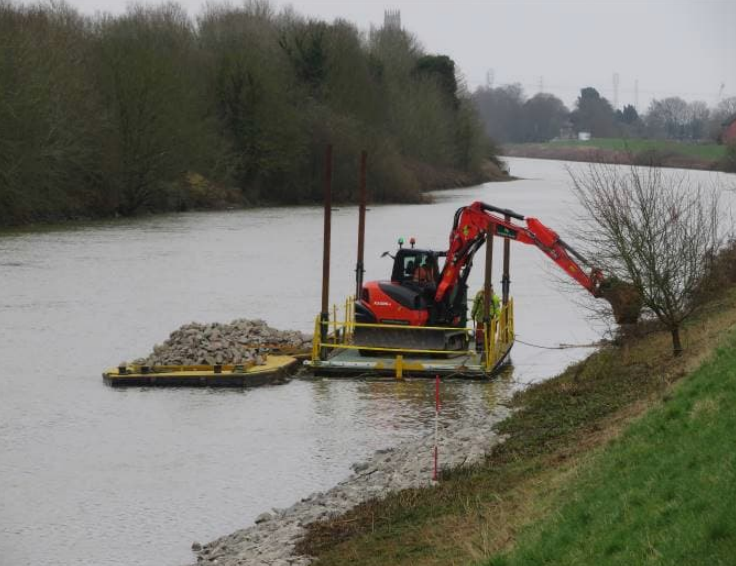
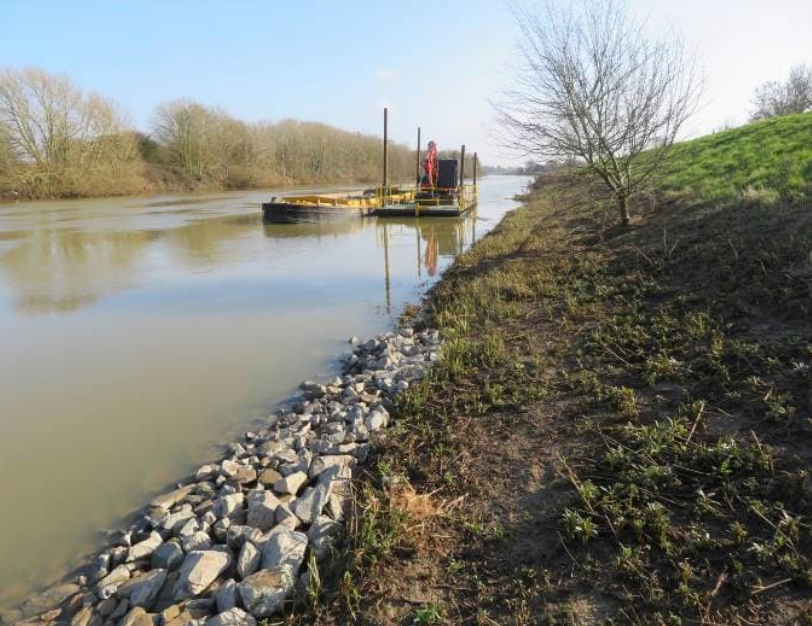
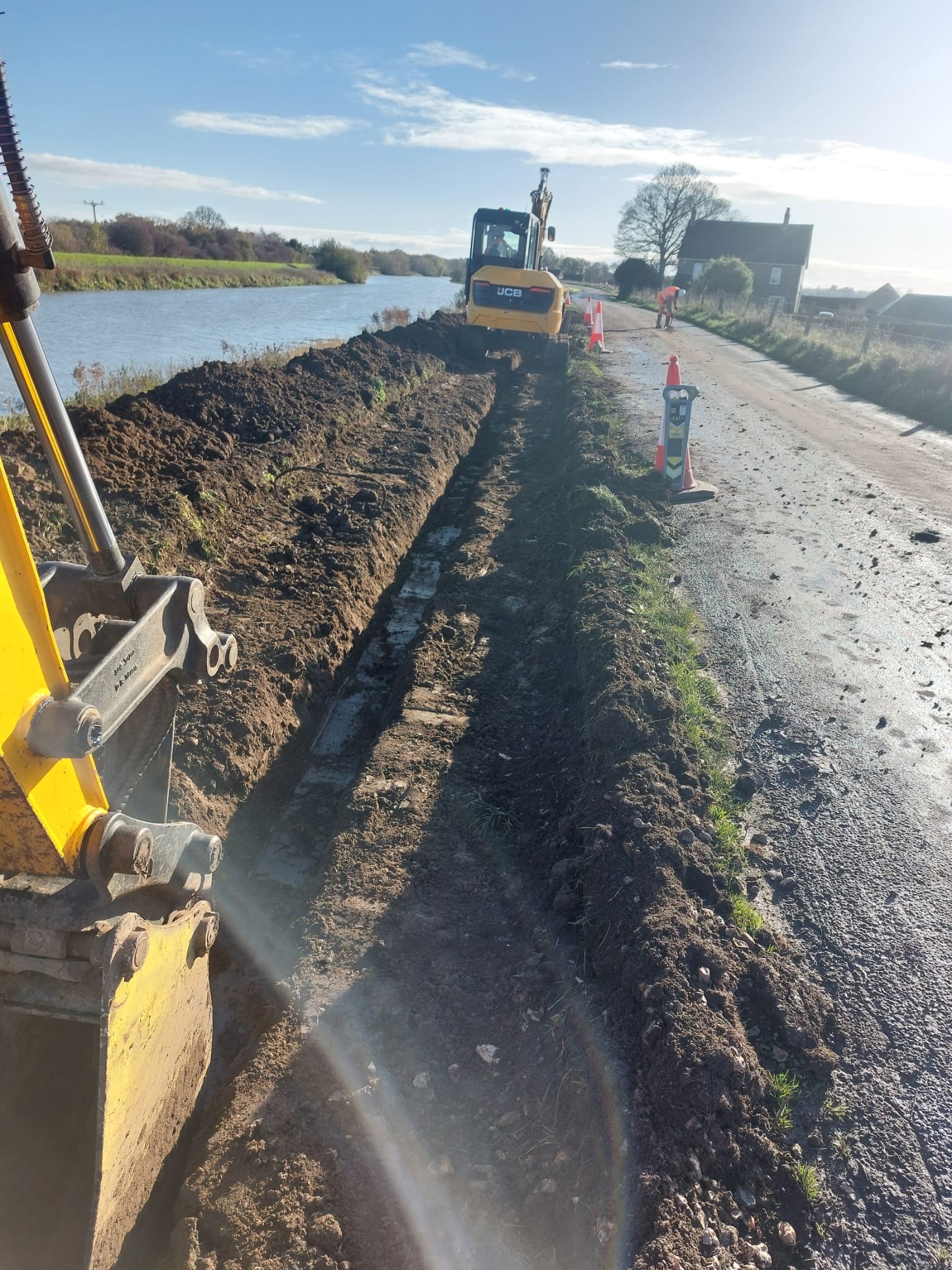
Since then, works have been progressing well across several smaller sites in the Lower Witham area. Throughout December earthworks were completed at five sites. This involved the team topping up low embankment areas, carrying out localised repairs, and removing vegetation to improve long-term resilience.
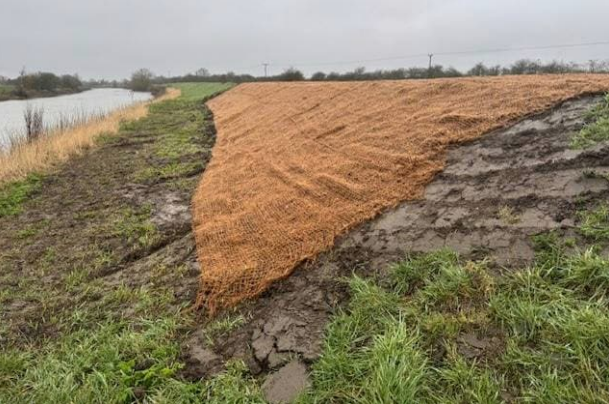
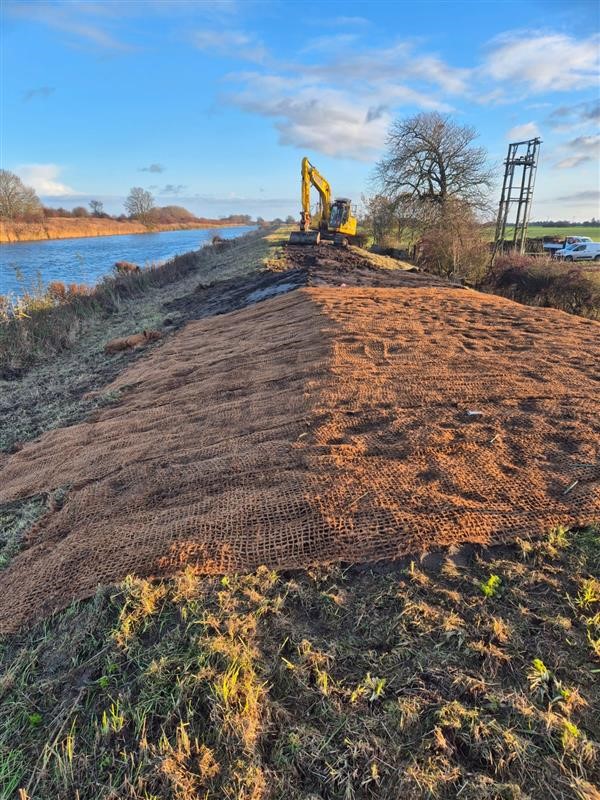
At some sites, soil has been added to raise low areas, then seeded with grass and covered with a biodegradable geotextile. This material helps grass germinate andContinue reading
-
Phase One: Grand Sluice
Since our last update in July, work has continued at Grand Sluice to prepare the structure for its full refurbishment. Our contractors Jackson Civil Engineering Ltd. have been carefully installing stop log liners. These are essential as they will allow us to safely dewater the channels when the main refurbishment begins.
Working with the tides on the downstream side has been particularly challenging. At low tide, the team can work on the bottom sections in dry conditions. But when the tide is higher, they need boats to install the liners.
Upstream, significant work has taken place on the apron. ManyContinue reading
-
Phase One: Embankments
We are pleased to share the Full Business Case for this part of project has been approved. This means the team can now move ahead with delivering works on the ground, where funding allows.
Preparations are already underway. The works have been put out to tender, and we've recently completed the evaluation process. Our preferred supplier will be announced by the end of October. In the meantime, the team is identifying areas where vegetation will need to be removed to reduce flood risk and allow space for maintenance works. We're also working with Lincolnshire County Council to apply for anyContinue reading
-
Sustainable Recovery Pilot project
It is recognised it will take time to agree on and put in place a more long-term and resilient approach to managing flood risk in the project area. In the meantime, it’s important we’re ready for any flooding that might happen.
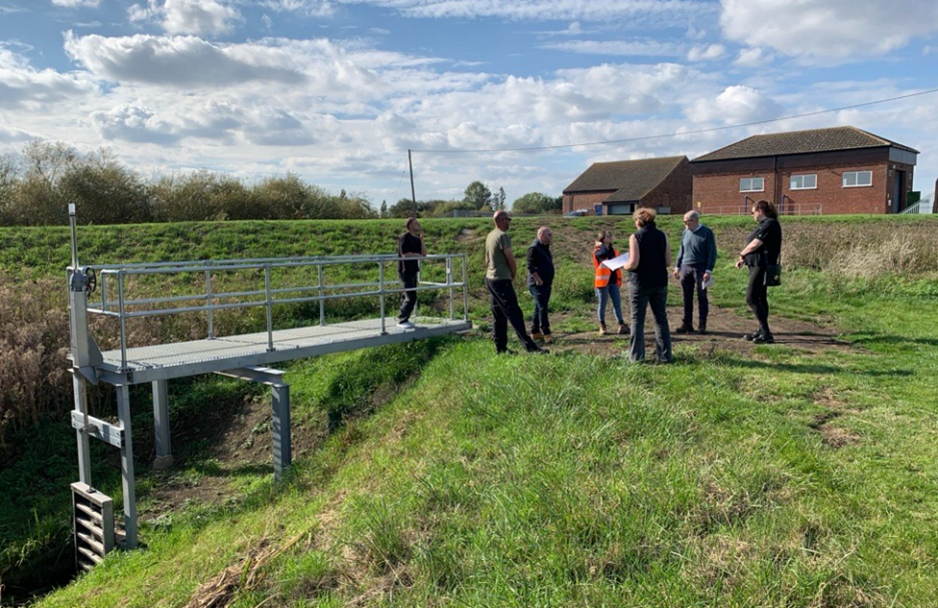
Last year, we started work on the Sustainable Recovery Pilot Contingency Plan, a short-term approach while we work on the bigger picture. Partners came together to share their plans, procedures and information on how they operate assets like pumps and penstocks.
We used this local knowledge to work out which actions work best, which ones to avoid, and whereContinue reading