
The National Framework for Water Resources - Join our community
Concerned about long-term water needs?
Join our community! Over the coming months, we’ll host webinars, share valuable information, and collaborate with key stakeholders to help ensure a sustainable water future. If you don’t have an Engagement HQ account, please register, return to this page, and subscribe to receive updates from our team.
What is the National Framework for Water Resources 2025?
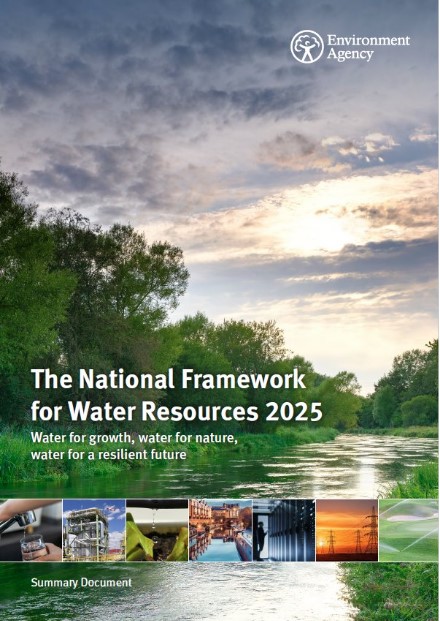
The Environment Agency’s National Framework for Water Resources shows how a sustainable water environment can thrive while supporting a growing economy. It provides a strategic approach for water resources planning to enable actions to be identified and delivered to address England’s long-term water needs. It sets out the scale of action required to ensure resilient water supplies while improving the environment.
Explore the NFWR and technical appendices
Current and future water pressures
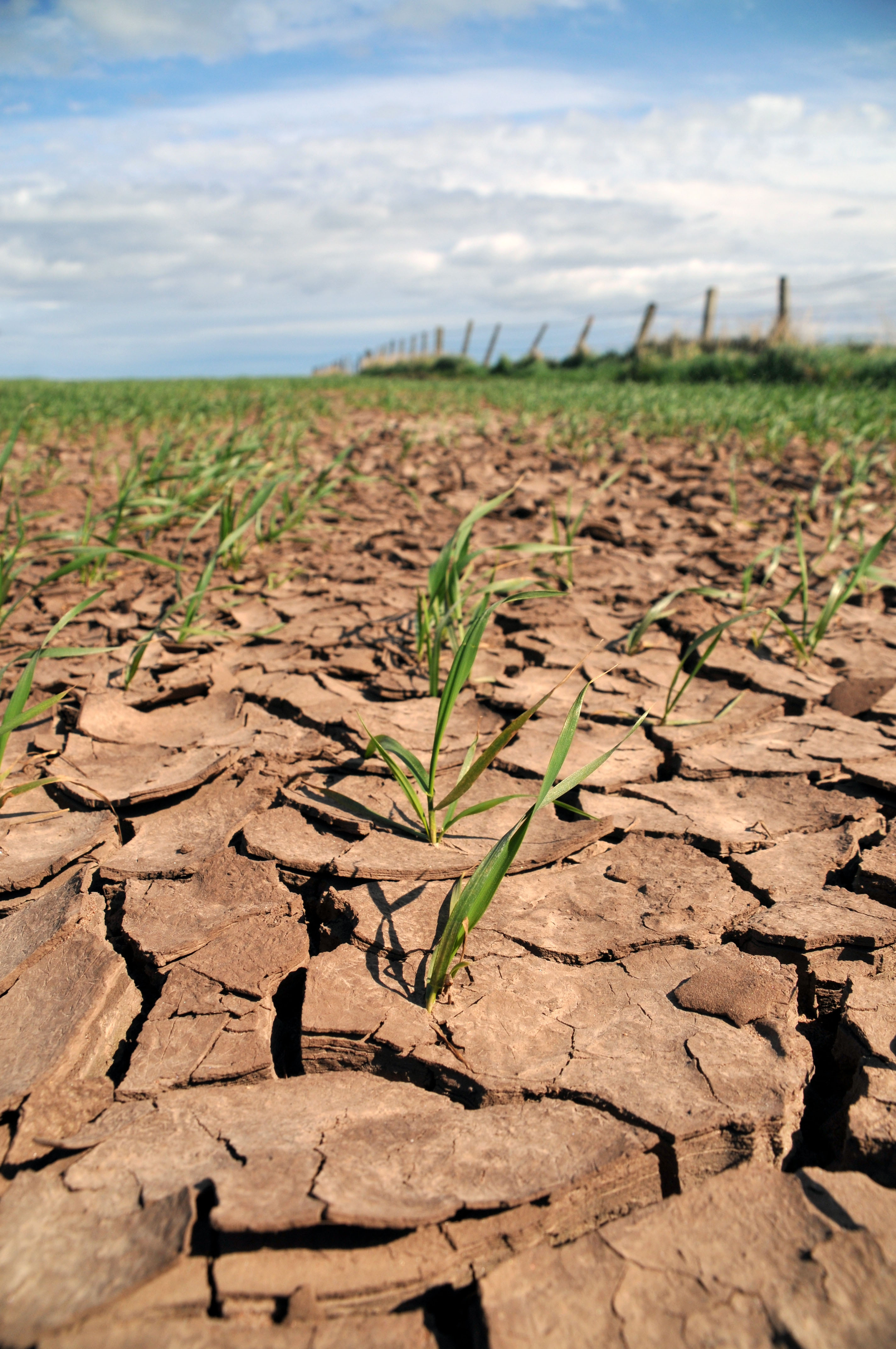
Without continued and enhanced action, we could have a 5 billion litre a day shortfall by 2055 for public water supplies alone. Apart from the threat to water supply to homes, growing pressure could restrict economic growth, damage resilience for energy supplies, limit food production and harm the environment.
Current and future pressures include:
- Environmental sustainability: sustainable abstraction supports growth with reliable access to water whilst maintaining a healthy and resilient water environment
- Increasing population: forecasts suggest the population in England will increase by over 8 million by 2055
- Climate change: we are facing less water overall, with hotter and drier summers
- Improved resilience to drought: water companies are planning to be resilient to a 1 in 500-year drought event
Environmental Destination for water resources
The Environmental Destination for water resources identifies where and by how much water abstraction needs to change to achieve and maintain a healthy water environment, both now and in the future. It forms a core part of the Environment Agency's long-term approach to sustainable abstraction and is aligned with the National Framework for Water Resources.
- Learn more about the Environmental Destination and the Environment Agency's approach to sustainable abstraction
- Explore data at the catchment and local level through the catchment summaries and the summary spreadsheet of Modelled Abstraction Reductions for each waterbody
- Access the Environmental Destination Technical Report
- (Coming soon) Read the Environmental Destination Principles document
 Multi-sector water use
The National Framework for Water Resources 2025 outlines the water needs of key sectors, including energy, agriculture, and the wider economy (including sustainable growth). It highlights the need for all water users to plan for greater resilience and encourages joined-up approaches to water resources planning.
Learn how the Environment Agency is supporting abstractors, particularly farmers, through Local Resource Option (LRO) screening studies that identify practical, collaborative solutions to improve water resilience.
Visit the Local Resource Option Water Hub page
Water Resources and Energy – enabling collaborative planning, 2024
This project identifies existing opportunities and future potential routes to collaborate and join up planning to meet the water needs of the energy sector. Through a series of workshops and consultations the report clarifies competition rules and regulatory barriers that impact upon the ability to design and develop joint solutions, for example desalination plants and water recycling plants. JBA consulting worked with key stakeholders to discuss and prioritise 43 barriers to collaborative working. The report presents realistic options and recommendations to overcome these barriers by setting out a 5-year roadmap to indicate timescales, order and owners for the proposed solutions.
National Framework for Water Resource – Water and Energy,
AEOCM Report, 2024
This project looks to understand and provide a forecast of the water requirements of the energy sector over the next 25 years (2025 to 2050), where and when it will be needed, taking account of water quality requirements and limitations on water availability. The report was created to provide the modelling data for the National Framework for Water Resources 2025 update, which built upon the 2020 National Framework to explore the long-term water needs in England across different sectors of water use. The report covers both energy generation (including hydrogen), Carbon Capture, Storage and Use.
The outputs of the project have provided current data for use in water resources modelling for future water needs within the National Framework and enabled future rounds of regional planning and water resource management to be based on the most recent and accurate information.
Humber Cluster: How can non-potable water provide a sustainable source of water for hydrogen production and CCS? JBA Consulting, 2026
Recently produced blueprint that shows how UK hydrogen producers can use non potable water (e.g. treated wastewater, industrial effluent, etc…) instead of abstracted water or drinking water to support the growth of green and blue hydrogen production. The report includes identifying current constraints in the Humber Industrial Cluster for hydrogen producers preventing use of non-potable water sources, mapping regulatory, technical, financial and environmental barriers, research opportunities to circumvent or address these barriers, developing solutions, timelines, and actions for developers, regulators and other stakeholders, including water companies.
Data Centres
The Environment Agency is working with the data centre sector to help it understand and plan for its future needs for water. In summer 2025, we collaborated with techUK to develop the first ever survey of the data centre sector’s water use. 73 sites were surveyed in England. This provided the most representative data for the sector to date; these findings were used by the Department for Science Innovation and Technology to inform policy development, and continues to inform the sector itself, being reflected in techUK’s report ‘Understanding data centre water use in England’. The report can be viewed here - TechUK report – Understanding data centre water use in England.
The modelling behind the National Framework
The National Framework for Water Resources takes a scenario-based approach to model the impacts on public water supply under a range of future demand, climate, and environmental conditions. This approach helps us assess the range of uncertainty in these pressures and estimate the potential range of water supply deficits we may face. By providing an updated view of future water needs, the modelling sets the context for the next round of water company planning (WRMP29).
Explore the WR Modelling Interactive Dashboard to view the modelling outputs and the assumptions behind them.
The figures provided through this analysis underpin the National Framework and are discussed in detail in both the summary and main report. Further information on the modelling and forecasting approach will be available in the Water Resources Modelling Technical Report, to be published in autumn 2025.
Why water efficiency matters and what you can do
Everyone has a role to play in using water more carefully and efficiently. Reducing demand benefits society by easing pressure on the environment, lowering energy use for wastewater pumping and treatment, and reducing the need for new supplies to meet growth. In turn, this helps cut emissions, reduce costs, and support a healthier and more sustainable natural environment.
However, tackling demand alone is not enough. Water companies must also continue investing in new assets and resilient infrastructure to meet society’s need for water.
We encourage everyone to be smarter with water.
For practical tips and guidance, visit Waterwise, the UK’s leading authority on water efficiency.