Environmental Destination - Get involved!
 Can you help us?
Over the coming months, we want to hear from you. Do you have ideas and suggestions for how we can support your plans for environmentally sustainable abstraction? We want to work collaboratively and help you understand the impact of abstraction in your local area.
Consultation on the water resources planning guideline
Our updated Environmental Destination (ED) for Water Resources planning guidance is now available and can be accessed here. The guidance supports water company and regional water resources planning and has been revised based on comments received as part of the recent Water Resources Planning Guideline (WRPG) consultation.
Thank you to all those who contributed to the consultation – your feedback was very helpful. You can find out more information about the key areas that respondents highlighted and a high-level summary of the changes we made in our consultation response summary.
Register
Register for an account on Engagement HQ and subscribe to this page. Once you are subscribed, we’ll keep you updated on future opportunities to engage with our teams.
 What is Environmental Destination?
The quantification of changes to current and future abstraction needed to meet environmental requirements is summarised as the Environmental Destination for water resources.
The environmental destination for water resources identifies where, and by how much, water abstraction needs to change to achieve and maintain a healthy water environment, both now and in the future.
How is the environmental destination developed?
The environmental destination for water resources applies in England and is developed by:
• Defining the long-term environmental outcomes to ensure abstraction from rivers, lakes, wetlands and estuaries is environmentally sustainable, to address both current unsustainable abstraction and future pressures. This includes future pressures from climate change impacts on river flows.
• Calculating ‘the gap’ to meet these long-term environmental outcomes (i.e. where and by how much abstraction may need to reduce) to enable environmentally sustainable abstraction.
The environmental destination does not consider the pace or how these changes will be achieved. This is done through the planning process, for example in the development of regional water resources plans.
More information on this can be found in the National Framework published in 2020 and the latest iteration of the Framework updated in June 2025 National Framework for Water Resources 2025, and further technical appendices.
 Why are we preparing for long-term water needs?
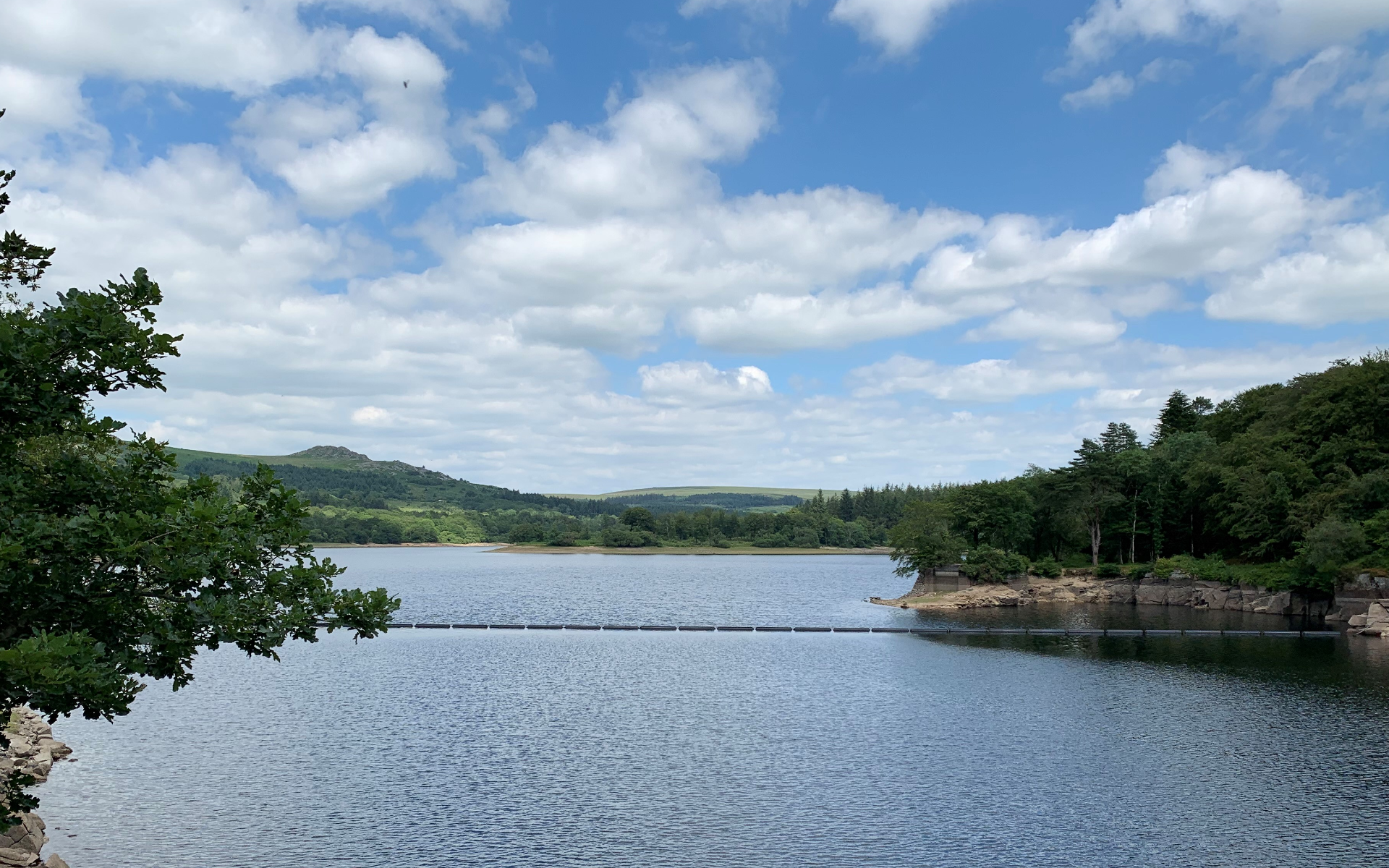
Although significant improvements have been made, the environment is still impacted by unsustainable abstraction.
Find out more below.
The facts
- ~15% of surface waterbodies and 27% of ground waterbodies have abstraction rates that are currently damaging the environment
- A further 6% of waters currently classified as ‘Good’ under the Water Framework Directives could deteriorate unless action is taken to limit abstraction
- Current unsustainable abstraction represents the biggest challenge (60%) and Water Industry abstraction accounts for 90% of the reductions needed
- Climate change and rising water demand are likely to require additional action to secure sufficient water supplies, as summer river flows in England could reduce by up to 33% by the 2050s
 What is the cost of inaction?
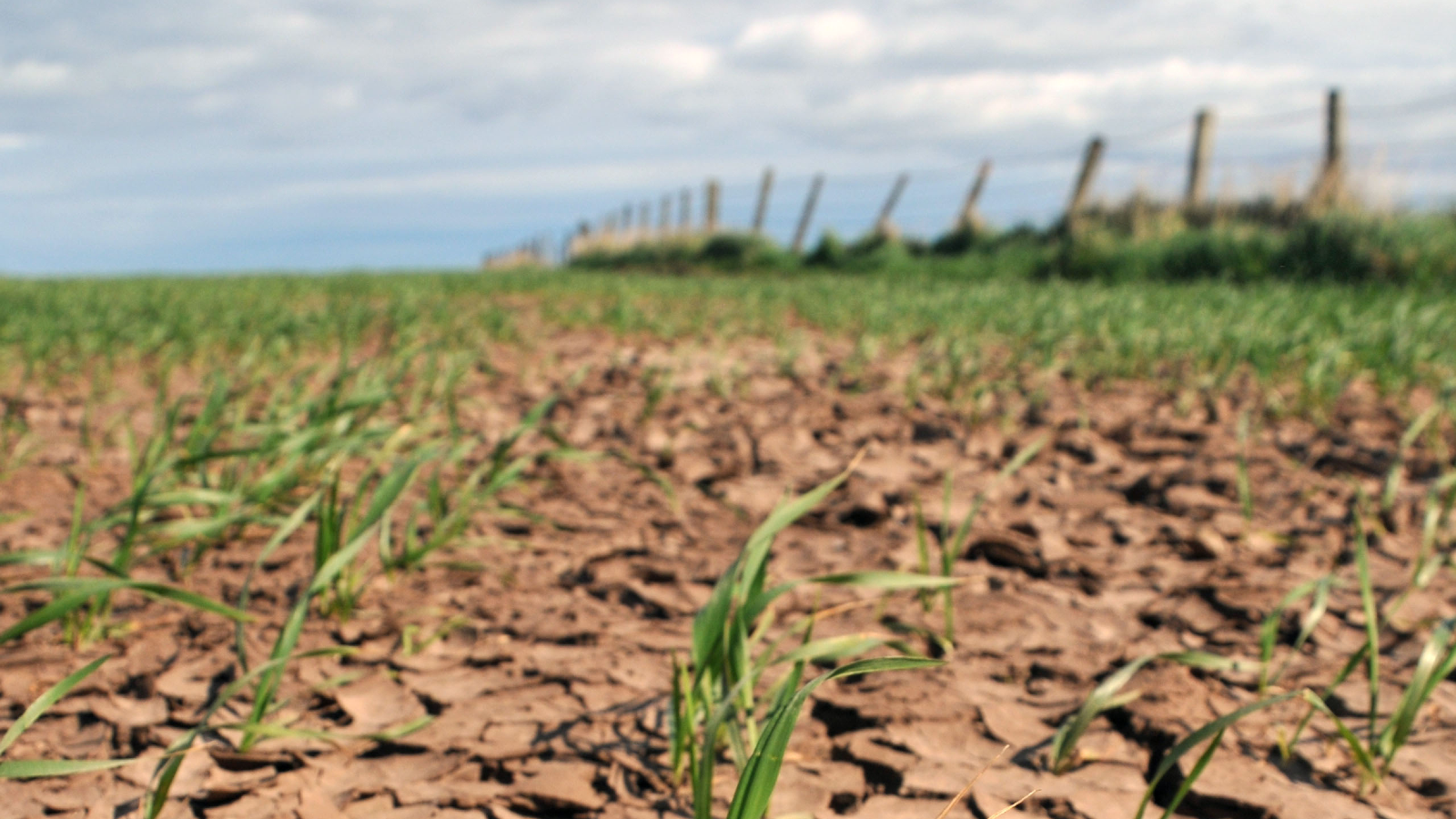
It makes economic sense to consider all these needs so that the best value solutions are chosen, building capacity in water resources, enabling future growth. Taking a proactive long-term approach to environmental water planning and forecasting where abstraction will need to change is more cost effective than waiting until negative impacts happen.
The cost of inaction could be almost double that of building resilience over the next 30 years.
The technical report
The Environmental Destination Technical Report in Appendix C describes the detailed technical approach to assessing environmental need and will be published as an appendix to the Water Resources National Framework (2025).
What is in the report?
- How we use environmental flow targets to identify where changes to abstraction may be required
- How we have estimated future natural flows
- Environmental planning scenarios
- Future growth assumptions
- Assumptions made in the analysis
- Results by regional group and sector at a national scale
Catchment summaries - what does this mean for your local area?
More detailed information at a catchment and local level can be found in the catchment summaries.
To help you understand the current and future picture of abstraction by sector, each of the 95 catchments have a summary. This will help each sector to understand the potential risk of future reductions to abstraction licences, enabling abstractors to seek opportunities to collaborate, secure future access to water, and play their part in addressing unsustainable abstraction locally.
Local information about Water Resources Environmental Destination
To support collaboration and implementation at a local scale, we have produced a summary spreadsheet of modelled abstraction reductions for each water body. This aims to help abstractors understand the potential scale of abstraction licence reduction that may be required to meet Environmental Objectives for each waterbody and highlight potential future changes. This will help abstractors to plan for sustainable water supplies.
Explore the 'Percentage Reductions' page
 How can we help you?
We see this data release as the start of an engagement process. Please email us to subscribe to our mailing list to receive information updates:
wrEnvironmentalDestination@environment-agency.gov.uk