Wessex Regulated Industry Sites

In the Wessex (WSX) area, we regulate a large number of permitted sites, including factories, mines, landfills and agricultural producers. We regularly receive enquiries about our work - this page will highlight the sites that we we receive the highest level of interest for. You will find site information, frequently asked questions and answers regarding our work, inspection updates and latest news. If you are interested in a site not given here, please email our customer and enquires team.

Regulation of Waste Sites

This page also sets out how we respond to odour reports and how we use our regulatory powers to ensure operators bring waste sites back into compliance where permit conditions are not being met.

You can find the latest updates on our response to odour from Lower Compton Landfill, Calne and Northacre MBT facility, Westbury in our newsfeed.

You can find out more about our role as a regulator here.
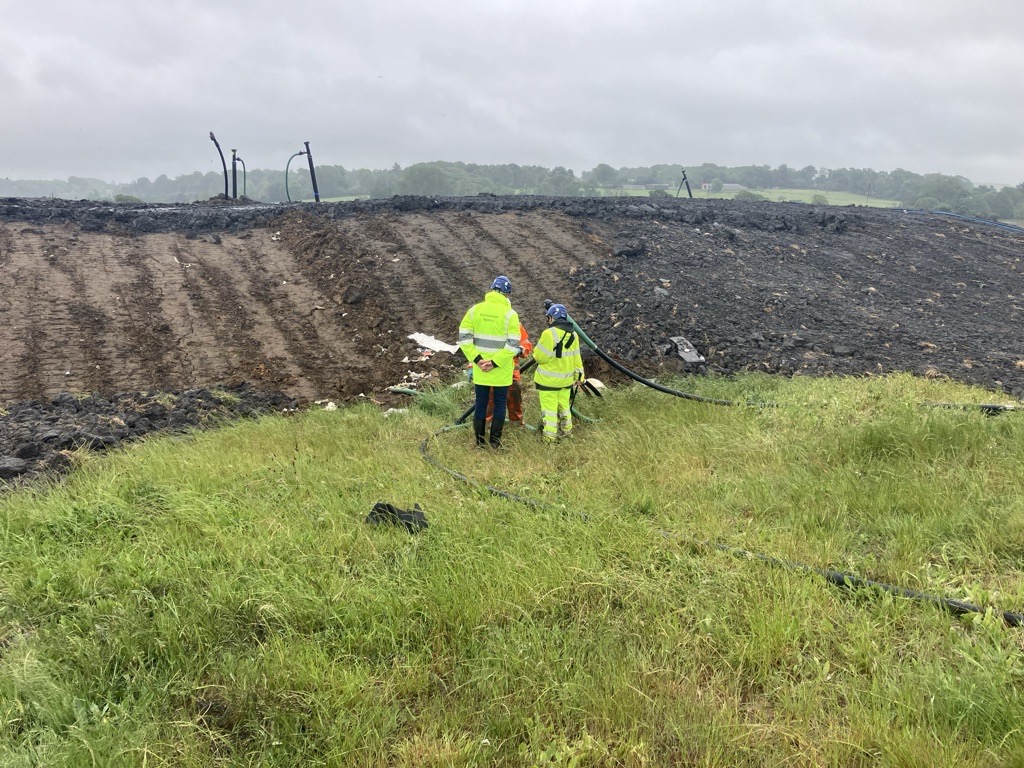

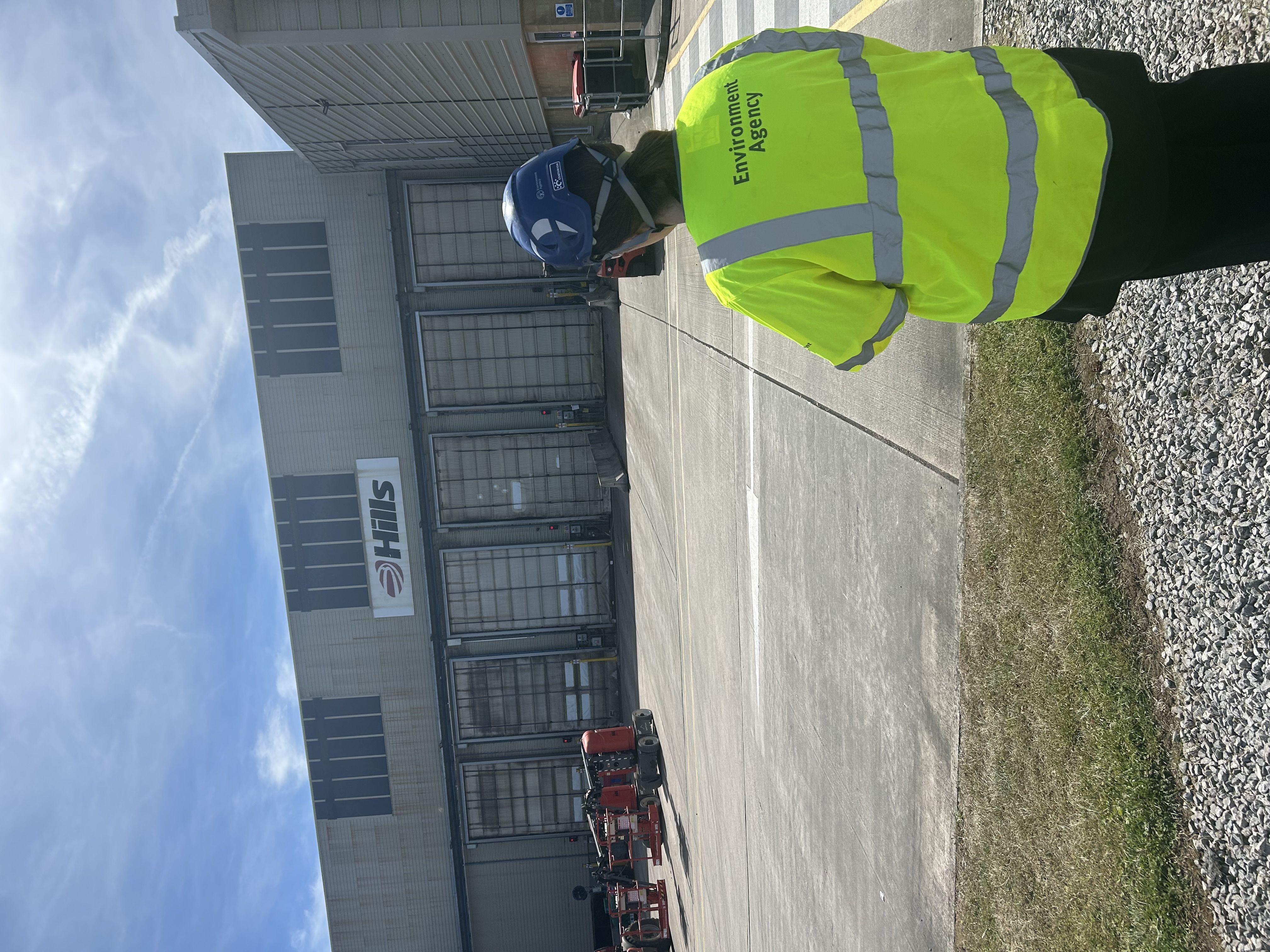
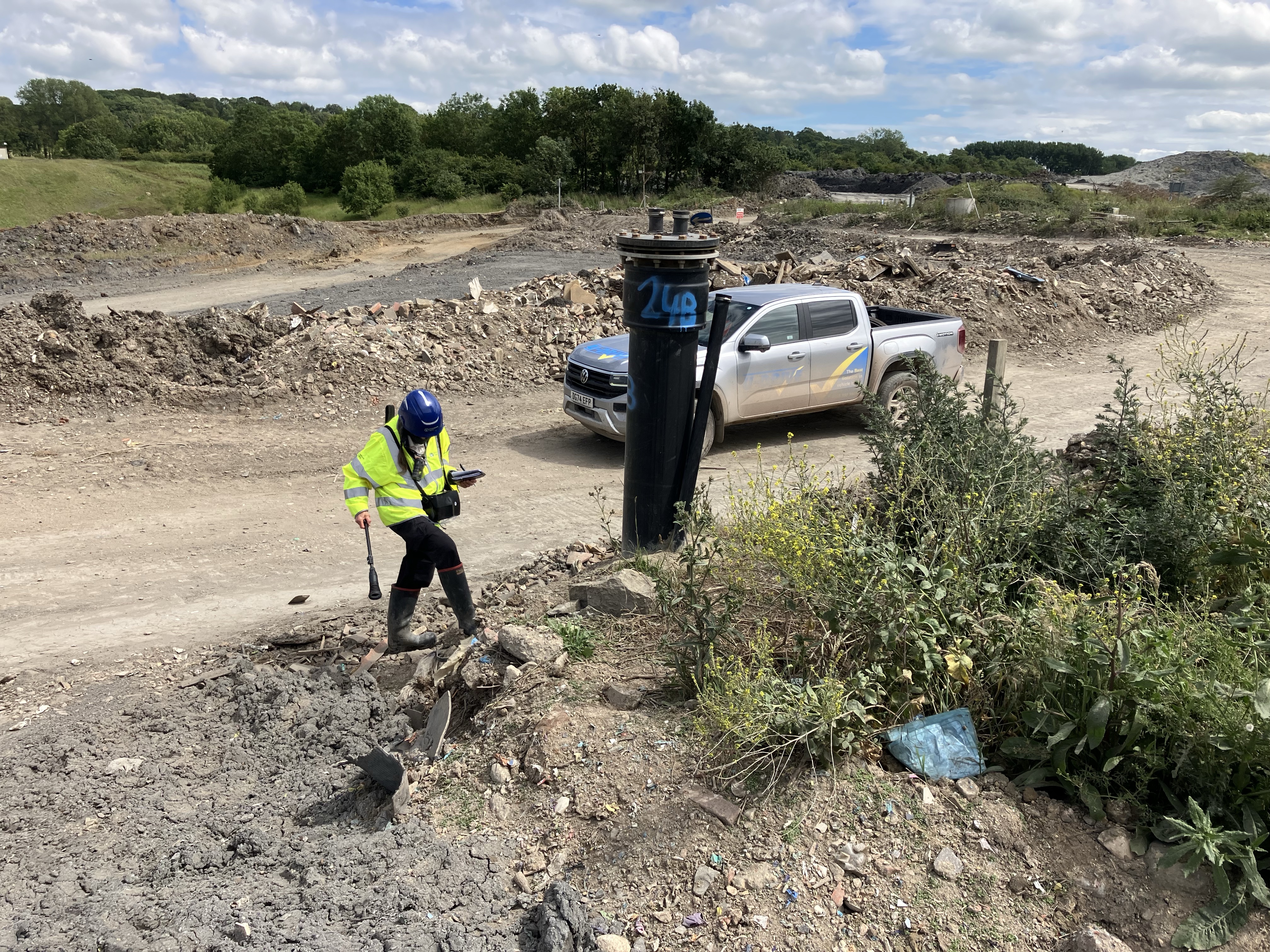
Environment Agency Staff inspecting the progress of permanent capping works at the Lower Compton Hills waste site - June 2026


Construction Projects

There are two major construction projects in Wessex :

  • Hinkley Point C

To find out more about this project, please visit our dedicated Gov.uk website at: Hinkley Point: nuclear regulation - GOV.UK

For questions relating to this project, please email our nuclear team directly at: nuclear@environment-agency.gov.uk

  • Gravity – Agratas, Battery Gigacentre, Bridgwater

More information on this site is available in our information bar on this page.

Get involved

If you experience any issues relating to any of these sites, or sites not listed on this page, please call our pollution hotline on 0800 80 70 60. Use this link to find out more about how to report an environmental issue.

In the Wessex (WSX) area, we regulate a large number of permitted sites, including factories, mines, landfills and agricultural producers. We regularly receive enquiries about our work - this page will highlight the sites that we we receive the highest level of interest for. You will find site information, frequently asked questions and answers regarding our work, inspection updates and latest news. If you are interested in a site not given here, please email our customer and enquires team.

Regulation of Waste Sites

This page also sets out how we respond to odour reports and how we use our regulatory powers to ensure operators bring waste sites back into compliance where permit conditions are not being met.

You can find the latest updates on our response to odour from Lower Compton Landfill, Calne and Northacre MBT facility, Westbury in our newsfeed.

You can find out more about our role as a regulator here.


Environment Agency Staff inspecting the progress of permanent capping works at the Lower Compton Hills waste site - June 2026


Construction Projects

There are two major construction projects in Wessex :

  • Hinkley Point C

To find out more about this project, please visit our dedicated Gov.uk website at: Hinkley Point: nuclear regulation - GOV.UK

For questions relating to this project, please email our nuclear team directly at: nuclear@environment-agency.gov.uk

  • Gravity – Agratas, Battery Gigacentre, Bridgwater

More information on this site is available in our information bar on this page.

Get involved

If you experience any issues relating to any of these sites, or sites not listed on this page, please call our pollution hotline on 0800 80 70 60. Use this link to find out more about how to report an environmental issue.

  • Community Update : Lower Compton Landfill Update 17 July 26

    Environment Agency officers have been on site at Lower Compton Landfill this week to review the operator's progress against the improvement action plan we requested.

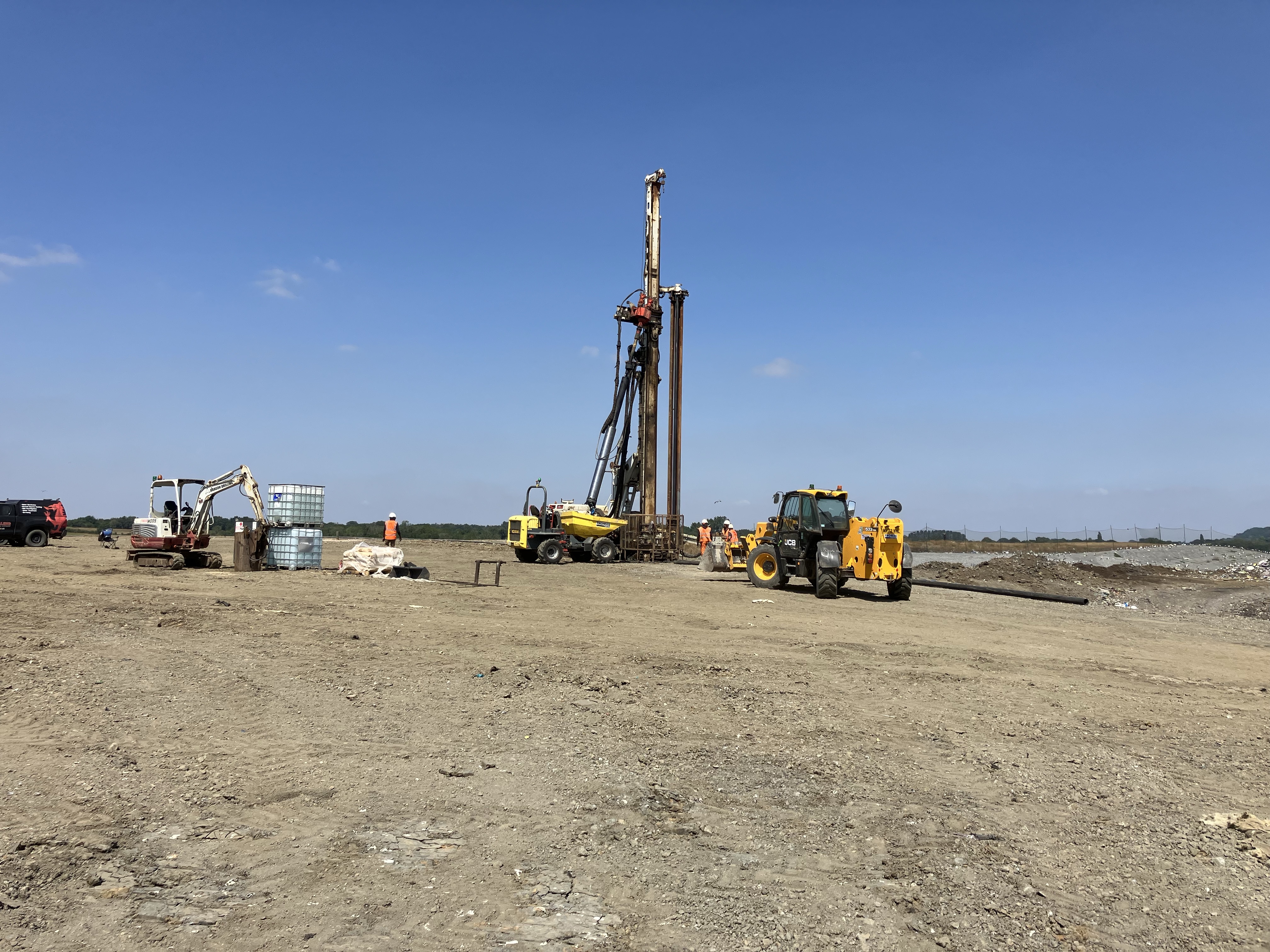
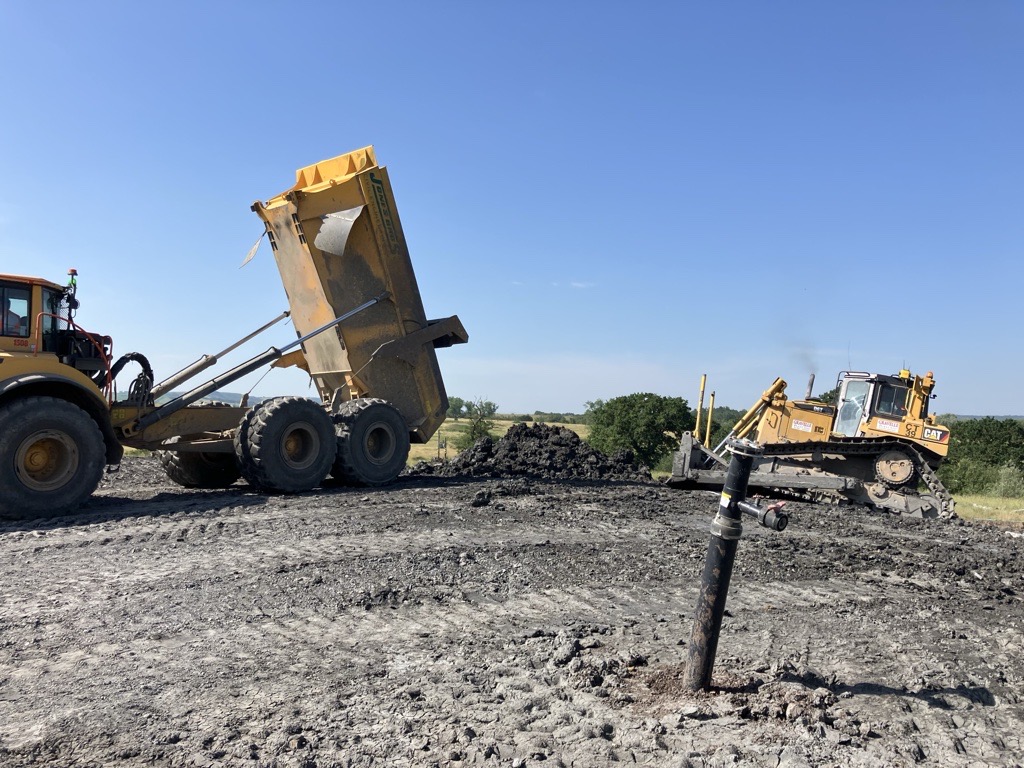
    Following the completion of capping works last week, drilling of six additional landfill gas wells began on 13 July and is scheduled to be completed on 17 July (see image). These permanent vertical gas wells have been installed through the newly capped area and are expected to improve gas capture and further reduce emissions from the site.

    As with any new system, there will be a short period of stabilisation while the equipment becomes fully

    Environment Agency officers have been on site at Lower Compton Landfill this week to review the operator's progress against the improvement action plan we requested.

    Following the completion of capping works last week, drilling of six additional landfill gas wells began on 13 July and is scheduled to be completed on 17 July (see image). These permanent vertical gas wells have been installed through the newly capped area and are expected to improve gas capture and further reduce emissions from the site.

    As with any new system, there will be a short period of stabilisation while the equipment becomes fully operational.

    The new wells are connected to the landfill gas management system, allowing methane and other landfill gases to be actively extracted and controlled. To assess the effectiveness of these measures, experienced Environment Agency officers will begin air quality monitoring in August. This monitoring will help determine whether the new infrastructure is reducing odours and improving gas collection.

    The Environment Agency will continue to closely monitor the site and carry out regular inspections to ensure emissions remain effectively controlled.

    Should odour issues continue following the August monitoring period, we will require Hills Waste Solutions to review and update its action plan to identify any further measures needed.

    Separately, works at the Northacre Mechanical Biological Treatment (MBT) facility in Westbury have now been completed. Hills has confirmed that the facility is scheduled to reopen on 20 July, meaning waste will no longer need to be redirected to Lower Compton Landfill.

    We look forward to welcoming residents and members of the community to our multi-agency drop-in event on Tuesday 21 July 2026, from 4pm to 7pm at Calne Town Hall. This is an opportunity to discuss the recent UKHSA air quality assessment, capping works, gas wells and ongoing activities at the site with representatives from the Environment Agency, UKHSA, Wiltshire Council and Hills Waste Solutions.

    We look forward to seeing you there.

  • Calne monitoring update 15 July 2026

    We wanted to share information to address some of the feedback and comments received from residents and the community around the location of the Environment Agency’s monitoring facility in Calne following publication last week of the UK Health Security Agency (UKHSA) Public Health Assessment. The Environment Agency will be able to address any further questions at the public drop in engagement event at Calne Town Hall on 21 July 4-7 pm.

    The primary purpose of the Environment Agency’s monitoring is to support our regulatory responsibilities and assess compliance with the site’s Environmental Permit. The purpose of

    We wanted to share information to address some of the feedback and comments received from residents and the community around the location of the Environment Agency’s monitoring facility in Calne following publication last week of the UK Health Security Agency (UKHSA) Public Health Assessment. The Environment Agency will be able to address any further questions at the public drop in engagement event at Calne Town Hall on 21 July 4-7 pm.

    The primary purpose of the Environment Agency’s monitoring is to support our regulatory responsibilities and assess compliance with the site’s Environmental Permit. The purpose of an Environmental Permit is to ensure waste activities are carried out in a way that protects the environment and people. More information about environmental permits can be found here: Waste: environmental permits - GOV.UK.

    The Environment Agency understands why residents may want air quality monitors located in different parts of the community. However, the placement of air quality monitoring equipment involves balancing scientific, practical and operational considerations. While some residents may feel the monitor is not in the ideal location, our assessment is supported by analysis of odour reports received from the community.

    The monitor’s current location at the school was chosen following an assessment of a range of factors. The monitoring unit is a large, specialist piece of equipment that requires a secure location, a reliable power supply, compliance with strict electrical safety requirements, and permission from the landowner. Suitable sites that meet all of these requirements can be difficult to secure.

    When selecting a monitoring location, it is important that we collect data that is representative over time, rather than continually moving equipment in response to individual reports or changing weather conditions. If the monitor were regularly relocated to follow where odours are being reported on a particular day, we would risk "chasing the plume" rather than gathering robust, representative data about air quality and potential exposure within the wider community.

    By keeping the monitor in one location for an extended period, we are able to capture a range of operating conditions, weather patterns, wind directions, temperatures and atmospheric pressures. This provides a more complete picture of air quality over time, allowing us to assess periods when emissions may increase, decrease or change direction. Longer-term monitoring therefore produces data that is more reliable and representative than a series of short-term measurements taken at multiple locations.

    We recognise that no single monitoring location will satisfy everyone's expectations, and there is always an element of compromise in the siting process. However, based on the available evidence and the practical constraints involved, we are confident that the current location at the school provides an appropriate balance between scientific robustness, operational practicality and the need to obtain meaningful monitoring data.

    The mobile monitoring facility (MMF) located at the school was not deployed for public health investigations and is not the primary source of evidence used to determine permit compliance.

    The most important evidence comes from trained Environment Agency officers carrying out odour assessments within the community. These officers are qualified to detect and assess the presence, character and intensity of odours, providing the key evidence used to determine whether permit conditions are being met. Data collected by the MMF is used to complement and support this officer-based evidence.

    The Environmental Permit does not have specific limits for air pollutants. Instead, it includes a more powerful condition that requires the site “not to cause odour to escape the site at a level likely to cause pollution as perceived by an authorised officer”. As a result, officer observations are an important part of our assessment because people can often detect odours at levels below the detection limits of monitoring equipment.

    The Environment Agency does not have the powers or specialist public health expertise to investigate potential health impacts on local communities. Responsibility for assessing and responding to public health concerns sits with Wiltshire Council and the UK Health Security Agency (UKHSA). This includes the potential for extra monitoring in the community. To support their work, the Environment Agency has shared the monitoring data collected by the MMF with the UKHSA who completed their public health risk assessment which can be accessed here UKHSA Full PHRA for Lower Compton Landfill

    We look forward to welcoming you to our event next week.

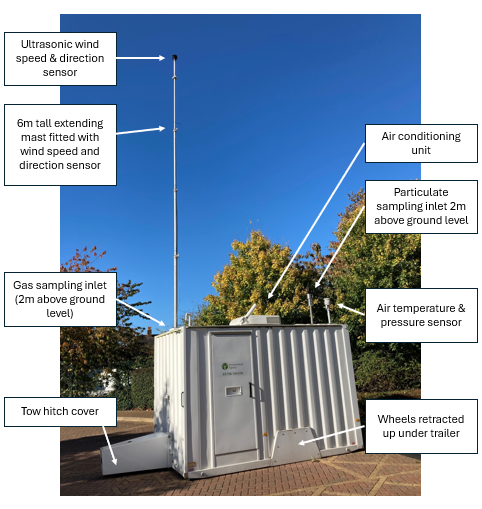
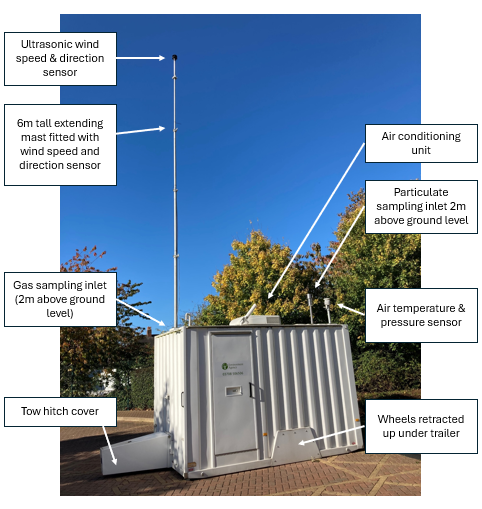
    Annotated Mobile Monitoring Facility


  • Odour Response in Westbury 10 July 26

    The Environment Agency takes concerns from the local community seriously and is continuing to investigate reports of odour in the Westbury area.

    As we shared last week, Hills have shut the Northacre MBT facility in Westbury for two weeks for maintenance to one of their biohall cranes. They have shared that they plan to reopen the facility on the 20 July. You can read more from Hills about the decision here: https://www.hills-waste.co.uk/news/northacre-mbt-lower-compton-landfill-and-ukhsa-report

    Hills have made the decision to currently stop accepting waste. We have required the operator to use this period to carry out additional surveys and remediation work

    The Environment Agency takes concerns from the local community seriously and is continuing to investigate reports of odour in the Westbury area.

    As we shared last week, Hills have shut the Northacre MBT facility in Westbury for two weeks for maintenance to one of their biohall cranes. They have shared that they plan to reopen the facility on the 20 July. You can read more from Hills about the decision here: https://www.hills-waste.co.uk/news/northacre-mbt-lower-compton-landfill-and-ukhsa-report

    Hills have made the decision to currently stop accepting waste. We have required the operator to use this period to carry out additional surveys and remediation work on key infrastructure, including the biofilter, air circulation and negative pressure systems that are designed to minimise odour emissions.

    In recent weeks, Environment Agency officers have carried out odour assessments on most days when reports have been received. We have also completed site inspections, reviewed regulatory information provided by the operator, and continue to work closely with relevant partners to identify potential sources of the odour and reduce impacts where possible.

    Investigating odour can be complex, particularly where there may be multiple potential sources and where weather and environmental conditions can affect how odours are experienced across an area. We will continue to assess all reports received and will take appropriate regulatory action if necessary.

    We understand the disruption and frustration that odour issues can cause for local residents and appreciate the importance of addressing community concerns. We are committed to engaging face to face with the community in Westbury as soon as possible, and we are working with Wiltshire Council to arrange an event in the near future.

    Environment Agency staff on site at Northacre MBT


  • Odour Response in Calne 10 July 26

    Following on from yesterday’s air quality monitoring update, we would like to provide an update on this week’s progress at the Lower Compton Landfill and the actions being taken to address odour concerns affecting communities in Calne and the surrounding area.

    This week, the Environment Agency visited Lower Compton Landfill to review site operations and progress against the action plan required by the Environment Agency. We can confirm that all permanent and temporary capping works have now been completed ahead of schedule. Hills has also confirmed that additional landfill gas wells will be installed from 13 July to increase

    Following on from yesterday’s air quality monitoring update, we would like to provide an update on this week’s progress at the Lower Compton Landfill and the actions being taken to address odour concerns affecting communities in Calne and the surrounding area.

    This week, the Environment Agency visited Lower Compton Landfill to review site operations and progress against the action plan required by the Environment Agency. We can confirm that all permanent and temporary capping works have now been completed ahead of schedule. Hills has also confirmed that additional landfill gas wells will be installed from 13 July to increase gas capture and further reduce emissions from the site. The site operator has shared an update on the works here: https://www.hills-waste.co.uk/news/northacre-mbt-lower-compton-landfill-and-ukhsa-report

    As outlined in our update yesterday on the publication of the UK Health Security Agency (UKHSA) Public Health Risk Assessment, monitoring data collected by the Environment Agency supports findings from our inspections and off-site odour assessments. The ambient air monitoring station remains in place and will help us to establish whether the work currently being completed by Hills is minimising landfill gas odour. We will carry out our assessment in August, once the installation of the permanent gas infrastructure has been completed.

    As previously communicated, waste that would normally be processed at the Northacre Mechanical Biological Treatment (MBT) facility in Westbury continues to be redirected to Lower Compton while maintenance works are completed there. We have emphasised to Hills the importance of managing this waste appropriately and minimising any impact on local communities. Hills has confirmed that all additional waste diverted from Northacre MBT is being landfilled immediately to reduce any potential impact. Hills have shared that they expect the MBT plant will restart from Monday 20 July.

    The Environment Agency will continue to regulate the site closely and carry out inspections and off-site odour assessments to monitor the effectiveness of the measures implemented. We will continue to work with Hills Waste Solutions, Wiltshire Council and UKHSA to ensure appropriate action is taken where necessary.

    As previously announced, a multi-agency community drop-in event will take place on 21 July 2026, from 4pm to 7pm at Calne Town Hall, where residents can discuss the recent air quality assessment and ongoing work at the site with representatives from the Environment Agency, UKHSA, Wiltshire Council and Hills Waste Solutions.


    Environment Agency staff monitoring at the Lower Compton site Jul 26


  • Calne Air Quality Monitoring Data & UKHSA Public Health Risk Assessment

    The UK Health Security Agency (UKHSA) has now completed and published a public health risk assessment using data collected by the Environment Agency's Mobile Monitoring Facility (MMF) in the Calne community, located at Priestley Primary School.

    The MMF provides continuous air quality monitoring, including measurements of hydrogen sulphide, methane and particulate matter concentrations. We recognise the community's desire for transparency and openness; therefore, the full ratified dataset used to inform the assessment is available on our website.

    The full UKHSA report, together with an executive summary, can be accessed here:

    UKHSA PHRA Summary

    UKHSA PHRA Full Report

    We have also

    The UK Health Security Agency (UKHSA) has now completed and published a public health risk assessment using data collected by the Environment Agency's Mobile Monitoring Facility (MMF) in the Calne community, located at Priestley Primary School.

    The MMF provides continuous air quality monitoring, including measurements of hydrogen sulphide, methane and particulate matter concentrations. We recognise the community's desire for transparency and openness; therefore, the full ratified dataset used to inform the assessment is available on our website.

    The full UKHSA report, together with an executive summary, can be accessed here:

    UKHSA PHRA Summary

    UKHSA PHRA Full Report

    We have also provided the Environment Agency Study of Ambient Air Quality at Lower Compton:

    Environment Agency Air Quality Study

    MMF Air Quality Dataset (Excel)

    We, Wiltshire Council and UKHSA have also prepared a Questions and Answers (Q&A) to help explain the findings and address some of the questions residents may have when reading the report.

    The ambient air monitoring data produced by the Environment Agency, and analysed in this report, shows that there is a source of hydrogen sulphide and methane in the direction of the Lower Compton Landfill Site. 

    This confirms the findings of our inspections and off-site odour assessments, and supports the Environment Agency’s regulatory decisions, including requiring Hills to bring capping works forward and change the ways they manage odour.

    Community Drop-in Event 21 July 2026

    We are hosting a multi-agency drop-in event where residents can discuss the report's findings directly with representatives from the agencies involved in responding to the odour issues in Calne.

    Calne Landfill Odour Response Drop-in Event

    Date: 21 July 2026
    Time: 4:00pm – 7:00pm
    Location: Large Hall, Calne Town Hall, SN11 0EN

    Representatives from multiple agencies will be available to answer questions and provide information:

    • Environment Agency - Air quality monitoring, monitoring methodology and site regulation. Contact: wessexenquiries@environment-agency.gov.uk
    • UKHSA - Technical findings of the UKHSA assessment and further information on UKHSA advice. Contact: enquiries@ukhsa.gov.uk
    • Wiltshire Council – Environmental Health Team and statutory nuisance investigations. For more information: www.wiltshire.gov.uk/article/1833/Smells-and-odours
    • Health concerns, medical advice and Public Health issues – Wiltshire Council and UKHSA advise if you have any concerns about your health, please contact your GP or NHS 111 for individual medical advice in the first instance. If you have any further public health-related queries, you can email Wiltshire Council Public Health at publichealth@wiltshire.gov.uk, who can help direct your query to the most appropriate organisation for a response.
    • Hills Waste Solutions – Site operations. Contact: www.hills-group.co.uk/contact-us/

    About the Monitoring Programme

    The monitoring location at Priestley Primary School was carefully selected using a range of factors, including prevailing wind patterns, the predicted movement of landfill emissions and the geographical distribution of odour reports received from the community.

    In addition to measuring air quality, the Mobile Monitoring Facility collected meteorological information such as wind speed, wind direction, temperature and atmospheric pressure. This data helps us understand when emissions may have occurred and whether they could be linked to landfill operations.

    The monitoring programme supported our extensive field observations from Environment Agency officers who responded to odour reports across the community. Together, these sources of information have provided a comprehensive evidence base to support our ongoing regulatory work.

    You can read more about the monitoring programme in our Questions and Answers.

    Environment Agency regulation

    The Environment Agency is responsible for regulating the landfill site and ensuring compliance with the conditions of its environmental permit.

    As the environmental regulator, we have taken extensive action to require Hills Waste Solutions to address the source of the odour affecting the Calne community. These improvement works are now nearing completion.

    We will continue to regulate the site closely and will take further enforcement action where necessary to ensure permit compliance and minimise environmental impacts.

    Responsibility for investigating odour nuisance sits with Wiltshire Council. Public health matters are the responsibility of the UKHSA and Wiltshire Council through their director of public health. We will continue to work closely with both organisations.

  • Odour Response Update 3 July 2026

    Following on from our previous briefings, we would like to provide a further update on the odour concerns being experienced in Calne and Westbury.

    Following the failure of the cranes at the Westbury Mechanical Biological Treatment (MBT) facility, Hills has taken the decision to temporarily stop accepting new household waste at the site. You can read more about Hills’ decision in their update here: https://www.hills-waste.co.uk/news/update-on-northacre-mbt-and-lower-compton-landfill

    As a result, Hills has implemented its contingency plan, which has been agreed with Wiltshire Council, by redirecting household waste collections that would normally be processed at Westbury to the Hills facility at Compton Bassett

    Following on from our previous briefings, we would like to provide a further update on the odour concerns being experienced in Calne and Westbury.

    Following the failure of the cranes at the Westbury Mechanical Biological Treatment (MBT) facility, Hills has taken the decision to temporarily stop accepting new household waste at the site. You can read more about Hills’ decision in their update here: https://www.hills-waste.co.uk/news/update-on-northacre-mbt-and-lower-compton-landfill

    As a result, Hills has implemented its contingency plan, which has been agreed with Wiltshire Council, by redirecting household waste collections that would normally be processed at Westbury to the Hills facility at Compton Bassett, near Calne. This will enable collections to continue while Hills addresses the issue at the Westbury site.

    We recognise that this change may increase concerns about odour in both communities, particularly with further periods of hot weather forecast. In Westbury, there may be increased odour associated with doors being opened to carry out the necessary repair work. We have inspected the transfer station in Compton Bassett today, ensuring that Hills are using appropriate measures to minimise odour from the additional waste being delivered.

    We fully appreciate that this situation is far from ideal for residents. We are working closely and urgently with Hills and Wiltshire Council to identify and implement measures that will minimise the impact of the additional waste being processed at Compton Bassett and to reduce odour wherever possible.

    Please be assured that officers will continue to monitor odour levels in Westbury throughout the weekend and will respond to reports from residents across the area as they are received. We understand how challenging waste-related odours can be, especially during periods of warm weather, and we remain committed to investigating concerns and taking appropriate action where necessary.

    We are also continuing to work with Wiltshire Council and the UKHSA to arrange community engagement events in both Calne and Westbury. These sessions will provide residents with an opportunity to speak directly with representatives from the relevant organisations, ask questions, and share their experiences. Details of dates and venues will be shared as soon as arrangements are confirmed.


    Heavy plant working to complete capping work at lower compton landfill site, a gas well can be seen in the pictureProgress continues with the capping works at the Lower Compton landfill site


  • Odour Response in Calne 26 June 2026

    We understand that many people in the community are feeling frustrated and upset about odour, particularly over the past week. Over 100 reports were received across the weekend, and we recognise the real impact this is having on day-to-day life, especially during the current hot weather.

    Periods of heat can make odours more noticeable and allow them to travel further. While this helps explain the recent increase, we know this does not lessen the experience for those affected, and we want to reassure residents that concerns are being taken seriously.

    Our officers have been actively responding to reports across the

    We understand that many people in the community are feeling frustrated and upset about odour, particularly over the past week. Over 100 reports were received across the weekend, and we recognise the real impact this is having on day-to-day life, especially during the current hot weather.

    Periods of heat can make odours more noticeable and allow them to travel further. While this helps explain the recent increase, we know this does not lessen the experience for those affected, and we want to reassure residents that concerns are being taken seriously.

    Our officers have been actively responding to reports across the area. During these visits, odour levels have generally been assessed as faint to transient. However, we fully appreciate that even intermittent odours can be unpleasant, disruptive, and, at times, distressing.

    As the regulator, we are continuing to robustly oversee the permanent capping works that we have required Hills to deliver in order to bring the site back into full compliance with its environmental permit. These works are a regulatory requirement and are expected to be completed by the end of July.

    Following completion, we will work in partnership with Wiltshire Council Environmental Health Officers to monitor odour levels in the community and assess the effectiveness of the capping. We will take further regulatory action if necessary to ensure the site is operating in compliance and impacts on the community are appropriately controlled.


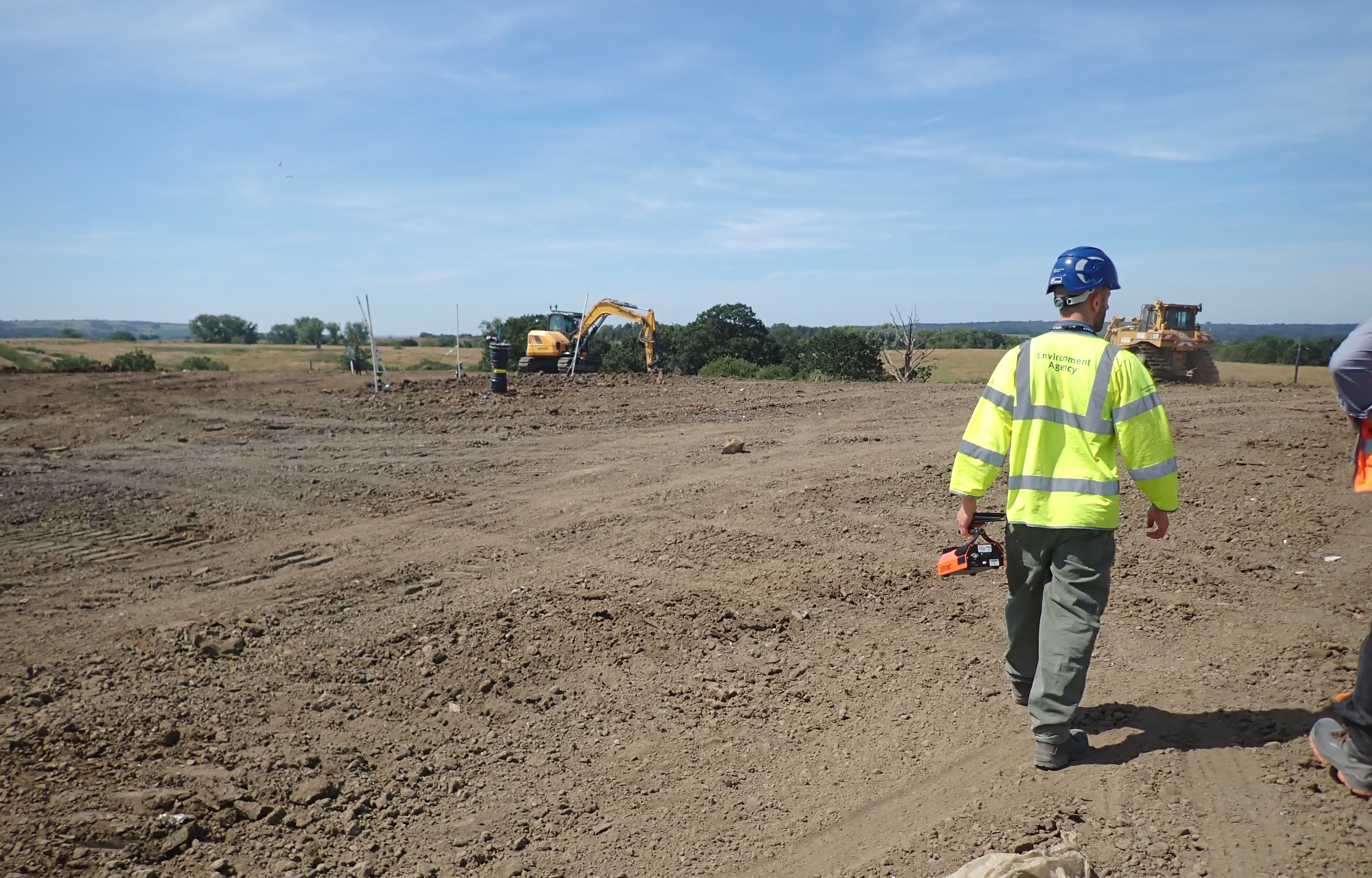
    An Environment Agency staff member uses a device to monitor for gas at the Lower Compton landfill siteEnvironment Agency staff monitoring at the Lower Compton site


    Upcoming engagement

    We are working with our partners at Wiltshire Council and the UK Health Security Agency (UKHSA) to arrange a community engagement event in Calne. This will provide residents with an opportunity to speak directly with us and partners, ask questions, and raise any concerns about the ongoing odour issues.

    We are committed to ensuring the community has access to clear information and the opportunity to be heard. Details of the event, including date and venue, will be shared as soon as they are confirmed.

    Public Health Advice

    UK Health Security Agency (UKHSA) provides specialist public health advice to the Wiltshire Council and partners, including the Environment Agency, to protect the public’s health. UKHSA has no regulatory or intervention powers in this area.

    Lucy McCann, Consultant in Health Protection at UKHSA South West, said: “Everyone reacts to odours differently, and some people are more sensitive to environmental odours than others.

    Landfill gas contains hydrogen sulphide, which even in very small quantities produces a strong smell similar to rotten eggs and may be noticeable to nearby residents.

    At the levels currently being detected around this site, the risk to health is likely to be low. The Environment Agency continues to monitor levels on-site and in the wider community.

    Even when levels are low, strong smells can still be unpleasant and may affect wellbeing. Some people may experience symptoms such as headaches, nausea, or dizziness, particularly if exposed for longer periods.”

    Advice for Residents

    UKHSA advises residents to:

    • Close windows in the evening if outdoor odours are noticeable, and reopen them in the morning when conditions improve
    • Use weather forecasts to identify times your property is downwind (when closing windows can reduce landfill odour indoors) and upwind (when opening windows can reduce any residual odour indoors)
    • Report odour to the Environment Agency

    For further information on UKHSA advice and guidance please contact: Enquiries@ukhsa.gov.uk

    If you have any concerns about your health, please contact your GP or NHS 111 for individual medical advice.

    If you have any further public health-related queries, you can email Wiltshire Council Public Health at publichealth@wiltshire.gov.uk, who can help direct your query to the most appropriate organisation for a response.

  • Odour Response in Westbury

    Odour Update 19 June 2026: Northacre MBT Facility; Westbury

    In our previous update, we reported that Hills had an issue with their biofilter and that they had carried out maintenance work which was expected to help reduce odour levels. However, Hills have now confirmed that the new biofilter is currently not operating effectively due to a further fault with the newly installed moisture control sensor. This has resulted in the system becoming too wet and not functioning as designed.

    While a back-up system enabled the issue to be identified quickly, we recognise that any increase is concerning and understand the

    Odour Update 19 June 2026: Northacre MBT Facility; Westbury

    In our previous update, we reported that Hills had an issue with their biofilter and that they had carried out maintenance work which was expected to help reduce odour levels. However, Hills have now confirmed that the new biofilter is currently not operating effectively due to a further fault with the newly installed moisture control sensor. This has resulted in the system becoming too wet and not functioning as designed.

    While a back-up system enabled the issue to be identified quickly, we recognise that any increase is concerning and understand the frustration this causes within the community. We have required Hills to take action to rectify this as quickly as possible.

    We have independently observed an increase in odour this week, which we attribute to these ongoing biofilter failures. The odour our officers are detecting is primarily that associated with general household waste and not hydrogen sulphide that is present at other waste sites.

    Following our investigation and direct engagement with Hills, we have formally identified that the site is currently not compliant with the conditions of its environmental permit. We have made clear to the operator that this situation is unacceptable and have required immediate corrective action.

    As a result, we are considering enforcement action and have instructed Hills to resolve the issues with the biofilter as a matter of urgency. Our priority is to ensure the operator meets its legal obligations and that the impact on the community is minimised.

    Our officers have been proactively monitoring conditions on site and are continuing to respond promptly to odour reports. This increased level of oversight will continue until we are satisfied that the issues have been fully resolved and that control measures are working reliably.

    We want to reassure residents that we are holding the operator to account and taking firm regulatory action to resolve the situation. Your reports play a vital role in supporting this work, and we encourage you to continue reporting any odour incidents.

    We appreciate the community’s continued patience and will provide further updates as soon as there is meaningful progress.


    Environment Agency staff monitoring for odour in WestburyEnvironment Agency staff monitoring odour in Westbury


  • Odour Response in Calne

    Odour Update 22 June 2026: Lower Compton Landfill Site, Calne

    Over the weekend, we received over 100 reports of odour. We have had staff out proactively monitoring throughout the weekend to corroborate reports.

    We continue to ensure that Hills carries out improvement works to the Lower Compton landfill site to the standard we expect. Good progress has been made with the capping works, with the subsoil restoration layer now spread over approximately 60% of the permanent capping to protect the clay. Once the works are complete, we expect odour levels to improve, and we will carry out extra odour monitoring

    Odour Update 22 June 2026: Lower Compton Landfill Site, Calne

    Over the weekend, we received over 100 reports of odour. We have had staff out proactively monitoring throughout the weekend to corroborate reports.

    We continue to ensure that Hills carries out improvement works to the Lower Compton landfill site to the standard we expect. Good progress has been made with the capping works, with the subsoil restoration layer now spread over approximately 60% of the permanent capping to protect the clay. Once the works are complete, we expect odour levels to improve, and we will carry out extra odour monitoring to assess the change in levels.

    On modern landfills, engineering work is carried out under a Construction Quality Assurance (CQA) plan, which has to be accepted by the Environment Agency prior to work being started. Information about CQA for landfills can be found here: Landfill operators: environmental permits - Construction quality assurance (CQA) - Guidance - GOV.UK

    Inspections of the construction work include:

    • Assessment of field testing and lab sample results to confirm the clay used is within specification.
    • Site walkovers to check for any non-conforming material (such as large rocks) and to confirm the works are being carried out as per the approved CQA plan.
    • Reviewing the CQA Inspectors records and ensuring the work has the required level of supervision.

    Where work has not met the required standard, or where fugitive emissions have been identified, we have required the contractor to rectify and repeat the work.

    Residents may be aware that earlier this week there was a fire at a neighbouring recycling centre. This was unrelated to the permanent capping works at Lower Compton Landfill and has not affected or delayed the remedial works.


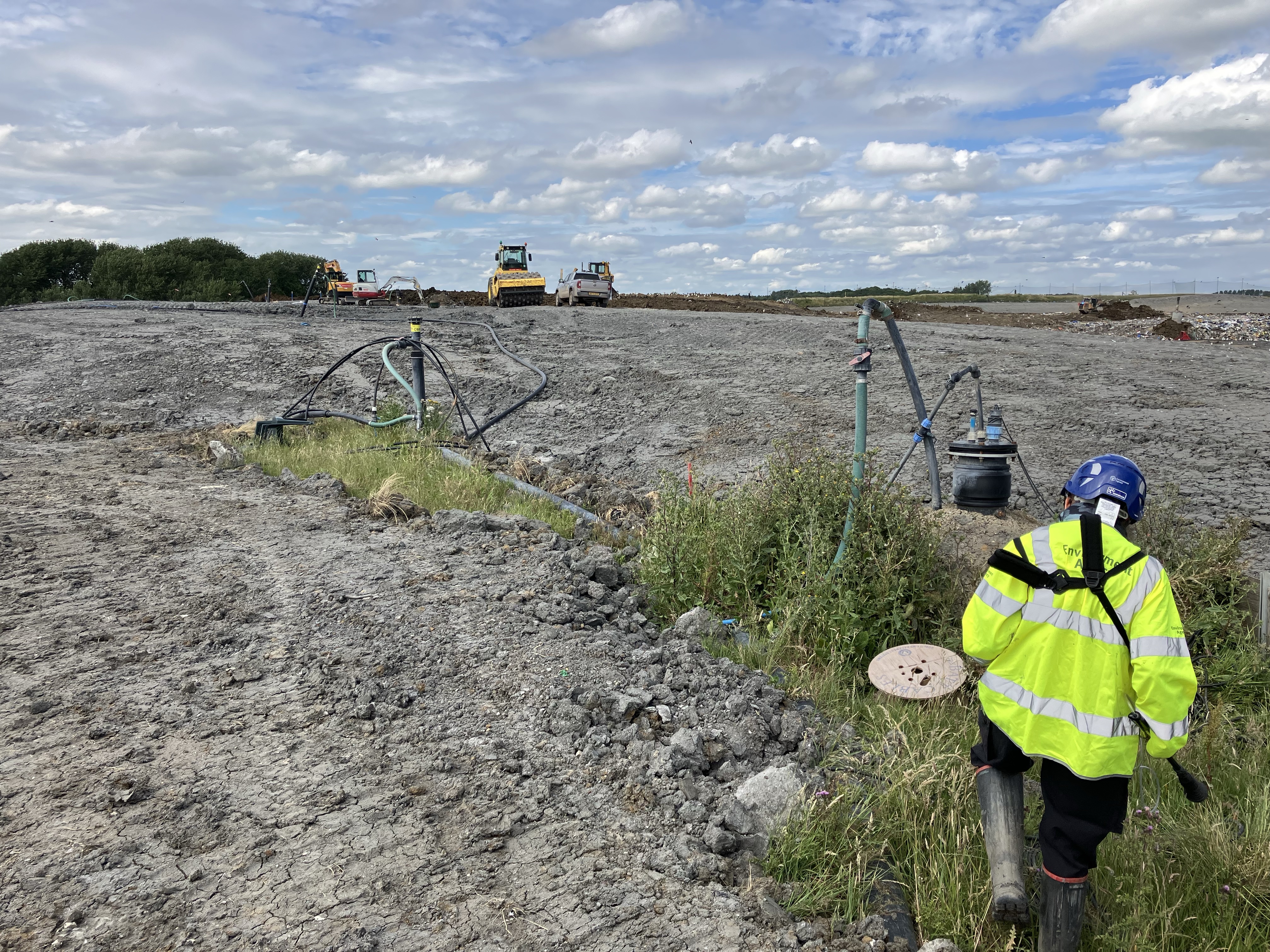
    Environment Agency staff monitoring at the Lower Compton siteEnvironment Agency staff monitoring at the Lower Compton siteMonitoring

    In recent weeks, we have shared information on how we are monitoring odour and air quality (see: https://engageenvironmentagency.uk.engagementhq.com/wessex-regulated-industry-sites/news_feed/odour-response-in-calne).

    We have a monitoring facility at Priestley Primary School. A range of factors were considered when selecting the monitoring location. The monitoring facility has been positioned to reflect:

    • The likely route that hydrogen sulphide would travel into the town; odours can move along valleys at night due to cooler, denser air
    • Residential areas where high numbers of odour reports have been received on the eastern side of Calne, ensuring monitoring reflects areas of highest concern
    • The prevailing wind direction, local topography, and the need for suitable hard standing and a mains power supply

    The Mobile Monitoring Facility (MMF) measures ambient air quality in the area, which may include emissions from multiple local sources. As well as methane and hydrogen sulphide levels, we also record meteorological conditions, including wind direction, wind speed, temperature, and atmospheric pressure.

    The data collected from the MMF has now been sent to the UKHSA to allow them to make an independent health impact assessment.

    Annotated photo of MMF exterior showing: wind sensor on a 6m mast, gas sampling inlet, air conditioning unit, particulate sampling inlet, air temperature and pressure sensorAnnotated photograph of an MMF exterior


  • Odour Response in Calne


    Odour Update 12 June 2026: Lower Compton Landfill Site, Calne

    We recognise the ongoing impact that odour is having on residents, and we are continuing to prioritise work to address these concerns as quickly as possible.

    This week we have been out on site again to ensure Hills are delivering the actions that we have required of them to bring the site back into compliance with its environmental permit. This includes the accelerated permanent capping works.
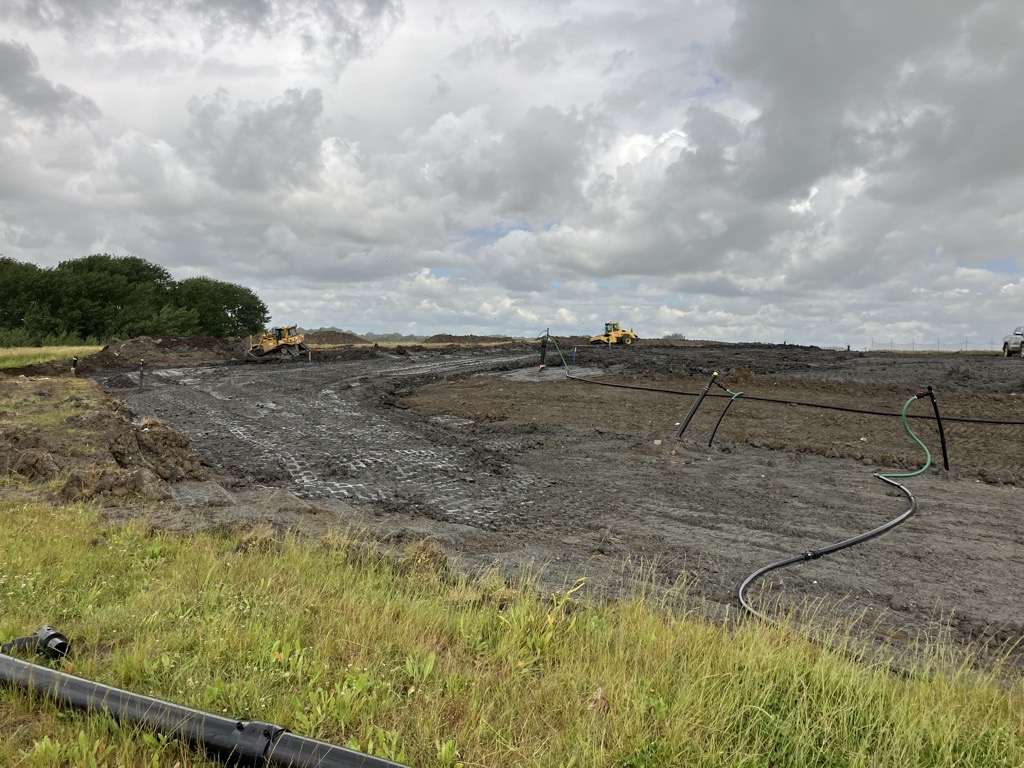
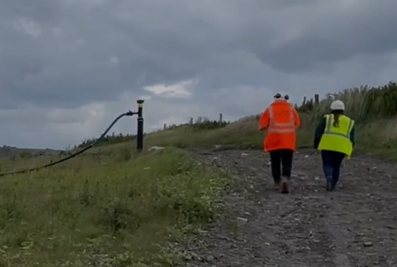
    Permanent capping works progressing at the Lower Compton Hills site, June 2026Permanent capping works progressing at the Lower Compton Hills site, June 2026A member of Environment Agency staff and a Wiltshire Council Environmental Health officer walking on site at Lower Compton Landfill siteEnvironment Agency and Wiltshire Council staff on site at Lower Compton Landfill,

    Odour Update 12 June 2026: Lower Compton Landfill Site, Calne

    We recognise the ongoing impact that odour is having on residents, and we are continuing to prioritise work to address these concerns as quickly as possible.

    This week we have been out on site again to ensure Hills are delivering the actions that we have required of them to bring the site back into compliance with its environmental permit. This includes the accelerated permanent capping works.

    Permanent capping works progressing at the Lower Compton Hills site, June 2026Permanent capping works progressing at the Lower Compton Hills site, June 2026A member of Environment Agency staff and a Wiltshire Council Environmental Health officer walking on site at Lower Compton Landfill siteEnvironment Agency and Wiltshire Council staff on site at Lower Compton Landfill, June 2026

    We have also been out on site with the Wiltshire Council Environmental Health team who are monitoring odour for statutory nuisance and public health. By sharing data and working together we are ensuring that the odour is being investigated. While we work side by side, we have distinct roles:

    • The Environment Agency assesses off-site odour to ensure compliance with environmental permit conditions
    • Wiltshire Council assesses statutory nuisance impacts. You can find out more about Wiltshire Council’s role in monitoring for odour here: www.wiltshire.gov.uk/env-health-pollution

    How we monitor

    Our regulatory team assesses compliance in several ways, including site inspections, audits, off-site odour assessments, and reviewing operator reports and monitoring data.

    We carry out monitoring in the community to substantiate odour reports and assess whether odour is occurring off-site, as required by the permit. Our presence in the community is focused on identifying and evidencing off-site odour so action can be taken where required.

    The main way we assess compliance is through “sniff testing”, using trained officers to detect and assess odours. This is required by permit conditions and remains the most effective method, as the human nose can detect the full range of gases responsible for odour at very low levels. It is important to be clear that this type of monitoring is for regulatory compliance purposes and not to directly assess health impacts.

    We also use a Mobile Monitoring Facility (MMF) to measure ambient air quality. This supports our assessment from sniff testing. The MMFs monitor for methane, hydrogen sulphide, and particulates.

    We understand that residents have concerns about potential health effects, and we take these concerns seriously. While our role is to assess compliance with environmental permit conditions, particularly whether odour is affecting areas beyond the site, the data we collect is shared with the UK Health Security Agency (UKHSA).

    UKHSA are the independent public health experts responsible for assessing any potential impacts on health. They review the monitoring data and determine whether there are any risks to the community.

    It is important to recognise that odour and health impacts are assessed in different ways. Odour can be strong and disruptive at levels that are still very low in terms of measurable gas concentrations, meaning something can be clearly noticeable and unpleasant without necessarily being harmful to health.

    Our approach reflects this. We use sniff testing to assess odour impact and compliance with permit conditions, and we use monitoring data to support this and to inform UKHSA’s independent health assessment

    Our aim is to ensure that odour is reduced to a level where it is no longer causing unacceptable impact beyond the site boundary. The actions being taken, particularly capping and improved gas control, are expected to reduce odour, although this may take time to fully resolve. Once the capping works are complete, we will carry out additional odour monitoring to assess how conditions have improved.

    We recognise that people want access to monitoring data. This will be published once UKHSA has completed its independent public health assessment, and we will continue to keep the community informed as work progresses.

Page last updated: 02 Oct 2026, 04:16 PM