The River Leen Strategy

The River Leen is Nottingham’s river


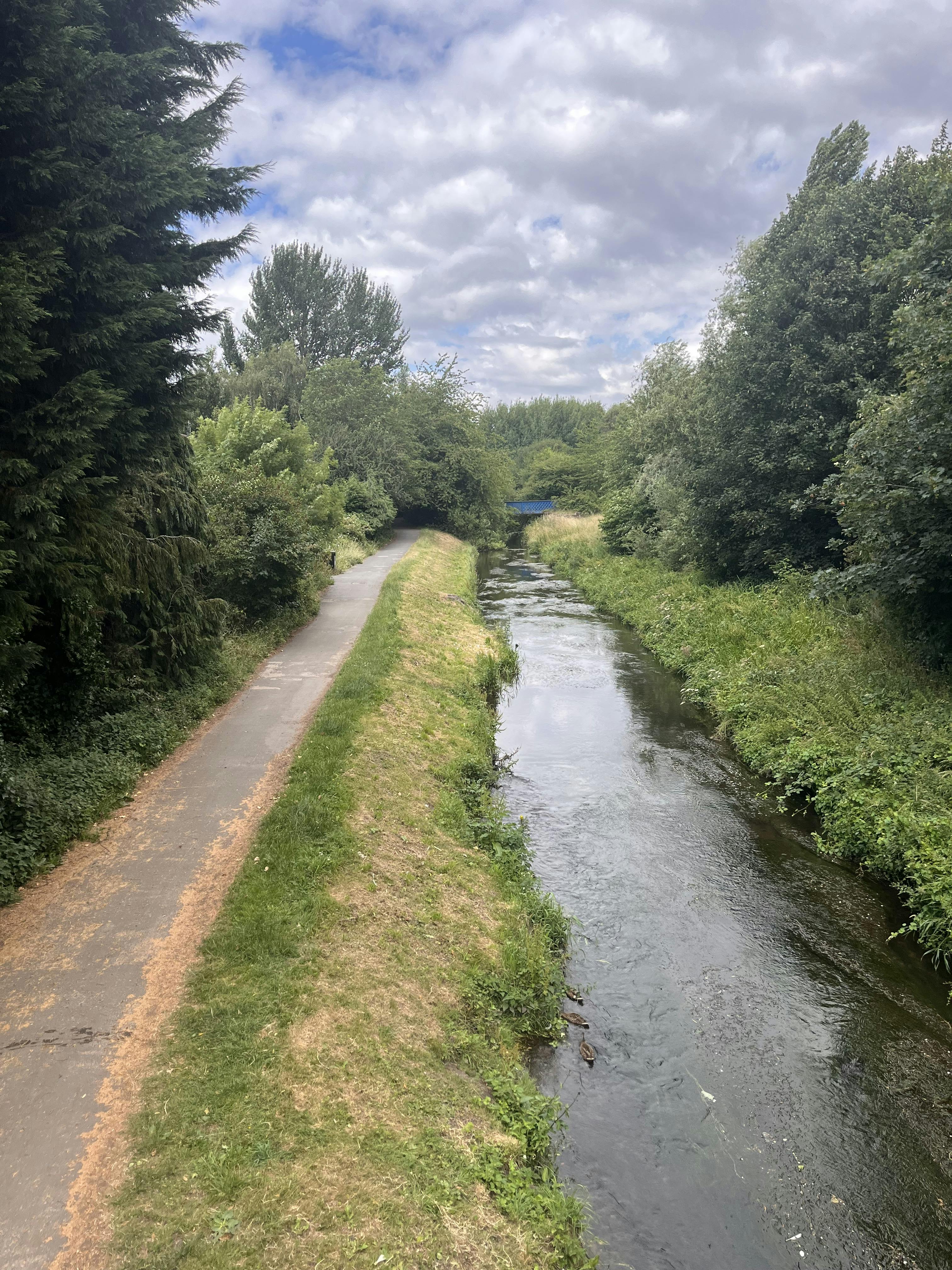
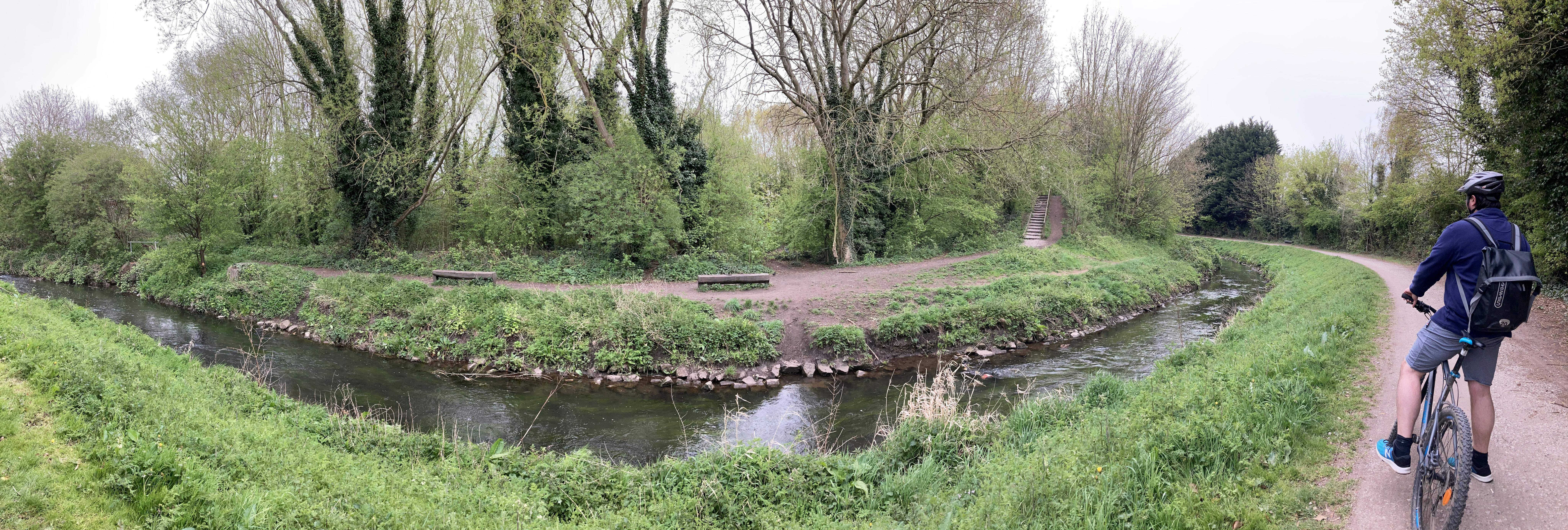
Many people who live and work in Nottingham can recognise the River Leen as it crosses large parts of the city through Bestwood and Bulwell, onto Basford and Bobbers Mill, before flowing through Lenton and into the River Trent near Victoria Embankment.

The River Leen is an important and historic river. We want to make sure it stays clean, safe, and fun for everyone to enjoy!

The Environment Agency are working on a strategy to manage flood risk from the river but we also want to work with everyone who lives, works, or plays near the river.to help nature and wildlife too. When we take care of the river, it also helps the plants, animals, and people who live nearby.


Historic Weir at John Wright Close


The River Leen needs you!

This page will keep you updated about our plans and let you know how you can join in and help take care of the River Leen—so it stays healthy for many years to come.

The River Leen isn't just Nottingham's river, its your river and we want to know what you know and think about the River Leen. What do you like about it? Is there anything you think could make it better? Can you see the Leen from where you work or live?

You can support us by:

  • Subscribing to this page for updates on our work on the River Leen.
  • Leaving a short story to tell us what you think of the River Leen in our "stories" section below.
  • Sending us your pictures of the Leen in our "places" section below.
  • Visiting this page frequently to learn about other work you can support us with on the river.
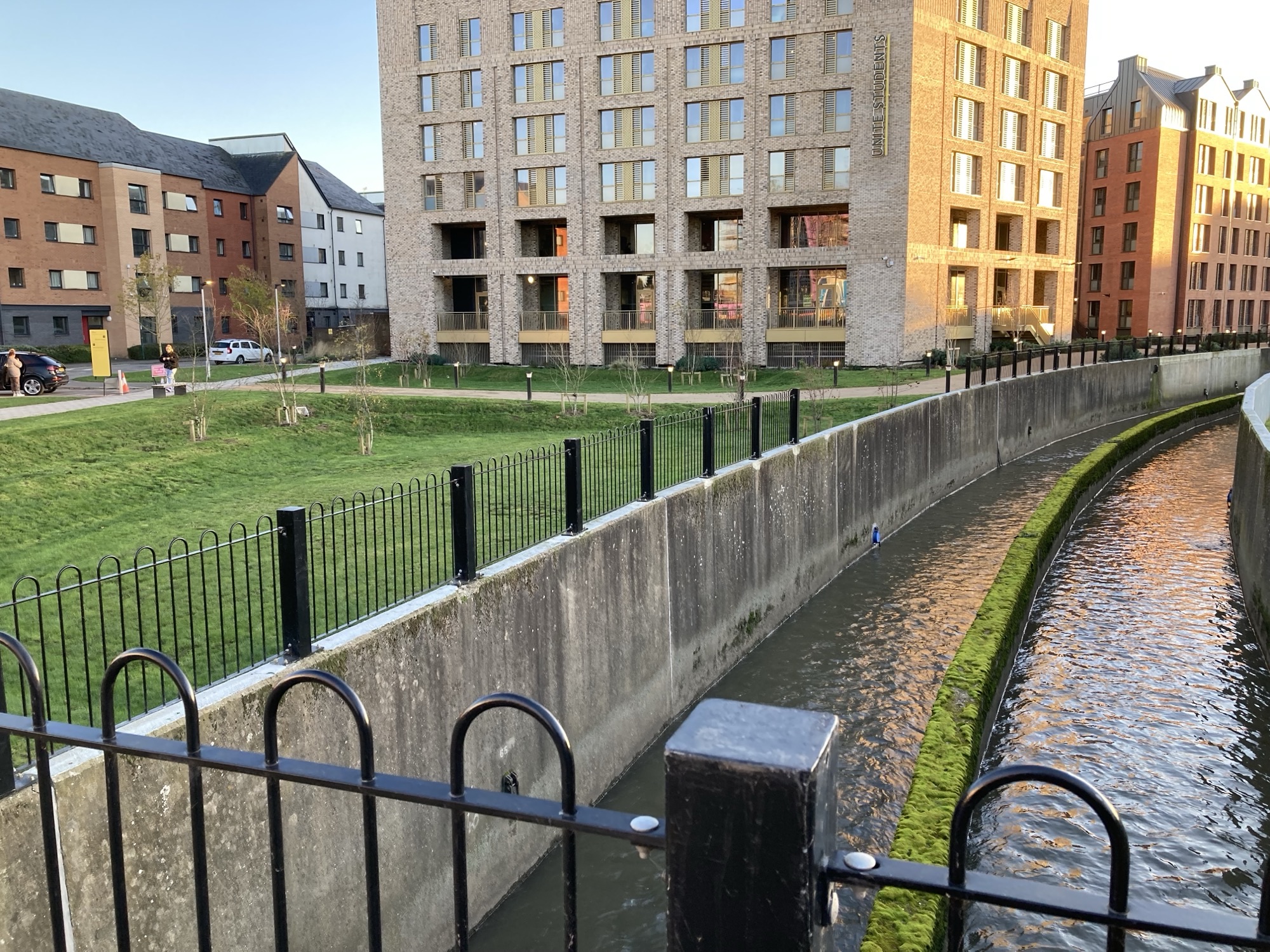


Leen old flood defence


The River Leen is Nottingham’s river


Many people who live and work in Nottingham can recognise the River Leen as it crosses large parts of the city through Bestwood and Bulwell, onto Basford and Bobbers Mill, before flowing through Lenton and into the River Trent near Victoria Embankment.

The River Leen is an important and historic river. We want to make sure it stays clean, safe, and fun for everyone to enjoy!

The Environment Agency are working on a strategy to manage flood risk from the river but we also want to work with everyone who lives, works, or plays near the river.to help nature and wildlife too. When we take care of the river, it also helps the plants, animals, and people who live nearby.


Historic Weir at John Wright Close


The River Leen needs you!

This page will keep you updated about our plans and let you know how you can join in and help take care of the River Leen—so it stays healthy for many years to come.

The River Leen isn't just Nottingham's river, its your river and we want to know what you know and think about the River Leen. What do you like about it? Is there anything you think could make it better? Can you see the Leen from where you work or live?

You can support us by:

  • Subscribing to this page for updates on our work on the River Leen.
  • Leaving a short story to tell us what you think of the River Leen in our "stories" section below.
  • Sending us your pictures of the Leen in our "places" section below.
  • Visiting this page frequently to learn about other work you can support us with on the river.


Leen old flood defence


  • The Leen Syphon

    What is it?

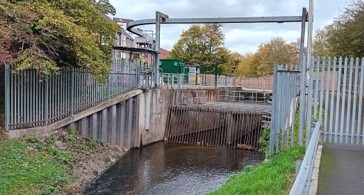
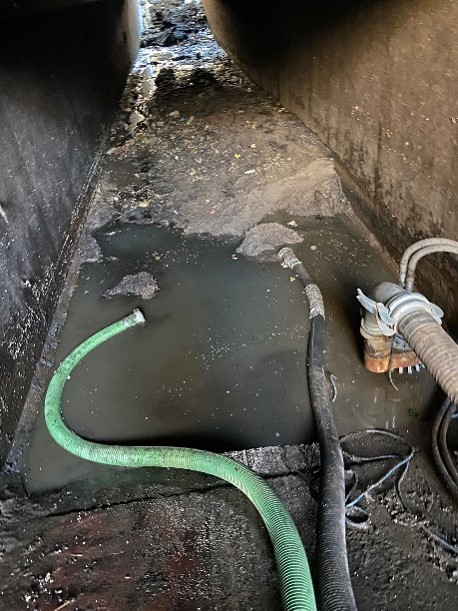
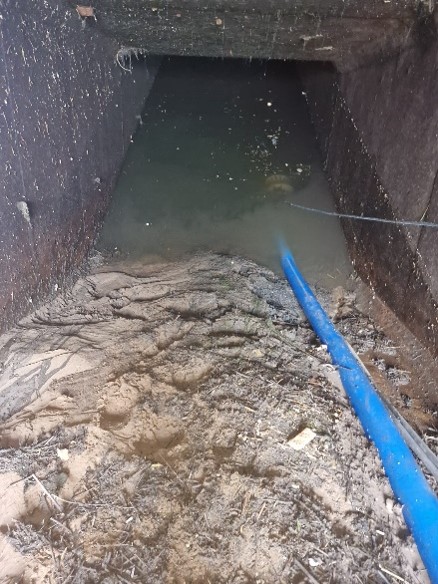
    The syphon carries the River Leen beneath the Nottingham and Beeston Canal near to the QMC in Lenton. All rainfall that falls in the River Leen catchment needs to pass through this structure on the way to the River Trent. The structure itself is a twin culvert that drops beneath the canal before reappearing in the Willow Road Industrial Estate.

    Why does it matter?

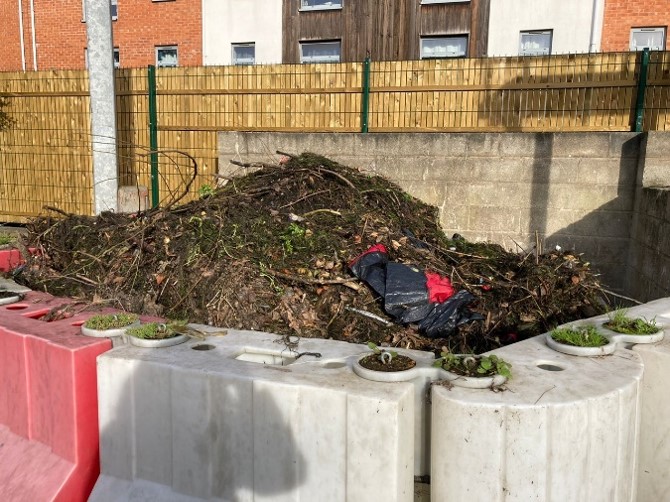
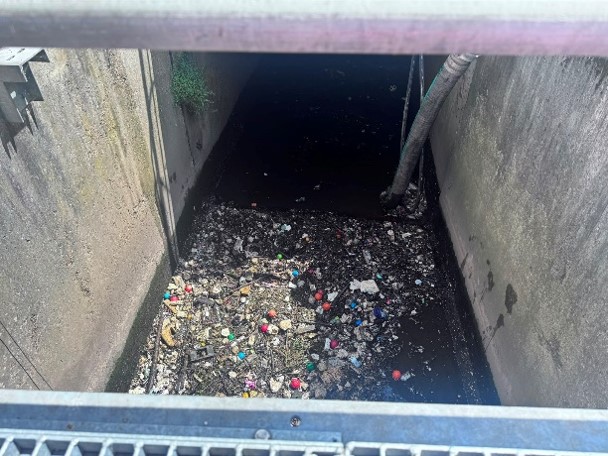
    As the river passes beneath the canal it is confined and requires all available space and capacity to ensure the river is unobstructed during periods of higher flows and floods. Any blockage within the syphon can reduce the ability to convey the river effectively and could increase flood risk locally. To reduce the threat of blockage from large items that are carried in the River Leen a screen with an automated grab collects materials before entering the syphon.

    The material carried by the river is increasing and this is testing the automated grab more regularly and it is common for us to fill several skip loads of material on a weekly basis. This material is often material carelessly or even purposefully allowed to the enter the river.

    This can cause an increase in flood risk, as well as polluting our water environment, damaging wildlife and its associated habitat and adding an unnecessary burden to public expenditure.


    What do we do?

    On a 1 to 5 year basis we will clear the syphon of silt that accumulates periodically in the culverts to ensure they function adequately.

    On a daily basis we have staff who respond to any alarms generated by a blockage at the weedscreen to ensure that the grab is operating. On occasions due to the amount of floodwater and debris contained within the river the grab can become overwhelmed which has meant in emergencies some of response staff have had to manually clear the screens.


    What can we all do better?

    We know that most of the people we have encountered working on the River Leen are immensely proud of our city and we can all work together to raise awareness to stop needless littering of our river and threatening the health of our environment and increasing the risk of flooding to property close to the river itself. Where possible limit the waste we generate and encourage others to correctly dispose of waste materials to avoid them washing into the river.
    What is it?

    The syphon carries the River Leen beneath the Nottingham and Beeston Canal near to the QMC in Lenton. All rainfall that falls in the River Leen catchment needs to pass through this structure on the way to the River Trent. The structure itself is a twin culvert that drops beneath the canal before reappearing in the Willow Road Industrial Estate.


    Why does it matter?

    As the river passes beneath the canal it is confined and requires all available space and capacity to ensure the river is unobstructed during periods of higher flows and floods. Any blockage within the syphon can reduce the ability to convey the river effectively and could increase flood risk locally. To reduce the threat of blockage from large items that are carried in the River Leen a screen with an automated grab collects materials before entering the syphon.

    The material carried by the river is increasing and this is testing the automated grab more regularly and it is common for us to fill several skip loads of material on a weekly basis. This material is often material carelessly or even purposefully allowed to the enter the river.

    This can cause an increase in flood risk, as well as polluting our water environment, damaging wildlife and its associated habitat and adding an unnecessary burden to public expenditure.


    What do we do?

    On a 1 to 5 year basis we will clear the syphon of silt that accumulates periodically in the culverts to ensure they function adequately.

    On a daily basis we have staff who respond to any alarms generated by a blockage at the weedscreen to ensure that the grab is operating. On occasions due to the amount of floodwater and debris contained within the river the grab can become overwhelmed which has meant in emergencies some of response staff have had to manually clear the screens.


    What can we all do better?

    We know that most of the people we have encountered working on the River Leen are immensely proud of our city and we can all work together to raise awareness to stop needless littering of our river and threatening the health of our environment and increasing the risk of flooding to property close to the river itself. Where possible limit the waste we generate and encourage others to correctly dispose of waste materials to avoid them washing into the river.

  • Guided walks along the Leen for national walking month


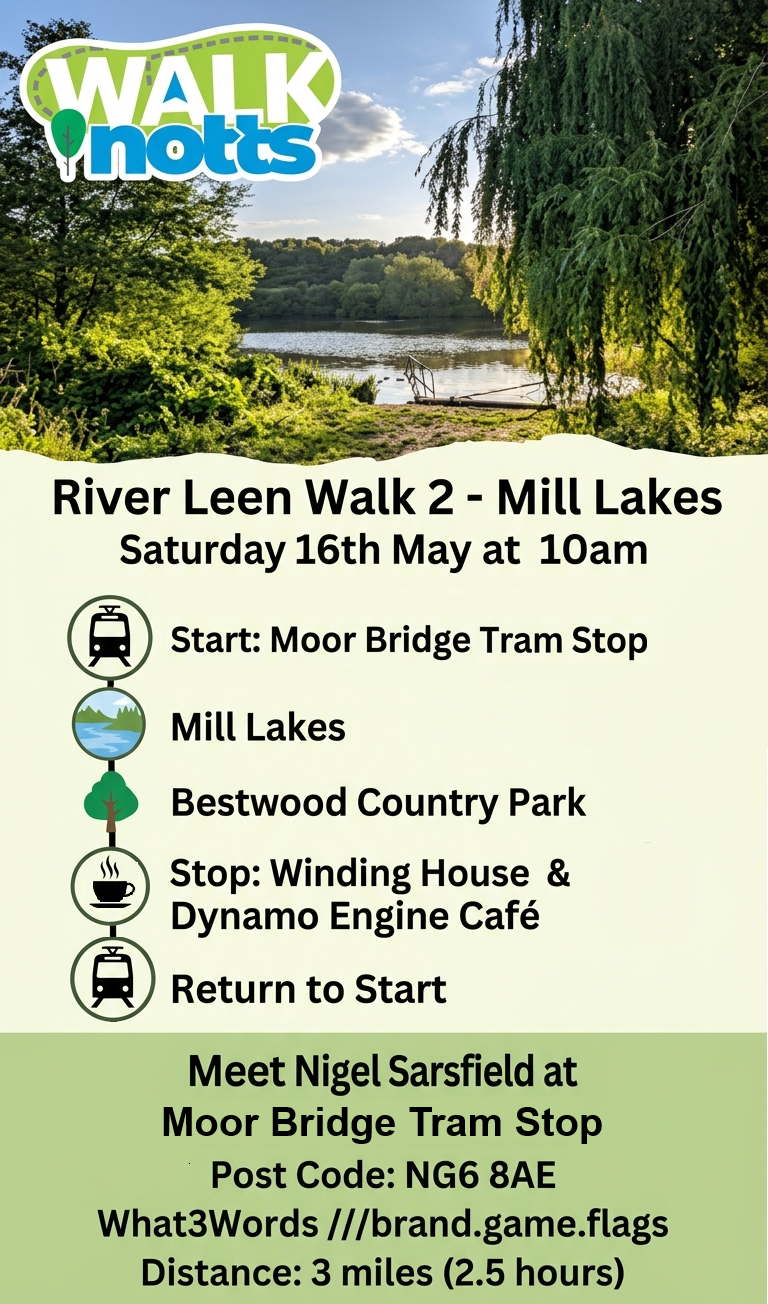
    The Local Access Forum and Walk Notts are hosting a series of walks along the River Leen in May to promote National Walking Month.

    Throughout the month there are a range walks taking place weekly, and special walking events provided by many groups and organisations.

    Join Nigel for one or all of these walks for an excellent chance to see Nottingham's River. Details below:
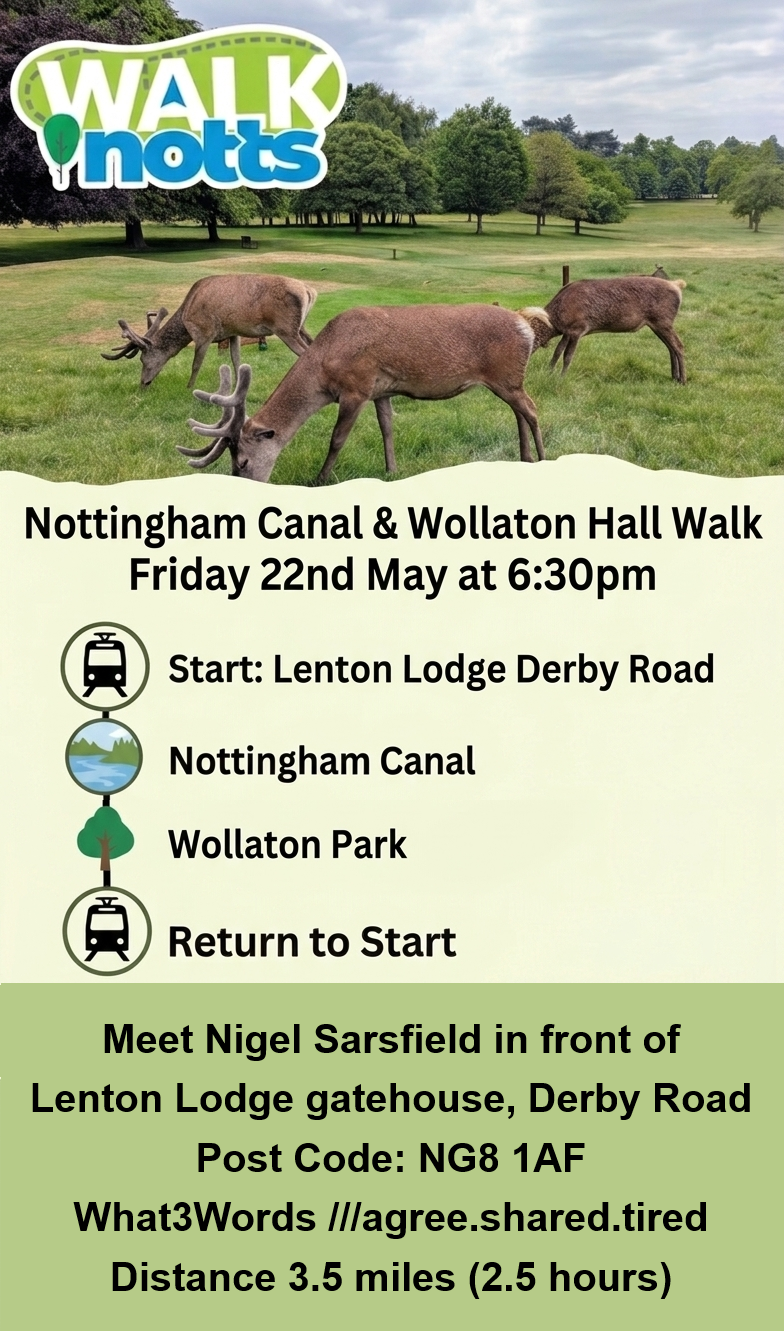
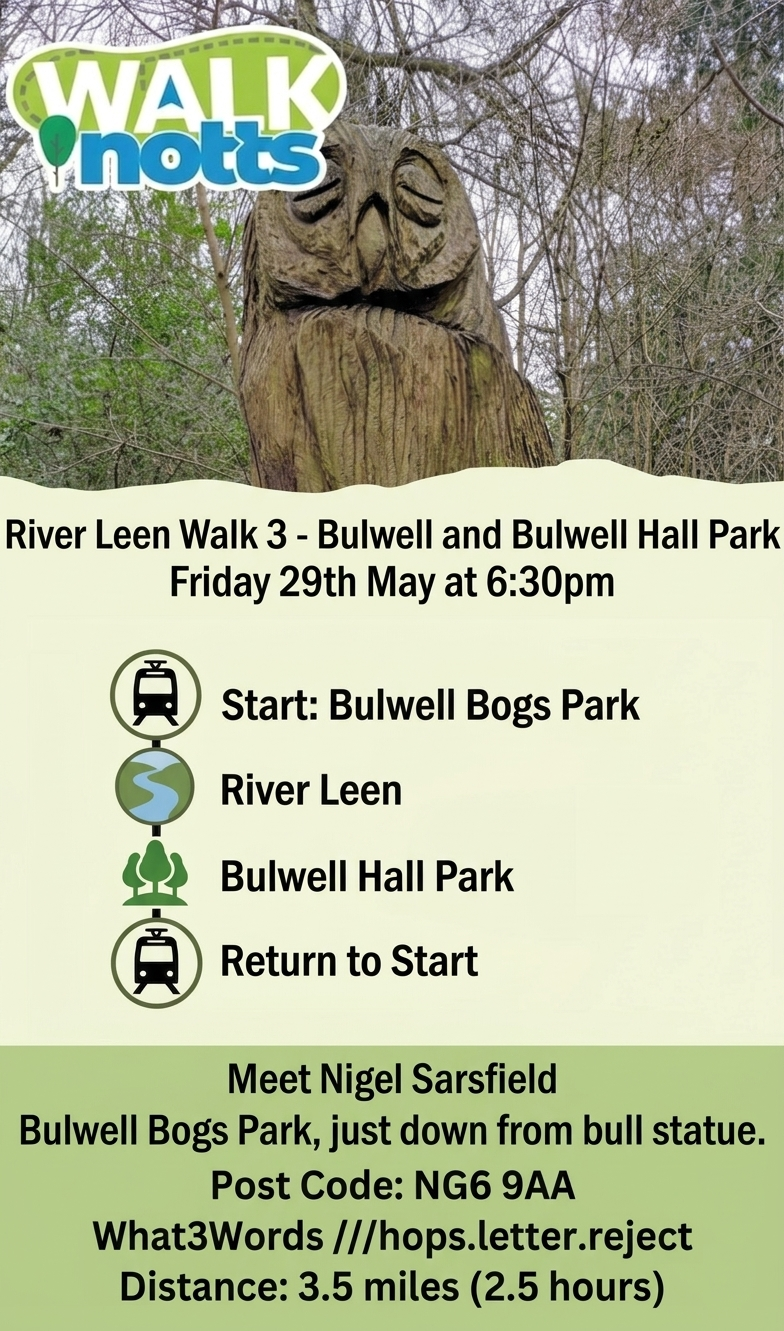


    The Local Access Forum and Walk Notts are hosting a series of walks along the River Leen in May to promote National Walking Month.

    Throughout the month there are a range walks taking place weekly, and special walking events provided by many groups and organisations.

    Join Nigel for one or all of these walks for an excellent chance to see Nottingham's River. Details below:


  • Special Panel event

    supporting image

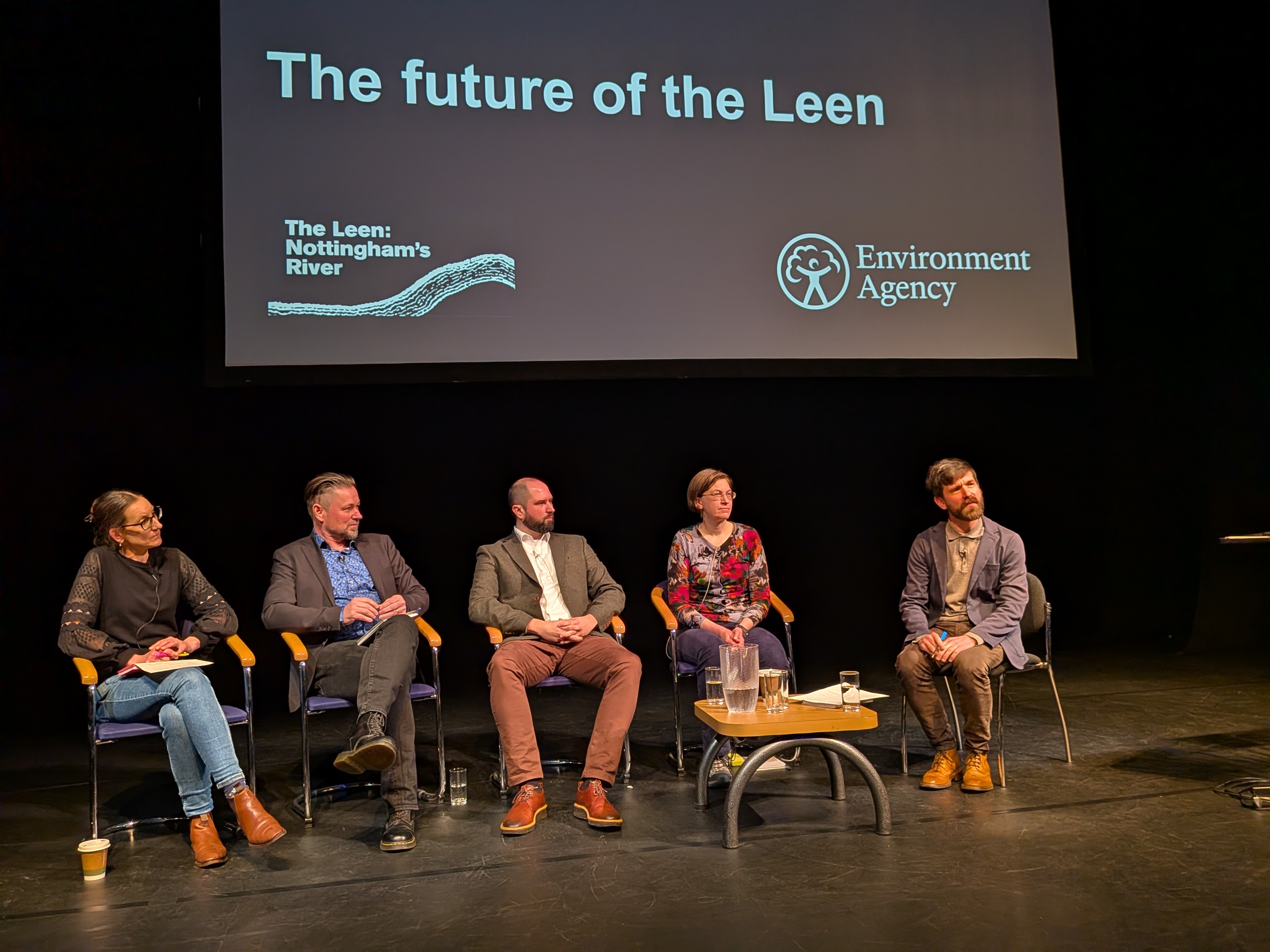
    On January 28 2026 the Environment Agency, in collaboration with University of Nottingham Libraries, Manuscripts and Special Collections hosted a special panel discussion introducing the work of our River Leen team and looking at the challenges and opportunities for river management along the Leen.

    The event was a great success where we shared our vision for the Leen and took questions and suggestions from a sold out crowd.

    The event was filmed and a video will be uploaded onto this page soon.


    On January 28 2026 the Environment Agency, in collaboration with University of Nottingham Libraries, Manuscripts and Special Collections hosted a special panel discussion introducing the work of our River Leen team and looking at the challenges and opportunities for river management along the Leen.

    The event was a great success where we shared our vision for the Leen and took questions and suggestions from a sold out crowd.

    The event was filmed and a video will be uploaded onto this page soon.


  • Hillside Contingency

    supporting image


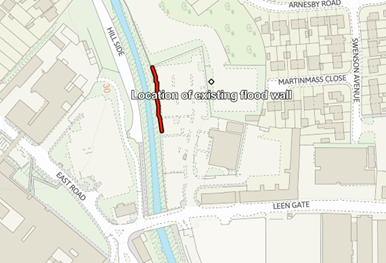
    The Environment Agency are in the process of reviewing the condition and the future requirements of a flood risk asset in Lenton. The asset is a flood wall adjacent to the River Leen and a private car park, off Leen Gate, near the Nottingham Queens Medical Centre (QMC).

    The flood wall has begun to show signs of movement and rotation that will begin to impact its function if action is not undertaken.

    The flood wall forms a part of the wider River Leen Flood Alleviation Scheme that was designed and constructed in the 1960’s and 1970’s. The Environment Agency are working with Nottingham City Council to review the future flood risk needs of Nottingham and the communities and businesses that reside near the Leen. This work is the Leen Strategy and it will look at the Leen catchment and future threats and opportunities presented by the likes of climate change and adaptation to this change.

    The Leen Strategy recognises that the current flood risk assets are of a significant age and the flood wall near the QMC highlights the importance of the Strategy.

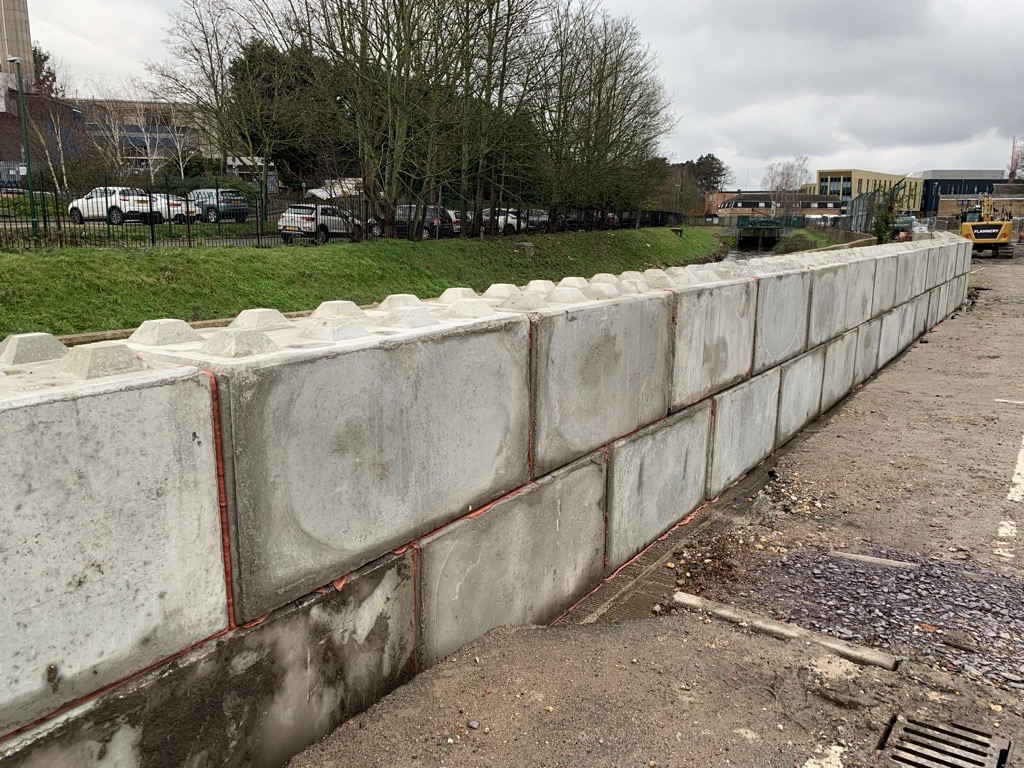
    Whilst the Environment Agency consider the future design and location for the replacement flood wall options, we have installed a temporary secondary flood wall, immediately behind the existing wall. The temporary wall provides the same standard of protection to the car park and surrounding hospital facilities, businesses and residential properties, should the existing wall fail.

    The temporary structure is designed to take minimal space, and minimise any disruption, whilst providing a good standard of flood protection to those that depend upon the existing flood wall. Works to construct the temporary flood wall were completed in March 2026. The wall comprises concrete legato blocks, with the joints filled with a mastic sealant.

    The Leen Strategy project commenced in October 2025 and is aiming to deliver outcomes and recommendations in approximately 3 years. During this time the Environment Agency will be working upon design and options for the flood wall at QMC.
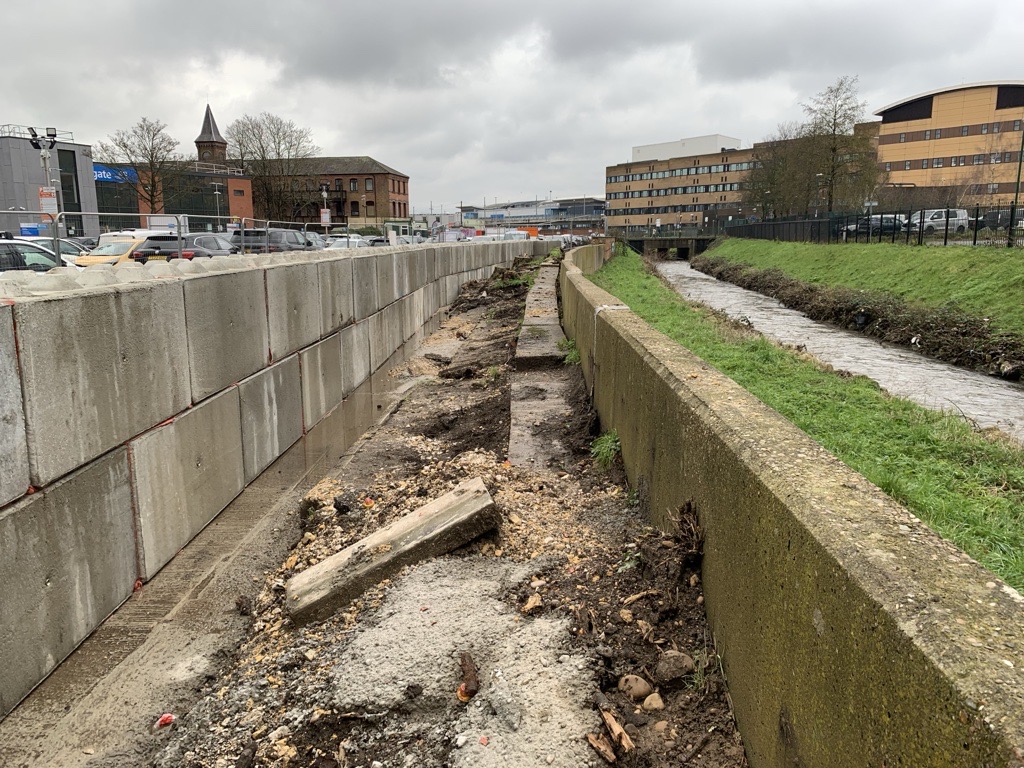
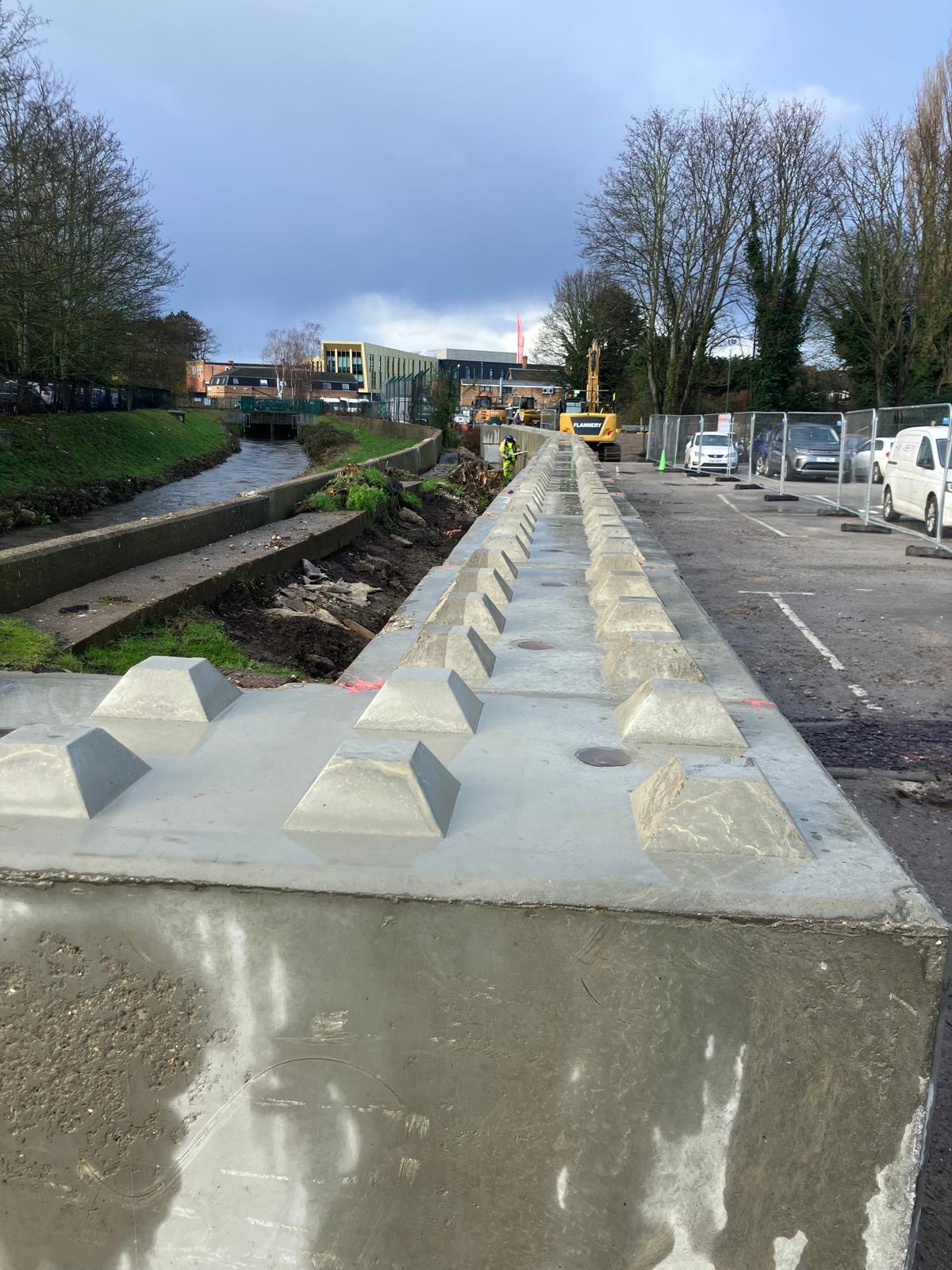
    The Environment Agency are in the process of reviewing the condition and the future requirements of a flood risk asset in Lenton. The asset is a flood wall adjacent to the River Leen and a private car park, off Leen Gate, near the Nottingham Queens Medical Centre (QMC).

    The flood wall has begun to show signs of movement and rotation that will begin to impact its function if action is not undertaken.

    The flood wall forms a part of the wider River Leen Flood Alleviation Scheme that was designed and constructed in the 1960’s and 1970’s. The Environment Agency are working with Nottingham City Council to review the future flood risk needs of Nottingham and the communities and businesses that reside near the Leen. This work is the Leen Strategy and it will look at the Leen catchment and future threats and opportunities presented by the likes of climate change and adaptation to this change.

    The Leen Strategy recognises that the current flood risk assets are of a significant age and the flood wall near the QMC highlights the importance of the Strategy.

    Whilst the Environment Agency consider the future design and location for the replacement flood wall options, we have installed a temporary secondary flood wall, immediately behind the existing wall. The temporary wall provides the same standard of protection to the car park and surrounding hospital facilities, businesses and residential properties, should the existing wall fail.

    The temporary structure is designed to take minimal space, and minimise any disruption, whilst providing a good standard of flood protection to those that depend upon the existing flood wall. Works to construct the temporary flood wall were completed in March 2026. The wall comprises concrete legato blocks, with the joints filled with a mastic sealant.

    The Leen Strategy project commenced in October 2025 and is aiming to deliver outcomes and recommendations in approximately 3 years. During this time the Environment Agency will be working upon design and options for the flood wall at QMC.

  • The Leen: Nottingham's River

    supporting image

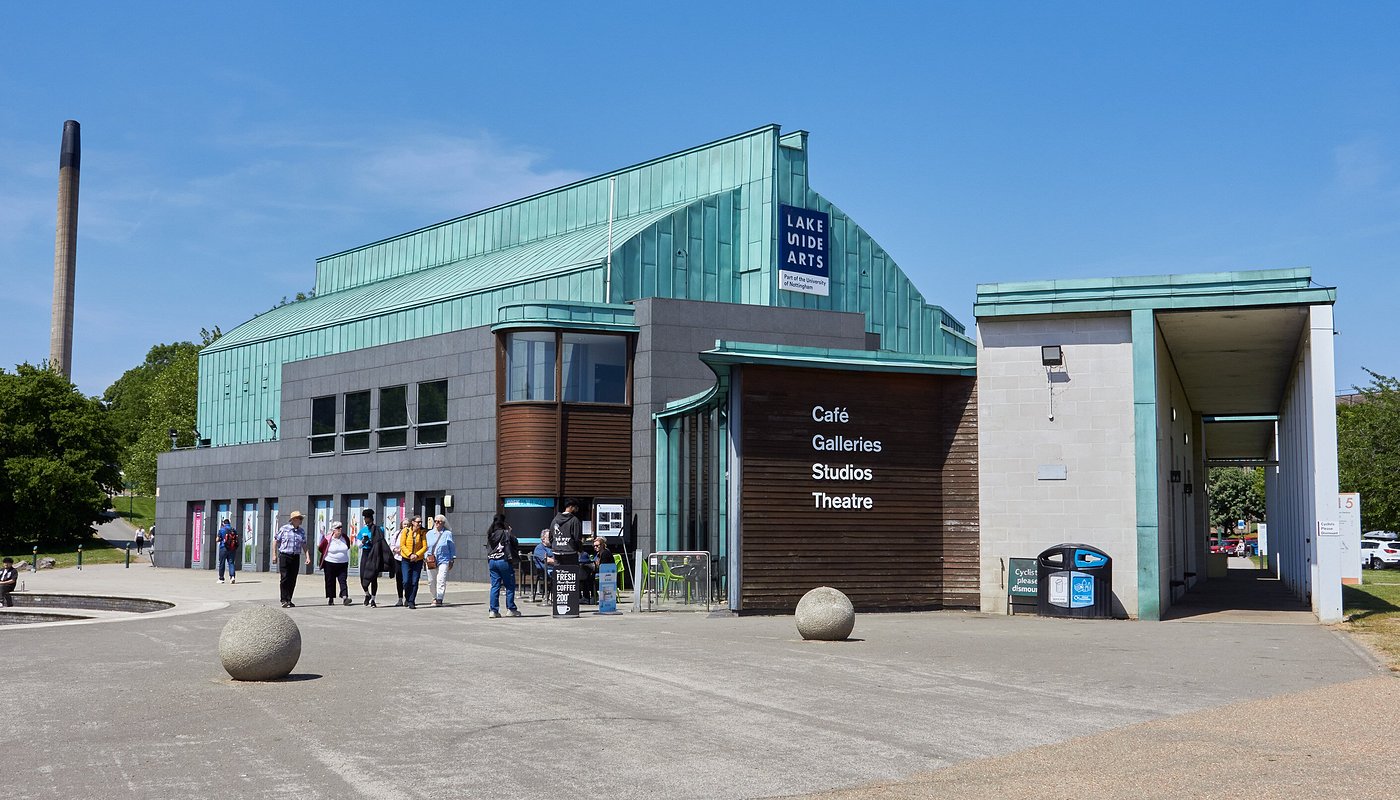
    Presented by University of Nottingham Libraries, Manuscripts and Special Collections

    Thursday 9 October 2025 to Sunday 15 March 2026
    Admission is free

    This exhibition puts the Leen at the centre of the story of modern Nottingham. From its source in the Robin Hood Hills above Newstead Abbey to the River Trent at the Meadows, the River Leen connects places and communities.

    Drawing on the archives of the Trent River Authority and its predecessor bodies, the materials on display show the challenges created by the growth of places like Bulwell and Basford and the expansion of industry. These included pollution from

    Presented by University of Nottingham Libraries, Manuscripts and Special Collections

    Thursday 9 October 2025 to Sunday 15 March 2026
    Admission is free

    This exhibition puts the Leen at the centre of the story of modern Nottingham. From its source in the Robin Hood Hills above Newstead Abbey to the River Trent at the Meadows, the River Leen connects places and communities.

    Drawing on the archives of the Trent River Authority and its predecessor bodies, the materials on display show the challenges created by the growth of places like Bulwell and Basford and the expansion of industry. These included pollution from chemicals and sewage, and changing flood risk from urban expansion. New management challenges shaped the redrawing of Nottingham’s political and economic boundaries, and in the 1960s a substantial engineering ‘Improvement Scheme’ diverted the river and fixed the channel behind steel pilings and flood walls. The Leen: Nottingham’s River evaluates the legacies of historic interventions along the Leen for those who manage and live beside it today.

    This exhibition has been jointly curated by Dr David Beckingham and Dr Rachel Dishington (School of Geography) and Manuscripts and Special Collections at the University of Nottingham, with additional input from the Environment Agency.

Page last updated: 24 Aug 2026, 09:21 AM