Devon, Cornwall, Isles of Scilly Regulated Sites
In the Devon, Cornwall and the Isles of Scilly (DCIS) area, we regulate a large number of permitted sites, including wastewater treatment works, factories, mines, landfills and agricultural producers. We regularly receive enquiries about our work - this page will highlight the sites that we we receive the highest level of interest for. You will find site information, frequently asked questions and answers regarding our work, inspection updates and latest news. If you are interested in a site not given here, please email our customer and enquiries team. (This page will be subject to change depending on the which sites we receive the highest level of enquiries for).
To ensure you receive notifications about our most recent work for these sites, register with us and then subscribe to follow this page - links to do this are in the information bar.
Current Issues and Sites
We will post information about the sites we receive the most enquiries about on this page. Please follow the links below to find their fact files, or scroll to our Newsfeed at the bottom of the page to read our latest update.
- Wadebridge Road Wastewater Treatment Works, St Mabyn - a proposed upgrade to a wastewater treatment works in St Mabyn.
- Our pollution incident response in Exmouth - Following a number of sewage pollution incidents since 2023, we have been investigating the events, monitoring to understand the impact on the environment and ensuring South West Water (SWW) implement a sewerage system fit for the future.
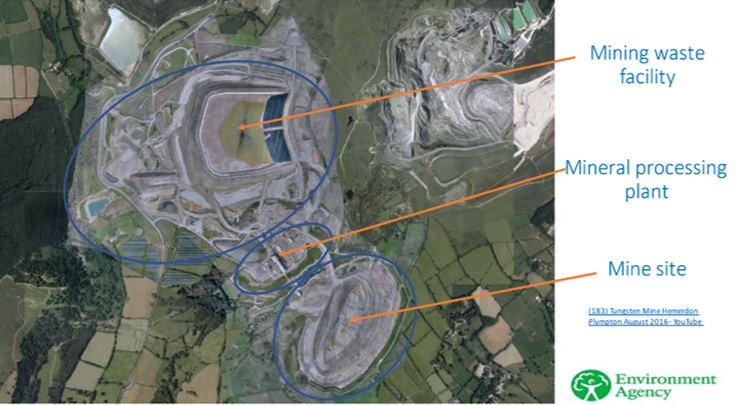
- Hemerdon Tungsten Mine - A critical mineral mine between Plymouth and Dartmoor is seeking to restart operations. The site attracted significant local concern under previous operators because of low frequency noise affecting nearby communities.
- Septic Tank Waste in Cornwall - Cornwall’s landscapes and coastline are some of the most treasured in the country. Protecting them means making sure septic tank waste is handled safely, so it doesn’t harm people, wildlife or the places communities rely on. Visit this section to learn more about septic tank waste management.
- South West Water on the Isles of Scilly - Current and future processes for dealing with sewage on the islands.
If you experience any issues relating to any of these sites, or sites not listed on this page, please call our pollution hotline on 0800 80 70 60. Use this link to find out more about how to report an environmental issue.
In the Devon, Cornwall and the Isles of Scilly (DCIS) area, we regulate a large number of permitted sites, including wastewater treatment works, factories, mines, landfills and agricultural producers. We regularly receive enquiries about our work - this page will highlight the sites that we we receive the highest level of interest for. You will find site information, frequently asked questions and answers regarding our work, inspection updates and latest news. If you are interested in a site not given here, please email our customer and enquiries team. (This page will be subject to change depending on the which sites we receive the highest level of enquiries for).
To ensure you receive notifications about our most recent work for these sites, register with us and then subscribe to follow this page - links to do this are in the information bar.
Current Issues and Sites
We will post information about the sites we receive the most enquiries about on this page. Please follow the links below to find their fact files, or scroll to our Newsfeed at the bottom of the page to read our latest update.
- Wadebridge Road Wastewater Treatment Works, St Mabyn - a proposed upgrade to a wastewater treatment works in St Mabyn.
- Our pollution incident response in Exmouth - Following a number of sewage pollution incidents since 2023, we have been investigating the events, monitoring to understand the impact on the environment and ensuring South West Water (SWW) implement a sewerage system fit for the future.
- Hemerdon Tungsten Mine - A critical mineral mine between Plymouth and Dartmoor is seeking to restart operations. The site attracted significant local concern under previous operators because of low frequency noise affecting nearby communities.
- Septic Tank Waste in Cornwall - Cornwall’s landscapes and coastline are some of the most treasured in the country. Protecting them means making sure septic tank waste is handled safely, so it doesn’t harm people, wildlife or the places communities rely on. Visit this section to learn more about septic tank waste management.
- South West Water on the Isles of Scilly - Current and future processes for dealing with sewage on the islands.
If you experience any issues relating to any of these sites, or sites not listed on this page, please call our pollution hotline on 0800 80 70 60. Use this link to find out more about how to report an environmental issue.

-
South West Water urged to deliver extra sewage treatment in Isles of Scilly
South West Water need to improve the wastewater infrastructure on the Isles of Scilly. We welcome investment that will reduce environmental risks, improve resilience and better protect the islands' sensitive coastal and marine environment.
Our role is to make sure any proposed solution meets the required legal and environmental standards. South West Water must demonstrate this through the environmental permitting process.
Government policy currently requires secondary treatment for coastal discharges serving communities above 2,000 population equivalents, unless a robust case is made and accepted for an alternative approach.
South West Water have submitted a permit application proposing fine screening andContinue reading
South West Water need to improve the wastewater infrastructure on the Isles of Scilly. We welcome investment that will reduce environmental risks, improve resilience and better protect the islands' sensitive coastal and marine environment.
Our role is to make sure any proposed solution meets the required legal and environmental standards. South West Water must demonstrate this through the environmental permitting process.
Government policy currently requires secondary treatment for coastal discharges serving communities above 2,000 population equivalents, unless a robust case is made and accepted for an alternative approach.
South West Water have submitted a permit application proposing fine screening and a new long sea outfall as an alternative to secondary treatment. We will assess the application using evidence including dispersion modelling, water quality data, environmental impact assessments, population and flow calculations, and monitoring proposals.
Until that assessment is complete and a permit decision has been made, our position remains that secondary treatment is the applicable requirement.
-
A Local Enforcement Position for Hemerdon Tungsten Mine
At the Local Liaison Group (LLG) on 17 June, Tungsten West Ltd (TW) told community representatives that it wants to use mobile crushing and screening equipment to process some of the stockpiles left on site by the previous operator.
TW first discussed this proposal with us in November 2025 and submitted detailed plans in May 2026. We carefully reviewed the proposal and, in June, advised TW that the activity should be covered by an environmental permit. We therefore told the company it would need to apply to vary its existing permit before the activity could become a permanent part ofContinue reading
At the Local Liaison Group (LLG) on 17 June, Tungsten West Ltd (TW) told community representatives that it wants to use mobile crushing and screening equipment to process some of the stockpiles left on site by the previous operator.
TW first discussed this proposal with us in November 2025 and submitted detailed plans in May 2026. We carefully reviewed the proposal and, in June, advised TW that the activity should be covered by an environmental permit. We therefore told the company it would need to apply to vary its existing permit before the activity could become a permanent part of its operations.
TW had planned to begin limited processing activity in July 2026 and had already committed significant investment in staff and equipment. As a result, the company asked us to consider a temporary Local Enforcement Position (LEP) while it applies for the necessary permit variation.
After detailed consideration, we have decided to grant a temporary LEP, subject to strict conditions that TW must meet at all times.
What is a Local Enforcement Position?
A Local Enforcement Position is not a permit and it is not permission from the Environment Agency.
It is a regulatory decision that sets out when we would not normally take enforcement action against a specific activity. This only applies where:
- the conditions of the LEP are met
- the activity is temporary
- the risks are understood and controlled
- there are no unacceptable impacts on people or the environment
We are expected to consider LEP requests where they are made. In exceptional circumstances, we aim to be reasonable and pragmatic while continuing to protect people and the environment.
Our commitment to sustainable growth
We have a clear dual purpose: to protect the environment and support sustainable development. These two goals aren't in competition: environmental recovery requires economic investment, and lasting economic growth will only happen when it's built on a healthy, resilient environment.
Part of the way we support sustainable growth is to create investment certainty. Through regulation, we make our rules clear, consistent, and fair so businesses can plan with confidence. We use evidence to plan for the future and understand the potential risk to the environment of activities which we permit. When something is low risk, we step back. When the risks are higher, we tighten our oversight. And we act firmly when needed, to ensure clear and consistent standards.How did you decide to issue the LEP?
We understand that many people have strong views about activities at Hemerdon Mine because of past experiences, particularly the low frequency noise issues that affected local residents when the previous operator ran the site.
Because of the site's history, the high level of public interest and the mine's strategic importance to the UK, we referred the request to our national Regulatory Directors Group for consideration. Most LEPs are considered through local governance arrangements, but we recognised the significance of this decision and sought additional national oversight.
In reaching its decision, the Regulatory Directors Group considered:
- the potential impact on the local community and environment, including noise and dust
- the measures TW has proposed to control, monitor and manage those impacts
- the length of time the LEP would be in place
- the additional conditions that could be applied to protect people and the environment
- the operator's performance and compliance history
- the strategic importance of the mine, including its role in supporting supplies of critical minerals
The LEP contains additional controls beyond those currently in place in the environmental permit, including restrictions on operating hours and limits on processing rates.
The arrangement is temporary and will only remain in place while TW applies for the appropriate permit changes and develops its permanent processing facilities.
Why did you not consult on this decision?
We recognise that some people may feel disappointed or frustrated that this decision was not subject to public consultation, particularly given the time and effort many local residents put into previous permit consultations.
An LEP is an enforcement decision. By law, it is not subject to public consultation. The decision is based on whether environmental risks can be controlled and whether allowing a temporary activity is in the public interest.
However, this does not mean that local views are unimportant to us.
We remain committed to being open and transparent about our decisions, explaining why we have made them, and listening to concerns raised by local residents and stakeholders.
The LEP is only a temporary arrangement. We expect TW to apply for a permit variation to continue operating this equipment. As with the existing permit, that process should include public consultation, giving local people the opportunity to review the proposals and provide their views.
Importantly, that consultation would take place with the benefit of evidence gathered during a limited and tightly controlled period of operation under the LEP.
What happens next?
As TW explained at the LLG, it intends to restart activity in stages. Different parts of the equipment will be operated separately so that their effects can be assessed and monitored.
The mobile equipment performs similar functions to the permanent plant already authorised by the existing permit, although there are differences in how it operates.
We recognise that crushing and screening activities have the potential to generate noise and dust. If these impacts are not properly controlled, they can affect local communities and the environment.
That is why we are adding additional controls for the operations in the LEP.
Once activity starts, we will closely monitor compliance with the LEP requirements. If we conclude that operations are causing unacceptable impacts, or if TW fails to meet any of the LEP conditions, we can withdraw the LEP.
If an LEP is withdrawn, the operator would be expected to stop the activity. If it did not do so, we would consider enforcement action.
A final reassurance
We know this decision may raise concerns, particularly for people who were affected by the site's previous operations and who participated in earlier permit consultations.
We want to reassure you that we have not taken this decision lightly.
We have carefully considered the proposal, sought detailed evidence from the operator and scrutinised the potential risks. The LEP includes additional safeguards designed to protect both local communities and the environment.
We would not issue an LEP if we believed the activity was likely to cause unacceptable harm to people, wildlife or the environment.
Our role is to protect people and the environment while supporting sustainable development. We will continue to hold the operator to account and will act if the conditions of the LEP are not met.
-
A new environmental permit for Wadebridge Wastewater Treatment Works
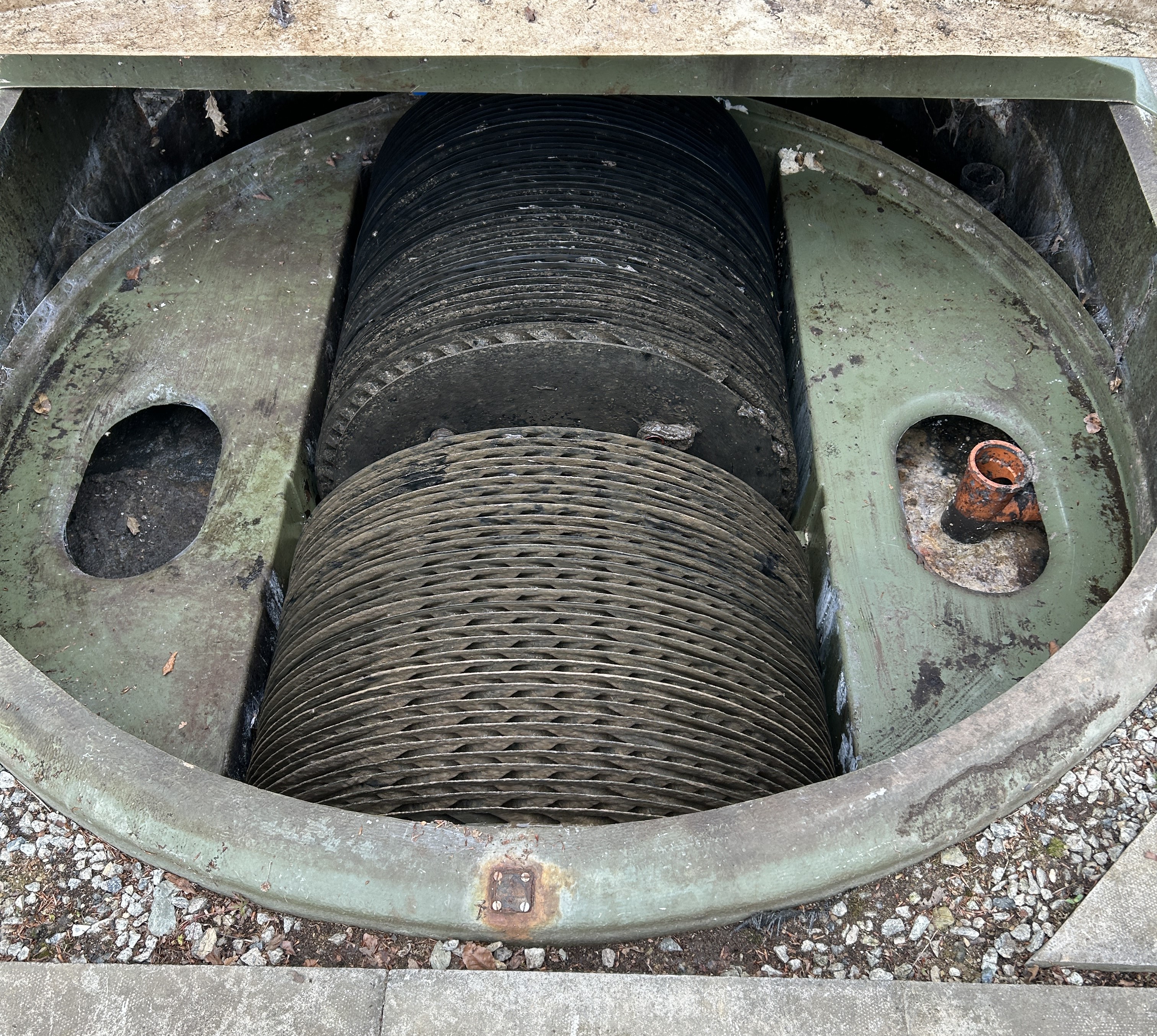
We have issued the environmental permit for St Mabyn wastewater treatment works.
South West Water (SWW) applied for an environmental permit to expand its wastewater treatment works on Wadebridge Road, St Mabyn. Between 10 December 2025 and 27 January 2026, we asked for your views on our draft permit and draft decision document. Thank you to everyone who took the time to respond.
We received 23 responses during the consultation. We carefully considered all comments and questions before making our final decision. We have now issued the environmental permit to South West Water.
Our final decision document explains the issuesContinue reading
We have issued the environmental permit for St Mabyn wastewater treatment works.
South West Water (SWW) applied for an environmental permit to expand its wastewater treatment works on Wadebridge Road, St Mabyn. Between 10 December 2025 and 27 January 2026, we asked for your views on our draft permit and draft decision document. Thank you to everyone who took the time to respond.
We received 23 responses during the consultation. We carefully considered all comments and questions before making our final decision. We have now issued the environmental permit to South West Water.
Our final decision document explains the issues raised during the consultation and how we took them into account when reaching our decision.
Once available, you can view the final decision document and environmental permit on Public Registers Online by searching for the permit number, EPR/NP3924LT.
Environmental permits help protect people and the environment by setting clear conditions that operators must meet. When we assess permit applications, we review the available evidence, consider consultation responses and make sure the proposal meets legal and technical requirements.
If a permit application meets these requirements and there are no grounds to refuse it, we must issue the permit. This follows the Regulators' Code, which requires regulators to carry out their work in a way that supports both environmental protection and sustainable economic growth.
-
More septic tank waste storage for Cornwall
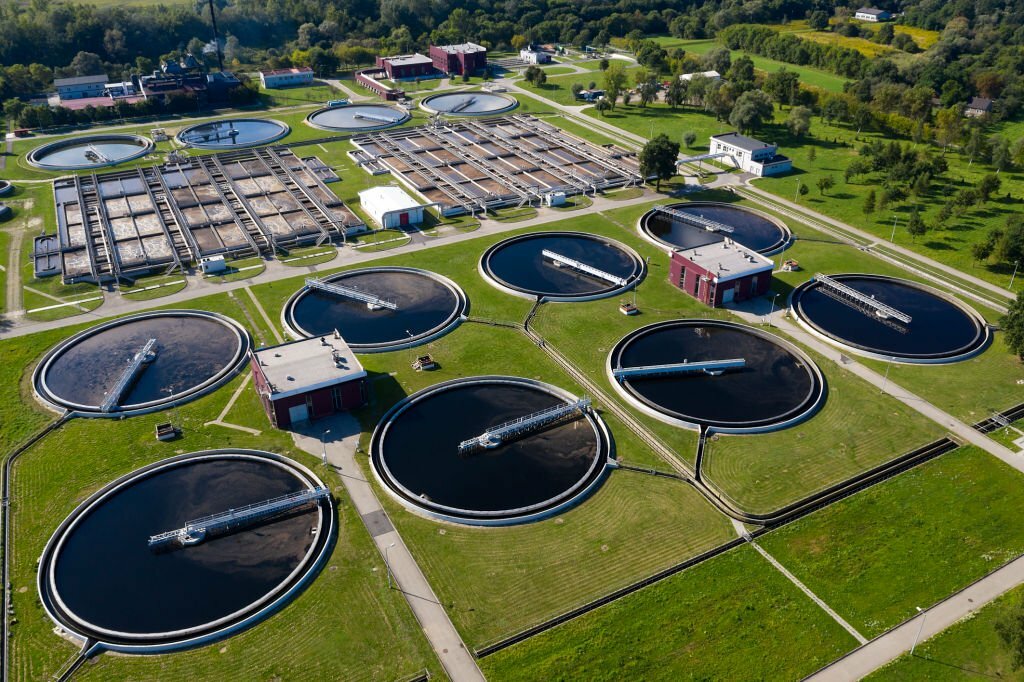
Across Cornwall, many homes depend on septic tanks or cesspits instead of the public sewer network. Waste operators empty these tanks and take the waste to authorised treatment sites. Untreated septic waste carries harmful pathogens and pollutants, so it must go to facilities that can process it safely.
Most septic tank waste in Cornwall is taken to South West Water (SWW) wastewater treatment sites. SWW must comply with their environmental permits, which means they cannot accept more waste than they can safely treat. During heavy rain or the busy summer season, sites can reach full capacity, and SWW may notContinue reading
Across Cornwall, many homes depend on septic tanks or cesspits instead of the public sewer network. Waste operators empty these tanks and take the waste to authorised treatment sites. Untreated septic waste carries harmful pathogens and pollutants, so it must go to facilities that can process it safely.
Most septic tank waste in Cornwall is taken to South West Water (SWW) wastewater treatment sites. SWW must comply with their environmental permits, which means they cannot accept more waste than they can safely treat. During heavy rain or the busy summer season, sites can reach full capacity, and SWW may not be able to accept extra waste. When this happens, operators often have to travel long distances to dispose of waste safely, increasing their costs and carbon impact.
To help the industry manage these pressures, we have been working with South West Water and the septic tank waste hauliers to explore solutions.
We are pleased to see that South West Water has refurbished an additional storage tank at their Hayle treatment plant, adding another 50 000 cubic litres of storage for Cornwall. There is now more capacity to dispose of these waste types in the county than there is demand.We remain committed to supporting this sector over the longer term and helping find solutions that better protect people and the environment.
-
Environment Agency to lead environmental regulation of the Trelavour Lithium Project
The government has announced that we will be the Lead Environmental Regulator for the Trelavour Lithium Project by Cornish Lithium, as part of a pilot which aims to speed up regulatory approval for major growth projects.
Cornish Lithium plans to produce high-grade lithium by redeveloping a former china clay pit in St Dennis, Cornwall. We expect it to be one of the high interest sites featured on this page later in the year/early 2027.
The project is intended to deliver lithium in an environmentally responsible way for the growing UK battery industry, helping to build a more sustainable domestic supplyContinue reading
The government has announced that we will be the Lead Environmental Regulator for the Trelavour Lithium Project by Cornish Lithium, as part of a pilot which aims to speed up regulatory approval for major growth projects.
Cornish Lithium plans to produce high-grade lithium by redeveloping a former china clay pit in St Dennis, Cornwall. We expect it to be one of the high interest sites featured on this page later in the year/early 2027.
The project is intended to deliver lithium in an environmentally responsible way for the growing UK battery industry, helping to build a more sustainable domestic supply chain and support the transition away from fossil fuels. Lithium is central to supporting the UK advanced manufacturing sectors and the clean energy transition.
We have been appointed as the primary point of contact for Cornish Lithium throughout the planning, permitting and licensing process. We will coordinate input from regulatory partners, including Natural England, so that advice is aligned and provided as early as possible. The aim is to reduce duplication, avoid unnecessary delays, and give developers greater clarity.
This new approach will not reduce the level of environmental protection in place, and we will consider all risks to the environment and the local community in making their decisions.
Lead Environmental Regulator ModelDevelopers of nationally significant infrastructure often navigate complex environmental requirements involving multiple regulators. These protections are critical, but the process of engaging with them has not always been as coordinated as it could be.
Under the new model, a single regulator is appointed as the primary point of contact for a developer throughout the planning, permitting and licensing process. The programme is currently being tested across a small number of projects to learn what works, identify where improvements are needed and inform any longer-term implementation.
Importantly, this model is a reform to how regulation is coordinated, not what is required. All statutory duties, Environmental Impact Assessments, permitting standards, and mitigation obligations apply in full.
-
Lower Hare Landfill
GRS Stone Supplies Ltd plans to start operating the inert landfill at Lower Hare Farm on 1 June 2026.
We issued the environmental permit for this site on 3 April 2025. From the first day of operation, we expect the site to meet all the conditions in that permit.
We’ve worked closely with GRS and are satisfied they can meet these requirements. We know this site is a concern for many of you. That’s why we want to be clear about what’s happening and what we will do next.
We will check the site early in its operation and planContinue reading
GRS Stone Supplies Ltd plans to start operating the inert landfill at Lower Hare Farm on 1 June 2026.
We issued the environmental permit for this site on 3 April 2025. From the first day of operation, we expect the site to meet all the conditions in that permit.
We’ve worked closely with GRS and are satisfied they can meet these requirements. We know this site is a concern for many of you. That’s why we want to be clear about what’s happening and what we will do next.
We will check the site early in its operation and plan to visit within the first couple of weeks. Our role is to make sure the permit is followed and the environment is protected.
How we regulate
When we inspect a site, we record any problems in a Compliance Assessment Report (CAR).
This sets out:
- what the issue is
- what the operator must do to fix it
- when they must complete the work
- any enforcement action we may take
We focus our effort where risks to people, communities and the environment are highest. We aim to be clear, consistent and proportionate in how we regulate.
We work with operators who are willing to put things right. But if they do not act, we can take enforcement action.
You can read more about how we regulate here:
Waste operations and installations: assessing and scoring environmental permit compliance – GOV.UKHow to contact us
If you see an environmental incident, call our 24-hour incident hotline: 0800 80 70 60
You can find out more about the types of incidents we respond to here: Report an environmental problem – GOV.UK
We focus our response on incidents that pose the greatest risk to people and the environment. This means we cannot attend every report.
In some cases, after assessing the risk, we may decide no further action is needed. Even then, your reports matter. They help us build a clearer picture of environmental risks and target our work where it has the most impact.
If you have questions about how we regulate this site, you can email: dcisenquiries@environment-agency.gov.uk
Signup Banner
Follow Project
Sites in DCIS that we receive the most enquiries about
Wadebridge Road Wastewater Treatment Works, St Mabyn
Exmouth Water Quality
South West Water on the Isles of Scilly
Septic Tank Waste in Cornwall
How we assess permit compliance and respond to issues
Contact us
-
Phone 03708 506 506 Email DCISenquiries@environment-agency.gov.uk