Wadebridge Road Wastewater Treatment Works, St Mabyn
Wadebridge Road wastewater treatment works, St Mabyn
- Once every year
- Desktop Review:
Officers begin by reviewing site permits and South West Water (SWW) asset records. This includes examining Compliance Assessment Forms (CAFs) and any previously issued warning letters or enforcement notices. - Inspection Planning:
An inspection is scheduled in coordination with SWW site managers to ensure access and clarity on the scope of the visit. - On-Site Inspection:
Officers conduct a thorough walkthrough of the site, assessing: - Permit compliance
- Asset maintenance
- Quality and characteristics of discharge
- Environmental Impact Assessment:
The discharge location and receiving watercourse are inspected for visual signs of pollution, including indicators such as sewage fungus, discoloration, or debris. - If any permit breaches are identified, they are formally recorded on the CAR.
- Officers set compliance actions for the water company to address the issues.
- These actions aim to improve operations and bring the site back into full compliance.
- If the pollution is serious or prolonged, the Environment Agency (EA) may escalate the response.
- Enforcement actions may include:
- Serving a Notice
- Issuing a Warning Letter
- Prosecution, depending on the severity and duration of the breach
What is this site and why is it of high public interest?
Wadebridge Road wastewater treatment works (WWTW) is a 'rotating biological contactor' owned by South West Water (SWW). It provides primary and secondary treatment to raw sewage. It accepts wastewater from the houses in St Mabyn, treats it, then discharges the treated effluent into the nearby tributary stream of the River Allen, in line with it's environmental permit. 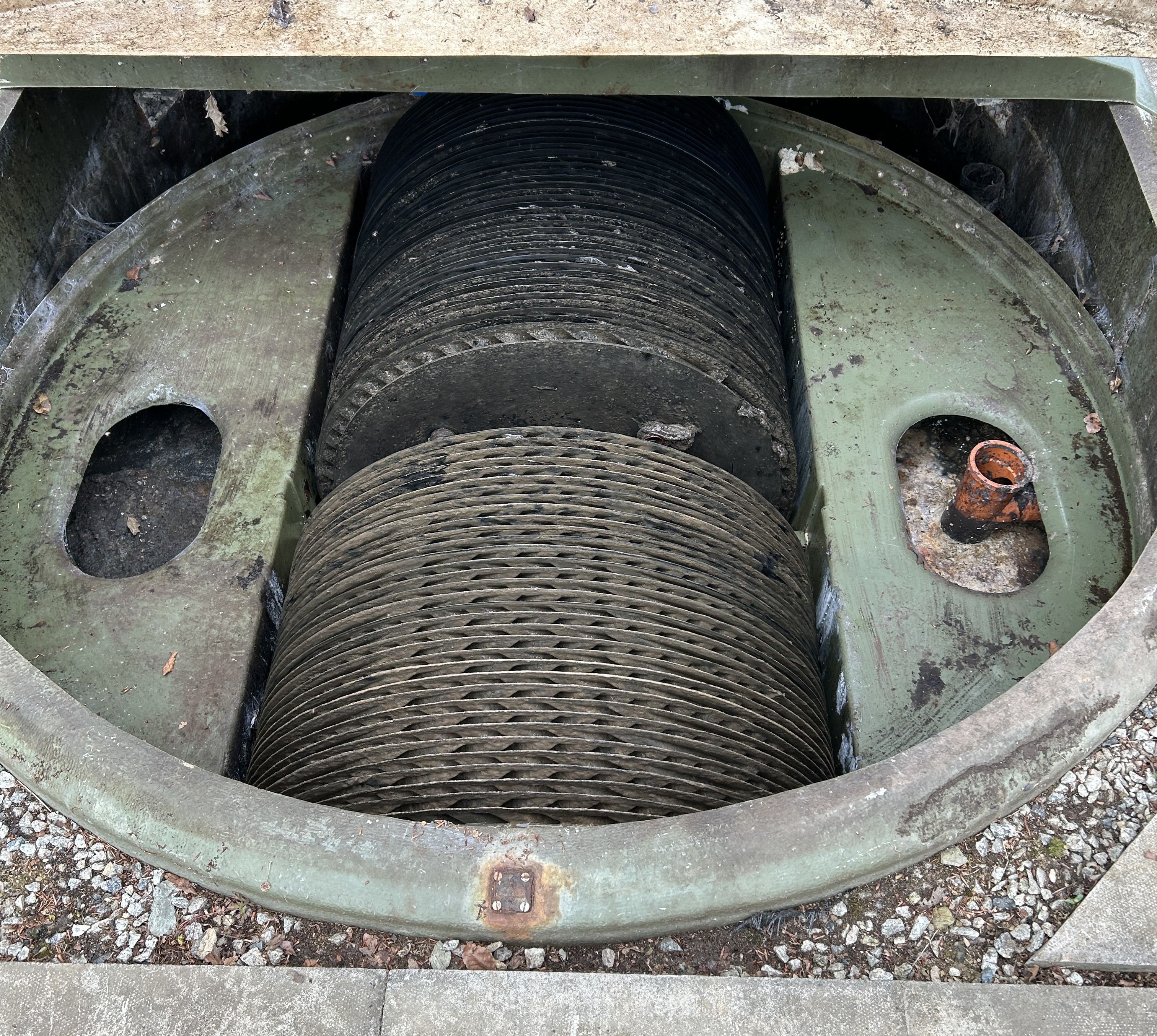
There is a new housing development in St Mabyn called Chapelfields. SWW need to upgrade the Wadebridge Road WWTW so that it can receive additional domestic sewage flows from Chapelfields. The water company admits it made a mistake when it told the planning office that the WWTW already had capacity to cope with the development. It is now focusing on finding a solution.
What have South West Water applied to do?
South West Water's (SWW) proposed solution is to upgrade the Wadebridge Road WWTW so it has the capacity to take the wastewater from Chapelfields. They have applied to us for an environmental permit to allow them to do this. While we recognise that the community do not think this is the best option, we ask that you direct your concerns about SWW's plans to the water company itself. We can only determine the permit application it has submitted and cannot assess other options.
SWW have applied to upgrade WWTW's capacity by 12m3 per day, from 4.5 to 16.6m3. This is a relatively small upgrade and will not increase the footprint of the site. The upgrade is only designed to cope with the additional flows from the Chapelfields development. It will only accept domestic sewage, not surface water or storm overflow. It will also not have the capacity to accept flows from any future significant housing developments. It is SWW's responsibility to ensure that it directs future potential housing developers to alternative options for sewage treatment.
How do we regulate this site and check for compliance?
Since the formation of the two new Water Industry Regulation (WIR) teams within DCIS in 2024, we’ve adopted a more structured approach to site inspections. Our aim is to inspect all sewage treatment works (STW) in Devon and Cornwall annually, alongside key South West Water (SWW) assets such as pumping stations and combined sewage outfalls (CSO).
How often do we visit and inspect?
What does an inspection involve?
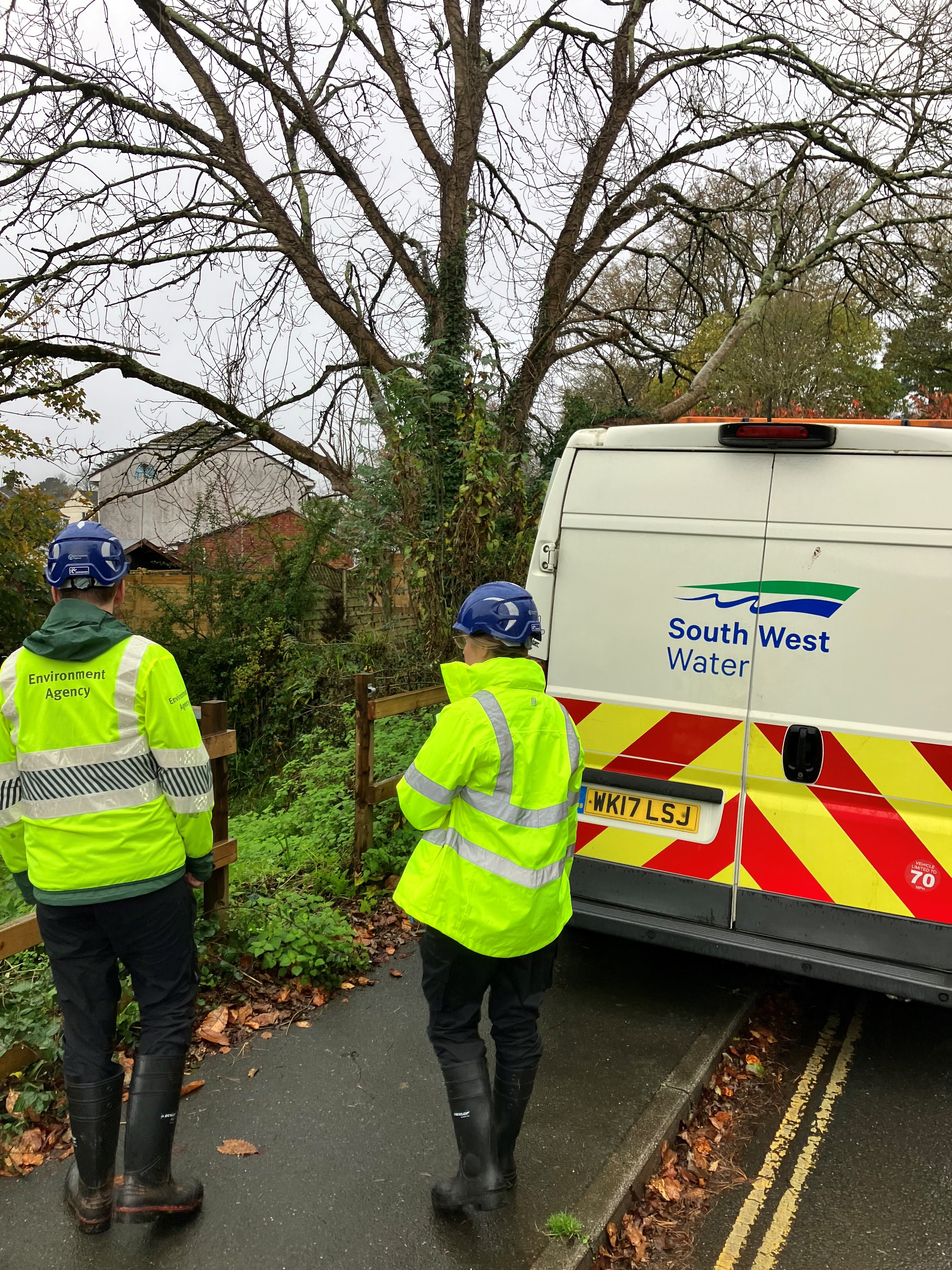
Experienced Environment Officers follow a structured approach to assess site compliance:
What do we do if we find anything wrong?
Compliance Assessment Form (CAR):
After every site visit, Environment Officers issue a Compliance Assessment Report (CAR) to the water company. The CAR outlines the findings of the inspection and is uploaded to the public register for transparency.
Non-Compliance Actions:
How do we adapt our regulation if we suspect something is wrong?
Collaborative Remediation:
Environment Officers work closely with the water company to rectify any identified issues. If an ongoing pollution incident is observed, it is recorded on the National Incident Reporting System (NIRS). The water company is instructed to remove or contain any pollutants promptly.
Escalation & Enforcement: