Septic Tank Waste in Cornwall
Septic Tank Waste in Cornwall
- National guidance on the safe use of sewage sludge: https://engageenvironmentagency.uk.engagementhq.com/sludge-2
- Sewage sludge in agriculture: code of practice: https://www.gov.uk/government/publications/sewage-sludge-in-agriculture-code-of-practice
- Environment Agency strategy for safe and sustainable sludge use: https://www.gov.uk/government/publications/environment-agency-strategy-for-safe-and-sustainable-sludge-use/environment-agency-strategy-for-safe-and-sustainable-sludge-use
What is the problem?
Cornwall’s landscapes and coastline are some of the most treasured in the country. Protecting them means making sure septic tank waste is handled safely, so it doesn’t harm people, wildlife or the places communities rely on.
Across Cornwall, many homes depend on septic tanks or cesspits instead of the public sewer network. Waste operators empty these tanks and take the waste to authorised treatment sites. Untreated septic waste carries harmful pathogens and pollutants, so it must go to facilities that can process it safely.
Spreading untreated human effluent on land has been illegal since 1989. After a 2022 prosecution for illegal spreading, we stepped in to protect the environment and made sure operators across Cornwall understood the rules and what they need to operate legally.
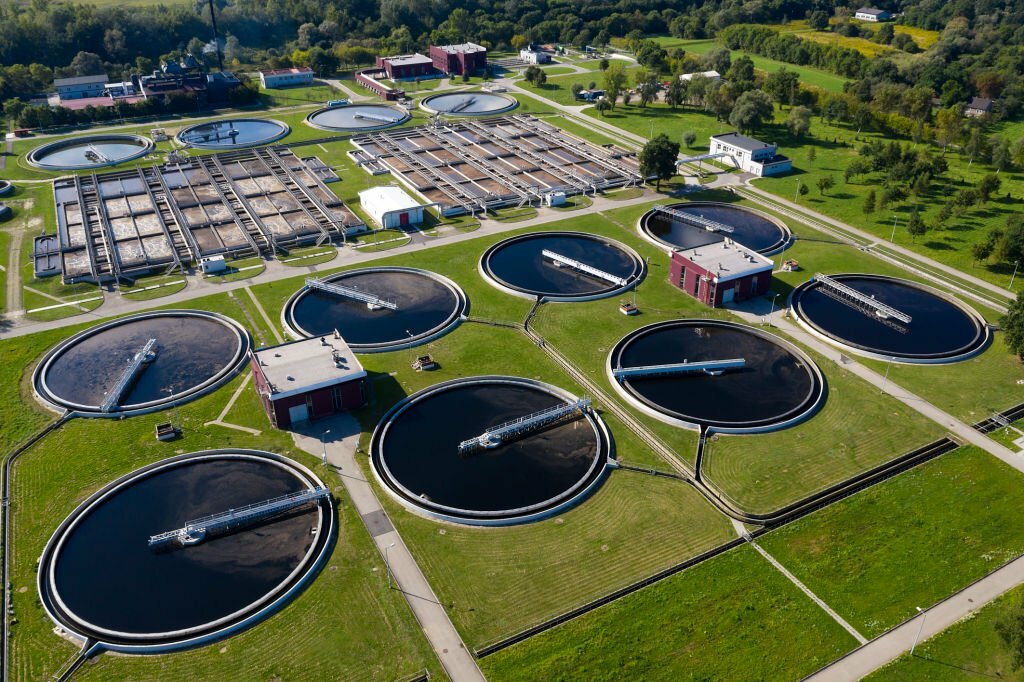
Most septic tank waste in Cornwall is taken to South West Water (SWW) wastewater treatment sites. SWW must comply with their environmental permits, which means they cannot accept more waste than they can safely treat. During heavy rain or the busy summer season, sites can reach full capacity, and SWW may not be able to accept extra waste. When this happens, operators often have to travel long distances to dispose of waste safely, increasing their costs and carbon impact.
What did we do?
To help the industry manage these pressures, we have been working with South West Water and the septic tank waste hauliers to explore solutions.
We are pleased to see that South West Water has refurbished an additional storage tank at their Hayle treatment plant, adding another 50 000 cubic litres of storage for Cornwall. There is now more capacity to dispose of these waste types in the county than there is demand.
We encourage companies to apply for permits to operate new wastewater treatment facilities where risks can be managed. We recommend that applicants take advantage of our pre-application advice service, to ensure their best chance of a successful application. We are currently prioritising permit applications for septic tank waste treatment because we recognise the urgent need for more capacity in Cornwall.
In December 2025 we issued a new permit to Aqua Rod (Redruth) to treat up to 25,000 tonnes of sludge each year and we are currently providing pre-application advice to operators looking to set up two additional sites in the County
We have recently issued a Local Enforcement Position which allows liquid wastes from treatment of septic tank and cess pit wastes to be received at Newham Sewage Treatment Works at Newham, near Truro. This temporary arrangement allows up to 200m3 per day of this waste type to be accepted at the works.
We introduced flexibility in 2022 allowing operators to store up to 60,000 litres of septic or cesspit waste at a secure site they control. Stored waste must be taken to an authorised treatment works as soon as capacity becomes available. This is a small but important step while we continue to work with the industry on long‑term solutions.
We remain committed to supporting this sector over the longer term and helping find solutions that better protect people and the environment.
What will change in the future?
Looking ahead, the Government has committed to tackling issues linked to private sewerage systems. A proposed Bill will introduce a registration scheme for unpermitted systems and update guidance so more households can connect to the public sewer network. Our updated Sludge Strategy explains how future regulation will ensure safer, more consistent handling of septic sludge.
Under the Industrial Emissions Directive (IED), larger facilities that treat sludge must meet strict emissions standards. SWW chose not to upgrade some sites to meet full IED requirements, which means their sites now have limited capacity for private septic tank waste. Most of their storage is needed for their own sludge, leaving less room for waste from other operators.
Useful Links