
Calne: Odour Monitoring Update 5 Aug 26
This week we began our enhanced odour monitoring programme to assess the effectiveness of the permanent capping works and other measures implemented by Hills to reduce odour from the Lower Compton Landfill site.
As part of this programme, we have been out monitoring odour in the community at all hours, day and night, both in residential communities and near to and within the site boundary. Officers have often attended shortly after odour reports are received from residents to corroborate reports.
Our primary monitoring method is odour assessment, or "sniff testing", undertaken by our trained officers using their noses and recognised FIDOR principals (Frequency, Intensity, Duration, Offensiveness, and Receptor sensitivity). These officers are qualified to detect and assess the presence, character and intensity of odours, providing key evidence to determine whether permit conditions are being met.
We are working closely alongside Wiltshire Council Environmental Health Officers, who monitor odour from a statutory nuisance perspective.
Alongside this, we may also use “Jerome” hydrogen sulphide analysers to support our findings by measuring levels of hydrogen sulphide. Our Mobile Monitoring Facility (MMF) also remains in place and continues to measure ambient air quality in the area.
The Environmental Permit requires the site not to cause odour to escape at a level likely to cause pollution, as perceived by an authorised officer, unless the operator has used appropriate measures to prevent or minimise odour. Officer observations therefore play a vital role in our assessment, particularly as people can detect odour produced by a range of odour producing compounds and can often detect odours at levels below the detection limits of monitoring equipment.
We will provide an update on our enhanced monitoring in the next community briefing.
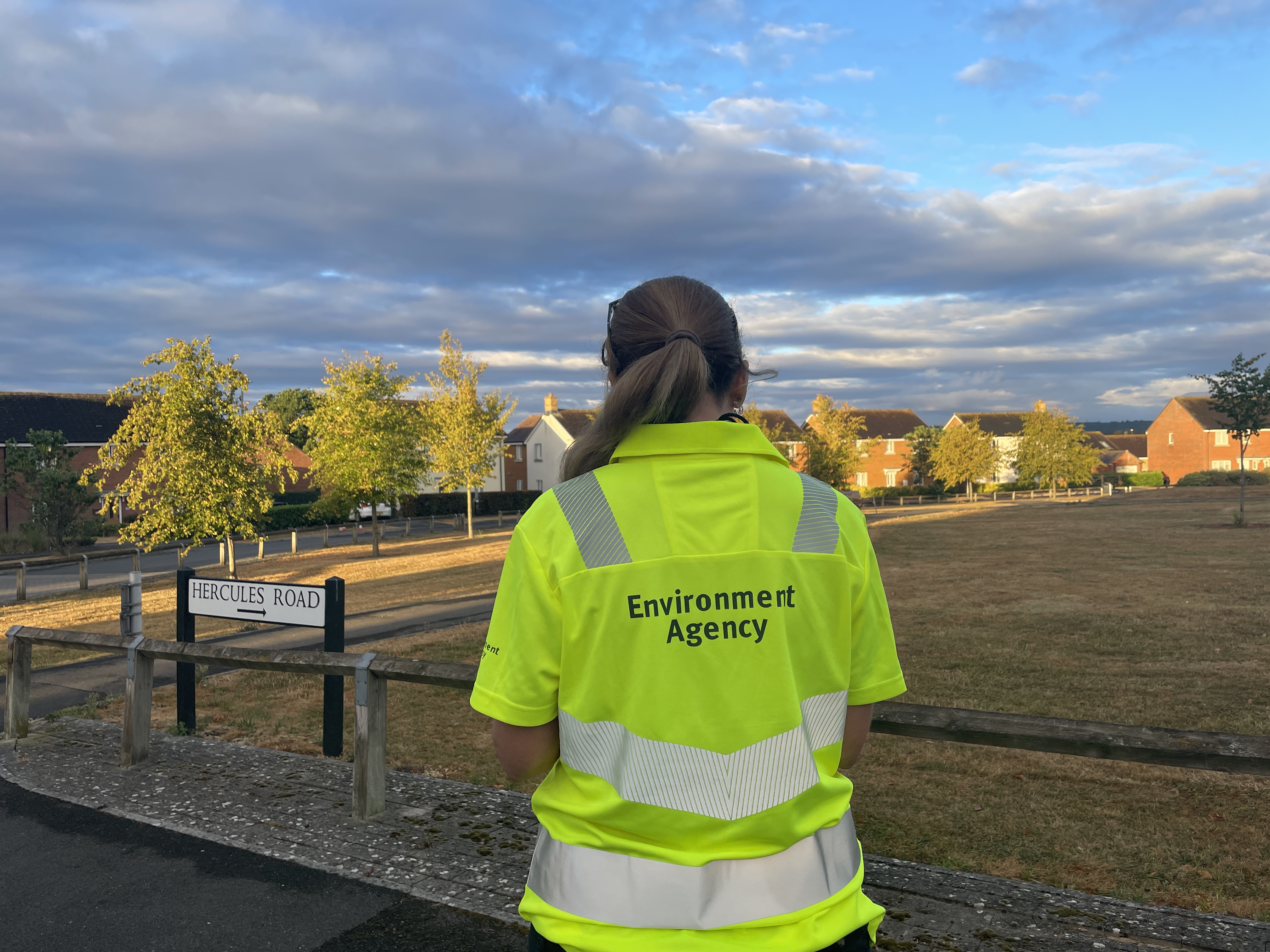 An Environment Agency officer monitors for odour in Calne - Aug 26

Thank you for your contribution!
Help us reach out to more people in the community
Share this with family and friends