How can we reduce the flood risk?
- Do nothing - this is a baseline to measure benefits against but also remains an option.
- Temporary flood storage areas - this aims to slow the flow by creating areas to store water during extreme storm events which will reduce the flood risk to homes and business downstream. Any water storage is only temporary, for up to a day, during an extreme rainstorm event and the parks would continue to be used as they currently are.
- Nature Based Solutions - In addition to temporary flood storage, nature-based solutions can offer additional benefits for habitat creation, but on its own this option is unable to offer the required level of flood risk management in this catchment. There is an intention is to integrate NBS measures where feasible alongside a temporary flood storage scheme.
- Property Flood Resilience (PFR) - Individual property measures, such as flood doors, air brick covers and flood barriers can be used to reduce flood risk directly to individual properties. Find out more at the The Flood Hub
- Construction of an embankment and flood defence wall to prevent water overtopping the left bank upstream of Dogpool Lane Bridge
- Creation of an embanked area to store water during storm events in the green open space on the right bank upstream of Dogpool Lane Bridge
- New flood defence walls on the left and right banks downstream of Dogpool Lane Bridge
- Alterations to the river channel to improve flow and environmental diversity
- Improvements to existing access routes, including the cycle path and Ashbrook Road access drive.
- Removal of silt and four weirs in partnership with Birmingham City Council to aid flow and fish passage.
- Construction of an embankment within Pebble Mill playing fields to direct flood water back into the River Rea and re-alignment and re-surfacing of public footpaths.
- Improved planting and landscaping to encourage local habitat diversity and increase biodiversity.
- Landscaping and additional tree planting and meadow creation was undertaken in Autumn 2024.
The options we are exploring
Various approaches have been investigated and one of the most effective ways is to slow the flow by temporarily holding back water upstream in flood storage areas.
The approaches we have explored are:
Examples of some completed Temporary Flood Storage Areas
Rugeley flood scheme completed in 2017

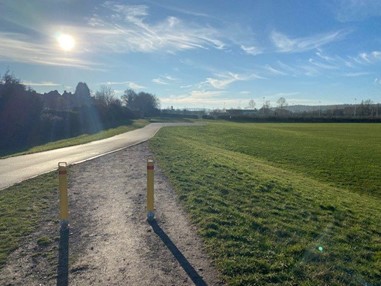 The Rugeley flood scheme was completed in 2017. The embankment here is a lot higher than proposed for the Bourn scheme. The wet side was re-established to sports pitches as requested by the local community (wet twice since completion in 2017).
Selly Park South Flood Risk Management Scheme
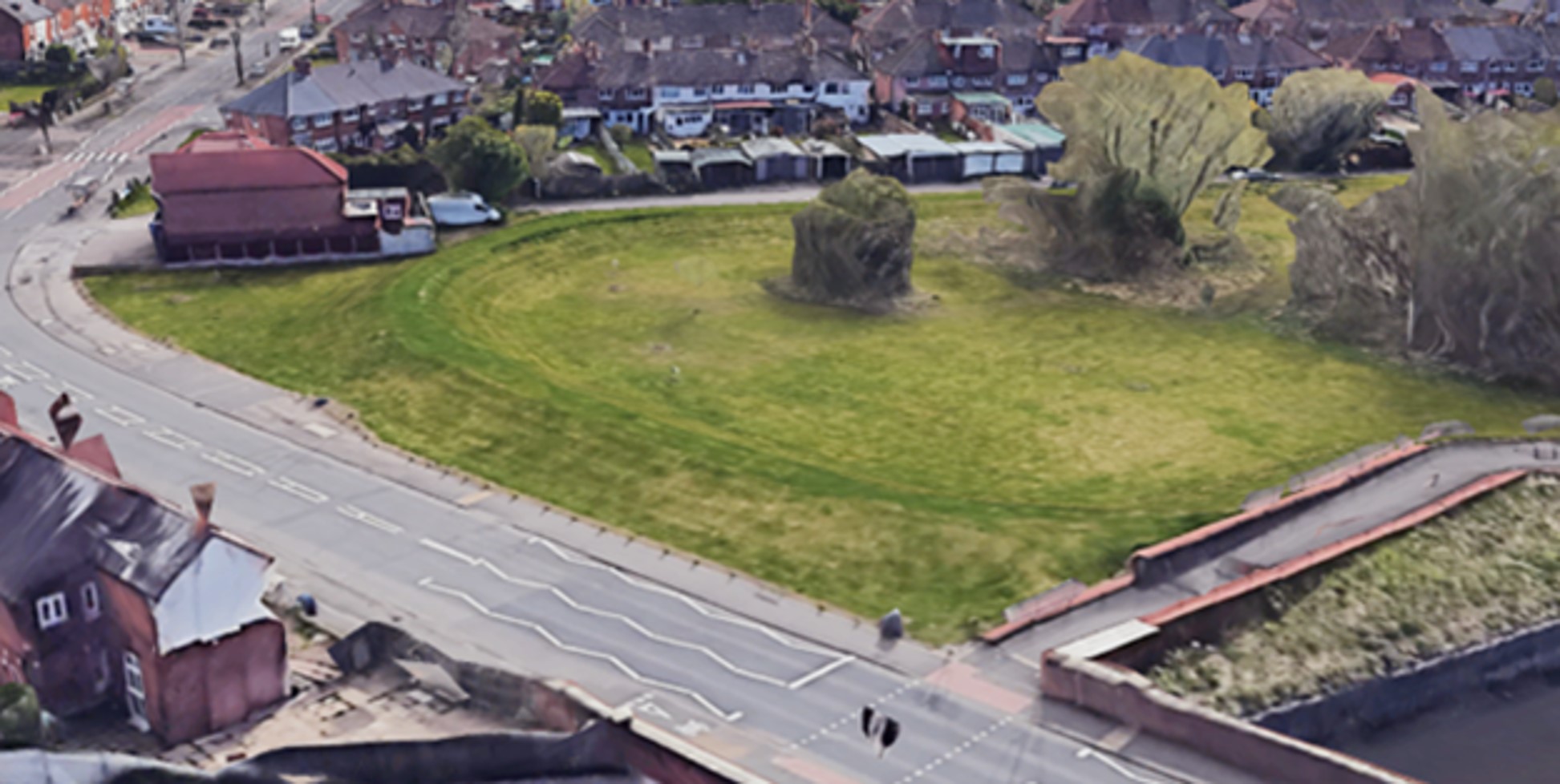 The Selly Park South Flood Scheme is a recently completed temporary flood storage area alongside Dogpool Lane
This is a completed offline temporary flood storage area reduces the flood risk to 220 residential properties and businesses in the Selly Park south area.
The scheme involved:
Pebble Mill Playing Fields Flood Risk Management Scheme
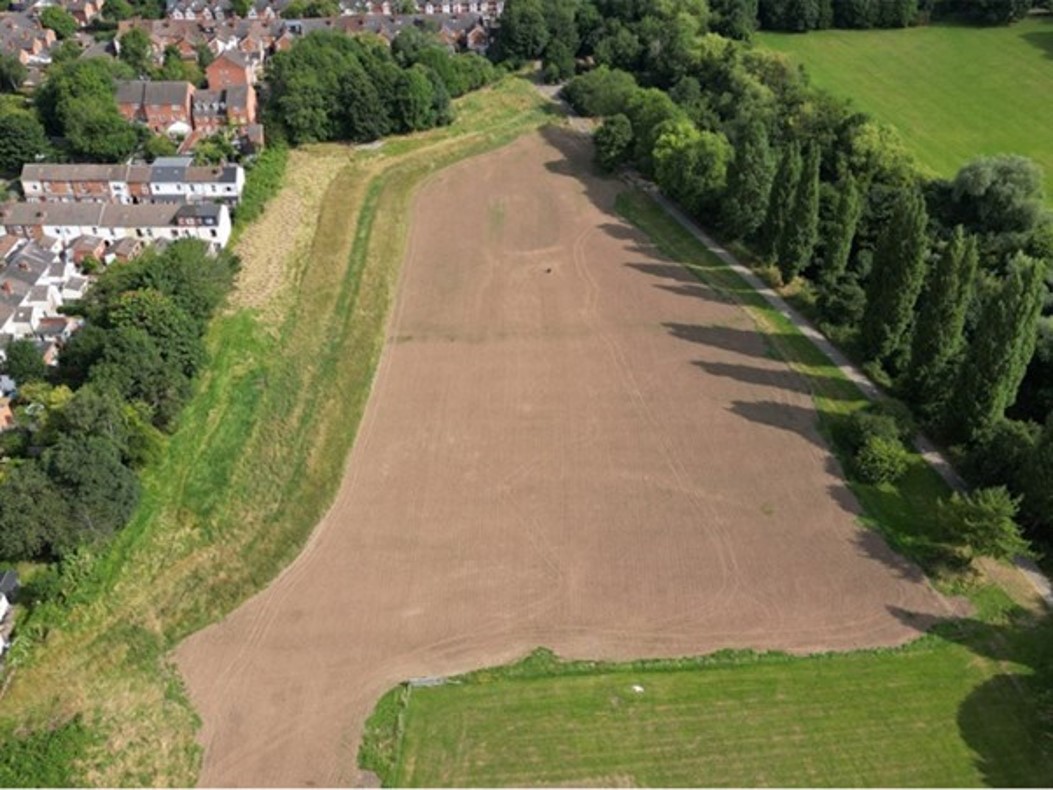 This aerial view shows the construction of embankments at Pebble Mill playing fields to the left-hand side which will direct flood water back into the River Rea running along the tree line. This reduces the flood risk to circa 70 residential properties and businesses in the area.
 The scheme involved:
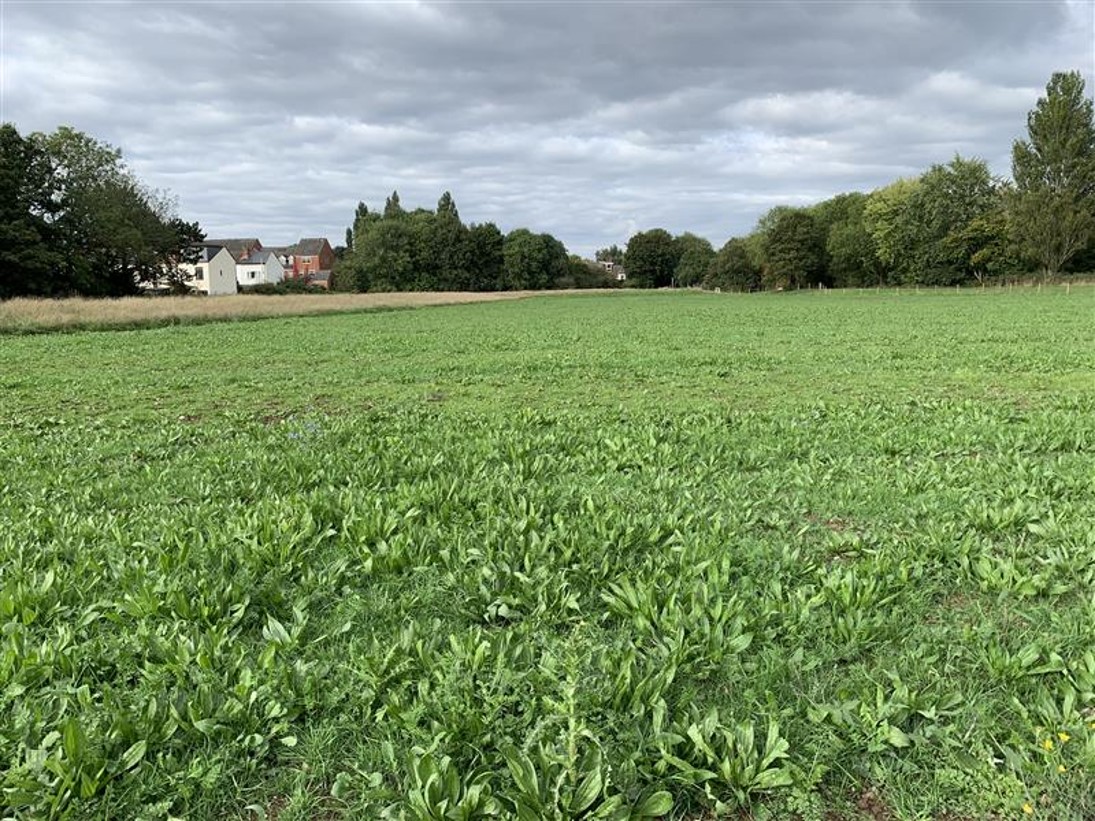 This photo shows the same area the aerial view above. Following community suggestions, this area was replanted with meadow plants. The team went beyond Environment Agency’s targets, demonstrating 238% habitat and 44% rivers Biodiversity Net Gain and won the Institution of Civil Engineers (ICE) West Midlands Sustainability Award for this project.
 Following a storm event in September 2024, Local Flood Group Lead, Howard Smith, commented:
“The Bournbrook Alleviation Channel kicked into operation for the first time since it was completed in March 2019. I was pleased to see it working exactly as it had been described to me 5 years ago. It certainly saved a major flooding incident.
The Rea did not break its banks so the Pebble Mill Fields / First Avenue Scheme was not fully utilised but I've never seen the Rea flowing higher or faster so I believe the weir removal certainly helped in that regard.
A huge vote of thanks to the EA for all the work done in our area in the past seven years. We are very grateful.”