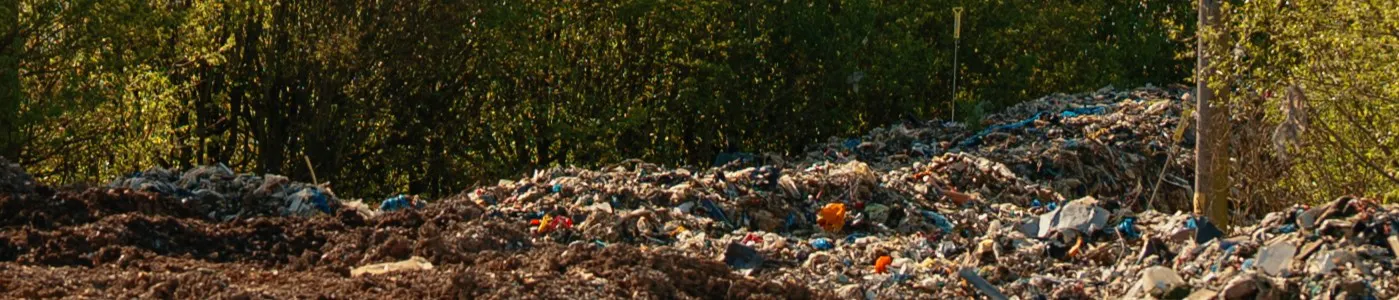
Illegal waste site near Kidlington
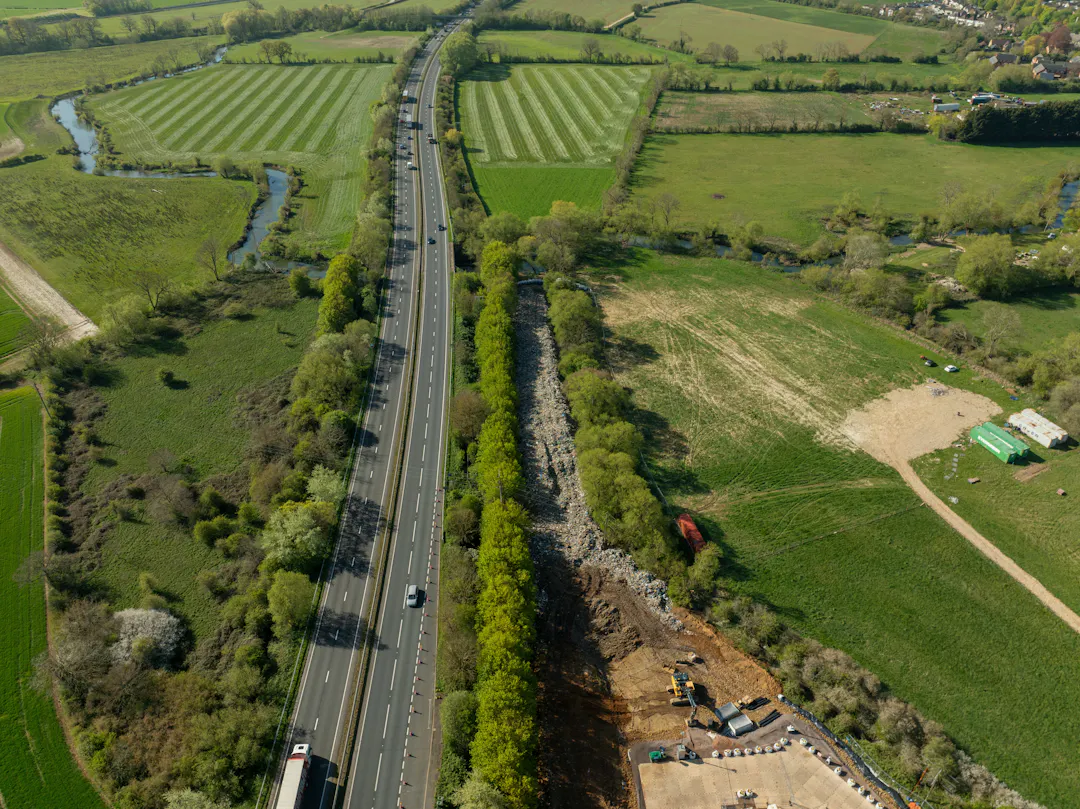
We are currently using this page to share information about the illegal waste site near Kidlington, Oxford. You will find the latest news, information and frequently asked questions and answers about our work.
In the Thames area, we regulate a large number of permitted sites, including factories, landfills and agricultural producers. Over time, this page will highlight the sites that we receive the highest level of interest for.
If you are interested in another site please email our customer and enquiries team.
If you have information or are concerned about another site, please call our pollution hotline on 0800 80 70 60 or use this link to find out more about how to report an environmental issue. Or you can contact Crimestoppers anonymously.
To report something about the illegal waste site at Kidlington such as odour or mud on the road use the Useful Links section on this page.
Please register with EHQ to get the best experience on the platform, and to enable interaction with any tools on this page.
We encourage you to subscribe to this project to make it easier for you to follow this and any other projects you are interested in. We may contact you if there are significant updates or important changes to information, however please note that you will not automatically be updated for standard updates or edits.
-
Site demobilisation and final preparations
The site compound, cabins and track matting for heavy vehicles were removed in early July. We have now removed the stone base that the temporary compound was located on. In doing so we have found further buried waste in this area which was hidden by a thick layer of soil when the waste was illegally dumped in 2025.
We are also removing any remaining waste at the site perimeter using a mechanical digger and then finishing by hand to avoid further damage to tree roots.
A Public Rights of Way Officer from Oxfordshire County Council has visited the site to make recommendations for the eventual reopening of the public footpath that runs through the site.
National Highways will inspect their drainage channels at the north and east boundaries. They will also assist in determining appropriate tree safety works on their land, as there are trees with roots that extend into the waste site.
We aim to have removed all the remaining waste from the fields, land and habitat over the coming weeks to repair what was so badly damaged, by these unscrupulous criminals.
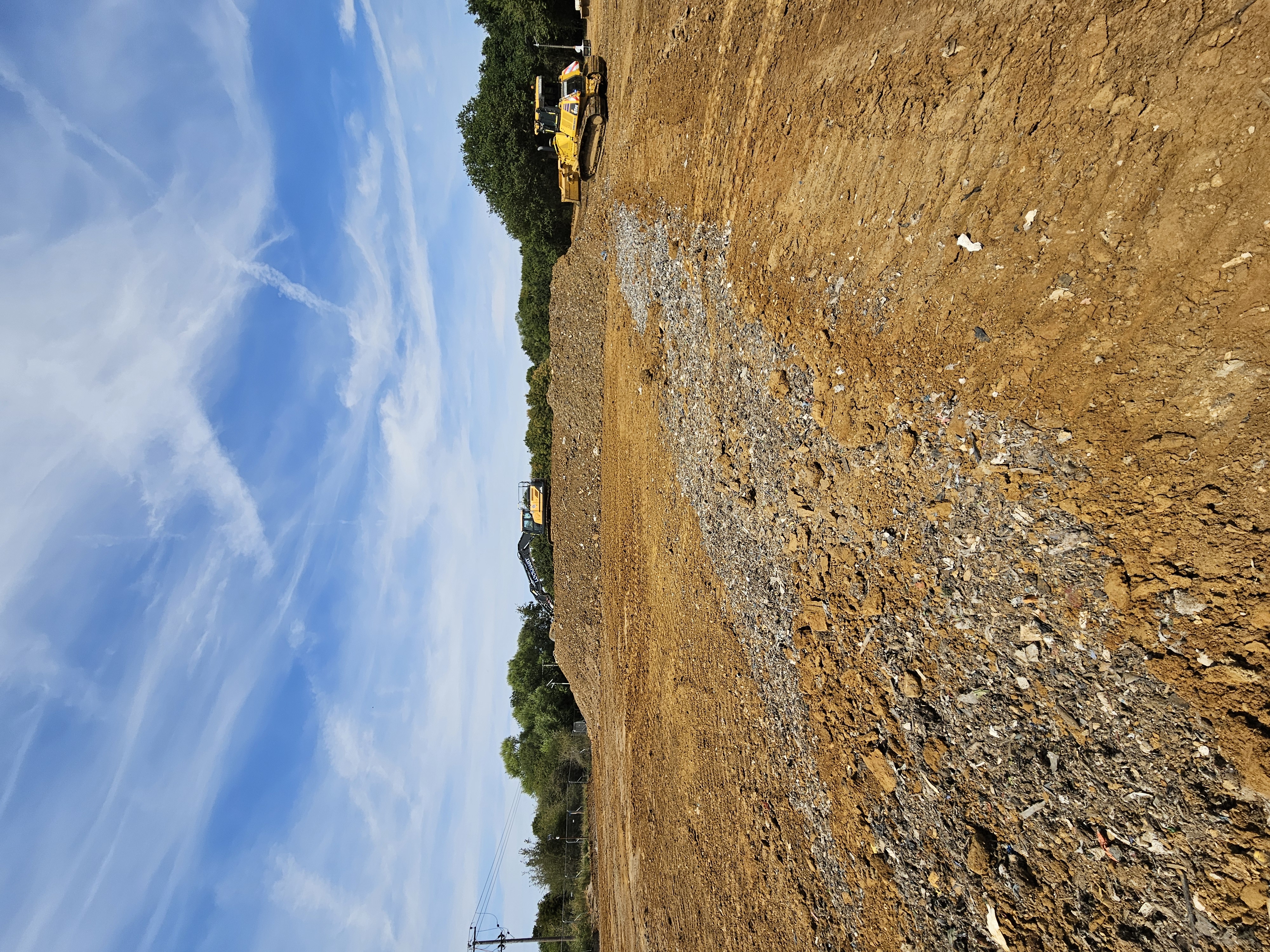
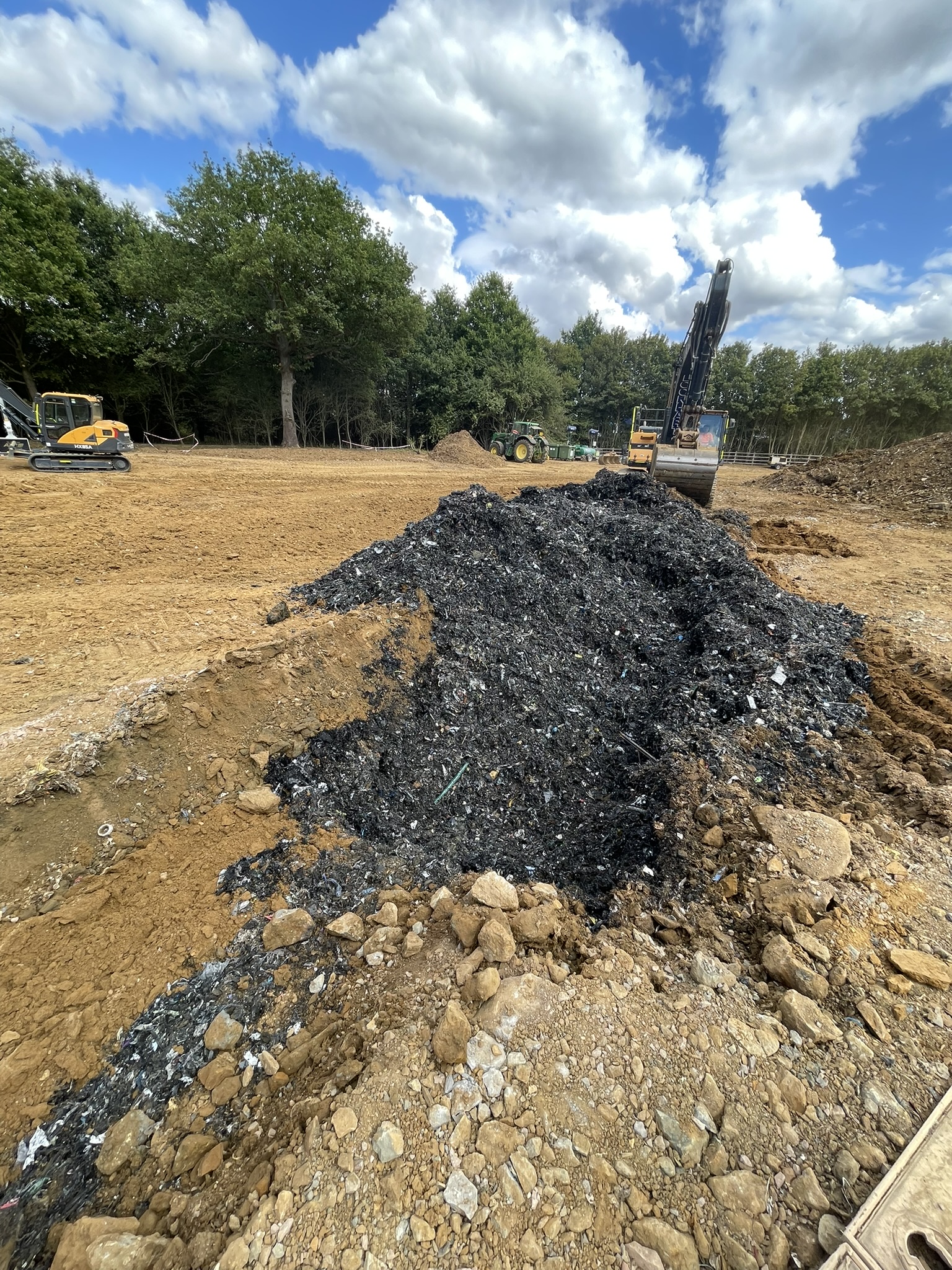
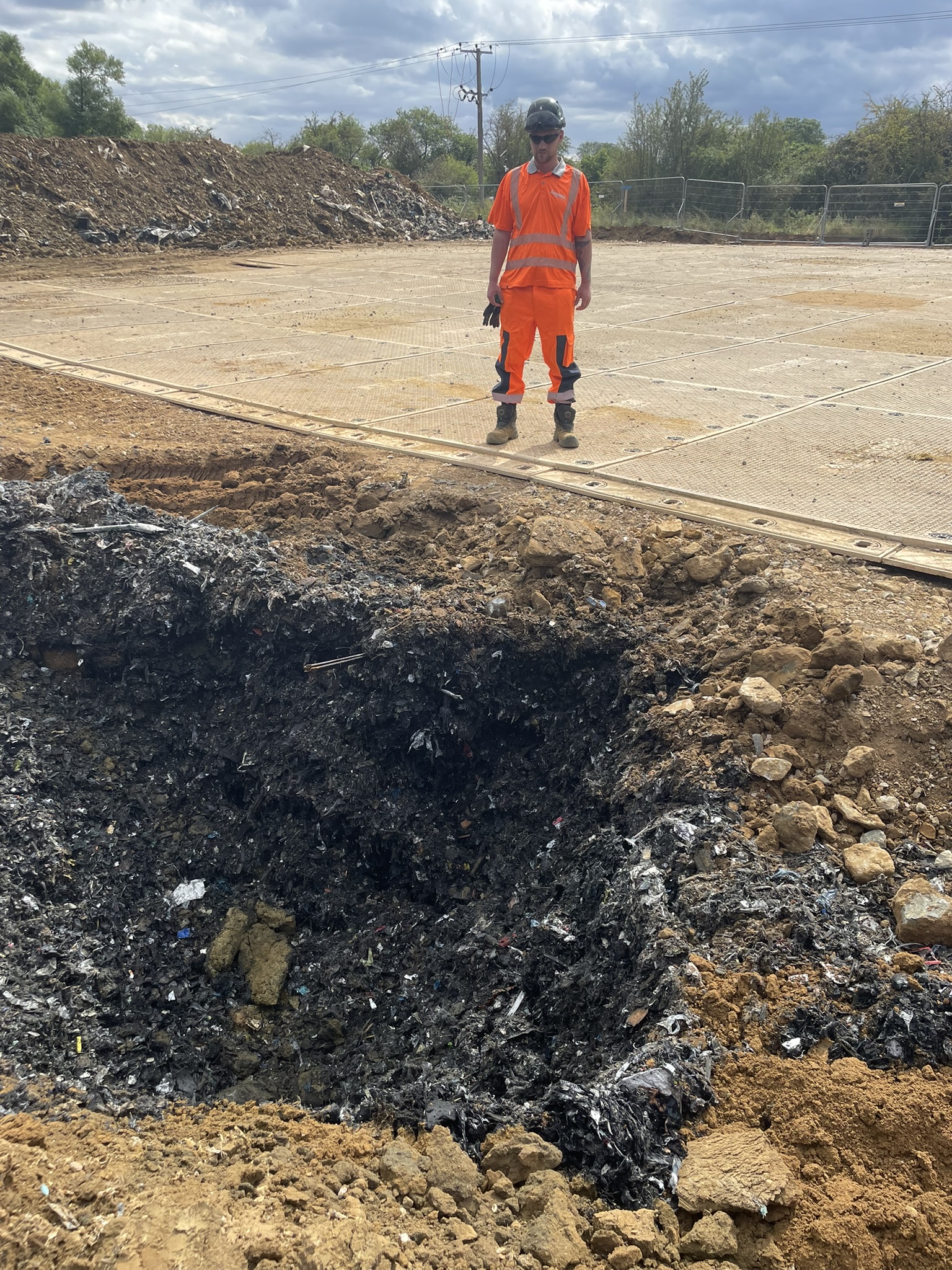 images showing the buried waste pit, approximately 2 metres deep and up to 10 metres wide.
 -
Completion work update
The Jumbo sandbag wall that prevented the waste from going into the River Cherwell has now been removed. The bag contents will be cleaned so that the material can be reused.
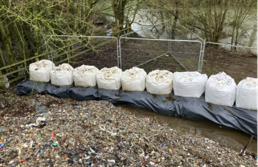
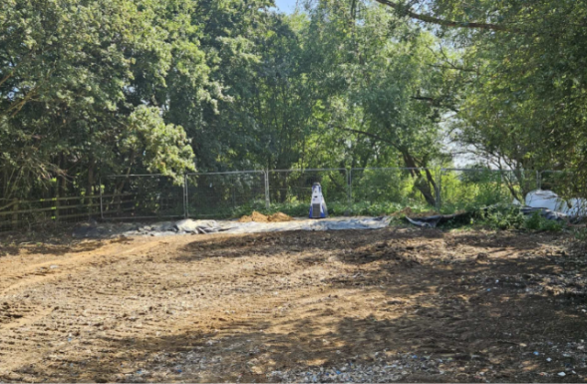 Jumbo sandbags in April 2026Sandbags and waste removed June 2026
The main site cabins are now gone and track matting that was laid to enable heavy lorries to drive on it to collect waste from site is being removed. This enables us to continue to dig trial pits to identify where there is buried waste. The photo shows an example of buried waste, note the blackened areas of the waste being recovered. 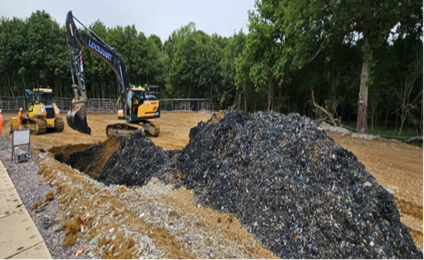
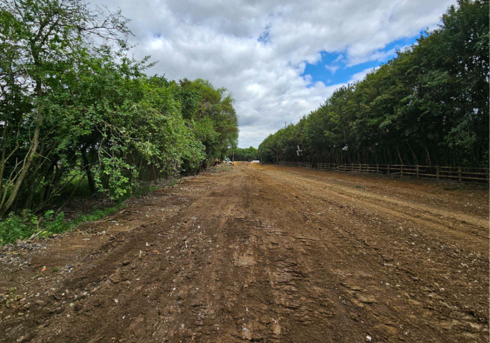
We have started to remove the small amount of remaining visible waste at the site perimeter. To do this we have lightly scraped the surface with a mechanical digger and then finishing by hand to avoid further damaging tree roots and risk them falling onto the A34. -
Work on site is nearing completion
The piles of waste, up to 10m high, that were illegally dumped by unscrupulous criminals have now been cleared from the northern and southern sections of the site, and what remains to be disposed of is stockpiled within the site boundaries ready for collection.
Almost 17,000 tonnes have been sent to permitted waste management facilities, and the remainder will be collected and disposed of over the coming weeks.
This waste has blighted local communities and the environment, so we have been working at pace with over 700 lorry loads of waste leaving the site since we began clearance in April. We are now focusing efforts on clearing the site boundaries and peripheries. When this has been completed, we will dig trial pits and carry out ‘walk over’ inspections to identify any further pockets of buried waste that may need to be removed.
In July we hope to begin reinstatement works. This includes inspections by our partners National Highways, to ensure their boundary that runs alongside the A34, the fencing and drainage ditches are all still fit for purpose. We will remove the Heras fencing and jumbo sandbags that were installed to protect the River Cherwell from pollution and decommission the site compound removing the staff welfare facilities, aggregate and access track.
The aggregate that formed the underlay of our site compound and the contents of the jumbo sandbags will be sent for cleaning rather than disposal, allowing re-use in the future.
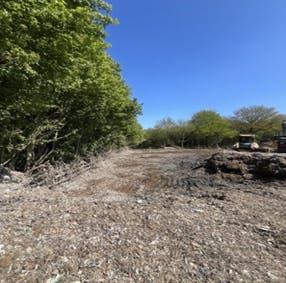
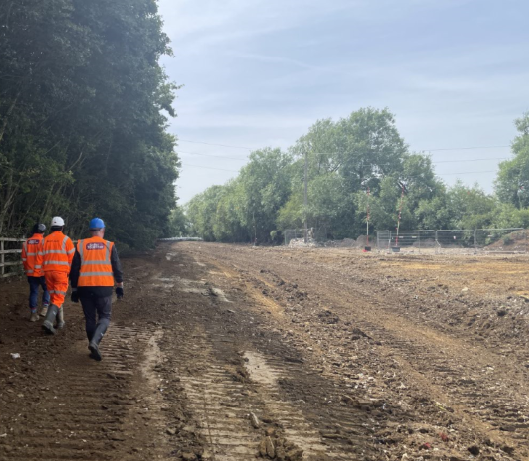 The southern section now it has been cleared
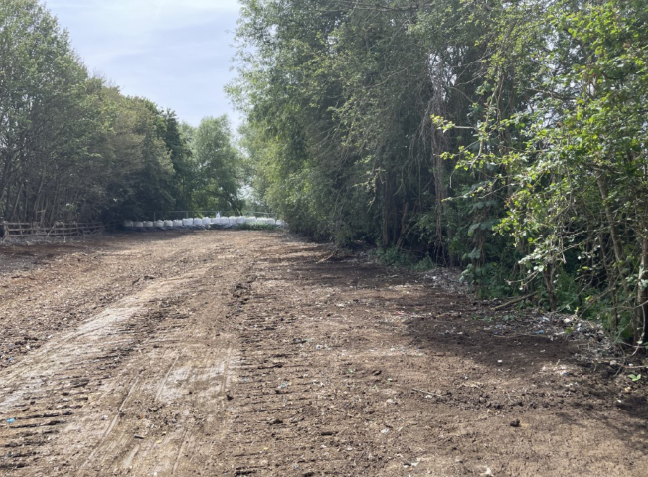 Facing south - barrier protecting waste from entering the River Cherwell in the background
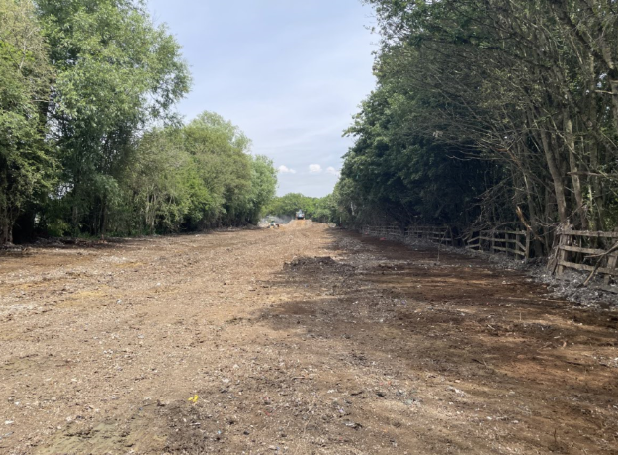 Facing north
 -
Work begins on clearing the southern section of the site
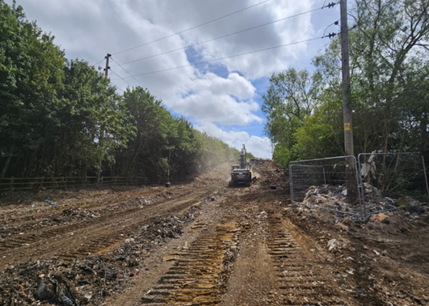
The image shows an excavator clearing waste from the southern part of the site. This area is narrower and more confined, so the work is more complex and will take a little more time.
We have already removed more than 400 lorry loads of waste from the site. This is an important step in reducing the risks to the surrounding area.
In the northern section, we have found pockets of buried waste, in some places up to two metres deep. We will remove this once the more accessible waste has been cleared, so we can continue to work at pace.
We continue to monitor the site closely. Temperature probes show that conditions remain stable, which reduces the risk of fire.
We are also sampling water from the River Cherwell every two weeks, where conditions allow. This will continue until all the waste has been removed. The results so far show chemical levels similar to those found in other rivers across England. These are at very low levels and are not expected to cause harm to the environment.
-
Customer and Engagement

-
 You can avoid your waste being illegally collected and dumped by using a registered waste carrier. It's easy to check, just head to the Environment Agency public register: https://environment.data.gov.uk/public-register/view/search-waste-carriers-brokers and search the company name. If they are not listed – they are not legal.
It's also a good idea to a written receipt or transfer note showing their contact details, a description of your waste and details of where they are taking it.
You can avoid your waste being illegally collected and dumped by using a registered waste carrier. It's easy to check, just head to the Environment Agency public register: https://environment.data.gov.uk/public-register/view/search-waste-carriers-brokers and search the company name. If they are not listed – they are not legal.
It's also a good idea to a written receipt or transfer note showing their contact details, a description of your waste and details of where they are taking it.
-
 Illegal waste site near Kidlington
- The criminal investigation: Four arrests made so far
- How the Environment Agency responded
- Why we made the decision to clear the waste
- Who we are working with
- Contract for waste removal
- Vegetation work
- Traffic Management
- How we manage odour from the waste
- Footpath closure
- Our wider work against waste crime
- How you can help us
-
Water Quality Monitoring of the River Cherwell: Sampling Results
- Overview
- Analytical results from samples taken from 18 March 2026 onwards
- Analytical results from samples taken 5 and 11 March 2026
- Analytical results from samples taken 14 January 2026
- Analytical results from samples taken 5 January 2026
- Analytical results from samples taken 16 December 2025
- Analytical results from samples taken 4 December 2025
- Analytical results from samples taken 28 November 2025


-
 Major clean-up at Kidlington Illegal waste site begins. We are working to remove this waste as quickly as possible while continuing our investigation to bring those responsible to justice.
-
