Thames Area drought update
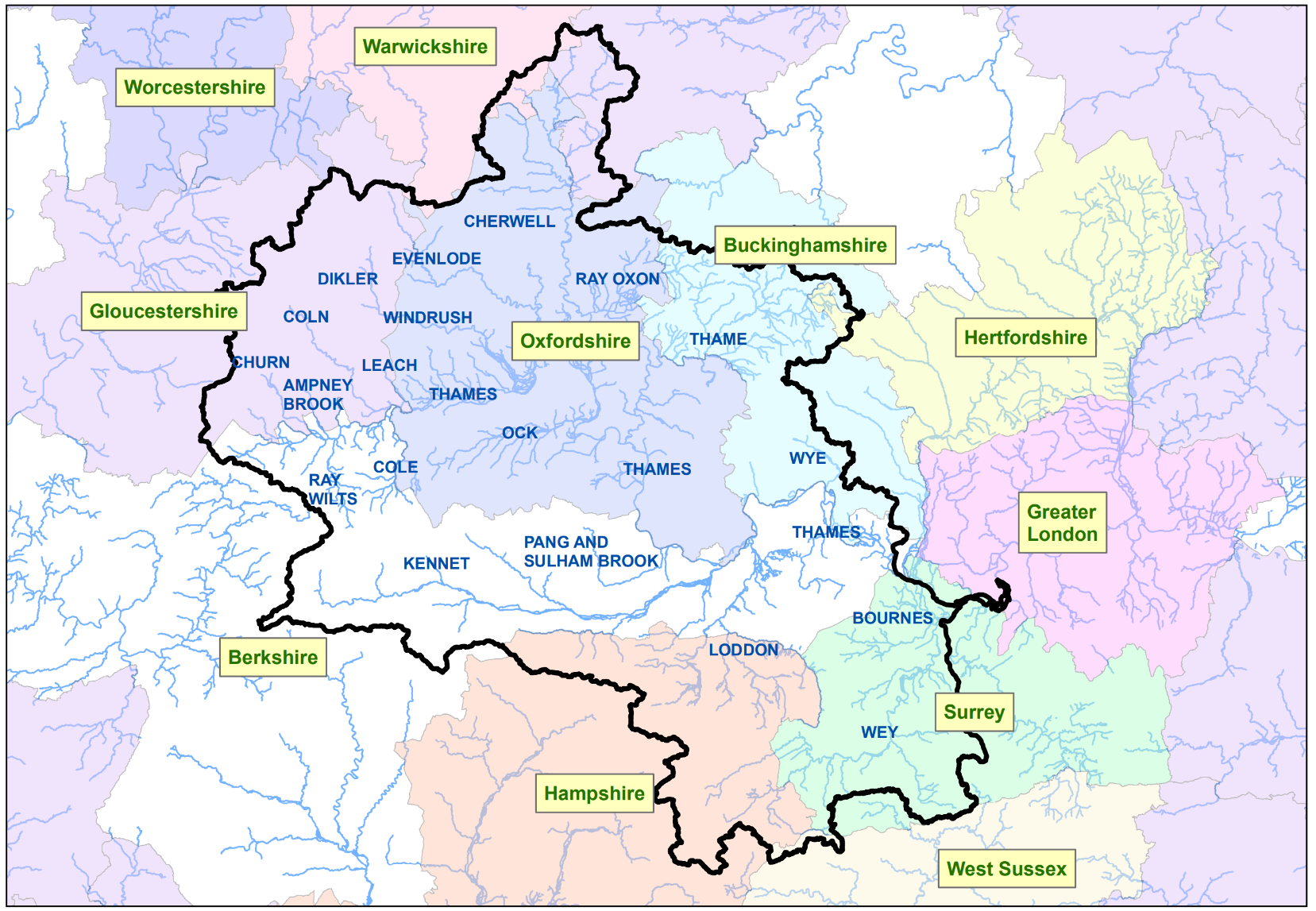
We are using this page to share information about the prolonged period of dry weather in Thames Area. You will find the latest news, information and frequently asked questions and answers about our work.
We have been in drought since 29 July 2026. It has been the driest three-month period (July to September) and the driest summer (April to September) since records began. River flow and groundwater levels are now considerably below where we would expect them to be for the time of year.
Despite some recent rainfall it has not been enough to reverse the ongoing decline in river and groundwater levels. We will require a return to sustained rainfall to see river flow and groundwater levels recover into the autumn and winter.
Check our latest news below for updates or look at our FAQs tool for more information. You can contact us with any enquiries or call our incident hotline to report environmental incidents. We will continue to keep this page updated with news and any opportunities for you to get involved
Please register with EHQ to get the best experience on the platform, and to enable interaction with any tools on this page.
We encourage you to subscribe to this project to make it easier for you to follow this and any other projects you are interested in. We may contact you if there are significant updates or important changes to information, however please note that you will not automatically be notified for standard updates or edits.
-
Blue green algae bloom on the River Thames
 Water sample
We are pleased that we can now remove our advice against bathing and avoiding contact with the water.
We have received two consecutive weeks of algae monitoring analysis, showing that all River Thames sample locations, from Hampton Ferry to the Ham and Kingston Bathing Water, have been assessed as ‘PASS’.
The river’s condition has improved significantly, and no floating algal scum has been observed either in the river or in the samples collected.
The advice against bathing notice, will be removed from the Designated Bathing Water and warning signs are being taken down from affected lock sites and slipways.
We have also updated the SwimInfo. website, where you can find out the latest updates on bathing water sites in your area.
-
Environmental impacts
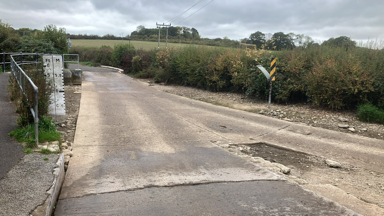 River Pang at Bucklebury Ford As river and groundwater levels continue to decline across the Thames area, many rivers are experiencing very low flows. As groundwater levels fall, the natural sources of some rivers move further downstream, causing sections of river further upstream to dry out.
One example of this is the River Pang at Bucklebury Ford, which is now dry. This has been observed during previous droughts and, given the severity of the current conditions, is not unexpected. Recovery will depend on sustained rainfall over the coming months to replenish groundwater levels and restore normal river flows.
Our fisheries teams have been working closely with affected communities, responding to incidents linked to algae crashes and low oxygen levels in rivers and ponds.
We will require sustained rainfall over the autumn and winter months for river flow and groundwater levels to recover.
If you see fish trapped or in distress Please report environmental incidents on GOV.UK or call 0800 80 70 60
-
Thames Water granted a temporary drought permit
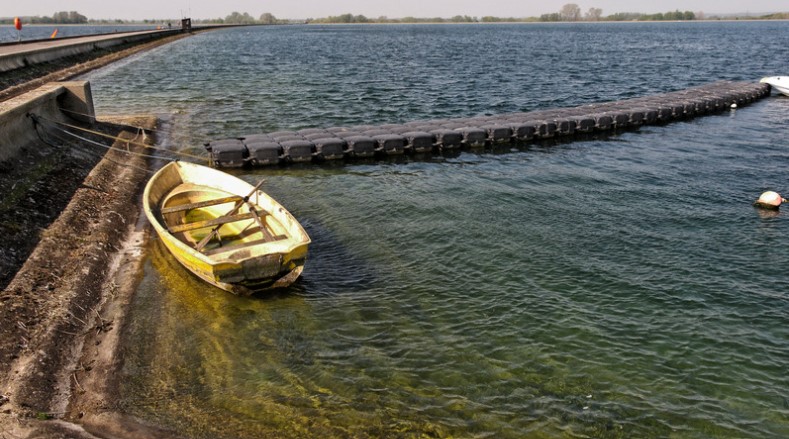 Farmoor Reservoir On 17 September Thames Water applied for a drought permit for its Farmoor abstraction which supports Farmoor Reservoir, in west Oxford. The permit will allow Thames Water to abstract additional water from the River Thames at Farmoor to help replenish reservoir levels. Alongside public consultation of the application, a thorough assessment has been carried out by technical teams to ensure that any impacts have been identified, assessed, and where required, mitigated. Following the consultation and assessment we granted the permit on 29 September.The permit will support drought resilience and help maintain essential water supplies for homes, businesses, and communities across Swindon and Oxfordshire.Protecting the environment remains a priority. As part of the permit conditions, Thames Water must ensure appropriate safeguards are in place to minimise any effects on the local ecosystem. Throughout the permit period, Thames Water will monitor river flows, water quality, and ecological conditions, particularly in the ecologically valuable watercourses that run through and around Oxford. This will ensure the environment is protected, while vital water supplies are secured.
You can find out more here Farmoor Reservoir drought permit FAQs.
-
Navigation on the River Thames
Ongoing drought conditions continue to affect river levels on the River Thames, with many reaches experiencing lower-than-normal water levels. River users are advised to proceed with caution and remain alert to reduced water depths, particularly near riverbanks, lock cuts, bends and other shallow areas.
Before travelling, you should check the latest navigation notices and plan your journey accordingly. River conditions may change rapidly, and additional restrictions may be required to protect navigation, the environment and essential public water supplies.
We have introduced temporary navigation restrictions across several of our lock sites, further information is published on our guidance page River Thames: restrictions and closures
-

Phone 0800 80 70 60 -

Phone 03708 506 506 Email enquiries@environment-agency.gov.uk
-
 West Berkshire Groundwater Scheme (WBGWS)
-
Farmoor Reservoir drought permit
- What does a drought permit allow a water company to do?
- What are the benefits of a drought permit?
- Will a drought permit put additional stress on ecosystems that are already struggling because of this prolonged period of dry weather?
- How are the impacts of a drought permit monitored?
- What is Thames Water doing to help find the additional water supplies they need?
- Why is the West Berkshire Ground Water Scheme (WBGWS) not providing enough water for abstraction?
- Will there be further restrictions on public/business water use as well?
- How long does a permit last?
- Will the drought permit impact my ability to use my boat on the River Thames?
