
Flooding Advice and Information
What to do before or during a flood
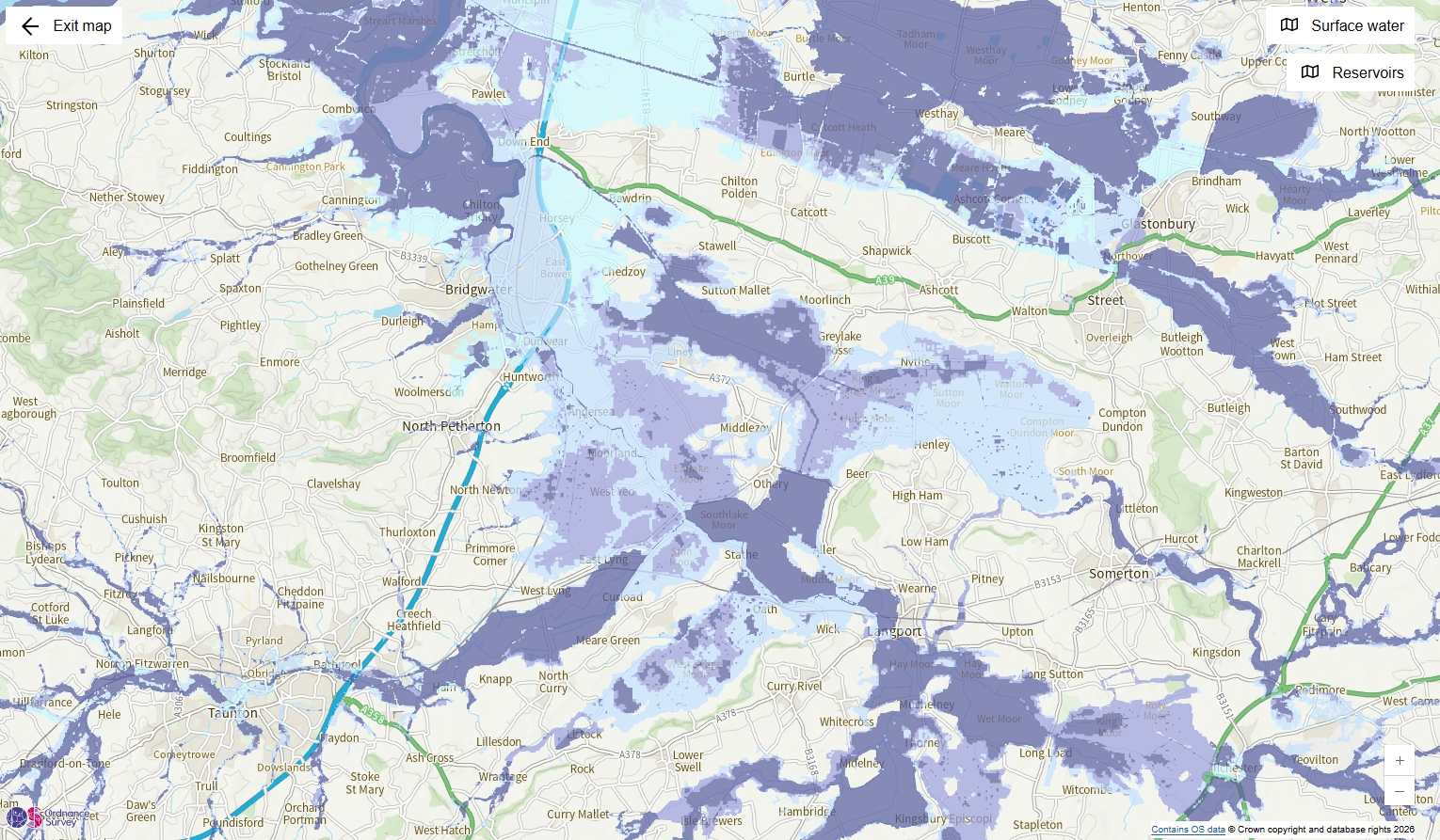 Find out if you are at risk of flooding on this website: Check the long term flood risk for an area in England - GOV.UK. You can enter your postcode to look at flood risk from rivers and sea, and you can also see the risk from surface water on a separate map.
You may be able to receive free flood warnings for your area - sign up via this link: Get flood warnings by text, phone or email - GOV.UK or by calling Floodline on 0345 988 1188 (Textphone 0345 602 6340). You do not have to live in the warning area to receive flood warnings.
The flood warning service covers flooding from main rivers and sea, but you may be in an area that does not have a warning. For areas at risk of flash flooding or surface water flooding, sign up to Met Office severe weather alerts: Subscribe to email alerts, warnings and newsletters - Met Office
Prepare for flooding by making a personal flood plan: Personal flood plan - GOV.UK
If you are at high risk of flooding, you may want to consider adaptations to your property. Find out more on Flood Mary's website: Home - Flood Mary
During a flood, do not walk or drive through flood water. Flood water may be deeper than it looks and contain sewage and hidden hazards. Guidance about what to do in a flood can be found here: What to do before or during a flood - GOV.UK.
Check the latest river and rainfall levels here: Find river, sea and rainfall levels - GOV.UK, or see historic records on this link: Hydrology Data Explorer. You can view our webcams and community gauges at this link: Wessex Webcams.
Flood Recovery
Flooding is a very stressful experience, but there is a support available. Read the information on this website to make sure you stay healthy and safe while cleaning up: What to do after a flood - GOV.UK.
If you have insurance, follow your provider's advice. If you aren't covered by insurance, you can get advice from the National Flood Forum: Home | National Flood Forum
You may be able to salvage items, but you will need to document damage, and anything that has been in contact with the water will be contaminated and need to be cleaned. Flood Mary has a comprehensive guide for flood recovery on her website: Flood Recovery Guide - Flood Mary
In Somerset, you may be able to get support from Thrive's Village Agents after a flood: Individuals and Families - Thrive
Report Flooding
If there is a risk to life, call 999.
Flood reports are crucial for the coordination of response and recovery efforts. Don't assume that someone else has reported the flood or that the authorities are aware of what has occurred.
Flood reports can also unlock financial support, and they provide evidence of significant or recurring problems. Long-term planning and infrastructure improvements rely heavily on accurate flood reporting, allowing risk management authorities to monitor trends, identify critical areas, and improve overall flood resilience for communities. Every report really does make a difference.
If flooding is occurring right now, report property flooding as soon as you can:
- For Main Rivers: call the Environment Agency Incident Hotline 0800 80 70 60. You can also report a blockage in a main river online: Report a blockage in a river in England - GOV.UK
- For roads, smaller watercourses or surface water: call Somerset Council on 0300 123 2224. If it is out of hours, you can hold to be connected to the duty team. You can also report problems on their webpage: Flooding on the roads
- For sewer flooding or burst mains: call Wessex Water's Sewage Floodline on 0345 850 5 959 (24 hours), or report via their website: Sewer flooding | Wessex Water
After the flood, for non-emergency reporting, submit a full report on the Flood Online Reporting Tool via this link: FORT. This information is shared between the relevant Risk Management Authorities, and helps build a picture of impacts from the flood.
Somerset Council is the Lead Local Flood Authority for Somerset, and one of their duties is to investigate significant flood events. This is decided case-by-case, considering the likely source of the flood and the number of properties affected. Properties need to be officially reported as flooded in order to trigger an investigation. You can find out more on the Somerset Council website: Flood investigations