13 October 2026: Drought Update
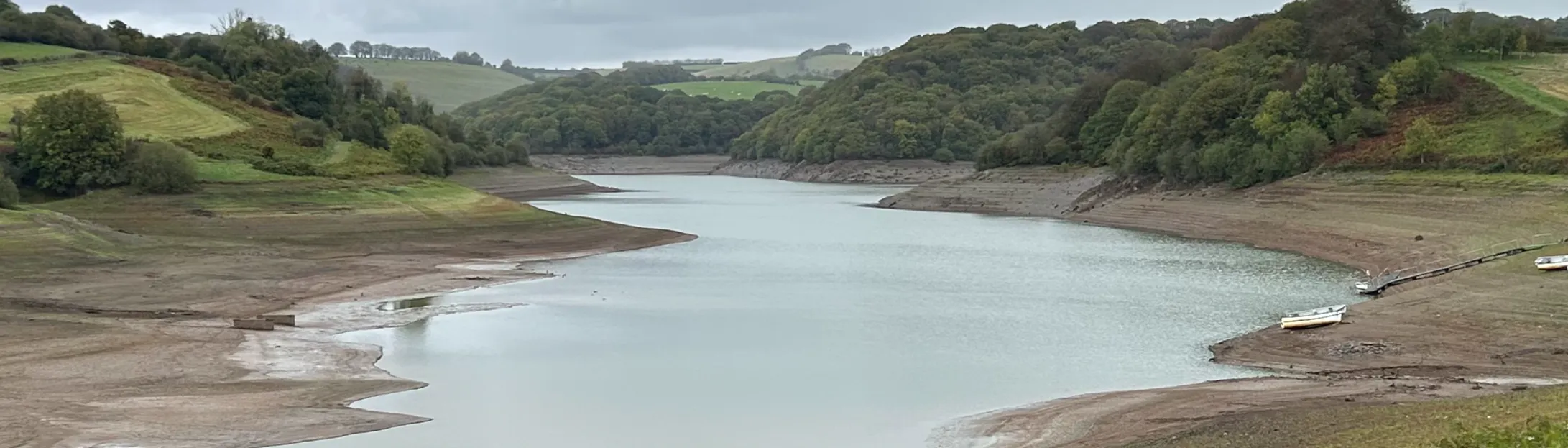
England’s drought situation has continued to worsen after September became the sixth month of 2026 with below-average rainfall. Reservoir storage across England is significantly lower than would normally be expected for this time of year, with national storage levels less than half full in many locations. Some of the most concerning examples are Ardingly Reservoir in West Sussex and Wimbleball Reservoir in the south west.
Yorkshire moved into drought status on 9 October due to persistent low river flows, groundwater levels and reservoir storage in the area, despite recent rainfall. The region now joins much of central, southern and eastern England in drought status – a total of around 50 million people and 80% of England.
In response, the Environment Agency and government are maintaining close oversight of water companies to ensure they follow their drought plans and take action to safeguard supplies. Measures include enhanced monitoring, scrutiny of water company performance, processing drought permit applications and consideration of further demand-management measures, including non-essential use restrictions where required.
Environment Agency officials stressed that recent rainfall is insufficient to reverse the impacts of a very dry spring and summer. Yorkshire experienced its fifth driest April-to-September period on record, and the agency warned that recovery will take time even if wetter weather arrives. The declaration highlights growing concerns about climate resilience, with droughts now occurring more frequently; 2026 marks the third drought in the last five years. The National Drought Group continues to meet weekly, while both the government and Environment Agency are encouraging businesses and the public to reduce demand and use water efficiently to support recovery.
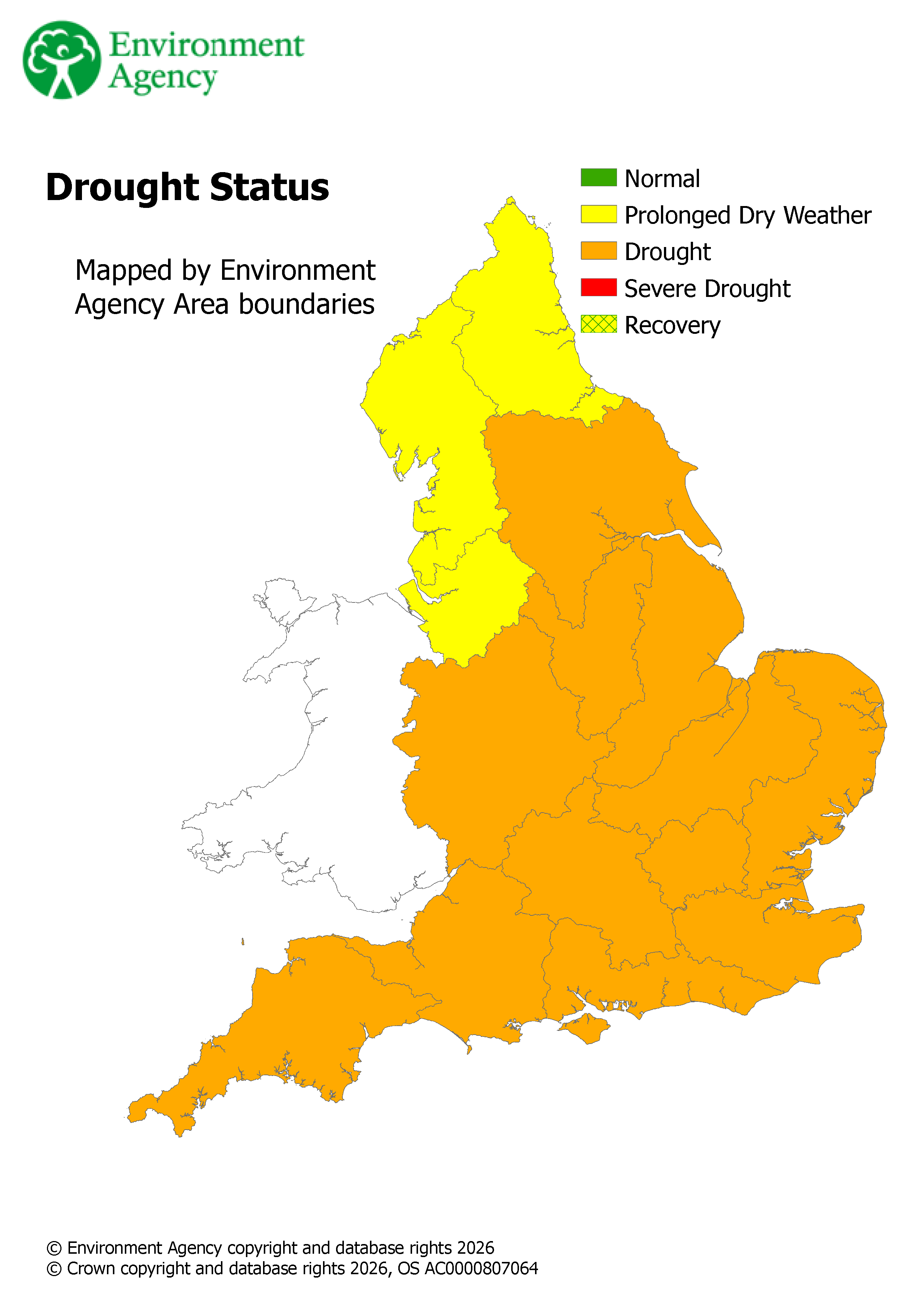 Drought Status 13 October 26

Thank you for your contribution!
Help us reach out to more people in the community
Share this with family and friends