Davidstow Creamery
Davidstow Creamery
- Ammoniacal nitrogen
- Suspended solids
- Phosphorus
- Temperature
- Nitrogen
- The chemical oxygen demand
- Particulate monitoring of air emissions
- A baseline report detailing the pollution status of the soil and groundwater at the site.
- A survey of how hazardous substances are contained and a review of these against relevant standards.
What is this site?
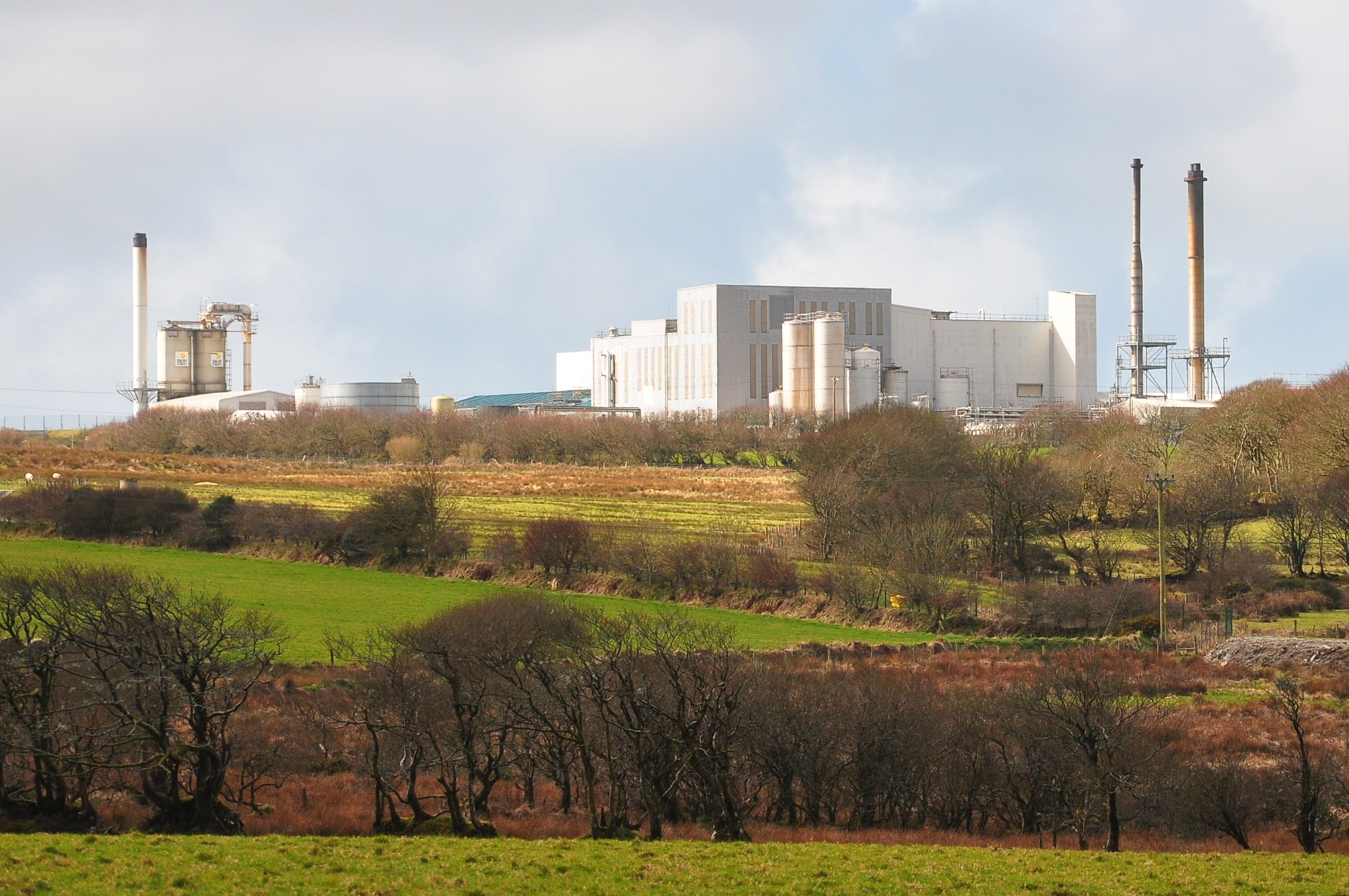
Davidstow Creamery produces Cathedral City Cheese and other dairy products. It is the largest cheese manufacturer in UK, producing over 100 tonnes of cheese a day.
It has been in operation for around 70 years in its current location and discharges treated waste water to the River Inny.
Why has the environmental permit been varied?
Davidstow Creamery is operated by Dairy Crest Limited. The Operator applied to vary their permit for the site to authorise an increased cheese production capacity - from 9.6 to 11.4 tonnes per hour. In addition, several operational updates and improvements were included in the application. Most relate to the nearby effluent treatment plant (WPF – water processing facility).
In addition to the permit variation the Operator has applied for, we undertook an Environment Agency Initiated permit Variation (AIV) to implement the latest legal requirements and to review the limits and parameters associated with the current discharge of treated waste water. We have ensured the new limits sufficiently protect the River Inny. The permit variations were separate and not reliant on each other but we considered them together, so far as was practical, so that we only needed to vary the permit once in respect of all.
What is our role?
We assess all permit applications to make sure they meet the requirements of the Environmental Permitting Regulations. Dairy Crest Limited could not increase cheese production at the site without us varying their environmental permit. The new permit ensures that they use best available techniques, preventing pollution and minimising impacts on the environment and people.
What did Dairy Crest Limited need to do to be granted a permit variation?
Dairy Crest Limited needed to demonstrate they will put in place appropriate measures to protect people and the environment. The variation application was accompanied by documents which detailed how the applicant intended to do this. The plans described the measures to be taken to control the risks identified. The Operator needed to show that what they proposed uses the Best Available Technique for preventing or minimising emissions and impacts on the environment. We expect the Company to continuously review and improve their plans.
What did we consider as we determined the permit?
There is more detail about this in our draft decision document, but for your convenience we have summarised the key things we have changed in the new permit.
Water and treated wastewater quality
The varied permit aims to contribute to improving the classification of the River Inny to 'good' status overall.
We reviewed the emission limits of the treated wastewater to ensure we adequately protected the River Inny and, ultimately, the plants and wildlife it supports.
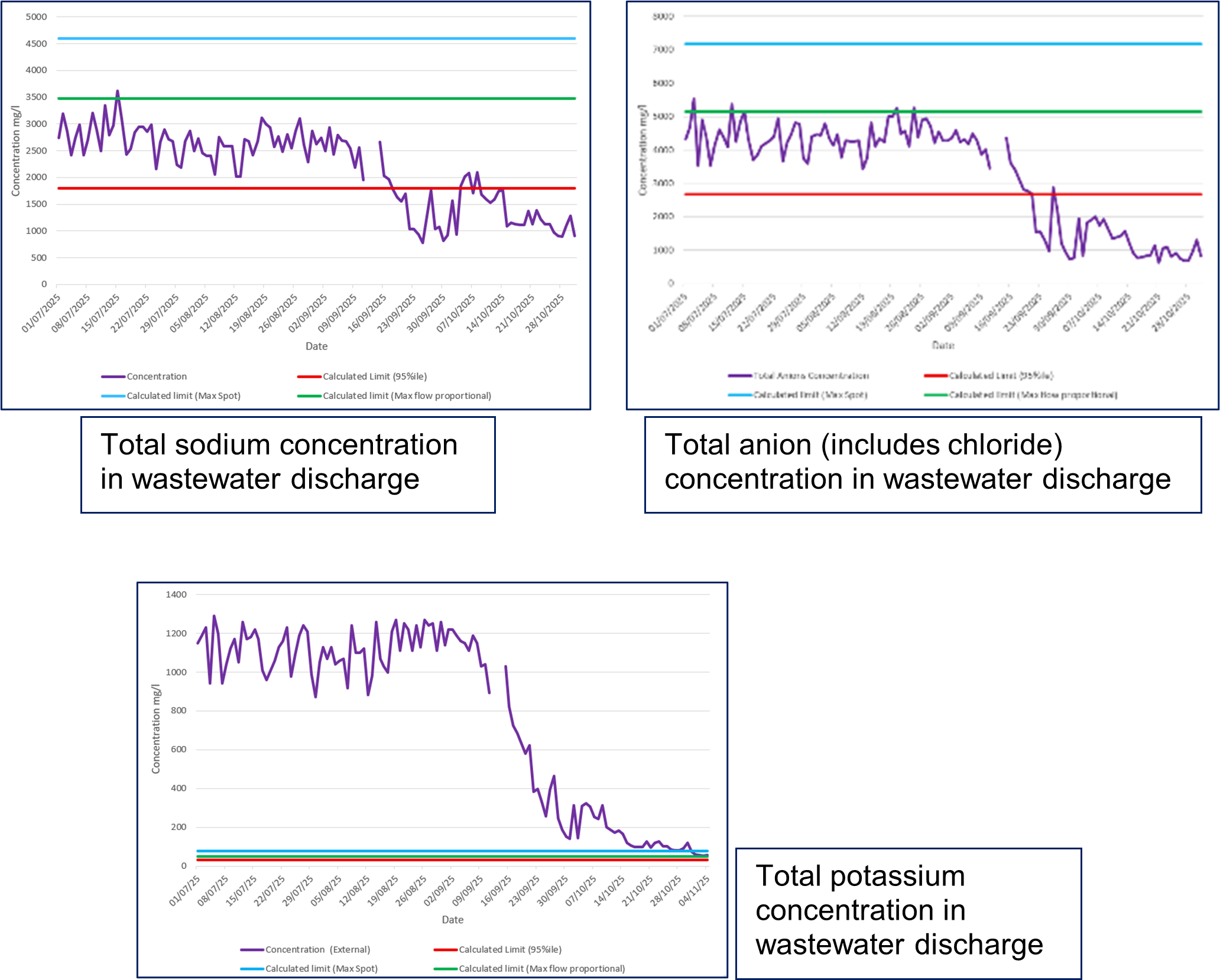
Since Dairy Crest Limited (DCL) varied their permit in 2014 to begin producing demineralised whey, we have identified elevated levels of potassium, chloride and sodium in the treated wastewater which discharges to the River Inny. These were produced primarily by the demineralisation process.
In September 2025 DCL stopped the demineralisation process. In November 2025 they provided us with monitoring data which showed significant improvements in treated wastewater quality. You can view these results in the graphs below.
We updated the monitoring requirements, and set emission limits for:
Due to the improvement in wastewater quality, permit limits for potassium, chloride, sodium and total anions are deemed not to be necessary in accordance with our permitting guidance.
We have added a pre-operational condition to the permit. The operator must meet this requirement before any increase in production. Specifically, they must demonstrate that the effluent treatment plant will continue to operate effectively as they increase production. They must review the early warning systems for the effluent treatment plant, including their equipment, monitoring and procedures. The aim is to spot problems early and prevent permit breaches.
The operator must submit a report to us for approval. Where they find gaps, they must set out clear improvement plans and timelines.
We will only allow production to increase once we are satisfied that these conditions are met. This would allow production to rise from 9.6 tonnes to 11.4 tonnes per hour.
Odour
We agreed with the applicant’s odour assessment, including modelling, and also conducted our own assessment. We are satisfied that the measures outlined in the Odour Management Plan should effectively manage odour emissions.
Noise
We did not agree with the applicant’s noise assessment. Our own assessment concluded that there was a risk of noise impacts for local communities.
The applicant submitted their Noise Management Plan (NMP) on 24 December 2025.
Considering the recent improvement works and the submission of an NMP we are now satisfied that the applicant is preventing or minimising noise impacts. This conclusion is supported by the fact that we have not received any noise complaints since mid-August 2025.
Use of Best Available Techniques
We carried out a full assessment of the Best Available Techniques (BAT) in use at the site, against the Food, Drink and Milk (FDM) BAT reference document. We are satisfied that the applicant is compliant with all the relevant FDM BAT conclusions published in 2020.
Improvement Programme:
We have included an improvement programme as a permit condition covering the following issues:
Site Compliance and Regulatory Response
DCL has successfully stabilised the wastewater treatment processes, resulting in consistent and controlled plant operations.
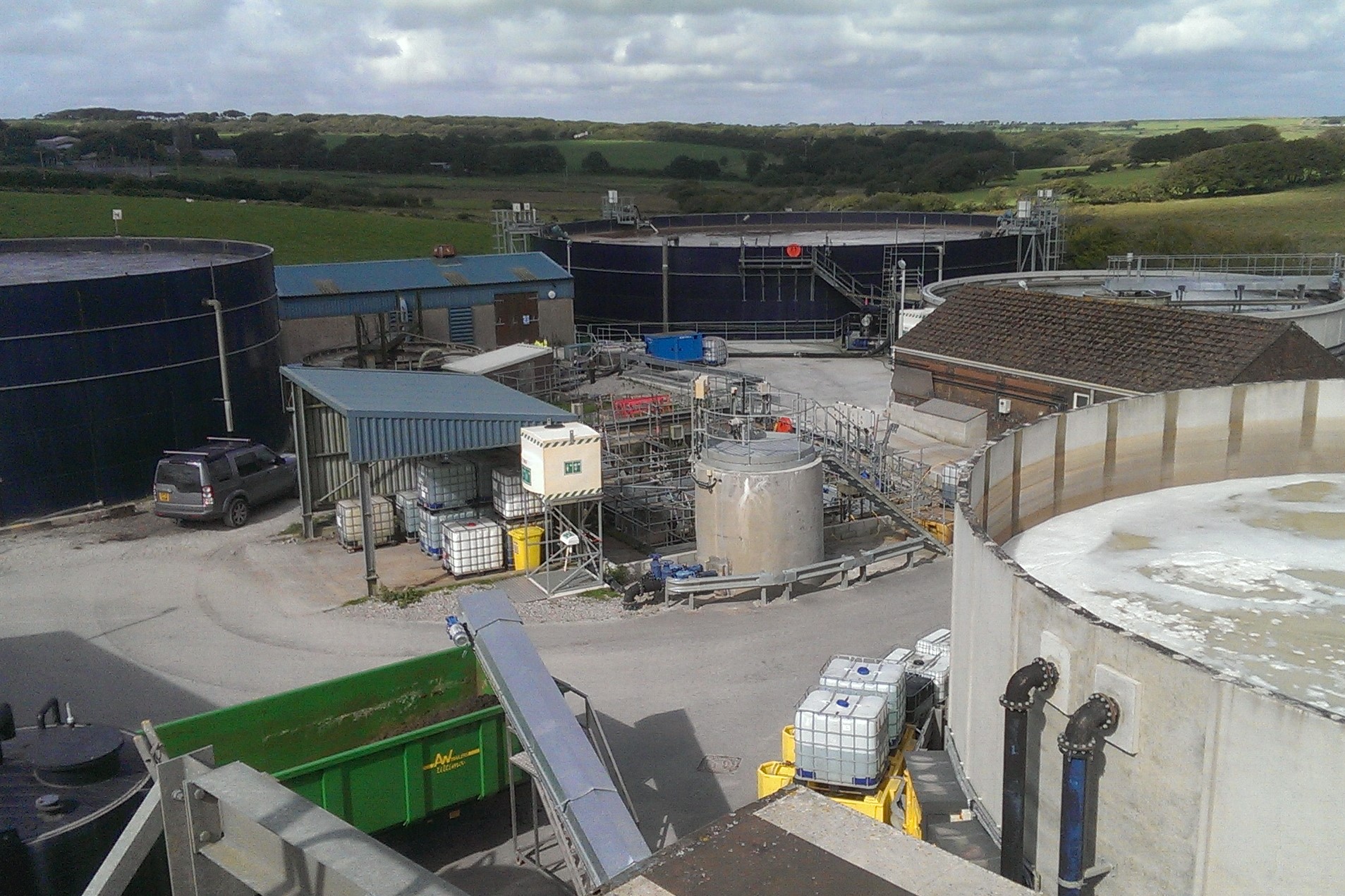
It improved aeration of the wastewater treatment tanks, covered them and installed odour treatment systems. Since these changes have been in place, we have received fewer incident reports of odour from the public.
Whilst noise pollution complaints continued until more recently, Dairy Crest Limited has completed a series of improvements to reduce noise levels. It's noise management plan also requires it to actively explore additional opportunities for improvement.
Taking this into account, we have considered the improvements made so far and have granted the variation to the permit. We issued the new permit to Dairy Crest Ltd on 5 June 2026.
How do we assess an environmental permit application?
When we consider a permit variation we review the proposal and whether it will have an adverse impact on people and the natural environment. If we decide to vary a permit we may set any necessary additional conditions to ensure people and the environment are protected. In order to achieve the objectives of those conditions, the operator will need to show that they will use the current Best Available Techniques (BAT) which are set out in the BAT Reference Document.