Barton to New Holland Tidal Flood Alleviation Scheme

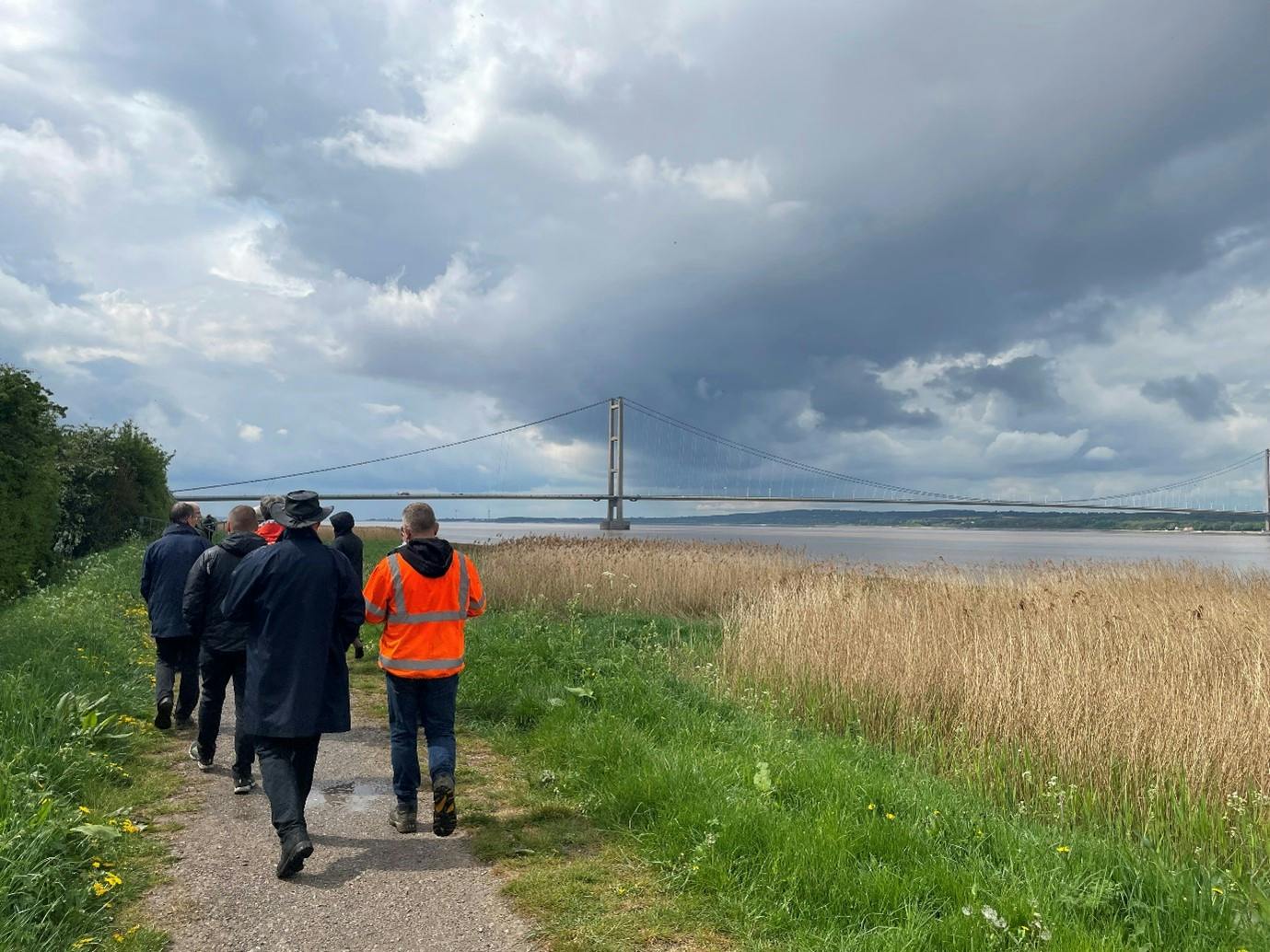
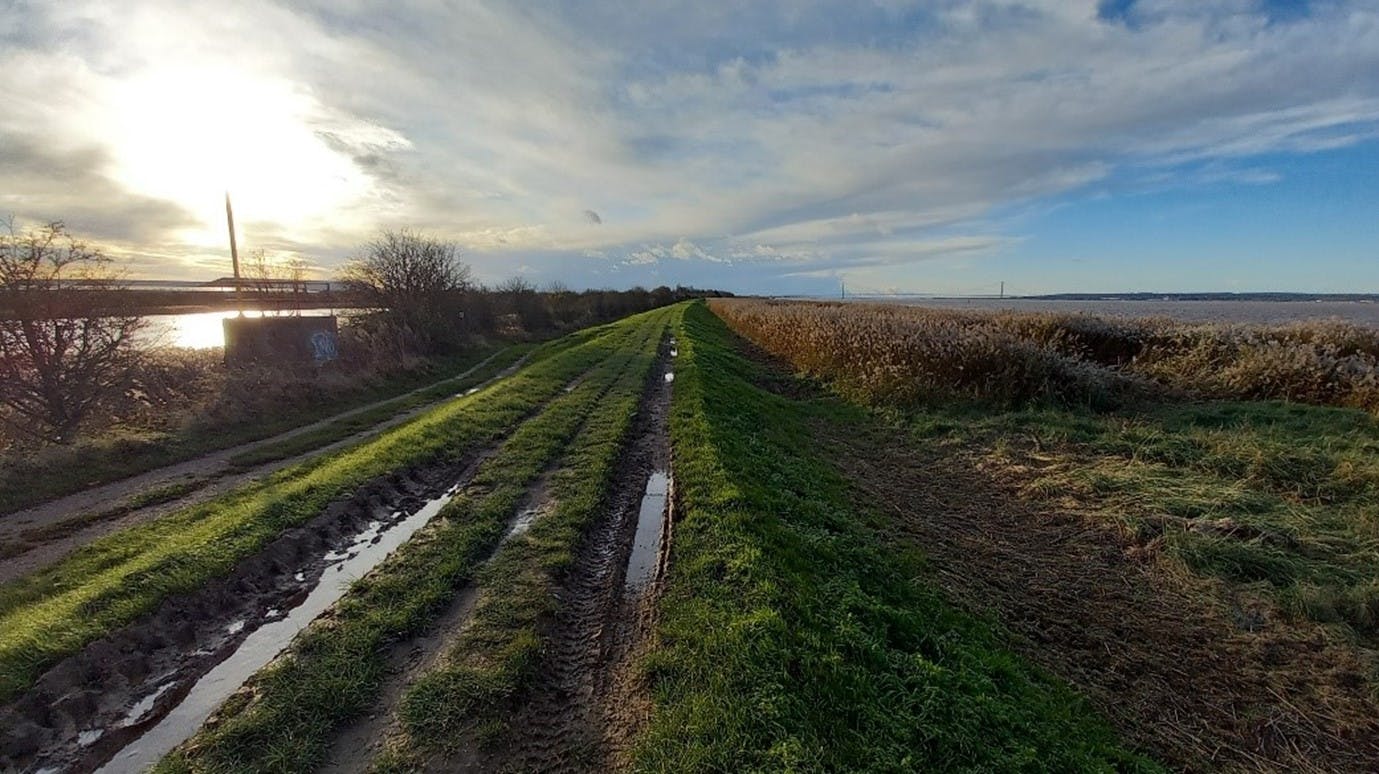
Photograph of scenic landscape featuring a gravel path beside a calm body of water, bordered by lush green grass on one side

Flooding is a long-standing problem for the communities of Barton, Barrow, and New Holland. Previous tidal flood incidents have impacted lives, businesses, and homes. Highlighting the need for improved tidal flood defenses and for communities in the area to be better prepared. We are working with project partners to develop a sustainable approach to reduce the impacts of tidal flooding, which is adaptable and resilient to the impacts of climate change.

On this page you will find the latest project news and progress updates, details of the project objectives and how you can get involved.


Make sure to register to Engagement HQ to access the tools on this page, and subscribe to be added to the email list for this project.


The Barton to New Holland Tidal Flood Alleviation Scheme

Climate change is increasing the frequency and size of flood surges, a dangerous rise in water level, and therefore, we need to adapt and improve existing defences as well as build new defences to help increase resilience and reduce the impact of major tidal flood incidents. The Environment Agency is currently developing a new long-term strategy for managing flood risk around the Humber Estuary. The strategy provides an outline programme of the work needed to maintain the estuary’s flood defences for the next 100 years. One of the projects within this wider strategy is the Barton to New Holland Flood Alleviation Scheme.

The Scheme aims to develop an approach to alleviate tidal flooding, which has communities and sustainability at its core. The communities of Barton to New Holland have been identified as one of 27 areas where defences need to be improved. Tidal flood incidents such as on the 5th of December 2013, also highlight the need for improved tidal flood defences and increased community resilience within these areas. As a member of these communities or with interest in the area, we want to hear your experiences and insights to build our understanding of what's important to you.

We want to hear from you

We recognise the importance of involving local communities and stakeholders throughout this journey. Your experiences and insights are vital to shaping the scheme and ensuring it reflects what matters most to you. Explore our timeline on the right-hand side to see our progress and the steps ahead. You can also share your thoughts on the project and by commenting on our newsfeed or asking questions below.

  • News | Check our newsfeed below to get updates on the latest ecology work, project meetings, and site visits and provide your own comments.
  • Map | Let us know what you love about the area, any exciting ecology finds or let us know about an issue.
  • Questions or Enquiries | If you have any questions about the scheme, use the form below, or contact us using the enquiries email provided.
  • Events | Check back for updates on the next community events, coming Summer 2026.

Flooding is a long-standing problem for the communities of Barton, Barrow, and New Holland. Previous tidal flood incidents have impacted lives, businesses, and homes. Highlighting the need for improved tidal flood defenses and for communities in the area to be better prepared. We are working with project partners to develop a sustainable approach to reduce the impacts of tidal flooding, which is adaptable and resilient to the impacts of climate change.

On this page you will find the latest project news and progress updates, details of the project objectives and how you can get involved.


Make sure to register to Engagement HQ to access the tools on this page, and subscribe to be added to the email list for this project.


The Barton to New Holland Tidal Flood Alleviation Scheme

Climate change is increasing the frequency and size of flood surges, a dangerous rise in water level, and therefore, we need to adapt and improve existing defences as well as build new defences to help increase resilience and reduce the impact of major tidal flood incidents. The Environment Agency is currently developing a new long-term strategy for managing flood risk around the Humber Estuary. The strategy provides an outline programme of the work needed to maintain the estuary’s flood defences for the next 100 years. One of the projects within this wider strategy is the Barton to New Holland Flood Alleviation Scheme.

The Scheme aims to develop an approach to alleviate tidal flooding, which has communities and sustainability at its core. The communities of Barton to New Holland have been identified as one of 27 areas where defences need to be improved. Tidal flood incidents such as on the 5th of December 2013, also highlight the need for improved tidal flood defences and increased community resilience within these areas. As a member of these communities or with interest in the area, we want to hear your experiences and insights to build our understanding of what's important to you.

We want to hear from you

We recognise the importance of involving local communities and stakeholders throughout this journey. Your experiences and insights are vital to shaping the scheme and ensuring it reflects what matters most to you. Explore our timeline on the right-hand side to see our progress and the steps ahead. You can also share your thoughts on the project and by commenting on our newsfeed or asking questions below.

  • News | Check our newsfeed below to get updates on the latest ecology work, project meetings, and site visits and provide your own comments.
  • Map | Let us know what you love about the area, any exciting ecology finds or let us know about an issue.
  • Questions or Enquiries | If you have any questions about the scheme, use the form below, or contact us using the enquiries email provided.
  • Events | Check back for updates on the next community events, coming Summer 2026.
  • Successful FloodMobile event held at Barrow Haven
    supporting image

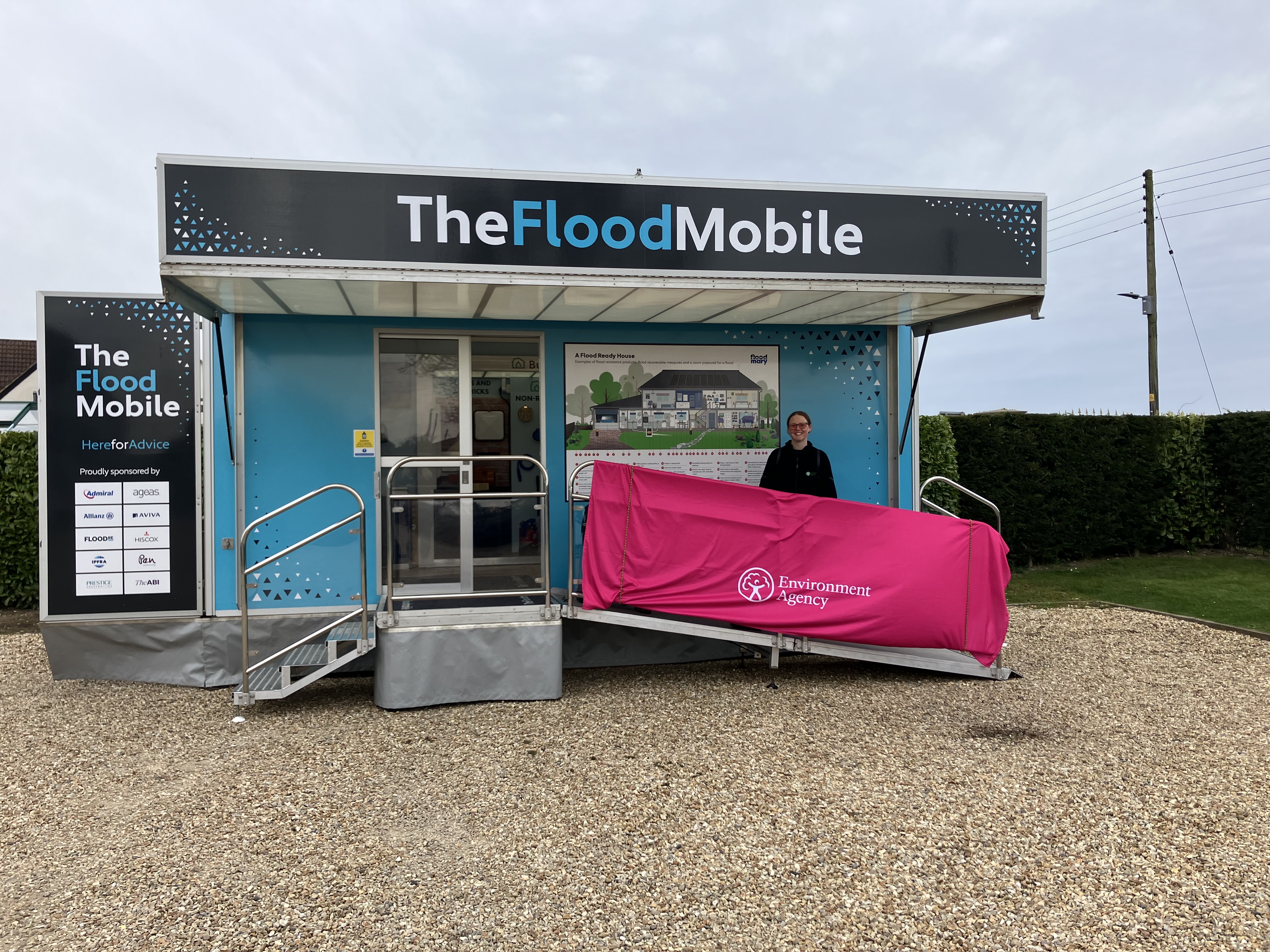
    As advertised previously, the team held an event at Barrow Haven on March 23rd for the local community to visit and interact with the FloodMobile. This allowed them to learn more about the flood resilience products available as part of the Property Flood Resilience (PFR) measures, provided by a substantial contribution from North Lincolnshire Council.

    We had a good attendance from the local community, who came down keen to learn more and understand what the scheme has to offer them and how they can prepare their properties for better flood resilience. We enjoyed meeting with locals and look forward to seeing these PFR measures progressively installed, hopefully throughout 2026/27.

    For those unaware - as part of the planned flood alleviation scheme, properties in Barrow Haven and other certain isolated properties are eligible for such property flood resilience measures. These measures will be funded and delivered by the Environment Agency in partnership with North Lincolnshire Council, to protect against flooding.

    If you were unable to attend, more information about the FloodMobile is available at: https://floodmary.com/the-floodmobile/


    As advertised previously, the team held an event at Barrow Haven on March 23rd for the local community to visit and interact with the FloodMobile. This allowed them to learn more about the flood resilience products available as part of the Property Flood Resilience (PFR) measures, provided by a substantial contribution from North Lincolnshire Council.

    We had a good attendance from the local community, who came down keen to learn more and understand what the scheme has to offer them and how they can prepare their properties for better flood resilience. We enjoyed meeting with locals and look forward to seeing these PFR measures progressively installed, hopefully throughout 2026/27.

    For those unaware - as part of the planned flood alleviation scheme, properties in Barrow Haven and other certain isolated properties are eligible for such property flood resilience measures. These measures will be funded and delivered by the Environment Agency in partnership with North Lincolnshire Council, to protect against flooding.

    If you were unable to attend, more information about the FloodMobile is available at: https://floodmary.com/the-floodmobile/


  • Shine Lincolnshire Flood Resilience and Mental Wellbeing Roadshow
    supporting image

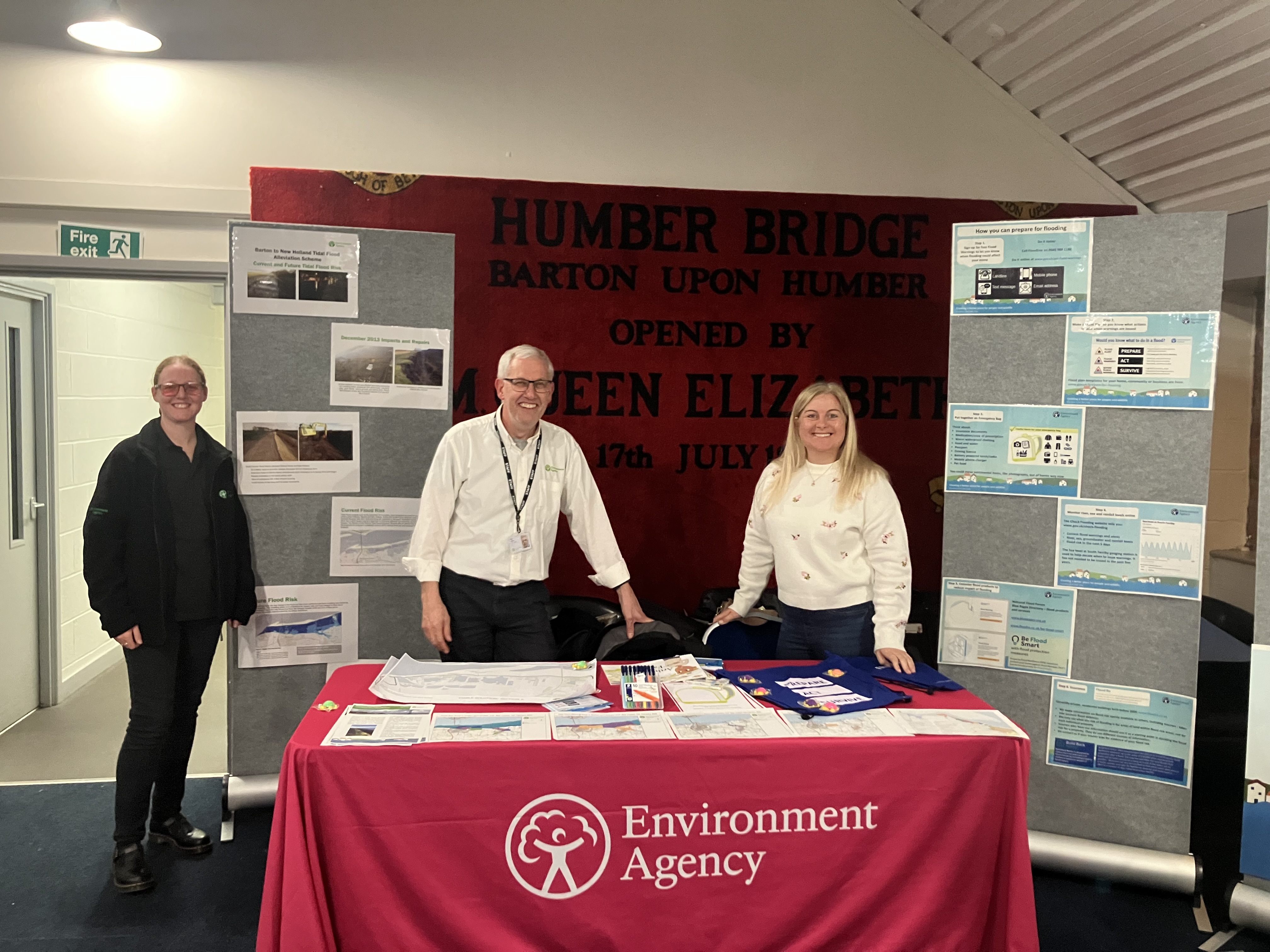
    The project team attended the SHINE Lincolnshire Flood Resilience and Mental Wellbeing roadshow event at Ropewalk, Barton on 12th March. Alongside colleagues from the Humber Strategy team and the local Flood Resilience team, the project team were happy to be able to update community members on project progress and give them the opportunity to learn more about the proposals, next steps and to ask any questions.

    The Shine Lincolnshire Flood Resilience and Mental Wellbeing roadshows are being held around Greater Lincolnshire and aim to help locals prepare for, respond to & recover from flooding—practically & emotionally. Given how interlinked the project is with this topic, it was essential for the team to attend and let the community know what is being done to reduce their flood risk now and in the future.

    The project team attended the SHINE Lincolnshire Flood Resilience and Mental Wellbeing roadshow event at Ropewalk, Barton on 12th March. Alongside colleagues from the Humber Strategy team and the local Flood Resilience team, the project team were happy to be able to update community members on project progress and give them the opportunity to learn more about the proposals, next steps and to ask any questions.

    The Shine Lincolnshire Flood Resilience and Mental Wellbeing roadshows are being held around Greater Lincolnshire and aim to help locals prepare for, respond to & recover from flooding—practically & emotionally. Given how interlinked the project is with this topic, it was essential for the team to attend and let the community know what is being done to reduce their flood risk now and in the future.

  • Project team site visit to investigate further resilience options
    supporting image

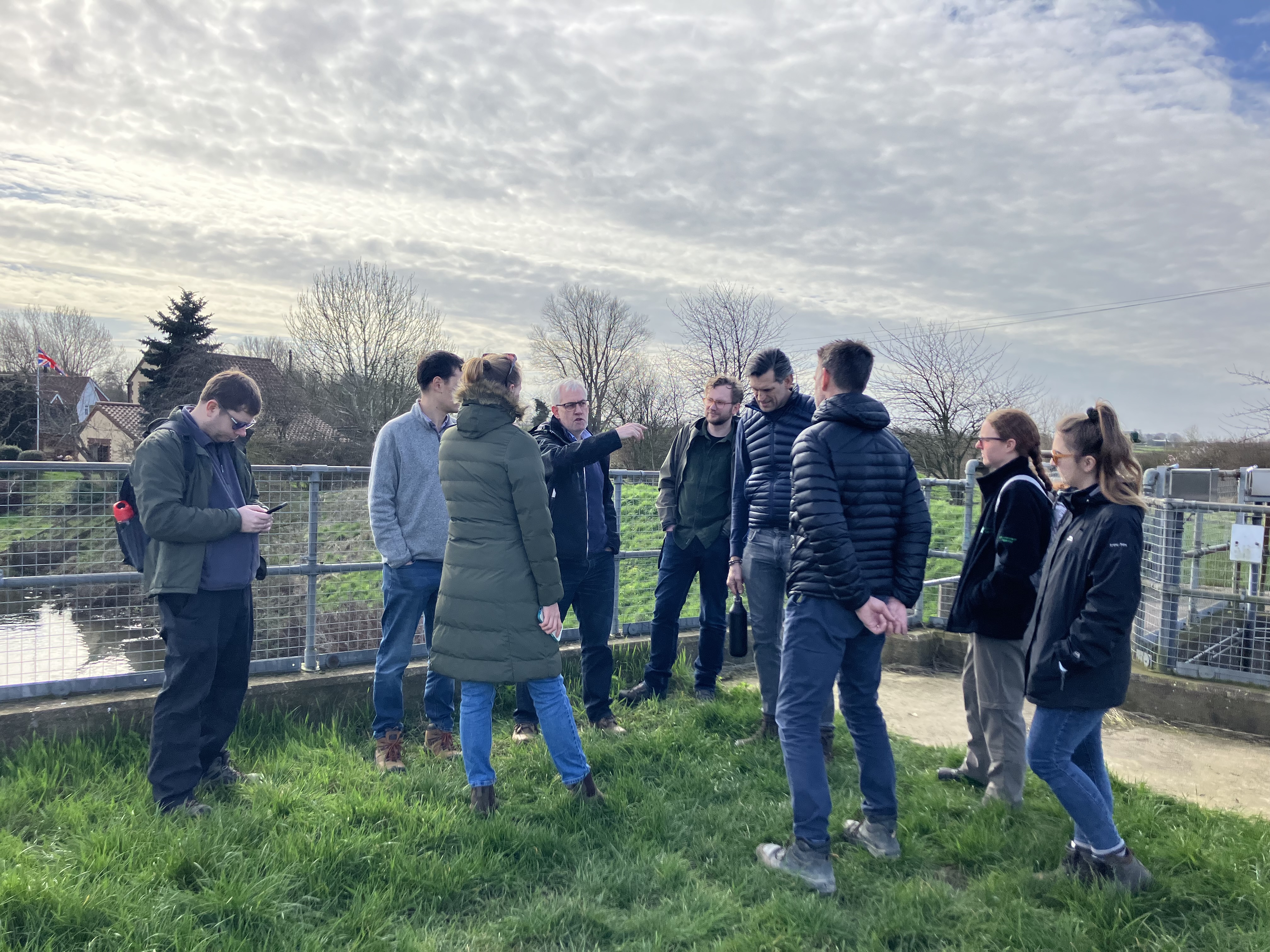
    On 3rd of March 2026, the wider Barton to New Holland project team undertook a site visit across the project area to investigate opportunities to enhance the flood resilience provided by the project.

    The site visit identified it might be possible to incorporate additional structures at New Holland Drain at Lincoln Castle Way, to better protect the residents and village should flood water overwhelm the existing Humber defences. Also to build an extra line of defence at Foster’s Wharf to better protect the ecologically sensitive sites near the sailing club.

    Much of the focus of the day was to understand the challenges and possibilities to incorporate extra flood residence into the existing embankments at Barrow Haven, by incorporating additional repair works within the project. The high-level options to relocate the tidal outfall downstream were also re-examined. These were consolidated during a workshop later in the day at Water’s Edge.

    By working collaboratively together, the local Environment Agency staff, project management team, consultants and contractors can consider the significant challenges and costs involved with all of the options. These will be explored further in the coming weeks, before any conclusions are determined.

    On 3rd of March 2026, the wider Barton to New Holland project team undertook a site visit across the project area to investigate opportunities to enhance the flood resilience provided by the project.

    The site visit identified it might be possible to incorporate additional structures at New Holland Drain at Lincoln Castle Way, to better protect the residents and village should flood water overwhelm the existing Humber defences. Also to build an extra line of defence at Foster’s Wharf to better protect the ecologically sensitive sites near the sailing club.

    Much of the focus of the day was to understand the challenges and possibilities to incorporate extra flood residence into the existing embankments at Barrow Haven, by incorporating additional repair works within the project. The high-level options to relocate the tidal outfall downstream were also re-examined. These were consolidated during a workshop later in the day at Water’s Edge.

    By working collaboratively together, the local Environment Agency staff, project management team, consultants and contractors can consider the significant challenges and costs involved with all of the options. These will be explored further in the coming weeks, before any conclusions are determined.

  • Upcoming event March 23rd 2026 - FloodPod
    supporting image

    We invite you to visit the FloodPod between 14:00 and 18:00 on March 23rd to learn more about the flood resilience products available as part of the PFR scheme offered by the Environment Agency.

    The FloodPod is an interactive space where you can see real flood protection measures in action, where flooding advisor Mary Long-Dhonau OBE (Flood Mary) will be on hand to answer questions and give advice.

    As part of the planned flood alleviation scheme in Barrow Haven, certain properties are eligible for property flood resilience (PFR) measure. These measures will be funded and delivered by the Environment Agency in partnership with North Lincolnshire Council, to protect against flooding.

    What’s Inside the FloodPod?

    • See flood resilience products
    • Learn how these can better protect your home from future flooding
    • Get expert advice tailored to your property
    • Ask questions and get support from Flood Mary, RAB, Whitehouse and the Environment Agency


    For more information about the FloodPod, please visit https://floodmary.com/the-floodmobile/

    We invite you to visit the FloodPod between 14:00 and 18:00 on March 23rd to learn more about the flood resilience products available as part of the PFR scheme offered by the Environment Agency.

    The FloodPod is an interactive space where you can see real flood protection measures in action, where flooding advisor Mary Long-Dhonau OBE (Flood Mary) will be on hand to answer questions and give advice.

    As part of the planned flood alleviation scheme in Barrow Haven, certain properties are eligible for property flood resilience (PFR) measure. These measures will be funded and delivered by the Environment Agency in partnership with North Lincolnshire Council, to protect against flooding.

    What’s Inside the FloodPod?

    • See flood resilience products
    • Learn how these can better protect your home from future flooding
    • Get expert advice tailored to your property
    • Ask questions and get support from Flood Mary, RAB, Whitehouse and the Environment Agency


    For more information about the FloodPod, please visit https://floodmary.com/the-floodmobile/

  • Recent Press on the Project

    Check out the most recent news articles below on the project, which highlight the importance of this scheme and its history, along with new funding commitments and the phased construction timeframes looking forward.

    BBC | Flood defences to be strengthened on south bank of Humber

    NorthLincs | Council unlocks £38m flood defence scheme to protect homes along the Humber - North Lincolnshire Council

    Check out the most recent news articles below on the project, which highlight the importance of this scheme and its history, along with new funding commitments and the phased construction timeframes looking forward.

    BBC | Flood defences to be strengthened on south bank of Humber

    NorthLincs | Council unlocks £38m flood defence scheme to protect homes along the Humber - North Lincolnshire Council

  • Environmental Updates

    supporting image

    Ecology surveys | We have been busy undertaking further ecological surveys over the last few months.

    Badger surveys, together with bat roost and tree assessments were completed in January. Badger surveys were focused on the European Badger Meles meles and the bat roost surveys cover all native species in the UK (there are 18!).

    We still have some further surveys to complete over the year, including further bat surveys, riparian mammal habitats and invertebrates.

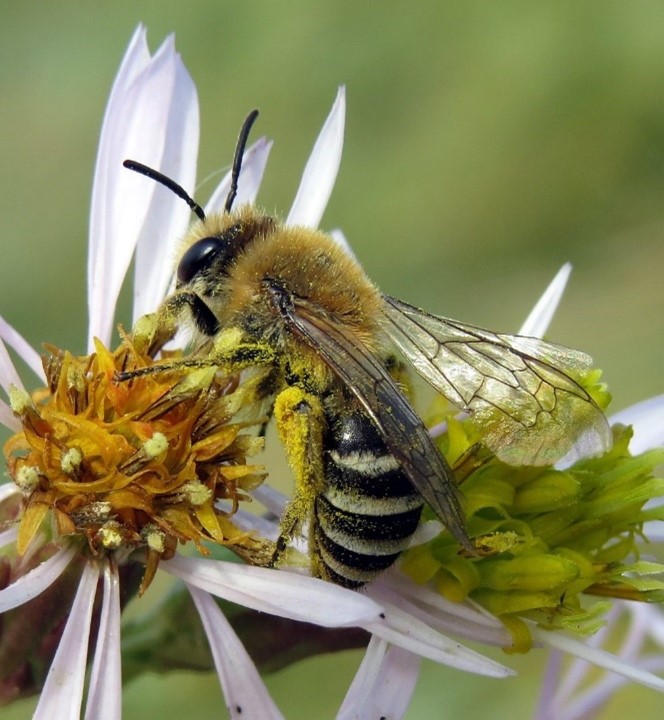
    As part of the invertebrate surveys scheduled in June and September, we are aiming to trial a Habitat Suitability Index (HSI) for Sea Aster mining bees developed by biodiversity specialists within the Environmental Agency.


    Additional Environmental Considerations | The Humber is an area of ecological value, with designations of international importance. The designated habitats and species within are significant considerations for the project. To capture the baseline condition and identify potential impacts of the scheme, we are undertaking the following:

    • Baseline noise assessment to establish the existing noise environment and identify potential affects during construction and operation to both human and ecological receptors.
    • Ecological surveys (in addition to those identified above) including water vole, otter, breeding birds and invasive non-native species.
    • Assessments of the historic environment and heritage in the study area.
    • A review of land quality to identify information relating to historical site uses, ground conditions and risk of contamination.


    Ecology surveys | We have been busy undertaking further ecological surveys over the last few months.

    Badger surveys, together with bat roost and tree assessments were completed in January. Badger surveys were focused on the European Badger Meles meles and the bat roost surveys cover all native species in the UK (there are 18!).

    We still have some further surveys to complete over the year, including further bat surveys, riparian mammal habitats and invertebrates.

    As part of the invertebrate surveys scheduled in June and September, we are aiming to trial a Habitat Suitability Index (HSI) for Sea Aster mining bees developed by biodiversity specialists within the Environmental Agency.


    Additional Environmental Considerations | The Humber is an area of ecological value, with designations of international importance. The designated habitats and species within are significant considerations for the project. To capture the baseline condition and identify potential impacts of the scheme, we are undertaking the following:

    • Baseline noise assessment to establish the existing noise environment and identify potential affects during construction and operation to both human and ecological receptors.
    • Ecological surveys (in addition to those identified above) including water vole, otter, breeding birds and invasive non-native species.
    • Assessments of the historic environment and heritage in the study area.
    • A review of land quality to identify information relating to historical site uses, ground conditions and risk of contamination.


  • Design & Engineering Update

    supporting image

    Ground investigation works have been completed, including the drilling of several boreholes across the site. The resulting ground condition information is now being assessed and will inform the design of the coastal defence improvements.

    Specialist inspections of the existing flood walls and coastal revetment have also been carried out. These detailed condition assessments will determine how the current structures can be adapted or improved to meet the project’s requirements.

    In parallel, design work for the embankment raising and reprofiling has commenced. This follows the completion of a full topographical survey, which has provided essential information on existing site features and ground levels needed to progress the detailed design.

    Ground investigation works have been completed, including the drilling of several boreholes across the site. The resulting ground condition information is now being assessed and will inform the design of the coastal defence improvements.

    Specialist inspections of the existing flood walls and coastal revetment have also been carried out. These detailed condition assessments will determine how the current structures can be adapted or improved to meet the project’s requirements.

    In parallel, design work for the embankment raising and reprofiling has commenced. This follows the completion of a full topographical survey, which has provided essential information on existing site features and ground levels needed to progress the detailed design.

  • Property Flood Resilience

    supporting image

    We have also received good news regarding funding to support installing Property Flood Resilience measures during financial year 2026/2027, following productive meetings with Councillors from North Lincolnshire Council.

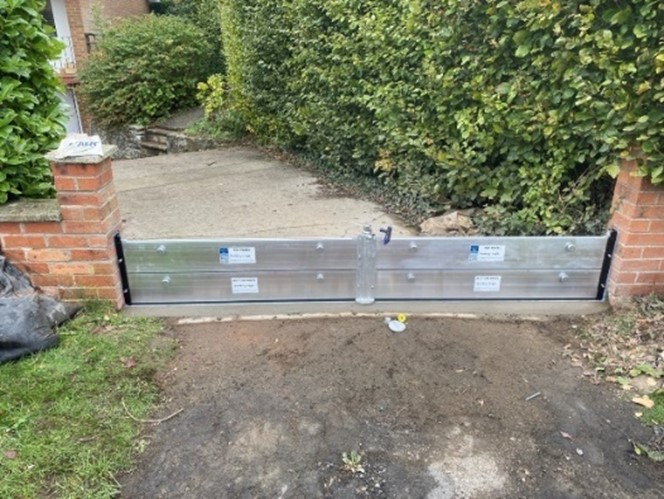
    It is envisaged that a contribution of £500k from North Lincolnshire Council will enable early installation of Property Flood Resilience measures to manage the residual risk to around 50 vulnerable properties. These could include flood doors; air brick covers and one-way drainage valves.

    The necessary funding agreement and contract procurement are underway, with property surveys envisaged to commence from Spring 2026.

    There is also the possibility that a further funding contribution will be made available towards further defence resilience measures forming part of the Full Business Case.

    We have also received good news regarding funding to support installing Property Flood Resilience measures during financial year 2026/2027, following productive meetings with Councillors from North Lincolnshire Council.

    It is envisaged that a contribution of £500k from North Lincolnshire Council will enable early installation of Property Flood Resilience measures to manage the residual risk to around 50 vulnerable properties. These could include flood doors; air brick covers and one-way drainage valves.

    The necessary funding agreement and contract procurement are underway, with property surveys envisaged to commence from Spring 2026.

    There is also the possibility that a further funding contribution will be made available towards further defence resilience measures forming part of the Full Business Case.
  • Project progress

    supporting image

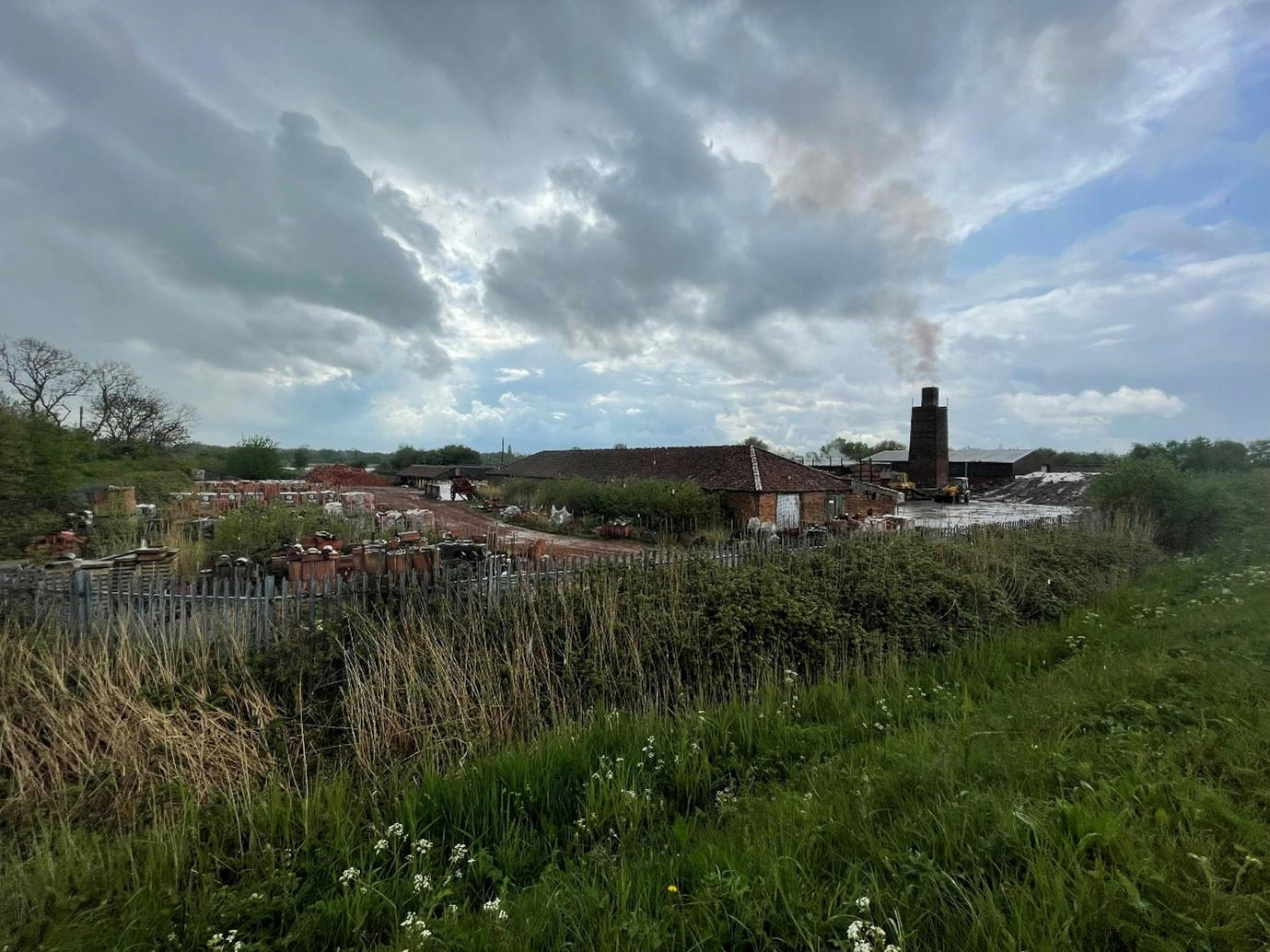
    The Full Business Case contract with Arup’s team commenced at the end of December 2025. Early design planning including topographic, services and asset inspection surveys, geotechnical modelling, constraints mapping, will provide the foundation for the production of the detailed design drawings and specifications throughout the spring/summer.

    Most environmental surveys are also planned for spring and summer '26, but preliminary bat and badger surveys have already taken place, as well as a baseline noise assessment.

    After the detailed design is complete later in 2026, further environmental assessment will be undertaken. This is necessary to assess and manage impacts during construction, before the full business case is submitted for assurance.

    We anticipate holding a series of community engagement events following the completion of the detailed design to provide an update of our proposals.

    Funding update | We have now received confirmation that the project has been allocated £750k to continue through to the 2026/27 financial year. Although less than requested, it nevertheless allows the project to continue at its current pace and to make good progress.

    Project Timeline | The Full Business Case is envisaged to be approved in summer 2027. This should enable preparation works to commence in late 2027. Phased construction is expected in 2028 with completion by late 2029.

    Next Steps | The next key steps are:

    • Ongoing ecological surveys
    • Design Stage 1 review
    • Progress Stage 2 design tasks, including earthworks modelling, specification preparation, drawings and design report.


    The Full Business Case contract with Arup’s team commenced at the end of December 2025. Early design planning including topographic, services and asset inspection surveys, geotechnical modelling, constraints mapping, will provide the foundation for the production of the detailed design drawings and specifications throughout the spring/summer.

    Most environmental surveys are also planned for spring and summer '26, but preliminary bat and badger surveys have already taken place, as well as a baseline noise assessment.

    After the detailed design is complete later in 2026, further environmental assessment will be undertaken. This is necessary to assess and manage impacts during construction, before the full business case is submitted for assurance.

    We anticipate holding a series of community engagement events following the completion of the detailed design to provide an update of our proposals.

    Funding update | We have now received confirmation that the project has been allocated £750k to continue through to the 2026/27 financial year. Although less than requested, it nevertheless allows the project to continue at its current pace and to make good progress.

    Project Timeline | The Full Business Case is envisaged to be approved in summer 2027. This should enable preparation works to commence in late 2027. Phased construction is expected in 2028 with completion by late 2029.

    Next Steps | The next key steps are:

    • Ongoing ecological surveys
    • Design Stage 1 review
    • Progress Stage 2 design tasks, including earthworks modelling, specification preparation, drawings and design report.


  • Resilience Advisory Group

    supporting image

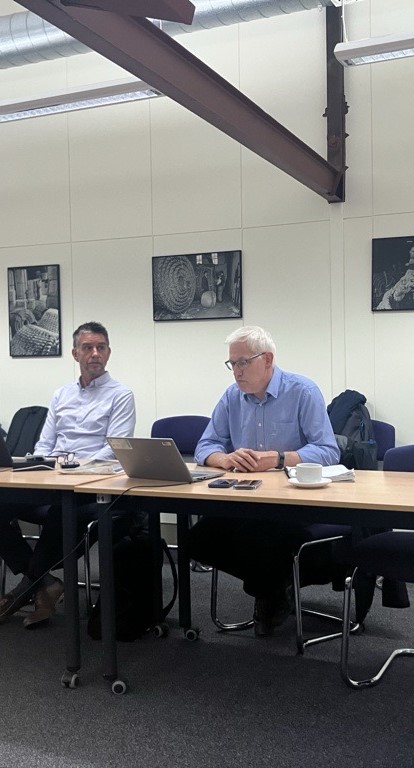
    The Resilience Advisory Group (RAG) is a forum for dialogue between the project team and a range of stakeholders including local councils, organisations, and community groups that represent the interests of the community and the area. Each quarter a RAG meeting or update is held to update on project progress and to hear from the RAG membership.

    On September 25th we held a RAG meeting to update the group on the progress of the project. The agenda for the session focused on sharing the approval of the Outline Business Case, requesting ideas for environmental and social improvements, and updates on ground investigation works.


    Outline Business Case | The approval of this document is a major project milestone and enables us to move forward into detailed design of the project to develop a Full Business Case.

    Environmental and Social Improvements | All EA projects should leave the environment in a better state than before by delivering improvements. If you have any ideas for environmental or social improvements, leave a comment or contact us using the enquiries on the banner on the right of the page.

    Ground Investigations | Ground investigations aim to understand subsurface conditions, identify potential hazards, and provide essential data for safe design and construction.

    The Resilience Advisory Group (RAG) is a forum for dialogue between the project team and a range of stakeholders including local councils, organisations, and community groups that represent the interests of the community and the area. Each quarter a RAG meeting or update is held to update on project progress and to hear from the RAG membership.

    On September 25th we held a RAG meeting to update the group on the progress of the project. The agenda for the session focused on sharing the approval of the Outline Business Case, requesting ideas for environmental and social improvements, and updates on ground investigation works.


    Outline Business Case | The approval of this document is a major project milestone and enables us to move forward into detailed design of the project to develop a Full Business Case.

    Environmental and Social Improvements | All EA projects should leave the environment in a better state than before by delivering improvements. If you have any ideas for environmental or social improvements, leave a comment or contact us using the enquiries on the banner on the right of the page.

    Ground Investigations | Ground investigations aim to understand subsurface conditions, identify potential hazards, and provide essential data for safe design and construction.

Page last updated: 08 Apr 2026, 02:40 PM