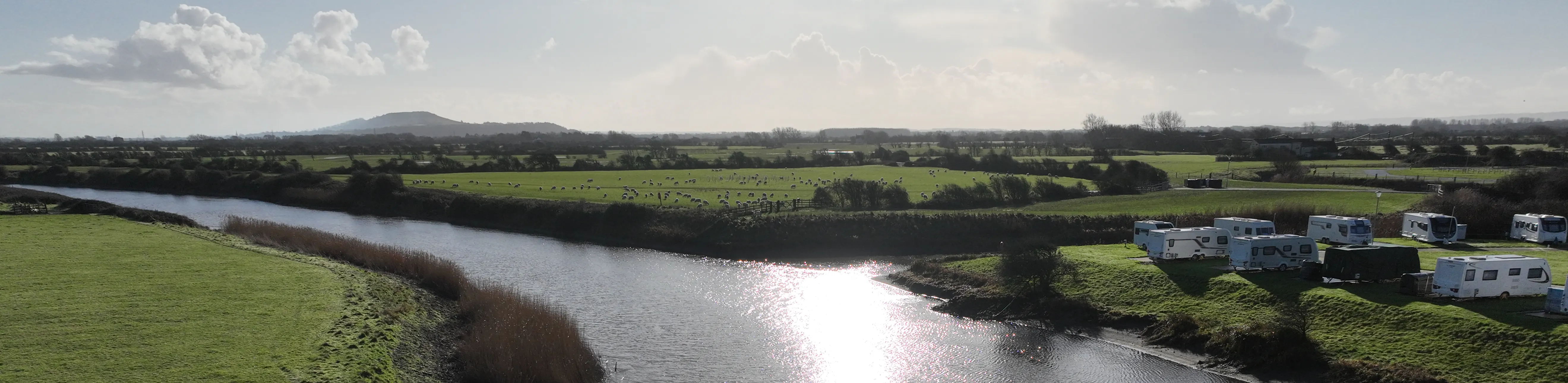
Flood Wardens and Reducing the Impact of Flooding
- BART: Bristol Avon Rivers Trust - Education, Land and River Management Advice
- FWAG: fwagsw.org.uk
- The Wildlife Trusts: Home | The Wildlife Trusts
- Westcountry Rivers Trust: wrt.org.uk
- WWT: Home | WWT
- Yeo Rivers Community Trust: Yeo Rivers Community Trust | River Restoration in Somerset & Dorset
Flooding on the Roads
Members of the public driving onto flooded roads is one of the most commonly heard frustrations from Flood Wardens. Cars get stranded, people need rescuing by emergency services, and access gets blocked when the water recedes. Bow waves from passing traffic can flood homes that might otherwise have stayed dry.
It's also one or the most dangerous things someone can do during a flood - sadly, driving through floodwater is the leading cause of death during flooding in this country. Just 30cm of fast flowing water can move a car.
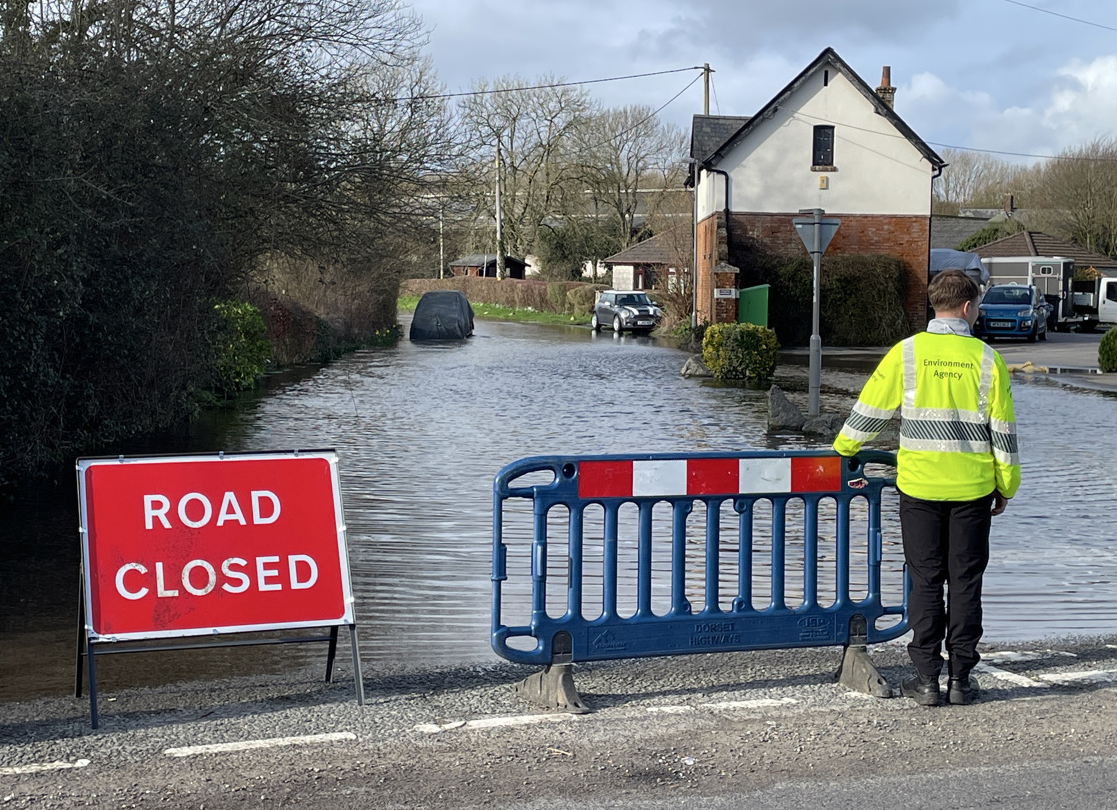 Environment Agency Staff by flooded road
However, Flood Wardens do not have the authority to close roads, divert traffic or put traffic management measures in place during a flood. What they can do is promptly report problems to the relevant highways authority or emergency services, so appropriate action can be taken.
Personal safety should always come first, and wardens should never enter floodwater, attempt to direct traffic or place themselves in danger. By providing up-to-date, accurate information, Flood Wardens can help authorities respond effectively while keeping themselves and others safe.
Property Flood Resilience
Property Flood Resilience (PFR) is about taking practical steps to reduce the impact of flooding on your property and help you recover more quickly if flooding does occur. Measures can range from flood doors, barriers and non-return valves that help keep water out, to resilient materials and design features that make homes easier to clean, dry and repair afterwards.
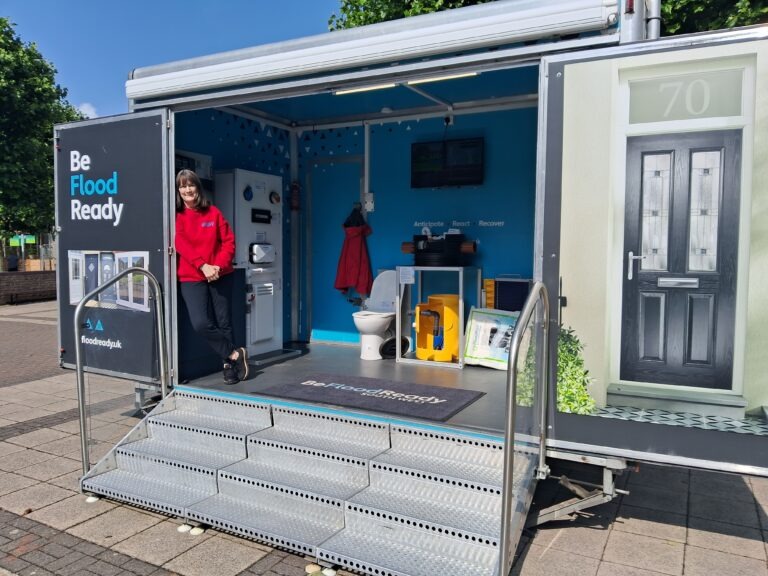 Flood Mary with the Flood Mobile
As a flood warden, understanding and promoting property flood resilience can help residents become better prepared and more self-reliant during flood events. For impartial advice, practical guides and real-life case studies, visit Flood Mary's website at www.floodmary.com, which provides a wealth of information on flood preparedness, property protection measures and flood recovery.
The following video was recorded from one of our Lunch and Learn sessions, with one of our Property Flood Resilience experts giving an overview on this important subject.
If you'd like to join us for our Lunch and Learn online presentations, email floodwessex@environment-agency.gov.uk for more information.
Natural Flood Management
Natural Flood Management (NFM) uses natural processes to slow and store water, reducing the risk of flooding downstream. While large-scale projects are often led by landowners, local authorities or environmental organisations, communities can also play a role.
As a flood warden, you can help raise awareness of measures such as planting trees, restoring ponds and wetlands, creating rain gardens, improving soil health, and installing features that slow surface water runoff. You may also be able to support community-led projects, identify local opportunities, or help connect residents with organisations that can provide funding and technical advice.
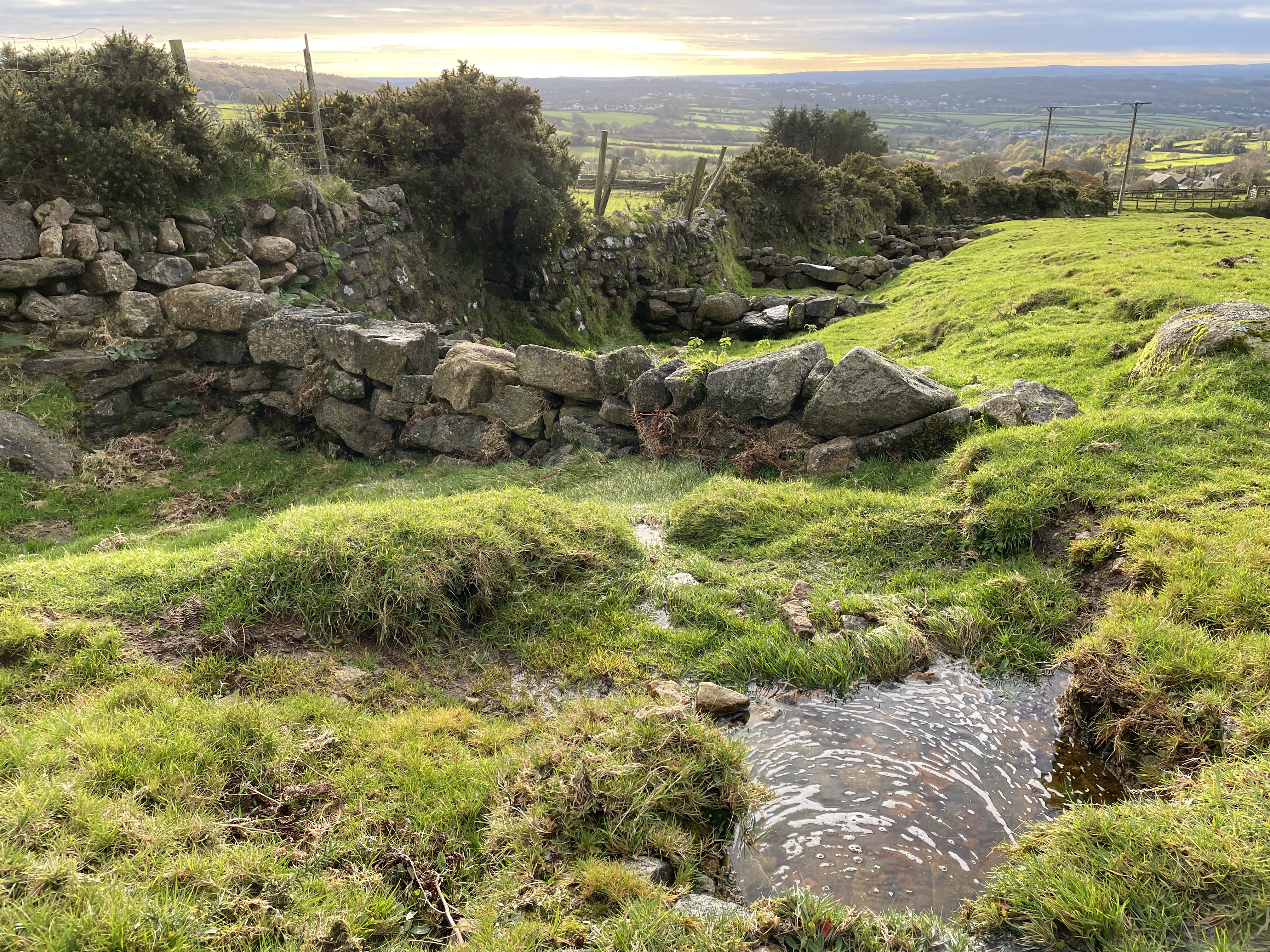 Water being held back in the upper catchment
Natural Flood Management is not a replacement for traditional flood defences, but it can form an important part of a wider approach to managing flood risk, while also delivering benefits for wildlife, water quality and the local environment.
There are lots of voluntary sector organisations actively supporting communities with Natural Flood Management interventions in Wessex, including:
The following video was recorded from one of our Lunch and Learn sessions, with our Natural Flood Management Advisor for the Wessex area. If you'd like to join us for our Lunch and Learn online presentations, email floodwessex@environment-agency.gov.uk for more information.