
Water regulation case study: South West Water
Reducing storm overflows at Lords Meadow Wastewater Treatment Works through targeted regulation
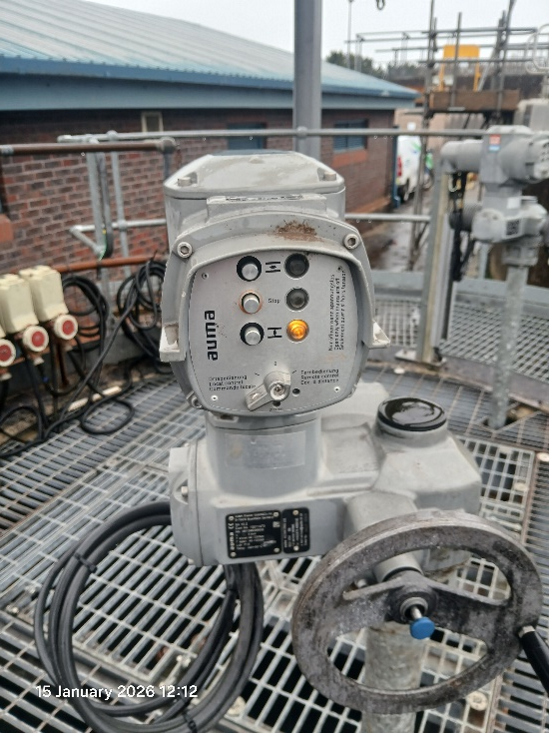 New automatic telemetry operating the storm tank
Following an Environment Agency inspection in April 2025 it was identified that storm tank operations at Lords Meadow Wastewater Treatment Works were not compliant with their permit.
Although the site has two storm tanks with a combined capacity of 1,440m³ and an automatic return system installed, storm sewage was being returned manually and only during working hours. This meant storm tanks often remained full for extended periods, reducing available storage ahead of further rainfall and increasing the likelihood and duration of storm overflows to the environment.
The Environment Agency recorded a Category 3 non-compliance and robustly challenged this long-standing operating practice. While the operator initially disputed the breach, we reviewed historic permit requirements and wider regulatory obligations and confirmed the non-compliance.
Action taken
Following our intervention, South West Water acted to resolve the issue:
Automatic return has been fully restored on one storm tank
The second tank is undergoing repair, with controlled interim arrangements in place
Storm tanks now return sewage automatically, day and night, as soon as treatment capacity is available
Real-world environmental impact
These improvements mean that storm tanks are emptied much more quickly after rainfall, restoring storage capacity sooner and ensuring sewage is treated rather than discharged. As a result:
The frequency and duration of storm overflows from the site will be reduced
More storm sewage will now receive full treatment before discharge
The receiving watercourse is better protected from pollution during wet weather
There is increased resilience during successive storm events
This case study shows how increased inspections and tougher regulatory challenge are delivering tangible environmental benefits. By holding the operator to account, we have driven operational change that will directly reduce storm overflows, protect local rivers, and improve compliance demonstrating that water companies are responding to stronger regulation and closer scrutiny.