What is sludge?
Sewage sludge is a by-product of the wastewater treatment process, formed when solids are separated from liquid sewage. It contains organic matter, nutrients, and water. Once processed, sewage sludge can be reused in various ways, including as a soil conditioner or for energy generation, contributing to sustainable waste management practices.
On this page, you will find information on:
- The Environment Agency's Role
- Plans and strategic direction
- Water company performance and sludge
- Septic tank sludge
- Working with the water industry
- Sludge treatment
Our role
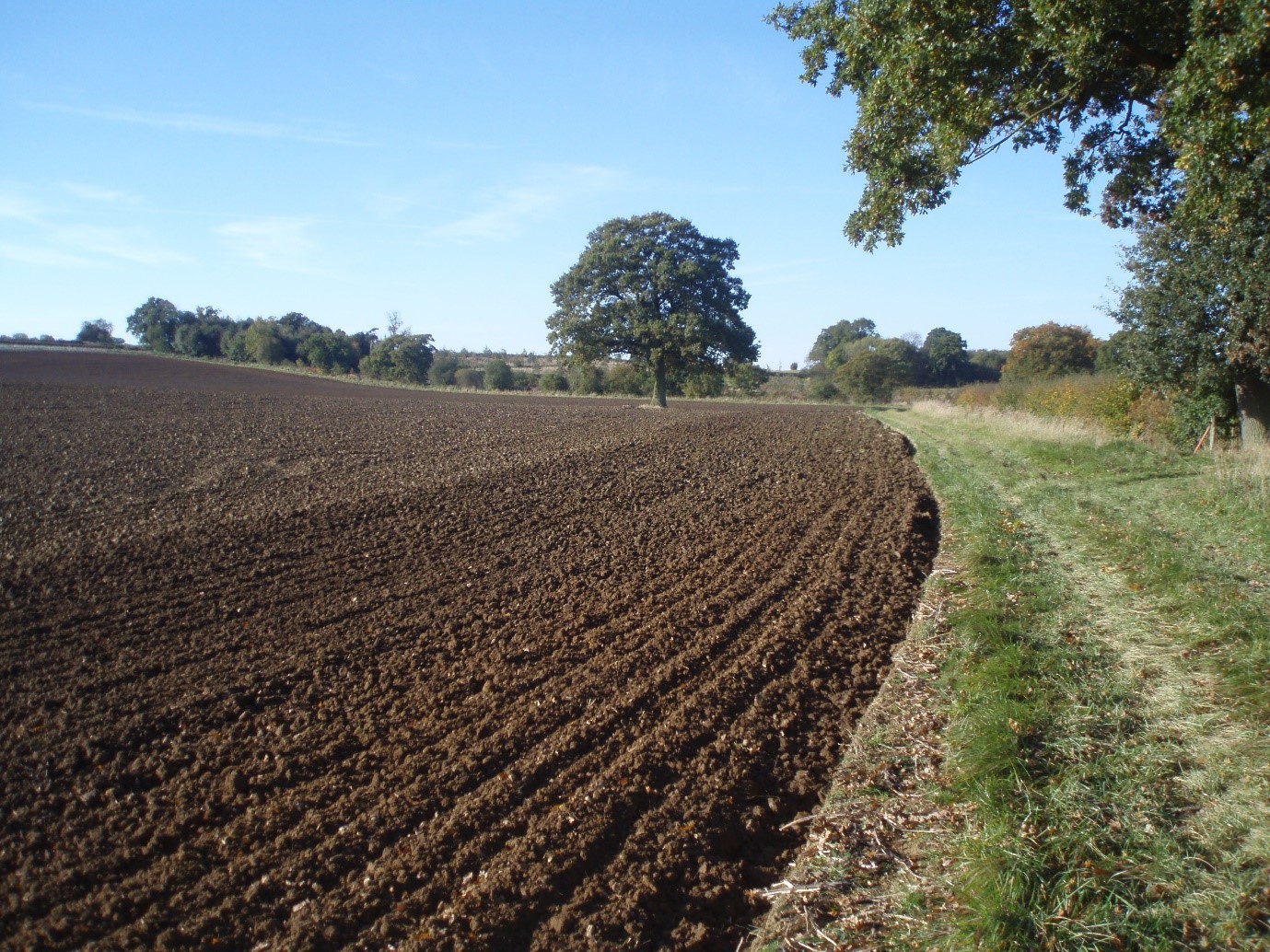
We have a statutory role to ensure that sludge is managed properly and recovered (used) or disposed of in a compliant way. Sludge is continuously and unavoidably produced by water companies during the treatment of domestic or urban waste waters. It is a residual solid waste. Sludge also comes from small sewage plants treating waste water and septic tanks. Treated sludge used as a soil conditioner is often called biosolids.
We work with Defra, Ofwat, water companies and others to ensure the safe and sustainable use of sludge on agricultural land. When recycled to agricultural land under the Sludge (Use in Agriculture) Regulations (1989)(External link) (SUiAR) sludge is a valuable fertiliser and contains nutrients and organic matter that promotes soil health and supports the circular economy. The SUiAR are supported by a Defra Sewage sludge in agriculture: code of practice (External link). In 2001, the water industry introduced the voluntary safe sludge matrix (External link) to provide guidance on a minimum acceptable level of treatment of any sludge based material which may be applied to agricultural land.
Plans and strategic direction
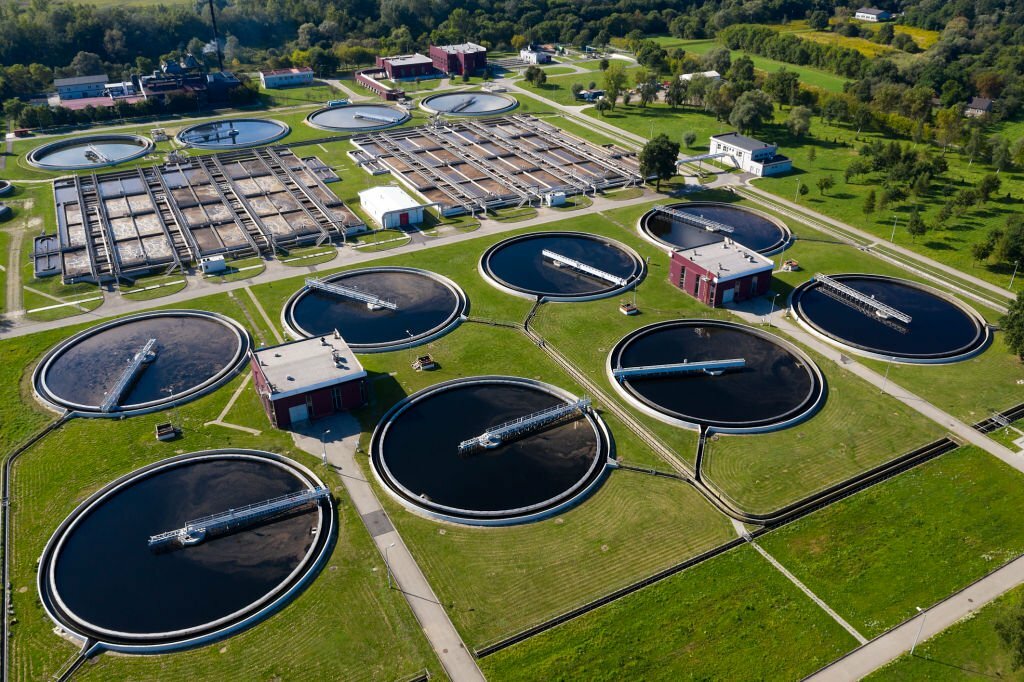 We have published the Environment Agency strategy for safe and sustainable sludge use with the aim to bring sludge regulation into the Environmental Permitting Regulations (EPR). We recognise that the current regulations have been in place since 1989 and the water industry is continuously evolving. Our aim is to ensure that sewage sludge and septic tank sludges can be recycled to agricultural land in a safe and sustainable manner.
In collaboration with Ofwat we have enabled £0.5 billion worth of investment for water companies in Price Review 24 to support the resilience of the sludge supply chain to agriculture. This will allow water companies to invest in their sludge storage infrastructure and to improve the management and handling of sludge.
Water company performance and sludge
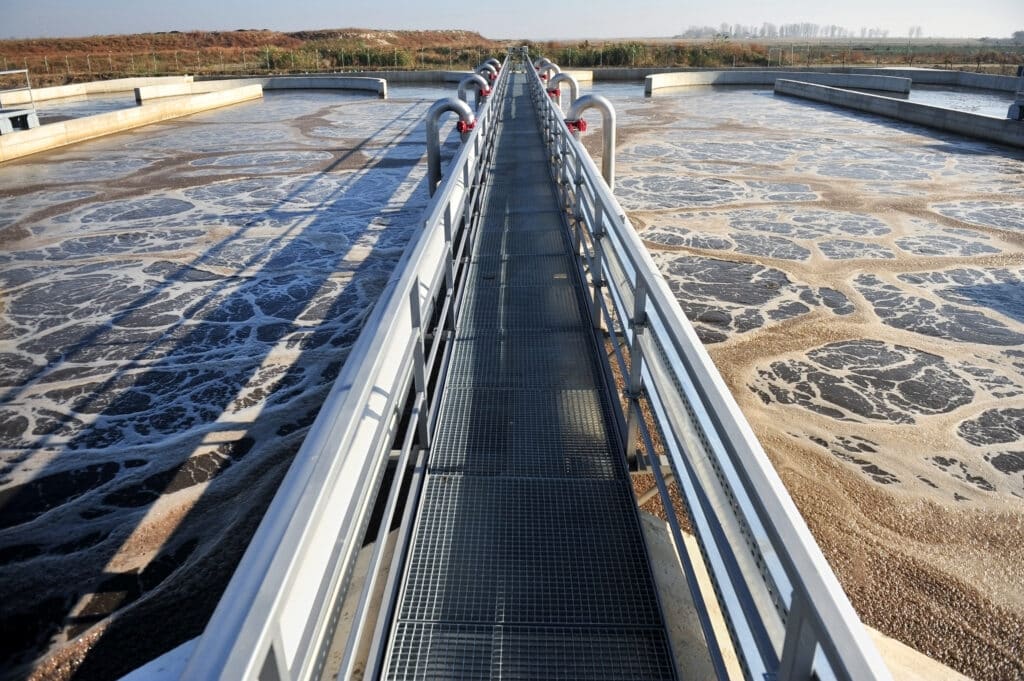
Water companies are assessed on their sludge use and disposal compliance through the Environmental Performance Assessment Satisfactory sludge use and disposal metric. Water companies self-report the percentage of sludge produced that is satisfactorily used or disposed of. We expect water companies to achieve 100% satisfactory sludge use and disposal. The score is published annually in their Environment Performance Assessment report and the overall compliance score affects the water company star rating.
Septic tank sludge
 We have published guidance on managing sludge from non-mains systems to help clarify how sludge from non-mains sewage systems should be managed. Non-mains sewage systems include small sewage treatment plants and septic tanks.
Working with the water industry
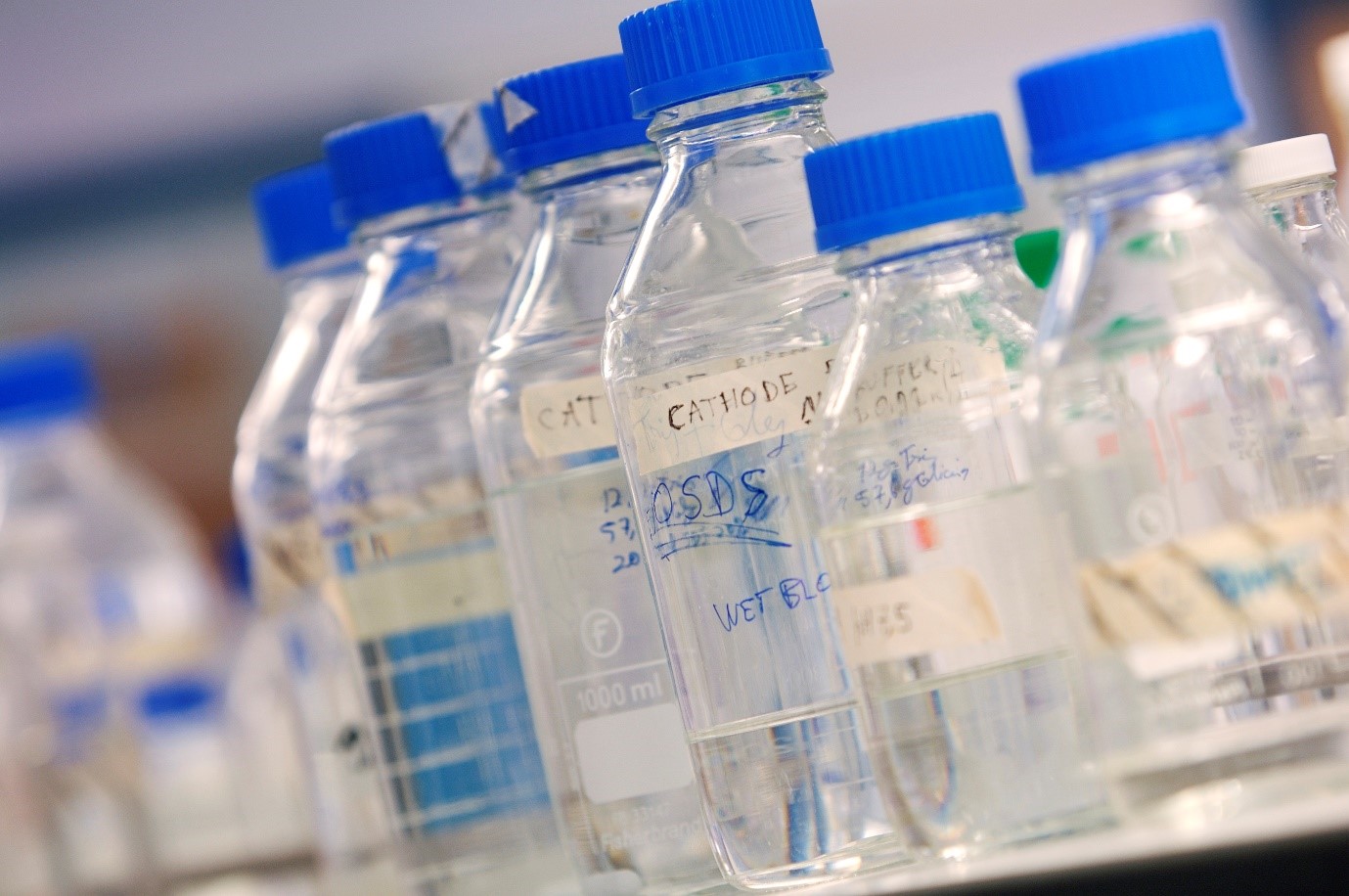
The UK Water Industry Regulation (UKWIR) led, water company funded, Chemical Investigations Programme is a collaborative programme of research by water companies in England and Wales and the Environment Agency and Natural Resources Wales. We have been working with water companies to design and implement research investigations to help better understand the chemical content of sludge which also includes microplastics and anti-microbial resistance.
Sludge treatment
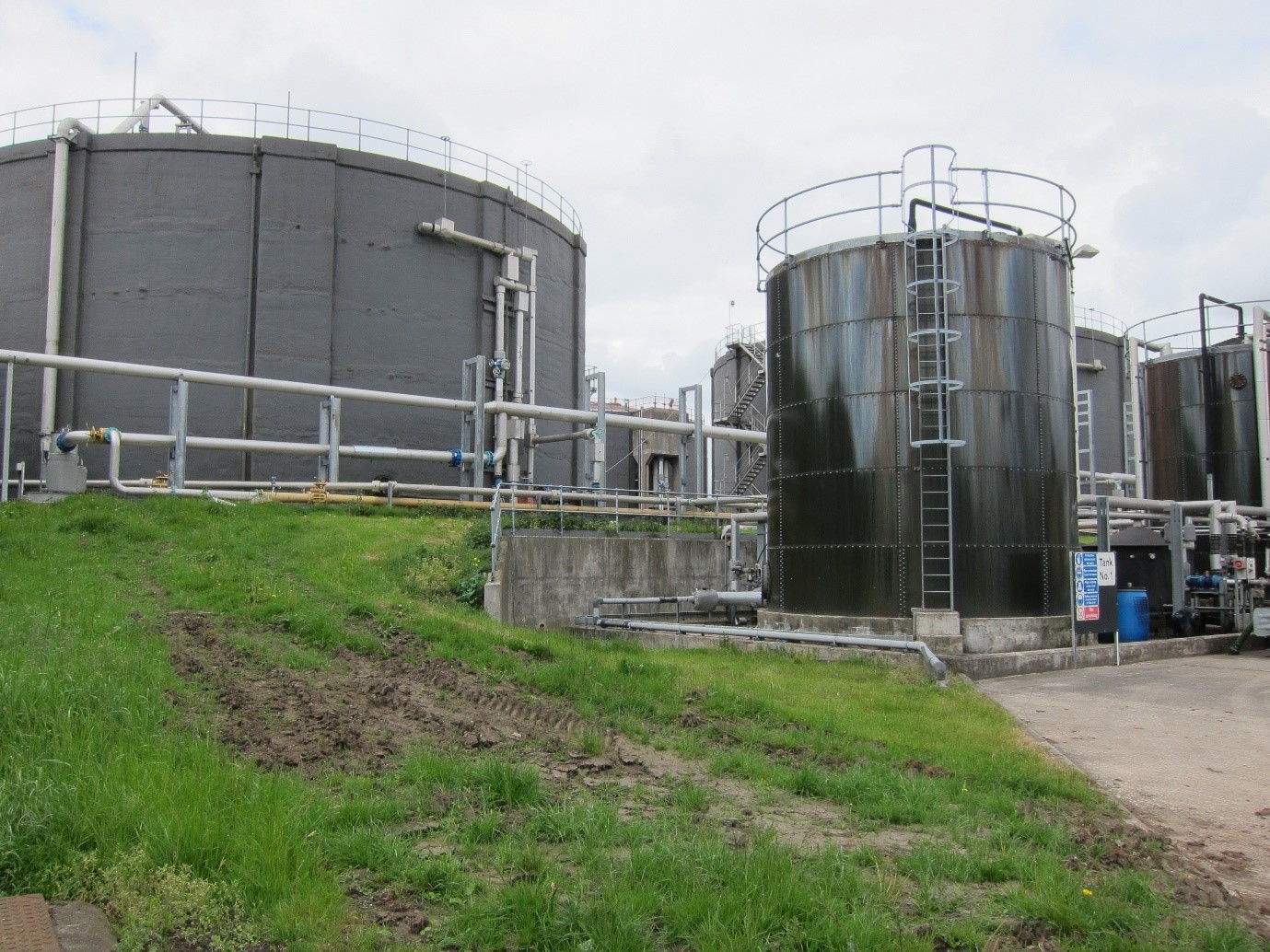 The Environment Agency has produced guidance on appropriate measures which can be applied when treating sludge at the waste water treatment works. This provides the framework for how water companies can comply with their permits to ensure that pollution to water, air and land is controlled.
Updated guidance with a relevance to sludge has been published by the Environment Agency around how to carry out a risk assessment if you are applying for a bespoke permit that includes discharging hazardous chemicals and elements to surface water here.
What is sludge?
Sewage sludge is a by-product of the wastewater treatment process, formed when solids are separated from liquid sewage. It contains organic matter, nutrients, and water. Once processed, sewage sludge can be reused in various ways, including as a soil conditioner or for energy generation, contributing to sustainable waste management practices.
On this page, you will find information on:
- The Environment Agency's Role
- Plans and strategic direction
- Water company performance and sludge
- Septic tank sludge
- Working with the water industry
- Sludge treatment
Our role
We have a statutory role to ensure that sludge is managed properly and recovered (used) or disposed of in a compliant way. Sludge is continuously and unavoidably produced by water companies during the treatment of domestic or urban waste waters. It is a residual solid waste. Sludge also comes from small sewage plants treating waste water and septic tanks. Treated sludge used as a soil conditioner is often called biosolids.
We work with Defra, Ofwat, water companies and others to ensure the safe and sustainable use of sludge on agricultural land. When recycled to agricultural land under the Sludge (Use in Agriculture) Regulations (1989)(External link) (SUiAR) sludge is a valuable fertiliser and contains nutrients and organic matter that promotes soil health and supports the circular economy. The SUiAR are supported by a Defra Sewage sludge in agriculture: code of practice (External link). In 2001, the water industry introduced the voluntary safe sludge matrix (External link) to provide guidance on a minimum acceptable level of treatment of any sludge based material which may be applied to agricultural land.
Plans and strategic direction
We have published the Environment Agency strategy for safe and sustainable sludge use with the aim to bring sludge regulation into the Environmental Permitting Regulations (EPR). We recognise that the current regulations have been in place since 1989 and the water industry is continuously evolving. Our aim is to ensure that sewage sludge and septic tank sludges can be recycled to agricultural land in a safe and sustainable manner.
In collaboration with Ofwat we have enabled £0.5 billion worth of investment for water companies in Price Review 24 to support the resilience of the sludge supply chain to agriculture. This will allow water companies to invest in their sludge storage infrastructure and to improve the management and handling of sludge.
Water company performance and sludge
Water companies are assessed on their sludge use and disposal compliance through the Environmental Performance Assessment Satisfactory sludge use and disposal metric. Water companies self-report the percentage of sludge produced that is satisfactorily used or disposed of. We expect water companies to achieve 100% satisfactory sludge use and disposal. The score is published annually in their Environment Performance Assessment report and the overall compliance score affects the water company star rating.
Septic tank sludge
We have published guidance on managing sludge from non-mains systems to help clarify how sludge from non-mains sewage systems should be managed. Non-mains sewage systems include small sewage treatment plants and septic tanks.
Working with the water industry
The UK Water Industry Regulation (UKWIR) led, water company funded, Chemical Investigations Programme is a collaborative programme of research by water companies in England and Wales and the Environment Agency and Natural Resources Wales. We have been working with water companies to design and implement research investigations to help better understand the chemical content of sludge which also includes microplastics and anti-microbial resistance.
Sludge treatment
The Environment Agency has produced guidance on appropriate measures which can be applied when treating sludge at the waste water treatment works. This provides the framework for how water companies can comply with their permits to ensure that pollution to water, air and land is controlled.
Updated guidance with a relevance to sludge has been published by the Environment Agency around how to carry out a risk assessment if you are applying for a bespoke permit that includes discharging hazardous chemicals and elements to surface water here.
