Further Information on the Environment Agency's strategy
Where is the River Leen
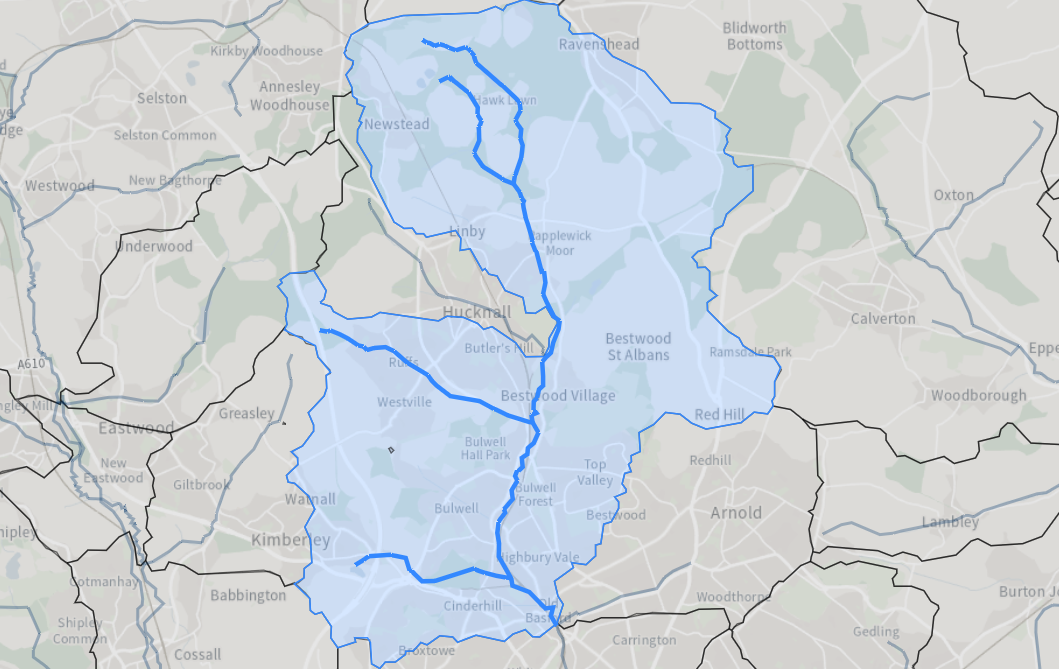
The River Leen starts as a small stream in Kirkby-in-Ashfield. From there, it flows through places like Newstead, Papplewick, Bestwood Village, Bulwell, Basford, and finally reaches Lenton, where it joins the River Trent.
The river passes through some of Nottingham’s older and busier neighborhoods, just west of the city centre. People have changed the river a lot over time — for example, metal sheets have been added along its sides, and barriers help prevent flooding. In the 1960s, it was improved as part of a project to stop flooding in the area.
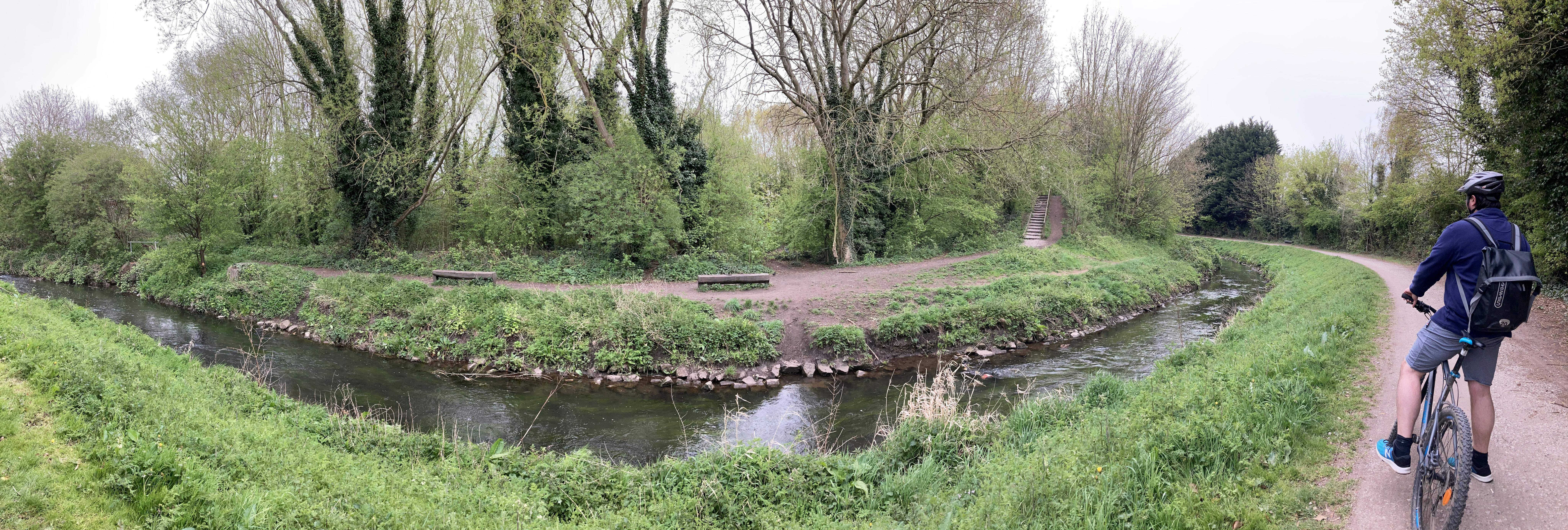
Along much of the River Leen, you can find walking and cycling paths, parks, nature reserves, and historic sites — making it a green and blue route right through Nottingham. The river is home to lots of animals like kingfishers, brown trout, water voles, otters, and eels.
It also flows past communities, schools, hospitals, businesses, and factories. Smaller streams, like the Day Brook, Baker Lane Brook, and Tottle Brook, join up with it too.
Because it runs through the city, the River Leen faces some problems, such as pollution from roads and litter, and there aren’t many natural habitats left for wildlife. But there are also many chances to make it cleaner, safer, and more welcoming for both people and animals.
Why is there a strategy for the River Leen
Some of the equipment and structures that help stop flooding along the River Leen are getting old and may soon need to be replaced. We’ve been collecting information about how well these flood defences are working, how big the flood risk is, how flooding might affect local people and businesses, and how the river’s environment is being affected.
In the 1960s, people thought the best way to stop floods was to move water away as quickly as possible by making the river straight and lining it with concrete and metal. But now we know that doing this can just push the flooding problem further downstream.
Today, experts believe the best way to manage floods is to use lots of different methods that work together — not just to move water quickly, but also to protect nature, people, and homes.
Current issues on the River Leen
In 2019, a report showed that it would cost more than £18 million to replace the old flood defences along the River Leen with new ones that are the same as before. Computer models also showed that when very heavy rain happens (worse than a 1-in-20-year flood), water could spill over the flood defences. If the barriers were made higher, it might actually make flooding worse in other parts of Nottingham, because extra water could flow into the Nottingham Canal and move toward the city centre.
There’s an important part of the flood system called the Leen Syphon, which helps protect the Queen’s Medical Centre (QMC) hospital. If the Syphon’s automatic screen (which stops weeds and rubbish) stops working or gets blocked, about 1,500 homes could be at risk of flooding. This could also affect the hospital and the roads that people use to get there. The models also show that the Syphon might not be big enough to handle large floods anymore — meaning over 500 homes could flood even when it’s working properly.
There’s also a flood wall near the hospital that’s starting to wear out, which is another reason we’re concerned. We’re keeping a close eye on it and planning to replace it with something stronger and better for the environment.
We do a lot of regular work to keep flood defences working well in the River Leen area. Right now, around 1,500 homes could flood if things go wrong. But by 2070, with climate change and less maintenance, that number could rise to over 4,100 homes.
There isn’t just one easy fix for these problems. What’s clear is that the old way of managing the river won’t work forever — unless the Environment Agency and Nottingham City work together to find new, long-term ways to protect people from floods.
Plans and Next Steps
Our plan to create a Strategy for the River Leen has been approved by a national group called the Large Project Review Group (LPRG). They agreed that because flooding in the River Leen area is complicated, we need a proper plan to find the best ways to manage flood risk in the future.
We’re working closely with Nottingham City Council and the University of Nottingham to build a shared vision for the Leen Valley. The University understands that it can be difficult for different people and organisations to agree on one environmental plan, but by working together, we can collect ideas and feedback from local communities and businesses. This will help make the Leen Valley a better place for both wildlife and people.
Our team believes that to reduce flooding and protect the community, we need to use more nature-based solutions. The River Leen doesn’t have much natural space for water to spread out, so we want to use green ideas like special gardens or parks that can soak up rainwater, and create greener areas that can store extra water during floods. These changes won’t just help with flooding—they can also make Nottingham cooler in hot weather, give animals more places to live, and help reduce carbon emissions. Plus, they’ll make the city a nicer, healthier place for everyone.
We’re also looking at how these plans can bring new opportunities to Nottingham, such as jobs and economic growth.
Work on the Strategy will officially start in Autumn 2025. It will take about two years to finish, and we hope to have it fully approved by 2028.
The future of flood Risk on the River Leen
Our plan to make a Strategy for the River Leen has been approved by a national group called the Large Project Review Group (LPRG). They agreed that flooding around the River Leen is complicated, so we need a proper plan to find the best ways to manage it in the future.
We’re working with Nottingham City Council and the University of Nottingham to come up with a shared vision for the Leen Valley. The University knows it can be tricky for different people and groups to agree on one plan for the environment, but by working together, we can listen to ideas from local people, schools, and businesses. This teamwork will help make the Leen Valley a better place for both wildlife and local communities.
Our team thinks that to protect people from flooding, we should use more nature-based solutions. Because the River Leen doesn’t have much natural space for water to spread out, we want to add green areas—like rain gardens, grassy parks, and ponds—that can soak up rainwater and store extra water during floods. These green spaces will also help keep the city cooler, give animals more homes, and cut down on carbon pollution. Plus, they’ll make Nottingham a more enjoyable and healthy place to live.
We also hope our plans will create new opportunities for the city, like more jobs and stronger local businesses.
Work on the new River Leen Strategy will start in Autumn 2025, and it should take about two years to complete. We expect it to be fully approved by 2028.