
Environmental features and benefits
Environmental features and benefits
- We will keep the lowered ground adjacent to Seacourt Stream narrower here and route it to avoid the MG4 as much as possible. The upper part of the slope will be seeded with MG4.
- It is unavoidable that we will need to remove approximately 1.3 hectares of MG4 grassland, which we will relocate. We will create three new areas of species-rich floodplain meadow nearby. This will total around 16 hectares which is more than twice the size of the existing meadow. We’ll use a tried and tested meadow establishment technique to do this, which involves lightly cutting up the soil in the existing grassland and spreading seeds or freshly cut hay over it to increase the range of species. The seeds and hay will be collected from existing MG4 meadows nearby.
- We will maintain current groundwater levels in Hinksey Meadow by managing water levels in the Bulstake and Seacourt Streams.
- We will carefully lift the MG4 turf which needs to be dug up and take it to a site with similar soil and ground conditions to Hinksey Meadow, where it will be managed as hay meadow. We acknowledge there’s a high chance this translocation will not be fully successful and so have ensured the other proposals will ensure an overall gain in floodplain meadow even if the relocated turf doesn’t survive.
- A natural looking stream, avoiding hard engineering where possible
- Re-using most of the gravels excavated within the scheme area to create the bed of the new stream and improve habitat within existing streams
- Re-using earth excavated within the scheme area to create flood embankments rather than walls, where possible
- There are no permanent pumps or pipes to manage river floodwaters. Manufacturing pumps and pipes is very energy intensive, and they would also require regular maintenance and replacement
- It is intended the lowered ground next to the new stream will be grazed by a very small herd of cattle. This will increase biodiversity and help with maintenance, meaning mechanical cutting by diesel powered machinery will only need to be done when absolutely necessary, such as to keep down woody growth the cattle will not eat.
What is the environmental design of the scheme?
The Oxford Flood Alleviation Scheme provides a unique opportunity to not only help protect Oxford from flooding, but to enhance the local environment by creating a new wetland wildlife corridor. This will form part of a wider valuable freshwater network throughout Oxfordshire, linking existing wildlife sites.
As well as reducing flood risk, we are creating a setting in which plants and wildlife can thrive and will offer opportunities to enrich the education and wellbeing of local communities.
What features will help wildlife?
Over time, the scheme will increase the range of wildlife such as plants, insects and birds in the area – known as biodiversity.
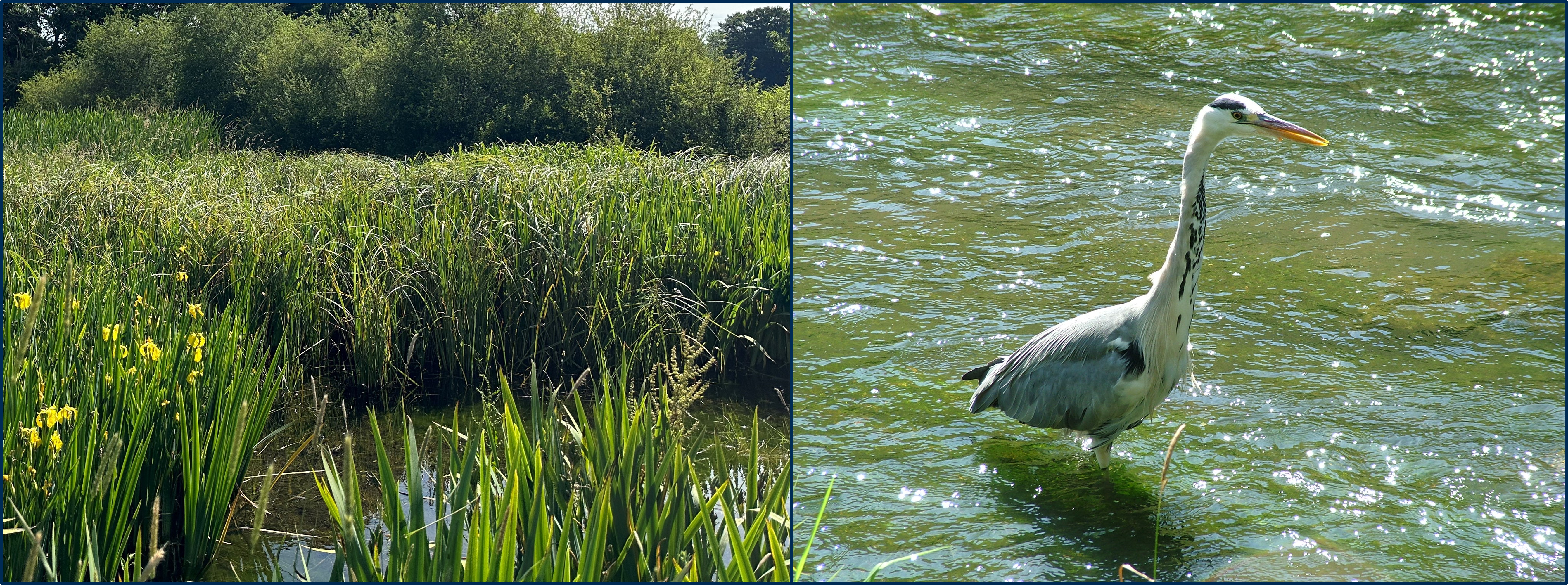
The new stream will carry flowing water all the time. It will include shallower sections and pools, with varied speeds and depths to create high quality habitat. We will plant native trees and shrubs close to the stream in order to provide pockets of shaded habitat. These areas of tree and shrub planting have been carefully designed so that they will not restrict flows but will increase biodiversity and complement the existing landscape.
The ground alongside the new stream will be lowered to create a sloping floodplain with an extensive network of freshwater features including ponds, scrapes and backwaters. The area will be sown with wetland meadow grass and wildflower seed mixes. Periodic flooding, together with the damper ground next to the new stream, will support around 20 hectares of floodplain grassland. Floodplain grassland sites typically support rarer bird species such as lapwing, yellow wagtail and snipe. The ponds and scrapes will also increase the diversity of plants and invertebrates in the area.
What are your plans for trees and hedgerows?
Our tree-planting proposals will ensure there’s more woodland within the scheme area after completion than there currently is at present. The new woodland will also contain a greater variety of native tree and shrub species.
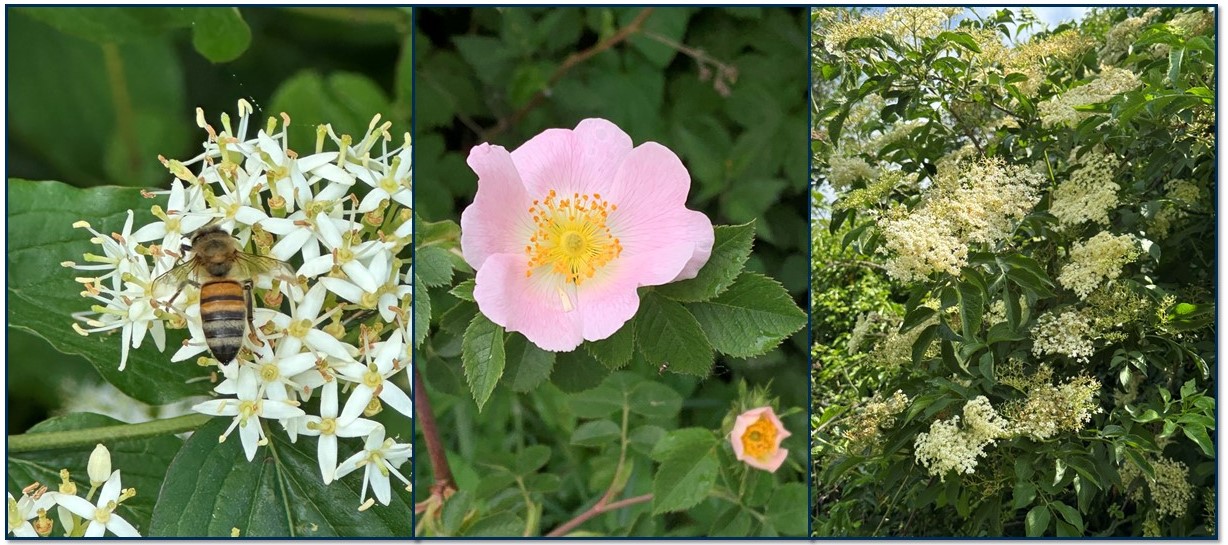
We will be planting over 19,000 trees in total, along with many native shrubs such as dogwood, goat willow, dog rose and wild privet. Around 2000 existing trees will need to be felled. We are ensuring that we leave the area with a greater range of wildlife after the scheme is in place than before – known as biodiversity net gain. In our calculations for biodiversity net gain, we have accounted for the fact that replacement woodland trees will be saplings, and it will be many years before they are fully established.
Areas of deciduous woodland and lengths of hedgerow will be planted close to where habitats need to be removed, to maintain a corridor of tree and shrub cover. The scale and orientation of the woodland and hedgerow planting will match the existing landscape character. In the lowered floodplain beside the new stream, only small groups of trees will be planted, because woodland and hedgerows here would slow down the flow of floodwater.

The woodland areas will be managed for wildlife and will include glades that are sown with wildflowers to encourage butterflies and other insects, as well as birds and foraging bats. New species-rich hedgerow will be planted throughout the scheme area and additional hedgerow planting will be carried out off-site to ensure a net gain in this habitat. We will create the new hedgerows using plants grown from locally sourced seeds, self-seeded shrubs, trees, and hedgerow species. These will provide a range of flowering and fruiting times.
In designing the scheme, ecologists, landscape architects and engineers and have worked together to minimise the loss of existing habitat and landscape features, and to maximise environmental gain. An Environmental Clerk of Works will be on site during construction and work alongside the contractor to make sure that all opportunities to preserve existing habitats are identified and taken.
What is the scheme doing for grassland and floodplain meadow?
We are taking measures to preserve the existing rare grassland found in the scheme area as much as possible. In addition, we will create around 16 hectares of new floodplain meadow, with a rich variety of plant species.
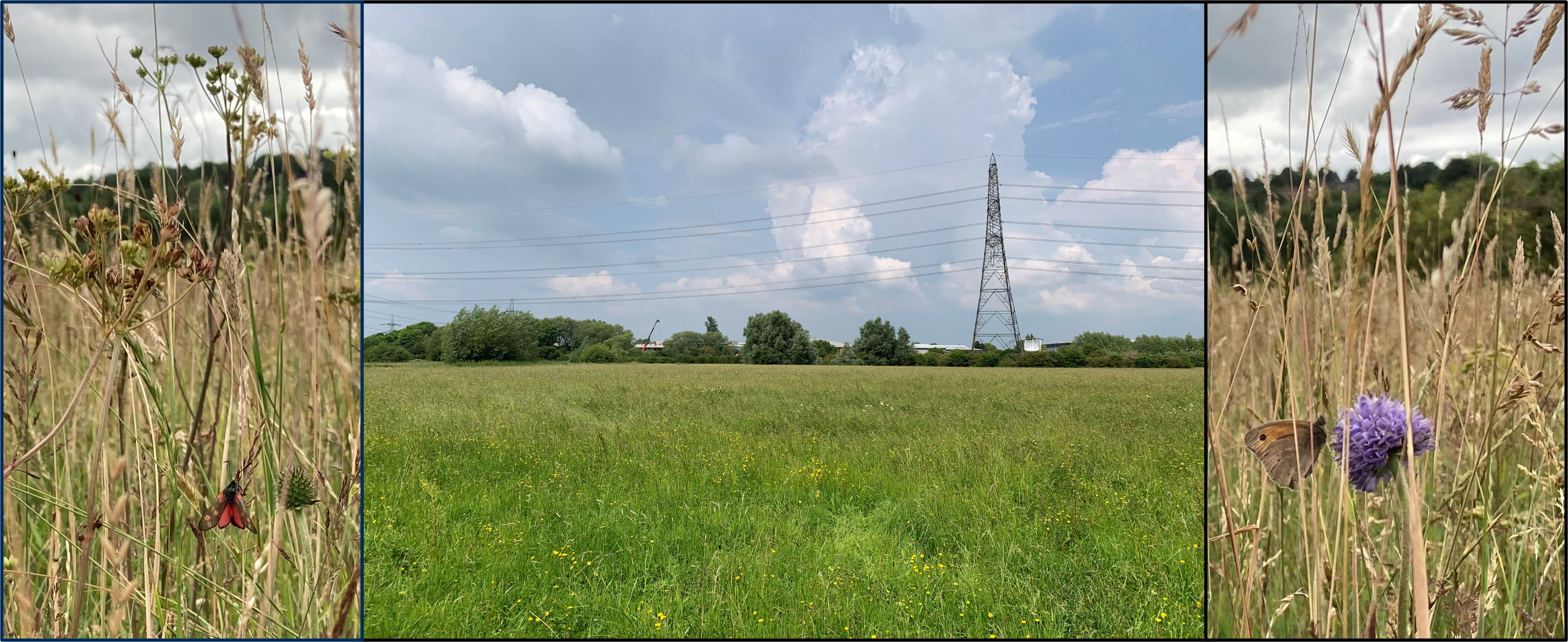
Hinksey Meadow is designated as a Local Wildlife Site and includes areas of rare floodplain meadow called MG4 grassland. Sites supporting MG4 grassland are usually managed as traditional hay meadows, with a hay crop cut in mid-summer followed by autumn grazing. MG4 grassland is scarce across the UK because traditional hay meadows have been drained or converted to other land uses.
 Hinksey Meadow
The scheme will involve lowering the ground on the western edge of Hinksey Meadow, next to the Seacourt Stream. We appointed the Floodplain Meadows Partnership (FMP) of the Open University, as national experts in MG4 grassland, to provide independent expert advice on how best to preserve the meadow and provide replacement meadow where some loss is unavoidable.
Both during and after construction, it will still be possible for MG4 in Hinksey Meadow to have a hay cut in the summer and then to be grazed afterwards, as it is currently. Removable fencing can be used to allow seasonal cattle grazing to continue as appropriate.
How will you manage your carbon footprint?
The scheme has been designed to require little active management and maintenance, meaning a lower carbon footprint. The new stream will operate with minimal intervention. The lowered floodplain can be maintained largely through traditional land management techniques. Sustainable features include:
We are regularly reviewing how we can further reduce our carbon footprint in constructing and maintaining the scheme. Sustainable or low carbon materials will be specified where possible. This will include lower carbon concrete as the standard.
Most of our carbon emissions will be from the machinery and vehicles needed to move material, and from producing the concrete and steel we will use. We continue to explore ways to reduce the carbon produced through construction and maintenance, including how we could use current and future technology. Our carbon forecast for the future operation and maintenance of the scheme is presented in our carbon calculator, which was submitted as part of our planning application (Appendix T of our Environmental Statement).
Flooding causes carbon emissions due to direct damage and disruption, as well as the replacement and refurbishment of properties, vehicles, and belongings. Every time homes and businesses flood, all the materials that then need replacing cause a huge carbon cost that will now be reduced. By reducing flooding, the Oxford scheme will prevent the production of far more carbon emissions in the long term than are generated through its construction and maintenance.