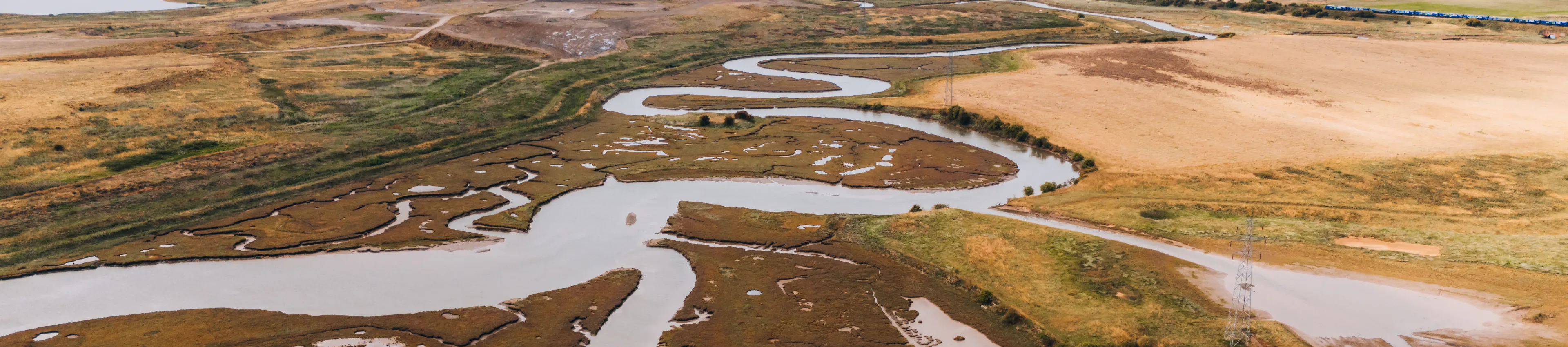
Nature Permitting Coordination Launch
Enabling faster, smarter nature recovery
Nature Permitting Coordination (NPC) is a new Environment Agency service for projects that need multiple permits or licences. It provides coordinated support, early engagement, and clear decision timelines to help projects progress efficiently. All work is provided on a full cost-recovery basis.
This page explains how nature restoration, nature recovery and water discovery projects can access NPC, understand regulatory requirements, and identify when permits or licences may be needed. It aims to reduce uncertainty, avoid delays, and support positive outcomes for nature, water and people.
What types of activities do nature projects include?
- Raising water levels in peat soils (rewetting)
- Blocking drainage channels and restoring natural hydrology
- Creating backwaters, wetlands, scrapes and ponds
- Installing leaky dams or other natural flood management features
- Reconnecting rivers to floodplains
- Diverting, slowing or storing water
- Constructing small structures (bunds, weirs, outfalls)
These activities help restore ecosystems – but they can also affect water flow, flood risk and water quality
When might you need a permit or licence?
Working in or near rivers or floodplains:
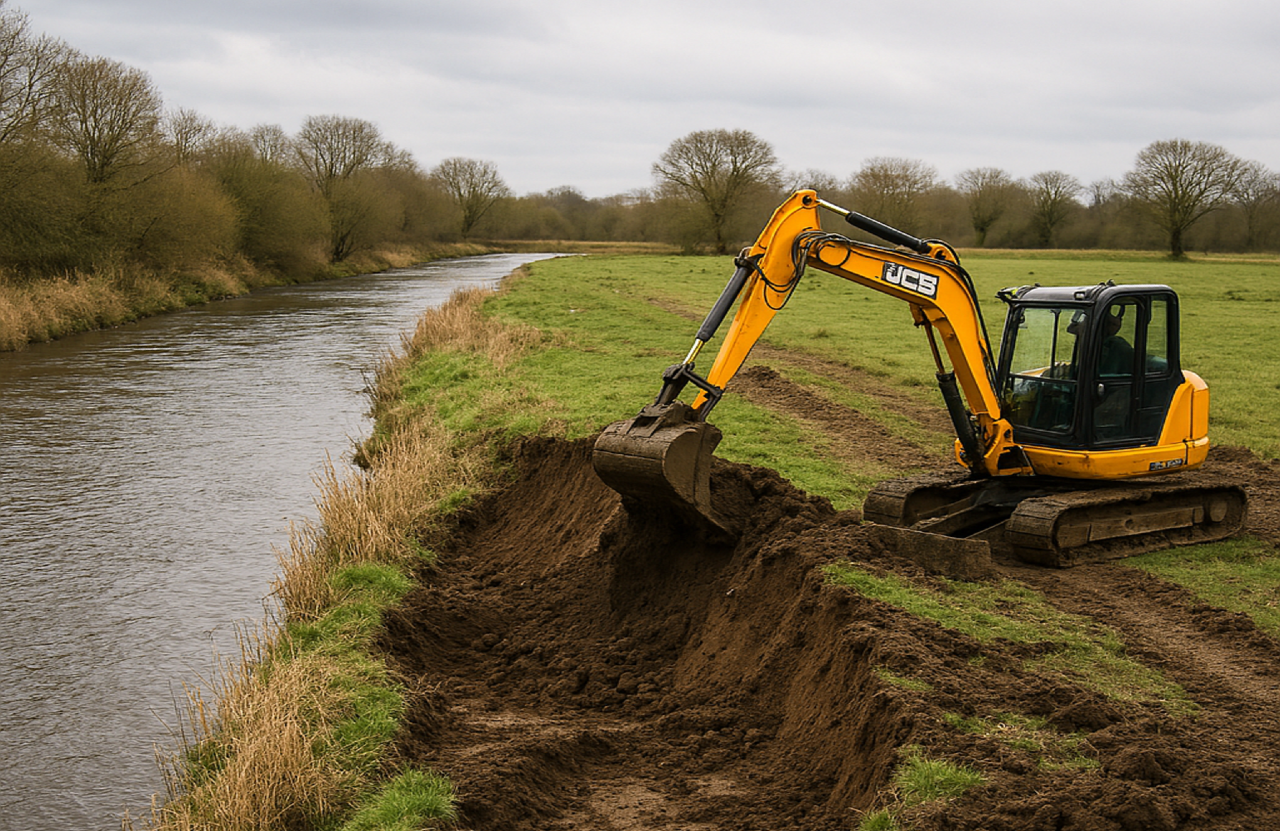
You may need a Flood Risk Activity Permit (FRAP) if your work:
- Takes place in, over, under or within 8m of a main river
- Involves structures like culverts, bunds, dams or outfalls
- Changes water levels, flow or storage
- Includes dredging, excavation or channel changes
These activities are regulated because they can affect flood risk and river processes.
To understand if your activity requires a FRAP you can apply for a pre-app:
To apply for a formal FRAP you will need to complete the following forms:
- Part A about you
- Part B10 flood risk activities for a bespoke permit or Part B11: standard rules permit for flood risk activities
- Part- F: Charging for flood risk activities and declaration
Taking water from surface water or groundwater: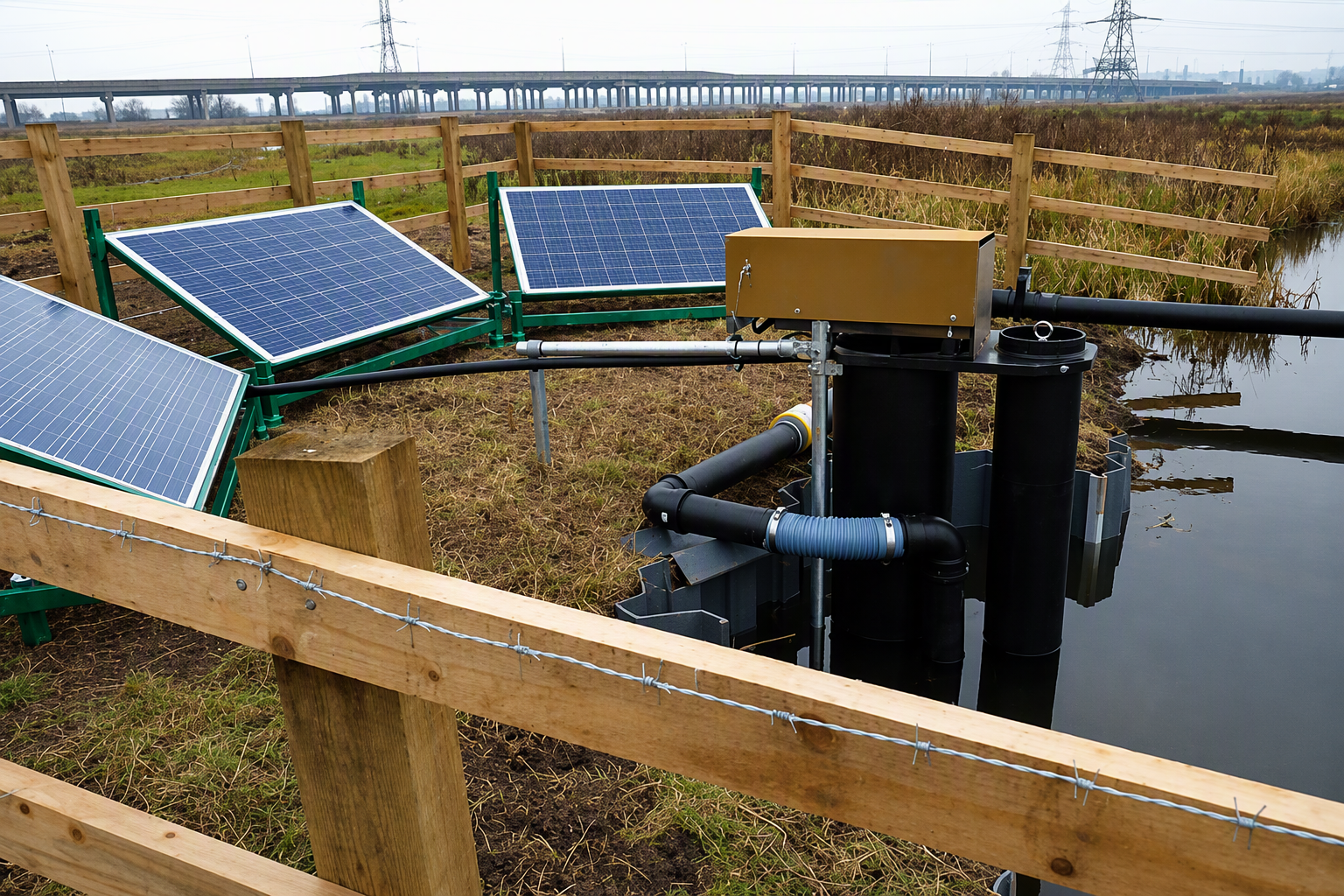
You may need to get an abstraction licence if you take more than 20 cubic metres per day from a source of supply. Abstraction is regulated to protect habitats and ensure sustainable water use.
You can find the different application forms you might need for these permit licences below:
- Form WR328: Application for a water resources licence – part A
- Form WR330: Application for a water resources abstraction licence – part B
- Form WR332: Application for a water resources abstraction licence – part C
- Form WR390: Charging for a water resources application – part E
For more information about abstracting water click here: More information about abstracting water
Holding back or raising water levels: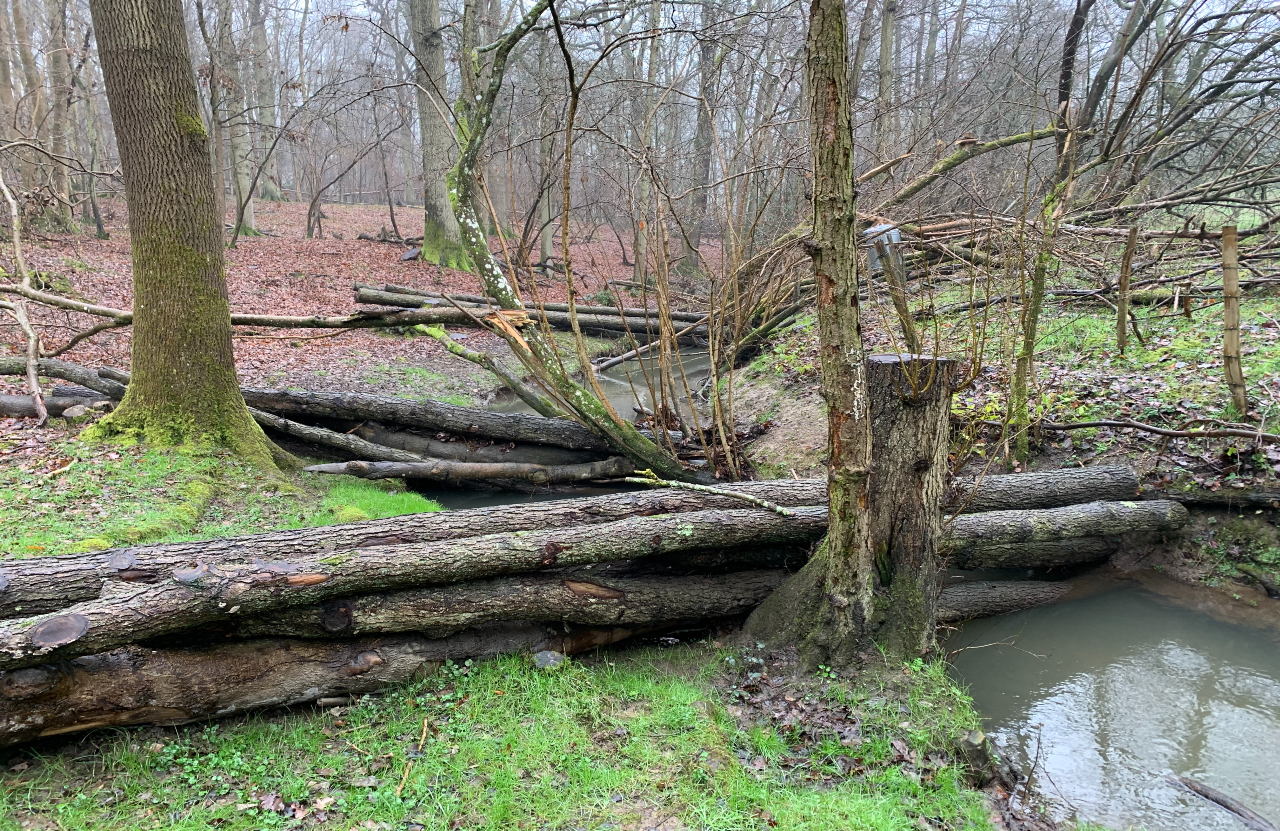
You may need an impoundment licence if your project permanently or temporarily holds back water or raises water levels in channels drains or rivers, An impoundment is when you create a structure that changes how water flows or is stored such as bunds, weirs, dams, sluices or culvert. This is common in peatland restoration, wetland creation and natural flood management schemes.
- Form WR328: Application for a water resources licence – part A
- Form WR334: Application for a water resources impoundment licence – part D
- Form WR390: Charging for a water resources application – part E
For more information about impounding click here: More information about impounding
Releasing water back to the environment:
You may need a water discharge permit if you release water into rivers, ditches or groundwater or the discharge could affect water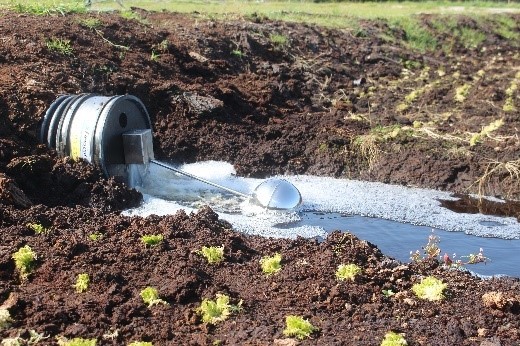 Credit: Lancashire Wildlife Trust quality, for example:
- Emptying or dewatering restoration areas, lagoons, ponds or wetland cells
- Discharging water pumped from excavations during habitat creation works
- Releasing water from managed wetlands or water level management structures
- Returning abstracted water to a different location or waterbody
- Discharging treated wastewater associated with visitor facilities, nature reserves or project infrastructure
- Releasing sediment-laden water generated during construction or restoration activities
Depending on your project, you may also need:
- Groundwater activity permits
- Waste permits (e.g. using materials for restoration).
- If material is created from the digging of ponds, scrapes or removal or river banks for example, and there is certainty of use for the material before its excavated and it’s reused as landscaping on the same site / place and is not causing harm / pollution then the material is not likely to be waste.
- A permit would be required if you were moving the material to another legal entity, it was polluting or it was stockpiled for an indeterminant period before use
Managed Wetlands – Licensing Principles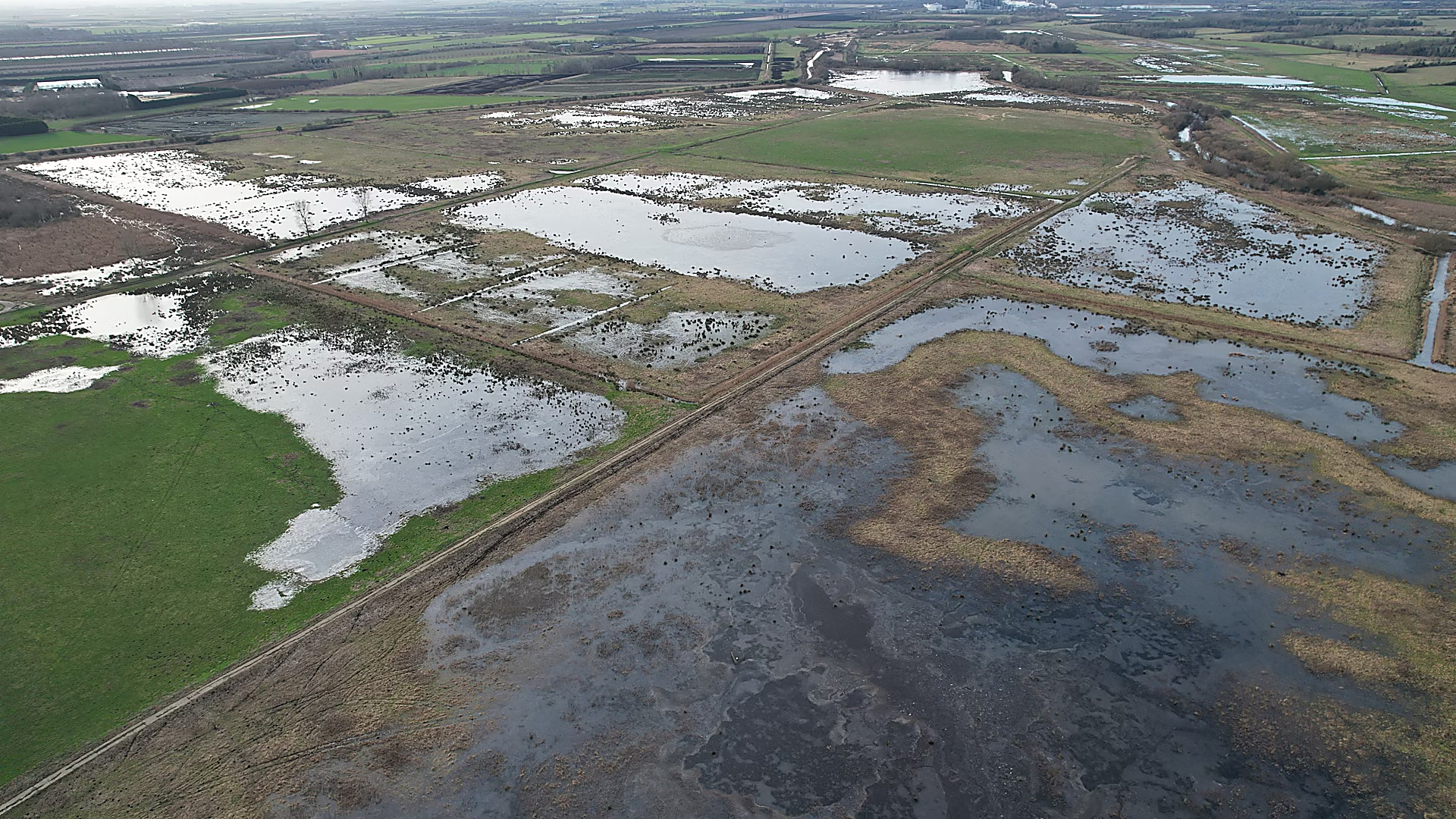 High Fen, courtesy of Matt Hay, NattergalA Managed Wetland System is defined under The Water Abstraction and Impounding (Exemptions) Regulations 2017 as:
1. an area of land that is periodically inundated or saturated by abstracted water in order to provide ecological benefits to flora and fauna, or
2. an area of land through which abstracted water flows, through a system of channels, sluices, carriers or other apparatus in order to provide ecological benefits to flora and fauna.
Click here to see the different scenarios: Managed Wetland Scenarios
Helping make nature recovery easier
We are developing new Regulatory Position Statements (RPSs) for low-risk impounding and abstraction activities to make it easier for nature recovery projects to deliver environmental benefits while maintaining appropriate environmental safeguards.
Low Risk Impounding: https://www.gov.uk/government/publications/low-risk-impounding-activities-rps-302/low-risk-impounding-activities-rps-302
Complete our poll at the bottom of the page to tell us which Low Risk Impounding activities you want to know more about.
What is Nature Permitting Coordination?
NPC offers scoping meetings to discuss your project early in the process. These meetings give project teams the opportunity to discuss their proposals with a dedicated Permitting Coordination Specialist, identify potential permitting requirements, understand likely timescales, and flag any risks or constraints at an early stage. We act as the central point of contact throughout the permitting journey. We coordinate engagement across relevant permitting regimes, support pre-application discussions, provide ongoing updates, and help projects plan applications more effectively. This approach improves visibility of future applications for permitting teams and helps reduce avoidable delays.
To access the service complete the form on our GOV.uk page: Request environmental permit coordination support for nature projects - GOV.UK
Indicative permitting timescales
Timescales vary depending on the complexity of a project, the quality of information provided and any environmental assessments required.
- Scoping discussion with NPC - up to 3 months
- Pre-application advice: typically within 150 working days
- Formal Application
- Admin checks: typically within 20 working days
- Validation/Duly Making - typically within 30 working days
- Permit or licence determination: up to 4 months from validation
Nature Permitting Coordination can help projects understand likely timescales and identify potential risks early in the process.


Thank you for your contribution!
Help us reach out to more people in the community
Share this with family and friends