
Bathing Water Results 2025
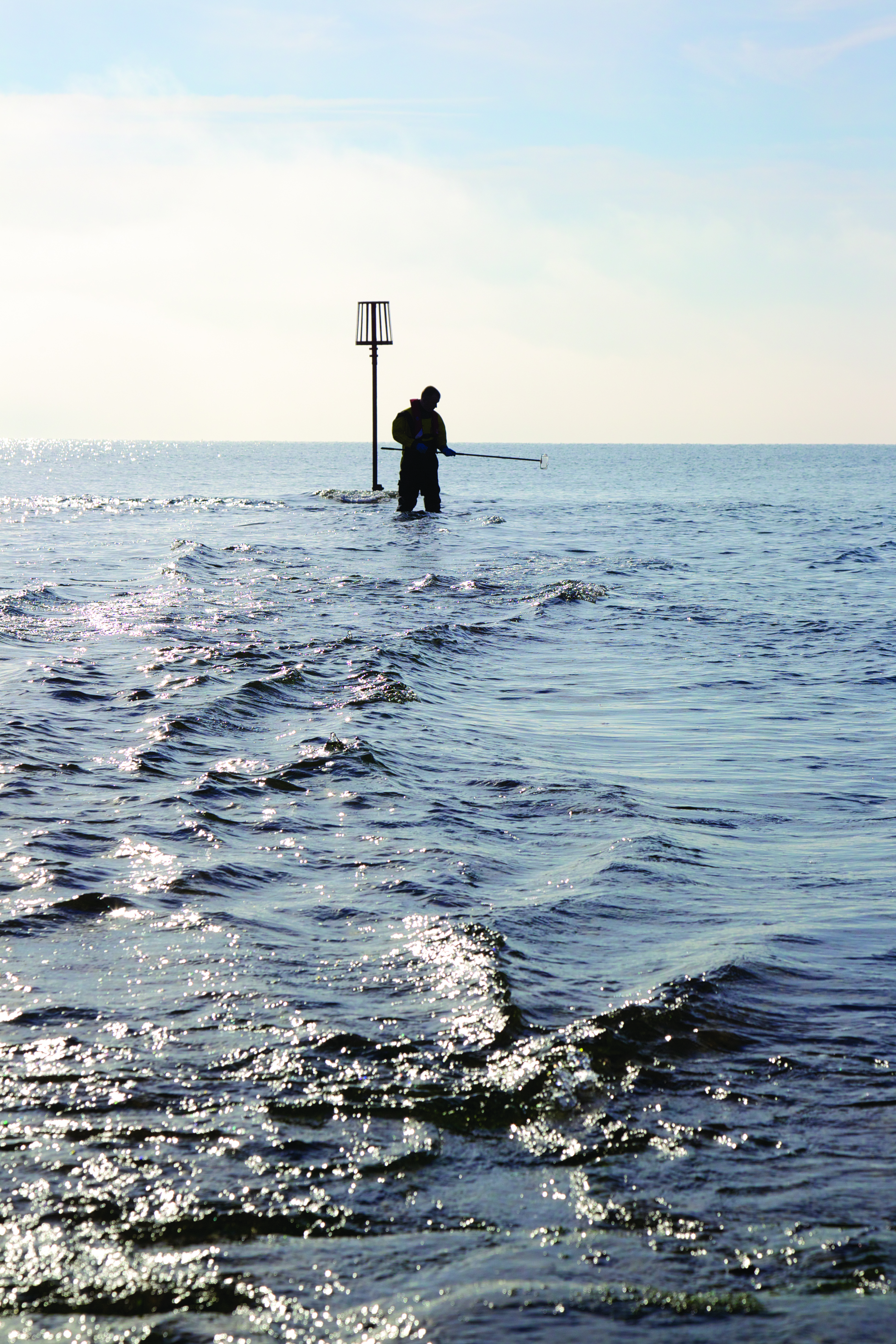
Last week, the Department for Environment, Food and Rural Affairs (Defra) published its annual bathing water classifications for 2025.
These classifications are drawn from monitoring data from the Environment Agency and cover 451 English bathing waters. However, there were two bathing waters unassessed due to access issues bringing the total to 449.
Each bathing water will be classified into one of the following categories:
- Excellent
- Good
- Sufficient
- Poor
Across England this year, 93% (417) have been classes as ‘Excellent’, ‘Good’ or ‘Sufficient’, compared to 92% in 2024, while 32 sites have been classified as ‘Poor’.
The Devon, Cornwall and Isles of Scilly (DCIS) region includes 154 designated Bathing Waters; this year 98% of them received an ‘Excellent’ or ‘Good’ classification.
| Classification 2025 |
Bathing waters (DCIS) |
|---|---|
Excellent |
129 |
Good |
20 |
Sufficient |
2 |
Poor |
3 |
In Your Area:
Ladram Bay |
Excellent |
Budleigh Salterton |
Good |
Sandy Bay |
Good |
Exmouth |
Excellent |
Exmouth and Ladram Bay have remained at Excellent.
Under the Bathing Water Regulations 2013, some of the samples may have been disregarded if advice against bathing was issued at the time the sample was taken.
This is because a warning against swimming has been issued in advance and the conditions are not considered to be reflective of the actual water quality most people bathe in. Both Exmouth and Ladram Bay are eligible to have their samples disregarded. You can read more about this here: Bathing water classifications and short-term pollution – Creating a better place
Sandy Bay has moved from Sufficient to Good
Previous investigations found that pollution causes were 50% misconnections and 50% urban run-off. Most misconnections have now been resolved, as a result of extensive monitoring, sampling and tracing work completed by both the Environment Agency and South West Water (SWW).
We are part of an action group, alongside SWW technicians and beach owners to share and compare data and collaborate on improvements. Although improvements have been made in the catchment, there is still work to do. Current data suggests pollution sources to be 10% agricultural, 10% sewage, 70% urban run-off and 10% unknown. We will inspect all businesses and water company assets in the catchment and our misconnections surveys are ongoing.
Budleigh Salterton – Move from Excellent to Good
We have linked increased levels of both E.coli and Intestinal enterococci in samples to the Knowle Brook. This has led to a marginal deterioration in class from Excellent to Good.
We are working to identify the sources of these Faecal Indicator Organisms. We have added an additional sampling point on the Knowle which will aid our investigation. We may also run an agricultural campaign in 2026. We will review Budleigh Salterton East site data against the current statutory sampling site to test for significant difference in salinity and bacteria results.
The Otter catchment has been a priority for our Agricultural Regulatory teams since 2021, with the majority of farms in the catchment being inspected since that time. We have worked with Natural England and farmers on Catchment Sensitive Farming programmes to encourage better farming practices and improve water quality in the surrounding areas.
We inspect all water company assets in the catchment yearly and SWW have undertaken a programme of infiltration reduction work, started in 2024. It is hoped this will reduce the number of short duration spills from combined sewer overflows and will continue through the town in 2025.
