
FAQs
What is blue-green algae?
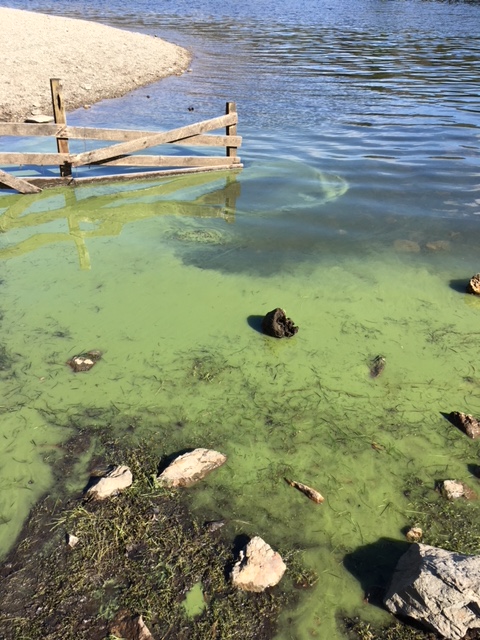
Blue-green algae
Blue-green algae, also known as cyanobacteria, naturally occurs under the right conditions. However, nutrient pollution can make the problem worse by enabling blooms to form. Sources of nutrient pollution include surface water contaminated with animal faeces running off land into rivers and lakes during heavy rain and storm sewage discharges. It’s important to note that blue green algae can occur without any nutrient pollution in the water.
Blue Green Algae can produce algal blooms at any time during the year, but they are more in common in summer, during dry, sunny and warm weather. Algal blooms can last for several months, especially over the summer.
Algal blooms can produce musty, earthy or grassy odours and foaming on the shoreline. Blooms can be green, blue-green or green-brown in colour.
How do I keep myself and my pet safe?
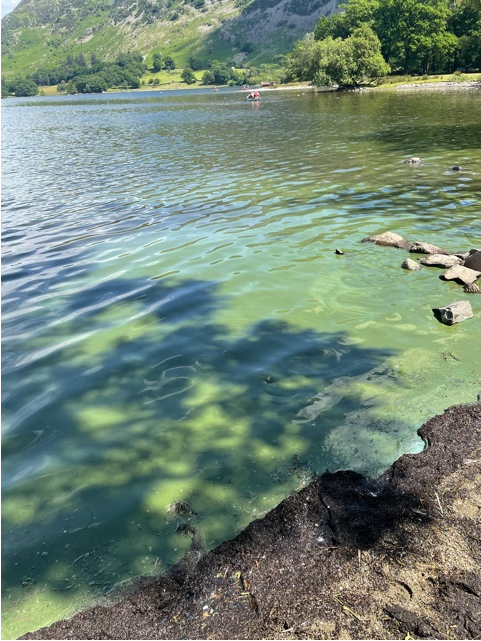 Keep Safe
Blue green algal blooms can produce toxins, which can be harmful to humans. Skin contact can cause rashes and ingestion can cause illness. They can also be harmful to pets, livestock and wild animals.
Not all algal blooms produce toxins. However, if you see a bloom, it’s safest to assume that it is and keep yourselves and your pets out of the water
We encourage water users to always check for signs of blue green algae before they enter the water.
What role does the Environment Agency play?
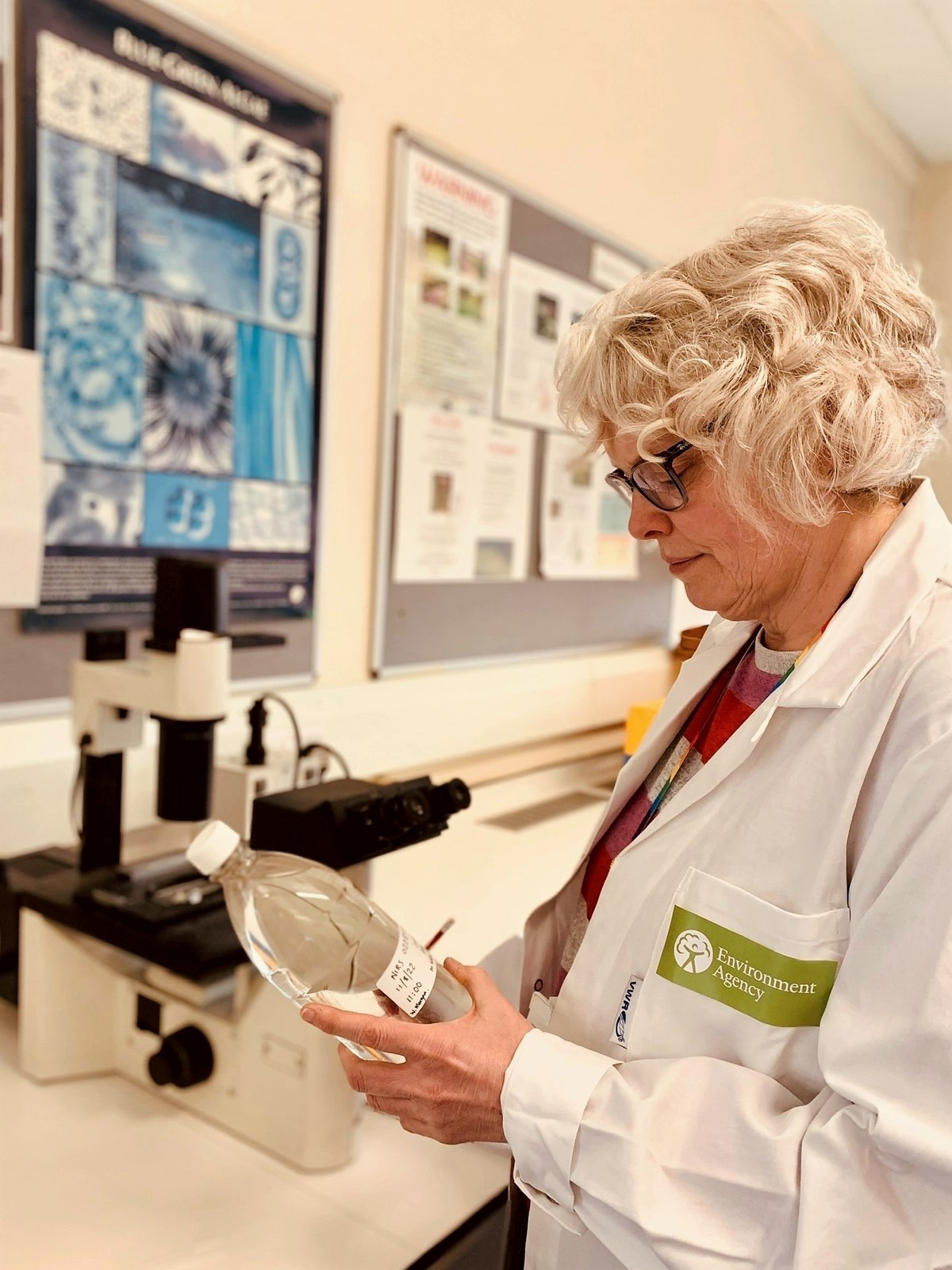 The Environment Agency's Role
We sample and analyse any new suspected blue green algal blooms reported to us. If we confirm blue green algae are present, we notify landowners. We recommend that they erect signs informing water users of the signs and risks of blue green algae.
We also regularly update this site with information on the location blue green algal blooms reported to us.
We’re working with a wide range of people, organisations and academic partners to improve water quality.